
A pristine windshield changes the entire experience behind the wheel. On a performance car, luxury SUV, or collector vehicle, even minor pitting can catch afternoon sun, scatter headlights, and make an otherwise immaculate cabin feel compromised. Windshield protection film is designed to take the abuse that would otherwise reach the glass, creating a sacrificial layer between your windshield and the road.
For Bay Area owners, that protection can be especially valuable. Highway construction, gravel shoulders, steep roads, changing microclimates, and long stretches of freeway driving create regular exposure to debris. The right film does not make a windshield indestructible, but it can meaningfully reduce the risk of chips, surface wear, and premature replacement.
What Windshield Protection Film Actually Does
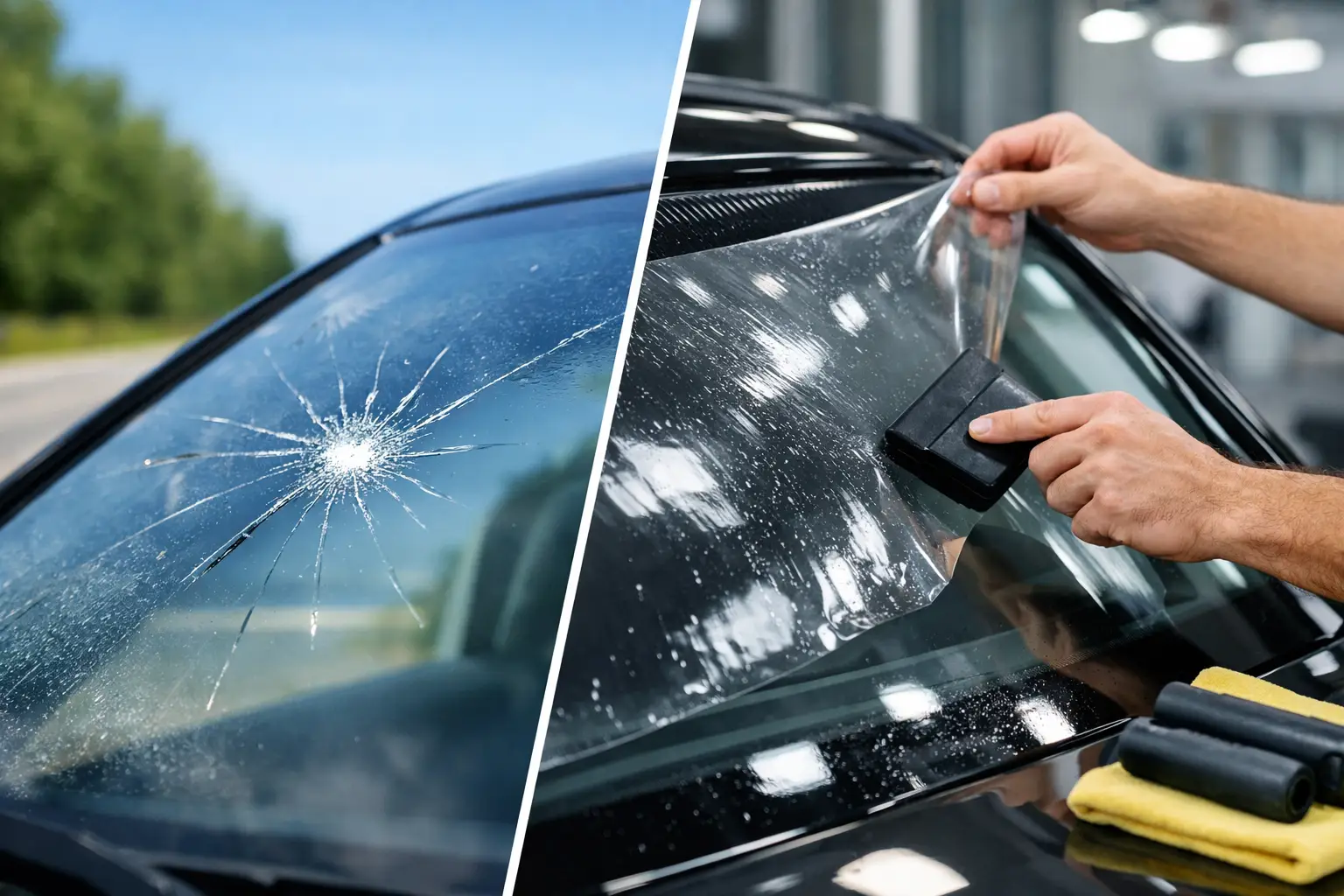
Windshield protection film is a clear, optically engineered urethane layer applied to the exterior surface of the windshield. Unlike window tint, which is applied to glass to manage heat, glare, and privacy, windshield film is intended to absorb the force of small road debris before it strikes the glass directly.
The film is engineered for impact resistance, optical clarity, and exterior durability. When a small stone skips off a truck tire at highway speed, the film helps distribute the impact across its surface. In many cases, that can prevent a chip or crack from forming. It also shields against fine pitting caused by sand, dust, and repeated high-speed exposure.
This matters beyond appearance. Modern windshields are often complex, expensive components that may include acoustic glass, heating elements, heads-up display compatibility, rain sensors, cameras, and advanced driver-assistance system hardware. Replacing one can be far more involved than installing a new piece of glass, particularly on European and exotic vehicles.
Why Premium Windshields Need More Than Basic Care
A windshield is constantly exposed, yet it is easy to overlook until damage becomes unavoidable. Paint protection film has become a familiar choice for defending vulnerable painted surfaces. The windshield deserves a similar level of consideration because it takes the first impact from road hazards.
A chip can occasionally be repaired, but repair is not always invisible or structurally ideal. If damage spreads into a crack, replacement becomes the likely path forward. That can introduce several concerns: sourcing proper OEM-quality glass, preserving original components, recalibrating camera-based safety systems, and managing the downtime of a vehicle you may depend on or prefer to keep in original condition.
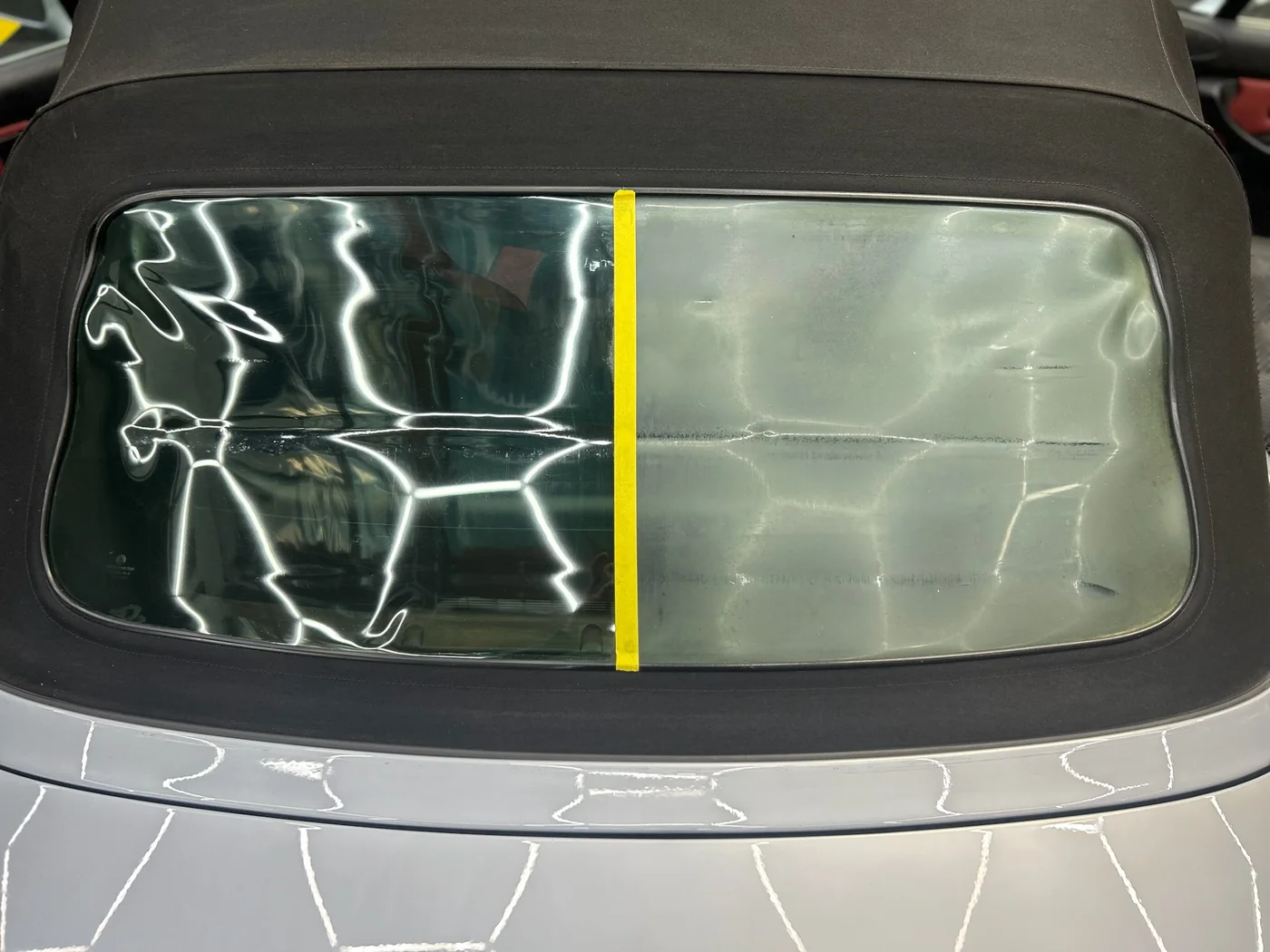
Windshield film can also preserve optical quality over time. Fine abrasion may not appear dramatic when viewed up close, but thousands of tiny impacts can create haze and glare that become noticeable in low-angle sunlight or nighttime traffic. Owners who regularly drive Highway 101, Interstate 280, or mountain roads often recognize this wear sooner than they expect.
The Trade-Offs to Understand Before Installation
Windshield protection film is a specialized solution, not a universal requirement. The right decision depends on the vehicle, how it is driven, the owner’s tolerance for maintenance, and the value placed on original glass.
The primary trade-off is that the film itself is a wear item. It is meant to absorb damage, which means it will eventually need replacement. Its service life varies based on film quality, driving conditions, wiper use, cleaning habits, climate exposure, and how often the vehicle spends time on the highway. A vehicle driven occasionally and stored indoors will place very different demands on the film than a daily-driven SUV covering long distances each week.
Optical quality also matters. Premium windshield films are selected for clarity, but any layer placed over glass deserves a careful installation and realistic expectations. Some owners may notice slight visual characteristics under certain lighting conditions, especially if a film becomes worn or contaminated. A knowledgeable installer will inspect the windshield before installation and discuss whether existing chips, scratches, or pitting could remain visible beneath the film.
Wiper interaction is another consideration. Properly maintained wiper blades are essential. Worn, gritty, or damaged blades can abrade the film over time, just as they can damage unprotected glass. Replacing blades promptly and avoiding dry wiping are simple habits that protect both visibility and film longevity.
Installation Is Where Performance Is Decided
A high-performance film cannot compensate for careless preparation. The windshield must be carefully cleaned, decontaminated, and inspected before installation. Any bonded debris, overlooked residue, or pre-existing defect can affect the finished appearance.
Precision fitment is equally important. A windshield has compound curves, sensor areas, ceramic frit borders, and edges that must be treated with care. The installer must position the material accurately while managing moisture, alignment, and final edge finishing. This is not a service that should be approached as an afterthought during a routine wash.
At Artec Automotive, the process is approached as part of a larger preservation strategy. Windshield protection can be coordinated with paint protection film, window tint, ceramic or graphene coatings, detailing, and other specialty work so the vehicle receives a considered package rather than a collection of disconnected services.
When Windshield Film Makes the Most Sense
Windshield protection film is particularly compelling for owners who drive performance, luxury, exotic, or collector vehicles on public roads. It is also a practical option for vehicles with expensive windshield assemblies or difficult-to-source glass.
Consider it if your vehicle sees frequent freeway mileage, canyon drives, road trips, or commutes through active construction corridors. It can also make sense for an enthusiast vehicle that is driven less often but maintained to a very high standard. In that case, preserving original glass may be as much about provenance and presentation as it is about avoiding a repair bill.
For vehicles already carrying significant windshield damage, replacement may be the better first step. Film should be applied to glass in excellent condition whenever possible. Covering a severely pitted or scratched windshield will not restore optical clarity, and installing over a crack is not a substitute for proper repair or replacement.
How to Care for a Protected Windshield
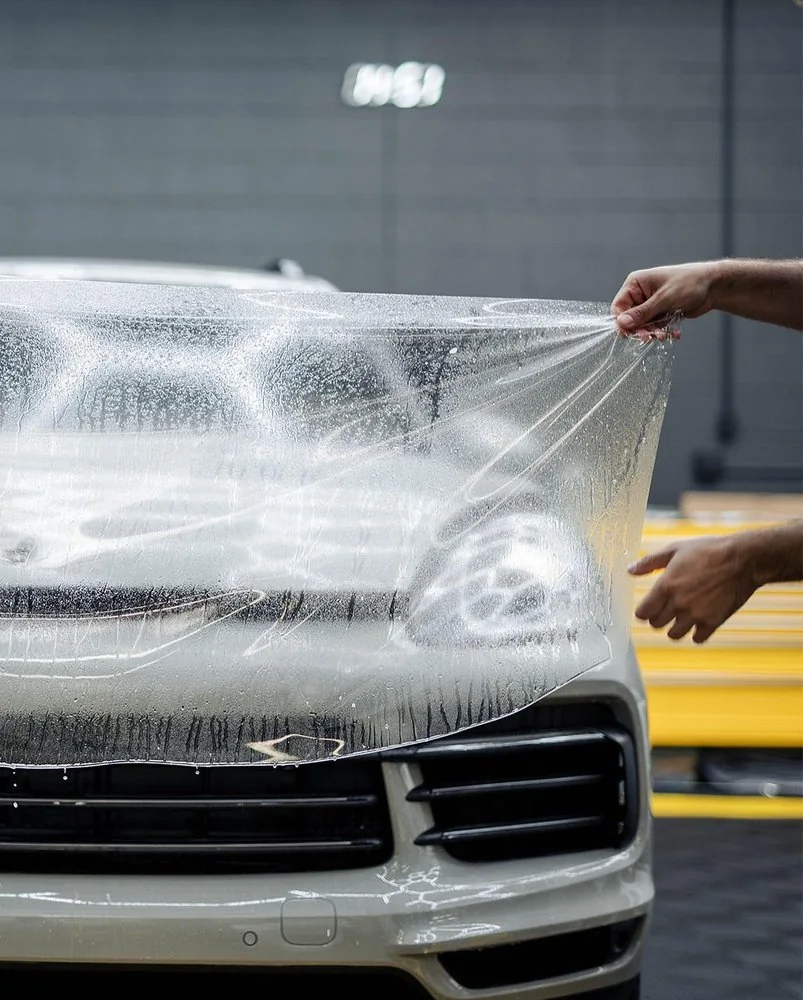
Once installed, windshield film benefits from deliberate care. Allow the film to cure according to the installer’s instructions before exposing it to aggressive cleaning or harsh conditions. During that period, minor moisture patterns can be part of the normal curing process.
After curing, wash the windshield with clean microfiber towels and quality automotive glass-cleaning products that are appropriate for film. Avoid abrasive pads, harsh powders, and neglected squeegees at self-service wash bays. Keep wiper blades clean, replace them when they begin to streak or chatter, and do not run wipers across a dry, dusty windshield.
If the vehicle is parked outdoors for extended periods, regular washing helps prevent bonded contaminants from accumulating on the surface. A professional inspection during detailing appointments is also useful, particularly for vehicles exposed to heavy mileage or frequent highway debris.
Can windshield protection film prevent every chip?
No. Large, sharp, or high-energy impacts can still damage glass. The film is designed to improve resistance to common road hazards, not to guarantee that a windshield will never crack. Its value lies in reducing risk and preserving the glass against the smaller impacts and accumulated wear that occur over normal driving.
Does it affect cameras or driver-assistance features?
When the correct film is professionally installed on an appropriate windshield, it is designed to maintain clear visibility through the glass. However, every vehicle has different camera placement, sensors, and optical requirements. A vehicle-specific assessment is the right approach, especially for models with heads-up displays or advanced driver-assistance systems.
Is windshield film better than replacing glass later?
It depends on your priorities. Replacement may be unavoidable after a major impact, but preserving original, undamaged glass can reduce inconvenience and help avoid the complexity of sourcing and recalibrating a replacement windshield. For owners focused on long-term condition, film is preventative protection rather than a repair alternative.
A clear windshield should feel invisible from the driver’s seat. When the road throws its usual debris, dust, and abrasive wear at your vehicle, the right protective layer gives the glass a chance to remain exactly that: clear, original, and ready for the next drive.