
35% Front, 20% Rear: Why TSER and Ceramic Matter for Drivers & Exotics

Window tint percentages measure Visible Light Transmission, or VLT, the share of light that passes through your glass. Common levels run 5%, 15%, 20%, 35%, 50%, and 70%, with lower numbers meaning darker glass. For most daily drivers, 35% up front and 20% in the rear strikes a workable balance between privacy and nighttime visibility, but every state sets its own limits, so check yours before booking an install.
TL;DR:
- Most states restrict front window tint to a maximum of 35% VLT, with rear windows often allowed darker films or no specific limit.
- Ceramic and nano-ceramic films reject infrared heat more effectively and are less likely to interfere with electronic signals compared to dyed or metalized options.
- Enforcement varies by jurisdiction, so it’s crucial to verify your state’s specific combined VLT limits, especially if crossing state lines frequently.
- Proper professional measurement and installation, along with documentation, are vital for maintaining resale value and avoiding legal issues.
Table of Contents
- Window Tint Percentages Explained: The VLT Basics
- What Each Tint Percentage Actually Looks Like
- Legal Limits: Why There’s No Single Right Answer
- Choosing the Right Percentage: A Decision Framework
- Why Film Technology Matters More Than Darkness Alone
- An Installer’s View for Exotic and Classic Car Owners
- Does Window Tint Affect Insurance and Resale Value?
- The Practical Trade-Off Nobody Argues Against
- Get Your Tint Done Right the First Time
- Sources
- FAQ
Window Tint Percentages Explained: The VLT Basics
VLT tells you how much visible light gets through your window, film included. A 5% VLT film lets almost no light in, while 70% lets most of it through and looks barely tinted at all. The percentage always refers to the total light passing through, not how dark the film alone appears on the roll.
Factory glass is not perfectly clear. Most factory side windows already sit around 80% to 90% VLT, and factory rear windshields are often close to 70%. That matters because film and glass stack multiplicatively, not by simple subtraction. A 35% film applied over glass that already sits at 80% VLT does not give you 35% combined.
That combined number is what most state inspectors actually measure, and it’s also what separates VLT from two other specs you’ll see on a film’s spec sheet:
- VLT measures visible light transmission, the number tied to legal limits.
- TSER (Total Solar Energy Rejected) measures how much total solar energy, including heat, the film blocks.
- IR rejection measures infrared rejection specifically, often marketed with a narrow, cherry-picked wavelength range.
The International Window Film Association points out that TSER is a far more reliable way to compare products than standalone IR claims, since IR figures can be measured across whatever wavelength band makes a given film look best. Installers typically verify VLT with a handheld photometer, a small device that reads light transmission directly through installed glass, which is also how most state inspectors confirm compliance on the road.
What Each Tint Percentage Actually Looks Like
Picturing a percentage on paper is very different from seeing it on your car. Here’s what drivers can expect at each common level.
-
5% VLT. This is often called “limo tint.” Almost no light gets through, visibility into the cabin is essentially zero, and nighttime driving becomes noticeably harder because your eyes get less ambient light to work with. Most states restrict or outright ban 5% on front side windows; it shows up mainly on rear windows and rear windshields, and mostly on states with looser rear-glass rules.
-
15% VLT. Still quite dark, with a clear privacy benefit and a noticeably cooler cabin in direct sun. Common on rear windows in warmer states. Front-window use at 15% is illegal in most jurisdictions.
-
20% VLT. A popular middle-dark option. You get real privacy and solid glare reduction while retaining usable visibility for a passenger to still make out. It’s a frequent legal front-window maximum in stricter states and a favorite rear-window pairing everywhere else.
-
35% VLT. The most commonly permitted front-side-window level across the country, and for good reason. It cuts glare and heat noticeably without darkening your view at night, which is exactly why installers so often steer buyers toward it as the front-window default.
-
50% VLT. A light tint that mostly reduces glare and UV exposure rather than adding meaningful privacy. Good for windshields or front windows in states with strict daytime-visibility rules, and for drivers who want protection without a visual change.
-
70% VLT. Barely visible to the eye. Often used on windshields (where allowed) or as a factory-adjacent option for buyers who want UV protection without altering the car’s look at all.
A state-by-state comparison of tint laws confirms this front-versus-rear split is close to universal.
Think about how you actually drive. A city commuter navigating stop-and-go traffic at night benefits from lighter front glass and better sightlines at intersections. Someone in Phoenix or Las Vegas battling triple-digit dashboards leans toward a heat-focused film regardless of shade. A driver who spends winter nights on unlit rural highways should think twice before going dark on any forward-facing glass.
Pro Tip: Don’t judge a film by the roll sample in a showroom. Ask the installer to show you a demo panel installed on actual automotive glass, in daylight, from the driver’s seat. Tint always reads darker on a flat sample than it does on curved glass with sky reflection.

Legal Limits: Why There’s No Single Right Answer
There is no single window tint law in the country. Each state sets its own VLT minimums, and those minimums almost always differ by window position, front side windows, rear side windows, and rear windshield each get their own rule. What’s legal in Ohio can get you pulled over in California.
Federal rules only enter the picture at the manufacturing stage. FMVSS No. 205, enforced by NHTSA, requires at least 70% light transmittance on glazing “requisite for driving visibility” in new vehicles. That standard binds automakers and dealers selling new cars. It does not directly regulate what an individual owner does to a vehicle after purchase; that authority sits entirely with the states.
A few numbers worth knowing before you call an installer:
- Many states cap front side windows at 35% VLT or lighter for standard passenger vehicles.
- Rear windows and rear windshields are frequently allowed much darker, sometimes with no VLT minimum at all when the car has functioning outside mirrors.
- Medical exemptions exist in most states for conditions like lupus or photosensitivity, but they require documentation, not just a doctor’s note mentioned to an officer roadside.
Before any film goes on your car, run this checklist:
- Look up your specific state DMV or highway patrol tint statute, not a general blog post.
- Ask your installer for the combined VLT reading, factory glass times film, not just the film’s rated percentage.
- If you qualify for a medical exemption, get the paperwork filed and carried in the vehicle.
- If you regularly cross state lines, check the strictest state on your route, not just your home state.
Enforcement varies wildly by county and even by officer. Some jurisdictions issue a fix-it ticket with a grace period to remove or lighten the film; others treat it as a straight moving violation with a fine. Either way, an illegal install usually means paying for removal on top of whatever you spent getting it done.
Choosing the Right Percentage: A Decision Framework
Legality comes first, always. Once you know your state’s ceiling, work backward from what you actually want the tint to do.
- Start with your state’s maximum, not your ideal shade. If your state caps front windows at 35%, that’s your front-window ceiling, not a starting negotiation point.
- Rank your priorities. Privacy, heat rejection, UV protection, and nighttime visibility rarely all max out together. Decide which two matter most to you.
- Factor in your environment. A driver in Arizona weighs heat rejection heavier than a driver in Seattle. Someone who street-parks overnight weighs privacy and paint protection higher than someone in a garage.
- Ask your installer four questions: How do you measure VLT and combined VLT? What’s the TSER rating on this film? What warranty covers bubbling or peeling? What’s your removal policy if a state trooper flags it?
- Run the combined-VLT math yourself. If your factory rear windshield sits at 70% VLT and you’re considering a 20% film, multiply 0.70 × 0.20 for a combined reading near 14%, well under most rear-glass thresholds but worth confirming against your specific state rule.
Pro Tip: Always ask for the combined VLT in writing before the film goes on, not after. A reputable installer will hand you the number without hesitation. One who won’t is a red flag.
Why Film Technology Matters More Than Darkness Alone
The material behind that percentage, not the number itself, determines how much heat you actually feel.
Dyed film is the entry-level option: it darkens glass and cuts glare but does relatively little for heat. Metalized film adds a reflective layer that improves heat rejection but can interfere with some in-vehicle radio and GPS signals, a real trade-off worth asking about. Ceramic and nano-ceramic films use non-metallic, non-conductive particles that reject significant infrared heat without the signal-interference issue, which is why they dominate the premium end of the market.

The IWFA recommends comparing films by TSER rather than isolated IR numbers, since TSER accounts for total solar energy rejected rather than one favorable slice of the spectrum. Real-world comparisons back this up: a lighter ceramic film at the same legal VLT often keeps a cabin cooler than a darker dyed film, because it’s rejecting heat energy the dyed film simply lets pass through as absorbed warmth.
The electronics-interference worry is mostly a metalized-film issue, not a blanket concern, and it’s easily avoided by choosing ceramic construction. Longevity follows the same pattern: dyed film tends to fade and purple over a few years, while ceramic film holds its color and performance far longer.
An Installer’s View for Exotic and Classic Car Owners
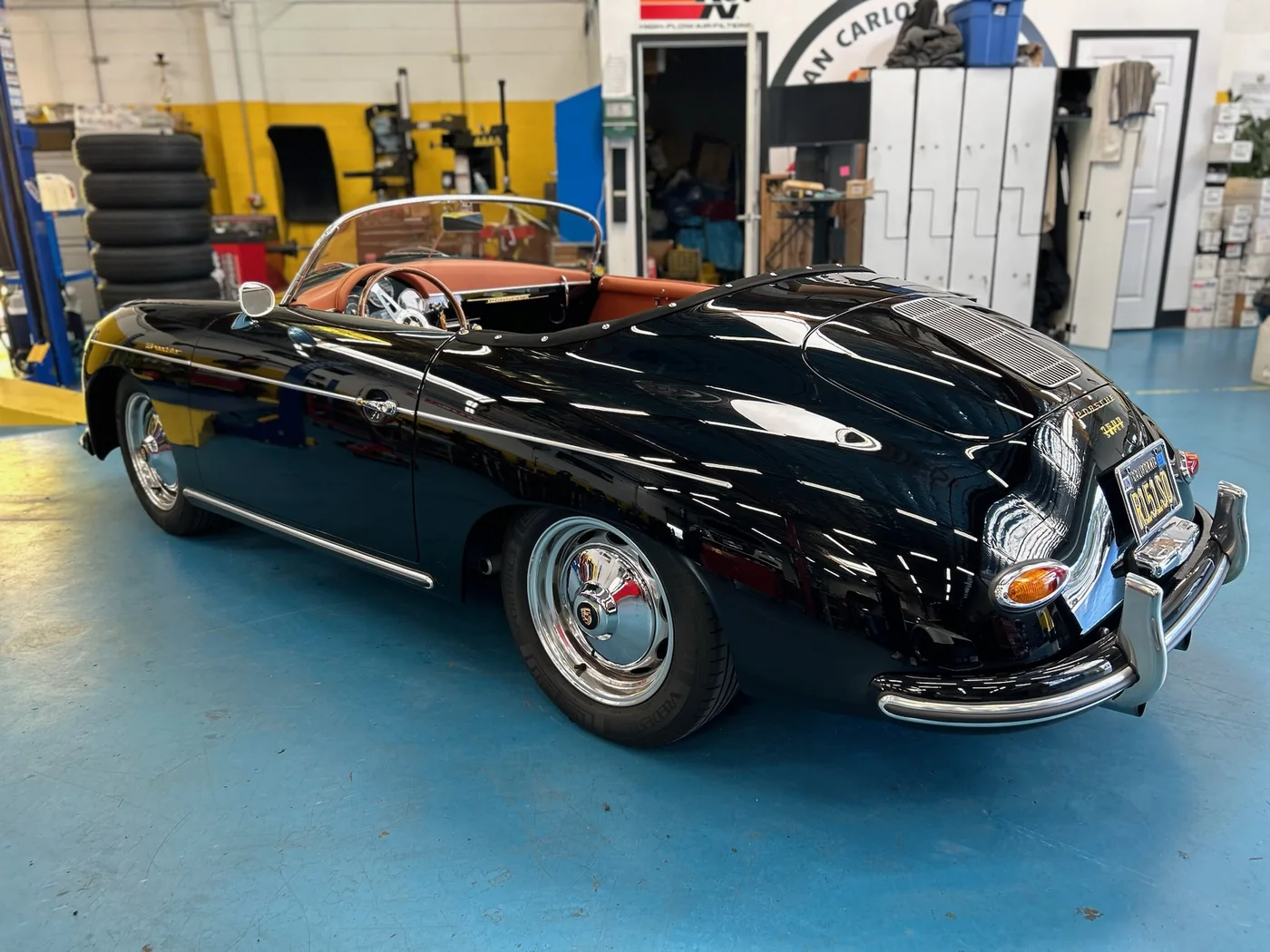
Artec Automotive has worked on exotic, classic, and European vehicles since 2001, and tint on a Ferrari or a restored classic carries stakes a daily driver never faces. A rushed trim cut or a poorly seated edge shows immediately on curved, high-value glass, and it’s far more visible on a car people expect to be flawless.
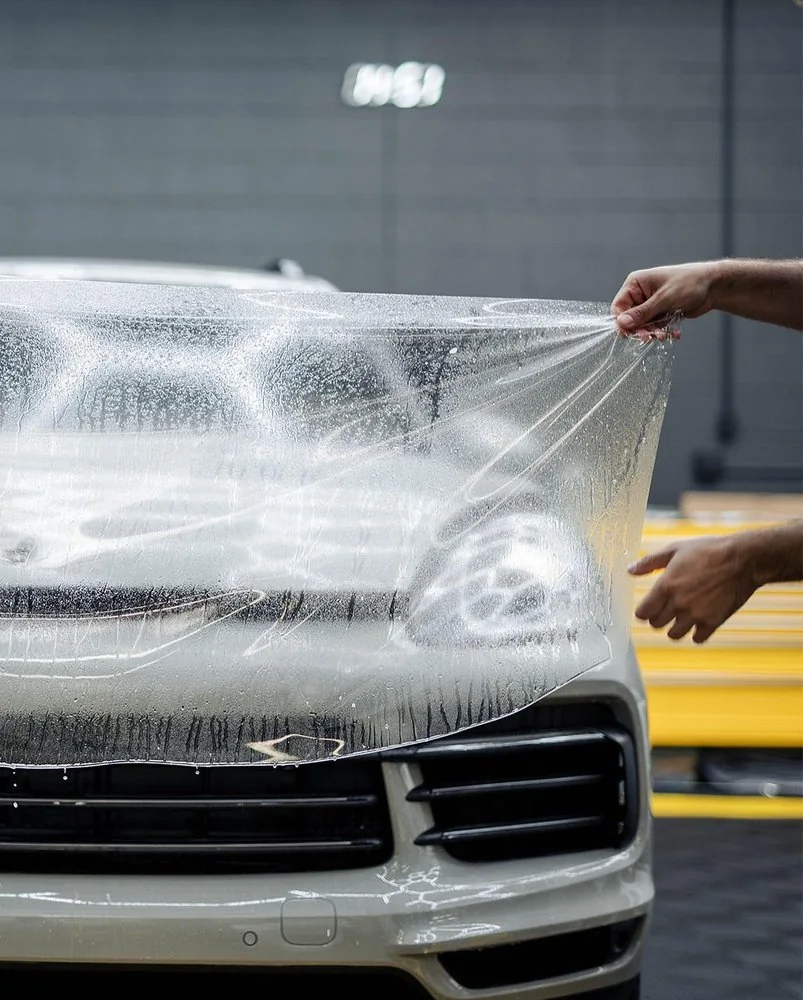
Artec Automotive offers partial front, full front, and full-vehicle protection packages, along with windshield protection film for owners who want the front glass shielded from chips as well. Cure time, careful cleaning during the first week, and documentation of the work all matter for resale, since buyers of collector cars increasingly ask for a paper trail on every modification. As one internal observation puts it, installation precision and edge work matter more to long-term outcomes than the exact percentage chosen.
Does Window Tint Affect Insurance and Resale Value?
Legal, properly documented tint rarely affects your insurance premium directly. Insurers care far more about accident history, coverage limits, and vehicle value than about a legal cosmetic modification. Illegal tint is a different story: if it contributes to a citation, or an insurer discovers non-compliant film during a claim investigation, it can complicate the claims process or be cited as a factor in a coverage dispute, depending on your policy’s fine print.
Resale value tells a more nuanced story. Bubbling, peeling, or purple-faded dyed film, on the other hand, reads as neglect and can knock money off a sale price or slow down a private-party deal. Illegal tint discovered during a pre-purchase inspection forces a buyer to budget for removal, which they’ll factor straight into their offer.
The safest path for resale is simple: stay within your state’s limit, choose a film that won’t visibly degrade in five years, and keep the installer’s paperwork with your vehicle records. For collector cars specifically, documentation of professional installation, including combined-VLT verification, has become something appraisers increasingly ask about.
The Practical Trade-Off Nobody Argues Against
Chasing the darkest legal number is the wrong goal. If your car is worth protecting long-term, professional measurement and installation aren’t optional, and if you cross state lines often, check the limits at both ends before you leave the driveway.
— Artec
Get Your Tint Done Right the First Time
Technicians familiar with exotic, classic, and European vehicles provide expert tint installation, understanding glass curvature, trim removal points, and factory VLT. That matters on a car where a single miscut edge on curved glass isn’t a redo, it’s a risk to panels that are expensive or impossible to replace.
Beyond window tint, Artec Automotive’s team can pair the work with windshield protection film or a detailing package to prep the glass and trim beforehand, all handled in the same shop visit instead of bouncing between specialists. For daily maintenance between visits, proper glass cleaning technique also helps preserve both factory glass clarity and new film longevity. If you’re ready to get combined-VLT numbers confirmed and see a demo panel on real automotive glass, request an estimate through Artec Automotive’s main services page and get your tint scheduled with someone who already understands your car.
Sources
- Automotive Education Guide - International Window Film Association
- NHTSA interpretation on FMVSS No. 205 and tinting
- Window Tint Percentages Explained (2026) - VLT Guide with Visual Comparison
FAQ
Is 20% Tint Legal in Texas?
Always confirm current limits with the Texas DMV before installation, since rules do get updated.
Is 35% or 20% Tint Darker?
VLT percentages measure how much light passes through, so a lower number always means less light gets in and a darker appearance, which is why 35% is the more common front-window choice in states with stricter daytime-visibility rules.
Is 5% Tint Legal in California?
No. Confirm current specifics with California’s DMV tint statute before ordering film, since exceptions can exist for specific vehicle types.
Is 15% Tint Legal in Pennsylvania?
Rear windows and the rear windshield have no minimum VLT requirement in Pennsylvania, which is where 15% film is commonly used instead.
What’s the Best Baseline Tint Percentage if I’m Not Sure What I Want?
Confirm the combined VLT with your installer before committing, since factory glass tint stacks with film tint to change the final legal reading.
Does Artec Automotive Install Window Tint on Exotic and Classic Cars?
Yes, Artec Automotive offers window tint installation along with related protection services like windshield protection film for exotic, classic, and European vehicles. Pricing for tint work is available on request through Artec Automotive’s services page.