
A Bay Area drive can move from cool coastal fog to direct inland sun in a single afternoon. For a premium vehicle, window tint is not simply a darker look. It is a calibrated upgrade that protects the cabin, improves comfort, supports privacy, and gives the vehicle a more intentional finish without compromising the character that made you choose it.
The right film should feel integrated with the car, not added to it. That means choosing material technology, visible light transmission, and installation quality around the vehicle’s glass, interior, daily use, and local regulations. On a luxury sedan, exotic coupe, performance SUV, or collector vehicle, details matter because every detail is visible.
What Window Tint Actually Changes
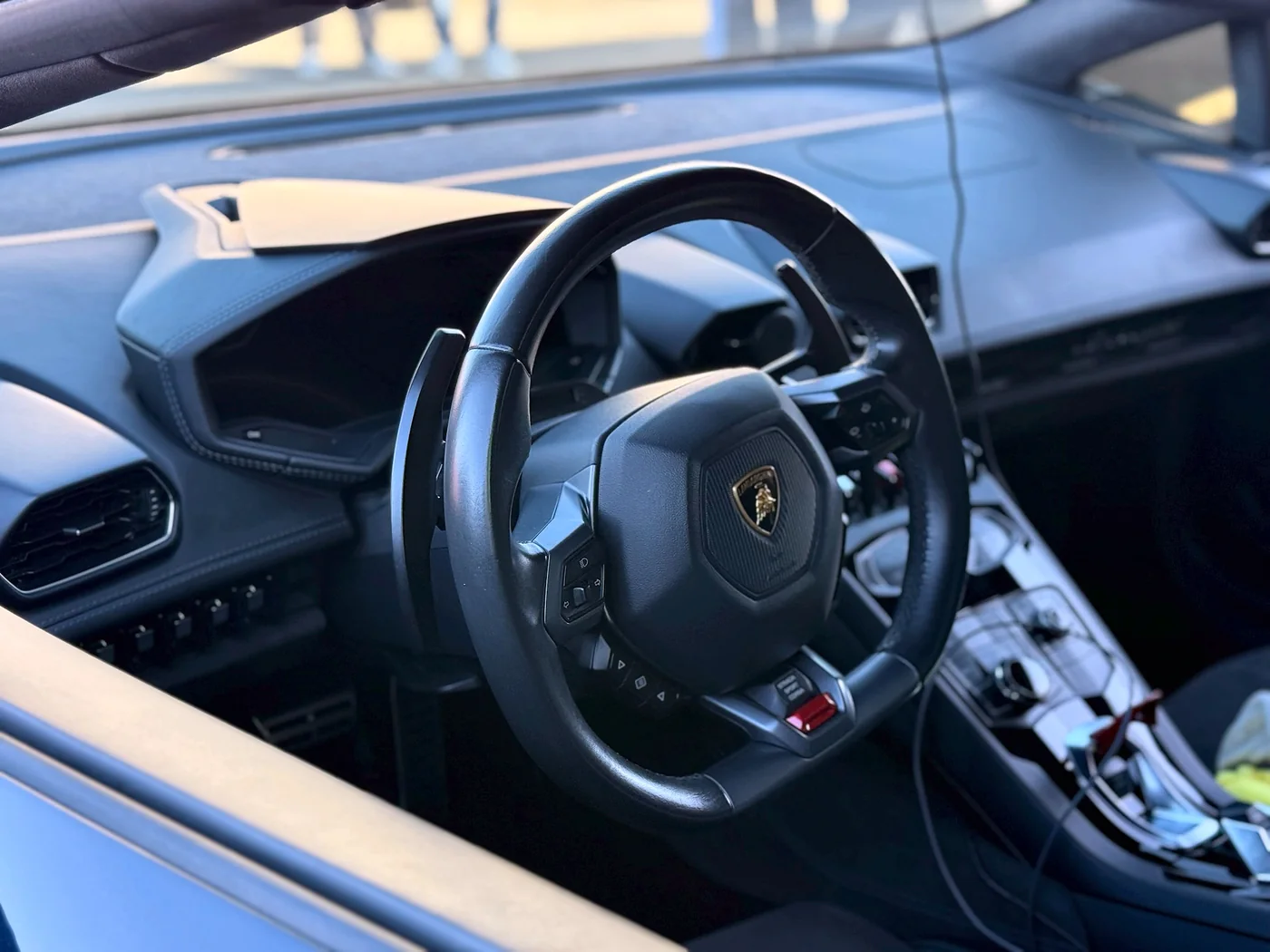
Quality automotive film manages solar energy before it reaches the cabin. It can reduce glare, reject a meaningful portion of infrared heat, and block the UV exposure that gradually fades leather, dries trim, and diminishes the appearance of carbon fiber, Alcantara, wood, and other fine interior materials.
Those benefits are especially tangible on vehicles with expansive windshields, panoramic roofs, and large side glass. A cabin that takes less heat on while parked is more comfortable when you return, and the climate-control system does not have to work as hard to bring it back to your preferred temperature. The difference may be most apparent in a dark-interior vehicle parked outdoors, but it is valuable across nearly any premium build.
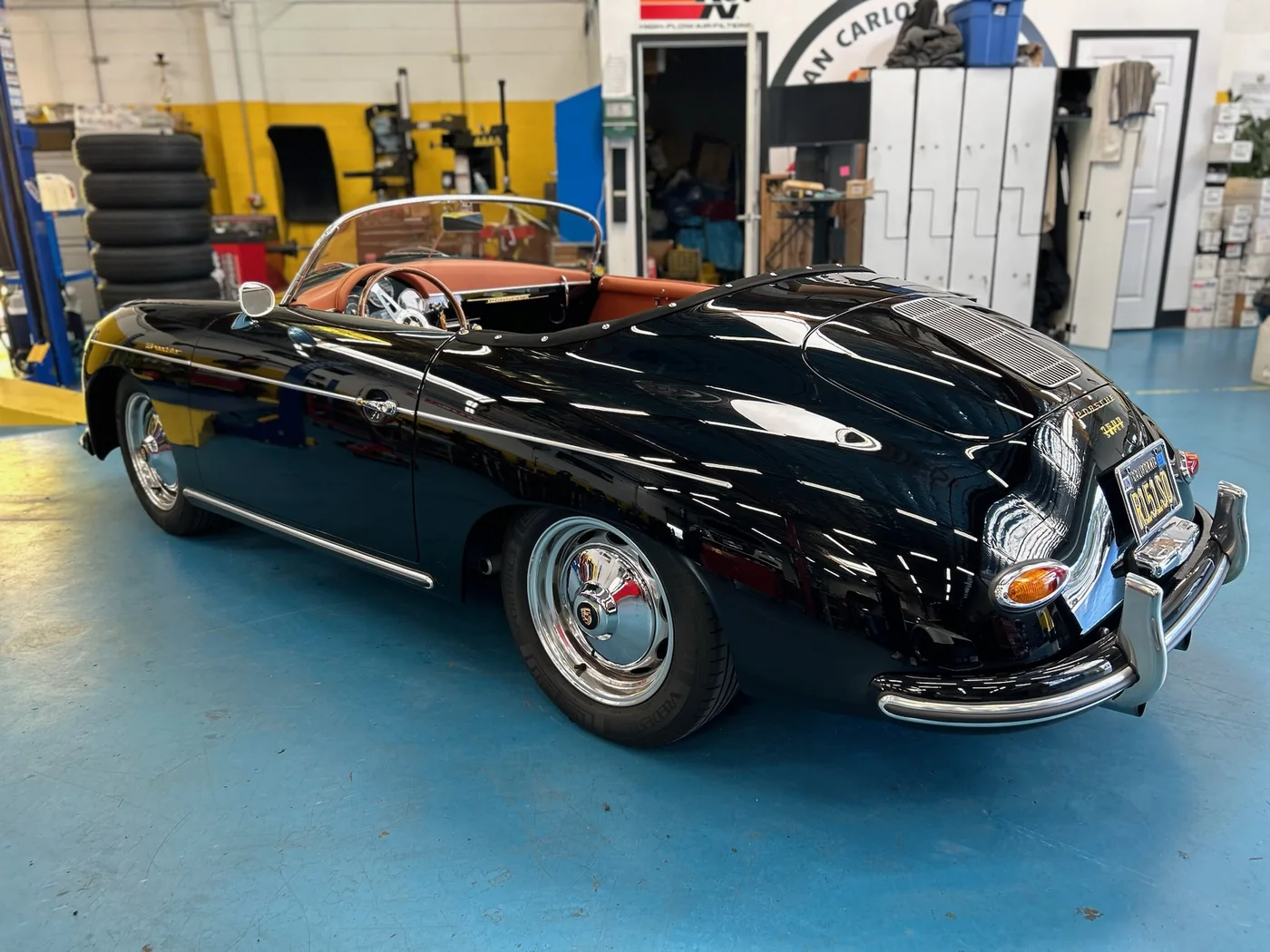
Tint also changes how a vehicle presents itself. The correct shade can visually tie together brightwork, wheels, paint color, and exterior accents while adding a degree of privacy. The goal is refinement, not a one-size-fits-all blackout treatment. A subtle ceramic film on a metallic silver European sedan creates a very different result than a deeper, more dramatic selection on a black performance SUV.
Window Tint Film: Material Matters More Than Darkness
A common mistake is choosing tint by shade alone. Visible light transmission, often called VLT, describes how much visible light passes through the glass and film. It affects appearance and nighttime visibility, but it does not tell the complete story on heat rejection or UV protection.
Dyed and metallic films
Entry-level dyed films create a darker appearance and can help with glare, but their heat-management performance and long-term color stability can be limited. They are rarely the first choice for owners who expect a lasting, premium result.
Metallic films can offer stronger heat rejection, but metal particles may interfere with radio, cellular, GPS, keyless-entry, or other electronic signals. With sophisticated modern vehicles relying on multiple antennas and communication systems, that trade-off deserves careful consideration.
Carbon and ceramic films
Carbon films typically provide a rich, non-reflective appearance with better performance than basic dyed options. They can be an appropriate choice when appearance and dependable sun control are the priority.
Ceramic film is often the preferred solution for high-end vehicles because it delivers strong infrared heat rejection without relying on metal. It preserves signal clarity while offering excellent optical quality, UV protection, and comfort. For Bay Area owners who routinely face intense sun, stop-and-go traffic, and long highway drives, ceramic technology delivers benefits that remain noticeable long after installation day.
Not every ceramic film performs identically. Film construction, clarity, adhesive quality, heat-rejection specifications, and warranty support all vary. A tailored recommendation starts with how you use the vehicle rather than a generic claim that one percentage is best for everyone.
Choosing the Right Shade for Your Vehicle
The most appropriate VLT depends on the desired look, the existing factory glass, driving habits, and legal requirements. Factory privacy glass, common on SUVs and some rear windows, is not the same as heat-rejecting film. It may look dark, but it does not necessarily provide the same solar performance. When film is added, the final measured VLT is affected by both the factory glass and the film itself.
For many luxury sedans and sports cars, a moderate shade on the side and rear glass delivers the balanced result: elevated appearance, reduced glare, and useful privacy while preserving confident visibility at night. Owners who prioritize maximum heat control sometimes select a lighter ceramic film, especially on the windshield where legal limits and visibility make a lighter option more practical.
Driving environment matters. If your vehicle regularly moves through unlit roads in the hills, darker film can become a genuine nighttime compromise. If it is primarily a daytime commuter or spends long periods parked in sun-exposed locations, heat rejection may take priority. The best decision is not necessarily the darkest legal option. It is the option that makes the car more enjoyable to drive in the conditions it actually sees.
California Rules Require a Thoughtful Approach
California window-tint laws distinguish between front-side windows, rear-side windows, rear glass, and windshield applications. Requirements can change, and interpretation can depend on the vehicle configuration, so a professional installer should confirm the applicable rules before film is selected.
For many passenger vehicles, the front side windows must retain substantial light transmission, while rear-side and rear-window rules can differ. Windshield film is generally limited to a defined upper area, subject to the state’s requirements. Medical exemptions and other situations may involve separate documentation.
The practical point is simple: do not treat online shade charts as final authority. A premium installation should account for the glass already on the vehicle, measure final output where appropriate, and provide a recommendation that respects both the desired aesthetic and responsible road use.
Installation Is Where Premium Results Are Won
Even the most advanced film cannot compensate for rushed preparation or imprecise installation. The installation process begins with thorough cleaning of the glass, seals, and surrounding work area. Contamination, residue, and loose debris can create visible imperfections beneath the film, particularly on large, curved glass and frameless doors.
Experienced technicians understand how different vehicles come apart and go back together. Modern luxury vehicles may have intricate door panels, tightly integrated weatherstripping, sensitive electronics, and complex rear glass shapes. Proper technique protects those components while allowing clean, close edge work that looks factory-level rather than obviously applied.
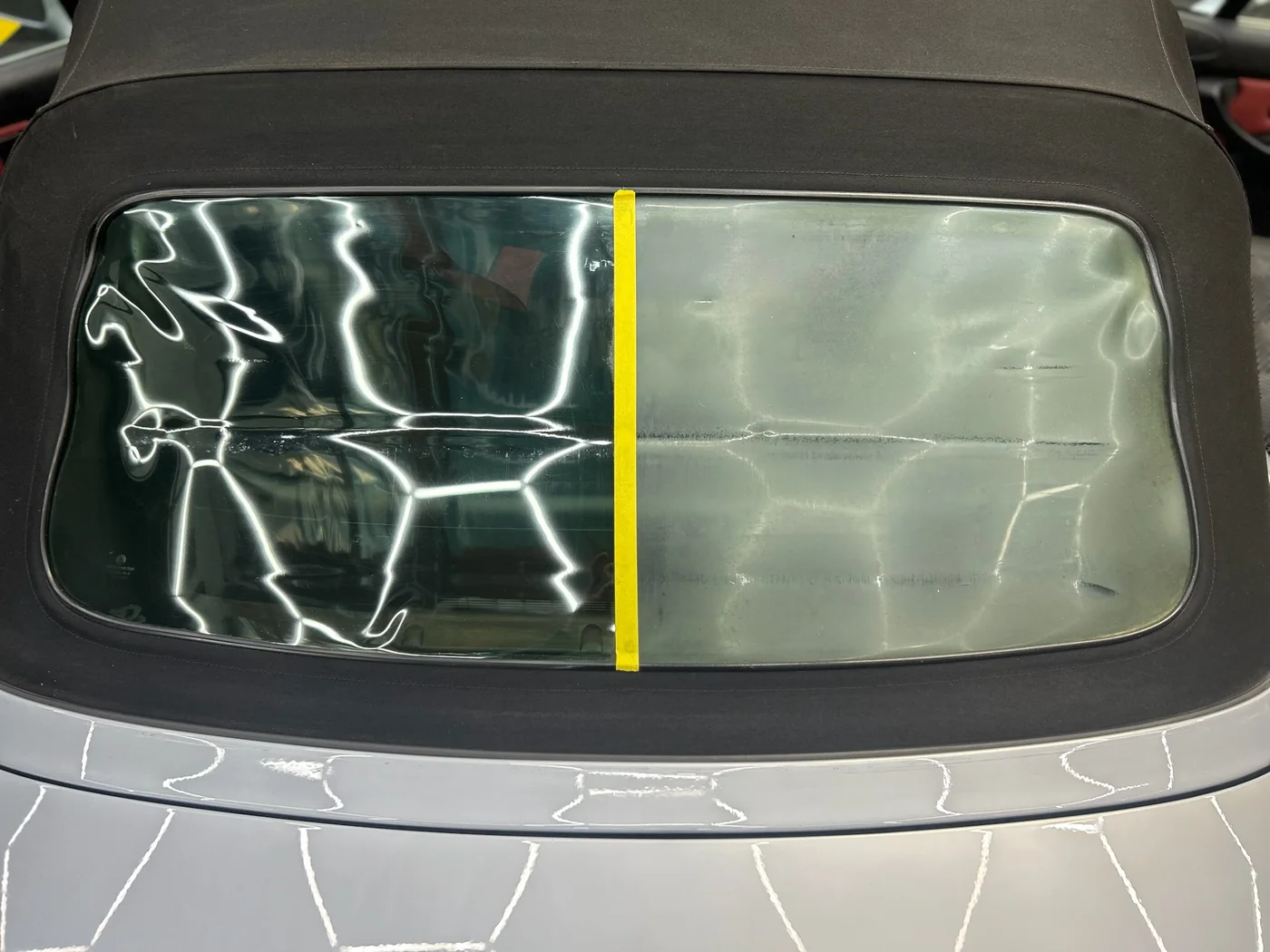
Rear windshields deserve particular attention. Defroster lines, antenna elements, curvature, and access constraints make this glass one of the most demanding areas of the vehicle. A precise install should lay smoothly across the glass without trapped debris, distorted sightlines, lifted edges, or careless cuts.
Fresh film also needs time to cure. Minor haze or small water pockets may appear during the initial curing period and normally dissipate as moisture evaporates. Avoid rolling down treated windows until the installer’s recommended cure time has passed, and follow the care guidance for cleaning. Ammonia-free glass cleaners and soft microfiber towels are a smart long-term choice.
Pair Tint With a Complete Protection Strategy
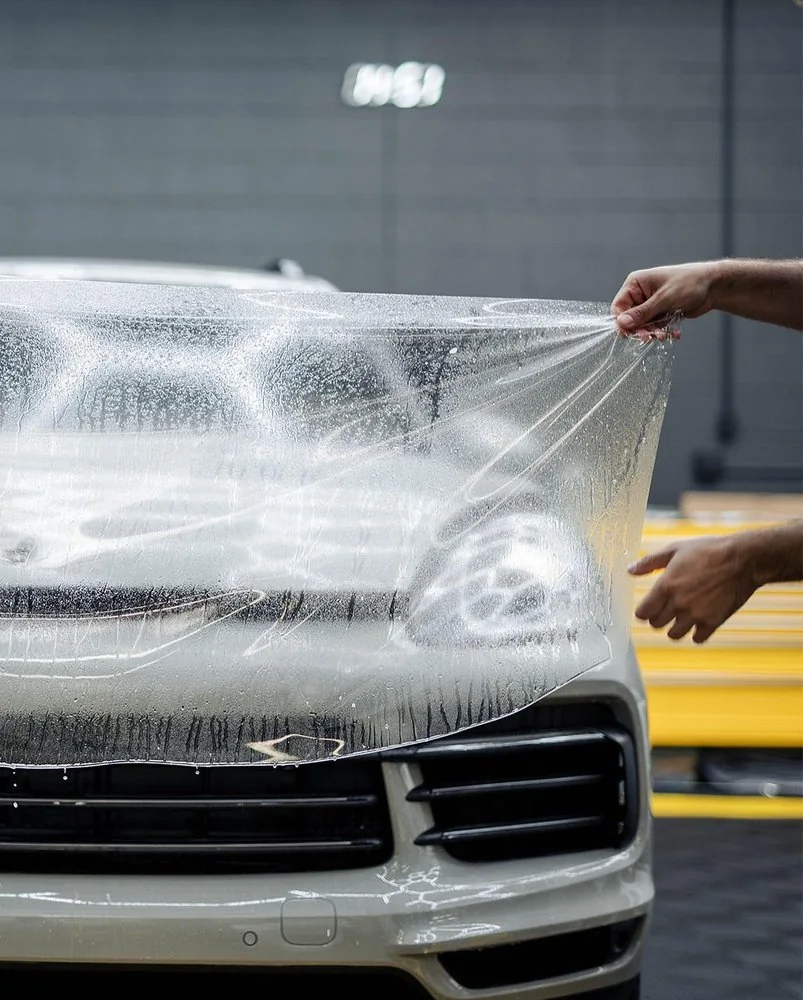
Window tint protects the interior-facing side of the ownership experience, but it works even better as part of a broader protection plan. Paint protection film helps defend vulnerable exterior surfaces from road debris. Ceramic or graphene coatings support easier maintenance and preserve a freshly detailed finish. Windshield protection film can add a valuable layer of defense against the chips and abrasion that Bay Area highway driving can bring.
For an enthusiast build, these services can be planned together so the visual result feels unified. Tint shade can complement black exterior accents or satin trim. A protective package can be sequenced around detailing, paint correction, and coating preparation to ensure every surface receives the right treatment at the right time.
At Artec Automotive, the approach is vehicle-specific because a daily-driven Porsche, an executive Mercedes-Benz, and a stored exotic each face different exposure, usage, and aesthetic priorities. The same standard applies whether the request is discreet heat rejection or a complete protection and customization program.
A properly chosen film should disappear into the ownership experience. You notice it when afternoon sun feels less punishing, when the cabin retains its finish, and when the vehicle looks exactly as considered leaving a restaurant at night as it does arriving at the office in the morning.