
7 Signs Your PPF Needs Replacing for Exotic and Collector Cars

Replace paint protection film when it shows structural or optical failure, not on a fixed calendar. The clearest triggers are edge lift, cracking, persistent bubbling, and a loss of self-healing properties. Premium film typically holds up 7 to 10 years, while economy film often fades or lifts within 3 to 5. Most owners replace panel by panel, and a professional inspection helps decide which ones actually need it.
TL;DR:
- Premium paint protection film can last 7 to 10 years if it shows no structural or optical failure, regardless of calendar age.
- Signs indicating immediate replacement include edge lift, cracking, persistent bubbling, loss of self-healing, or cloudiness caused by UV damage.
- Factors like film quality, thickness, installation skill, environment, and maintenance habits significantly influence actual lifespan.
- Small issues such as minor edge lift or localized damage can often be repaired or patched, while extensive aging warrants full panel or vehicle replacement.
- Proper inspection, timely repairs, and careful cleaning extend film life, but removal and replacement costs increase by 15 to 25 percent compared to initial installation.
Table of Contents
- How Long Does PPF Typically Last?
- Key Signs It’s Time to Replace PPF
- What Affects PPF Lifespan
- Repair, Panel Replacement, or Full Vehicle: How to Decide
- What Replacement Involves and What It Costs
- Maintenance to Extend PPF Life and What to Avoid
- How a Specialist Shop Evaluates and Replaces PPF
- Should You Schedule, Replace, or Wait?
- Artec Automotive’s Approach to PPF Inspection and Replacement
- Where This Guidance Comes From
- Sources
- FAQ
How Long Does PPF Typically Last?
Lifespan depends more on film grade than any owner wants to admit. Economy PPF commonly lasts 3 to 5 years before yellowing or edge lift sets in. Premium film installed by a certified professional typically runs 7 to 10 years or longer, which is also why most manufacturer warranties cluster in that same window. A warranty length is a useful signal of how much confidence the manufacturer has in its own product, but it is a starting point, not a deadline.

Calendar age tells you less than you’d think. A film that’s eight years old but still clear, well-bonded, and self-healing has no reason to come off. One that’s four years old and already delaminating at the hood edge needs attention now, regardless of what the warranty paperwork says.
Two ownership patterns illustrate the gap:
- A daily highway commuter racking up 20,000 miles a year in road debris and constant UV exposure will often see film condition decline faster than the warranty term suggests.
- A garaged weekend car that sees a few thousand miles a year, mostly under cover, can push well past the upper end of a premium film’s expected range.
Mileage, sun exposure, and storage habits shift the timeline more than the calendar does.
Key Signs It’s Time to Replace PPF
Not every flaw means the whole panel has to come off. Some signs are purely cosmetic; others signal the film has stopped doing its job. Work through this list roughly in order of urgency:
- Edge lift or peeling. Once an edge starts to separate, dirt and moisture get underneath and accelerate failure. This needs attention immediately.
- Cracking. Cracked film has lost its flexibility and protective structure. It won’t self-heal and it won’t stop debris.
- Persistent bubbling. Occasional micro-bubbles after install are normal and often settle. Bubbles that return after weeks or spread across a panel indicate adhesive failure.
- Loss of self-healing. If light swirls and scratches no longer disappear with sun or warm water, the topcoat has degraded even if the film looks intact.
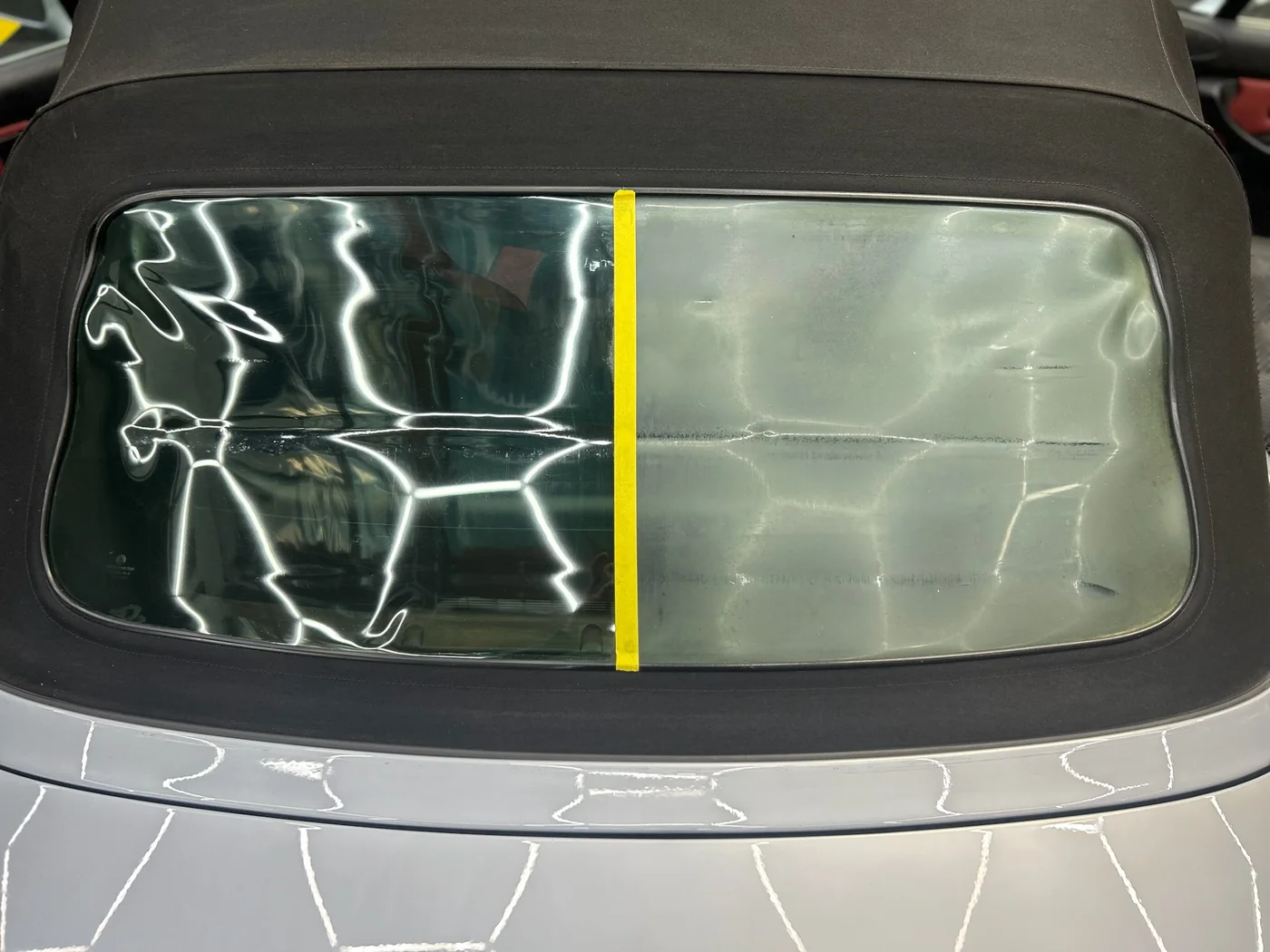
- Cloudiness or haze. This usually points to UV breakdown or moisture trapped beneath the film. It’s a documented sign of aging film that’s approaching the end of its useful life.
- Mild yellowing. Slight discoloration on its own is often cosmetic, especially on older economy film, and doesn’t always demand immediate replacement.
- Permanent staining or etching. Bird droppings, bug acid, or tree sap left too long can etch through the clear coat below the film. This is a structural problem, not a surface one.
Edge lift and cracking call for a shop visit right away. Mild yellowing can usually wait for your next scheduled service.
Pro Tip: Run your fingertip along every panel edge and door jamb during a monthly wash. Lifted edges are easier to feel than to see, especially on dark paint under indoor lighting.
What Affects PPF Lifespan
Film quality sets the ceiling on how long PPF can last, but everything else determines whether you actually reach it. A handful of variables do most of the work:
- Topcoat and material quality. Higher-grade films use more UV-stable polymers and better self-healing topcoats, which is why premium products outlast economy ones by years, not months.
- Film thickness. Options generally run 6 to 10 mil, with 8 to 8.5 mil often cited as the sweet spot between impact protection and ease of installation. Thicker isn’t automatically better if it compromises how cleanly the film conforms to complex curves.
- Installer skill and prep. A rushed install in a dusty bay traps contaminants under the film and creates weak points at the edges long before the material itself would fail.
- Environment. Heavy UV exposure, coastal salt air, and constant highway debris all shorten the practical lifespan compared to a garaged car in a mild climate.
- Maintenance habits. How you wash the car interacts with every factor above, for better or worse.
Repair, Panel Replacement, or Full Vehicle: How to Decide
The right fix is usually the smallest one that solves the actual problem. Escalate only when the evidence tells you to.
- Repair or re-tuck. Minor edge lift caught early can often be re-adhered rather than replaced. A clean re-tuck can extend a panel’s usable life by a year or more if the film itself is still otherwise sound.
- Single-panel replacement. Isolated damage, like a rock chip that tore through the film on the front bumper, is a job for one panel. Batching a few worn panels into one visit also spreads labor costs more efficiently than doing them one at a time over separate appointments.
- Full vehicle replacement. This makes sense once multiple panels are aging in tandem, or when uniform appearance matters for resale or a concours-level collector car. Full replacement is also the more sensible route for long-term owners who’d rather solve the problem once than chase individual panels every year.
What Replacement Involves and What It Costs
Replacing PPF is a more involved job than the first install, because the old film has to come off cleanly before anything new goes on. The typical workflow looks like this:
- Removal. The old film is heated and peeled away, ideally without damaging the clear coat beneath it.
- Adhesive cleanup. Leftover adhesive residue gets removed with solvents formulated not to attack factory paint.
- Paint correction, if needed. Any swirl marks or minor defects uncovered during removal get addressed before new film goes down.
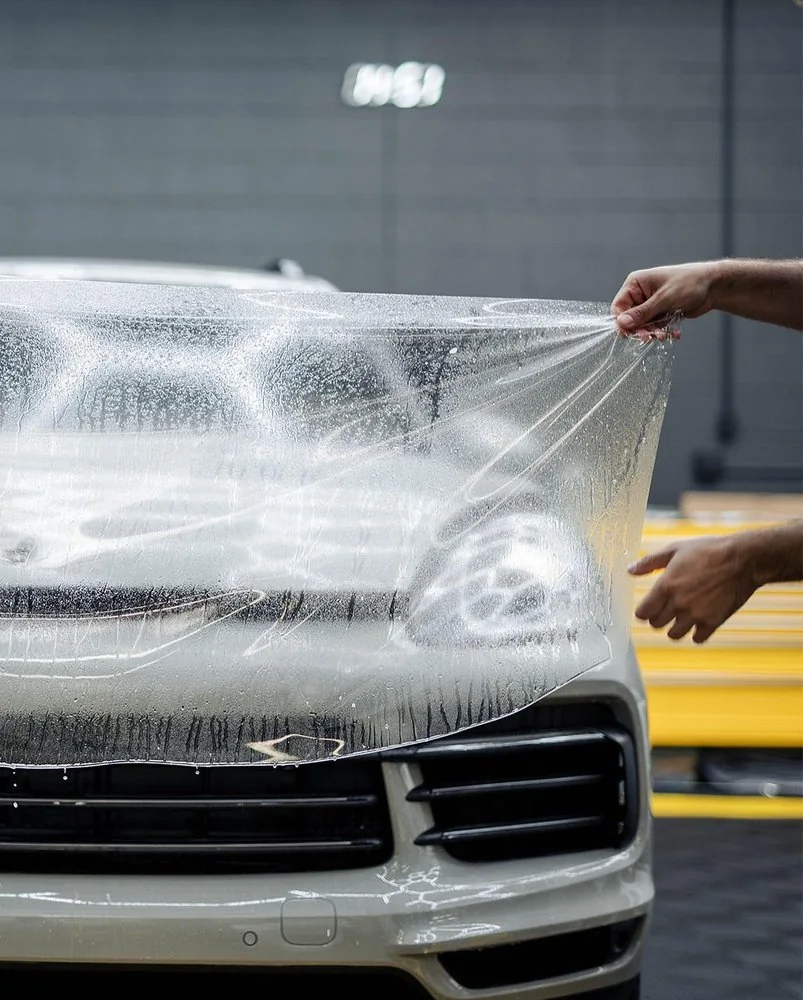
- Reinstallation. New film is cut, applied, and squeegeed into place, then trimmed at the edges.
Cost depends on coverage level, vehicle body complexity, film grade, and how much prep the paint needs. As a general rule, replacement runs roughly 15 to 25% more than the original install on the same vehicle, since removal and cleanup add labor the first install never needed. That premium is also why removal quality matters: an inexperienced technician can nick clear coat or leave adhesive residue that complicates the next install, so specialist experience isn’t a minor detail here. It’s the difference between a clean reinstall and a paint correction bill.
Maintenance to Extend PPF Life and What to Avoid
Most premature PPF failures trace back to how the car gets washed, not how old the film is. 3M’s own installation guidance recommends waiting at least 72 hours after install before the first wash, giving the adhesive time to fully cure.
After that window, hand washing or touchless washes with a pH-neutral shampoo are the safest routine. A few habits protect the investment and a few habits quietly wreck it:
- Use a pH-neutral shampoo and a soft mitt or foam cannon rather than a brush.
- Keep pressure washers at a wide fan angle and a safe distance from panel edges. 3M specifically warns that aggressive pressure washing can force water under the film and weaken the bond.
- Skip abrasive polishing compounds and dye-based waxes, which can stain or degrade the topcoat.
- Remove bird droppings, bug residue, and tree sap as soon as you notice them rather than at the next wash.
Pro Tip: Apply a ceramic boost spray 3 to 6 months after installation, then again every 3 to 6 months after that. 3M lists these boosters as compatible topcoats that restore hydrophobic properties and make contaminants easier to rinse off before they can etch in.
How a Specialist Shop Evaluates and Replaces PPF
A proper inspection checks adhesion at every edge, optical clarity across each panel, and whether the substrate underneath shows any damage. Photo documentation before and after work protects both the shop and the owner. On exotic or collector vehicles, inexperienced removal risks the original paint, so ask any shop about their film brand, warranty terms, removal process, and whether they document the work with photos.

Should You Schedule, Replace, or Wait?
The right call depends on your plans for the car. Keeping it long-term favors a preventative full or batch replacement for consistent appearance. Selling soon usually justifies a smaller, targeted fix, paired with honest disclosure to the buyer. Collectors and exotic owners should lean toward specialist shops and premium film, since preservation matters more than saving a few dollars upfront.
— Artec
Artec Automotive’s Approach to PPF Inspection and Replacement
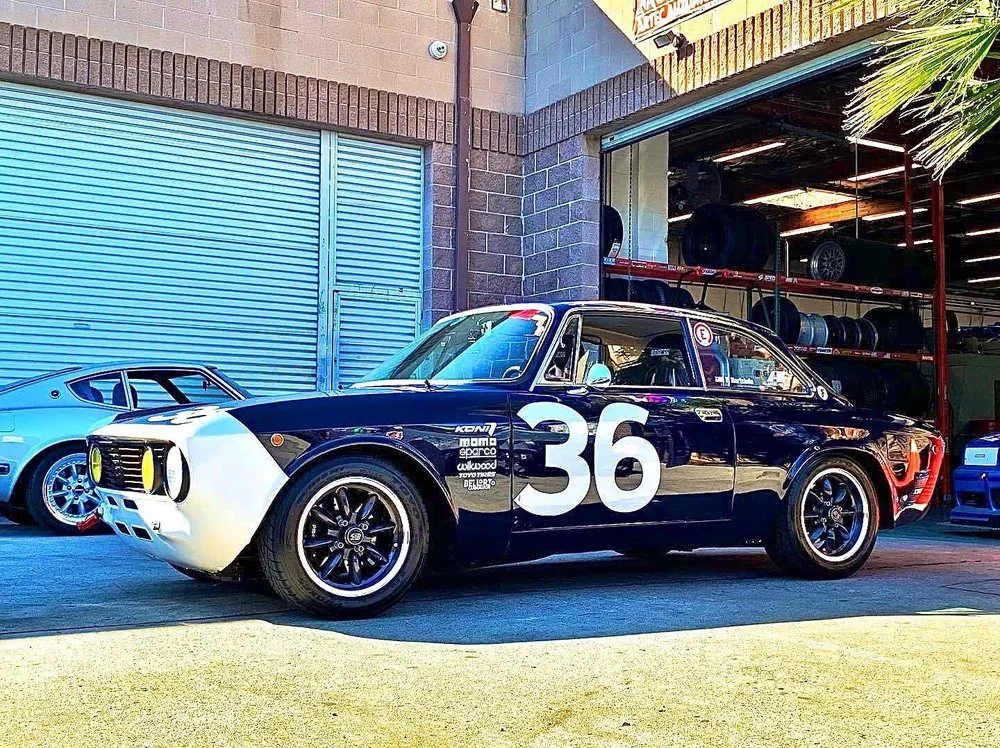
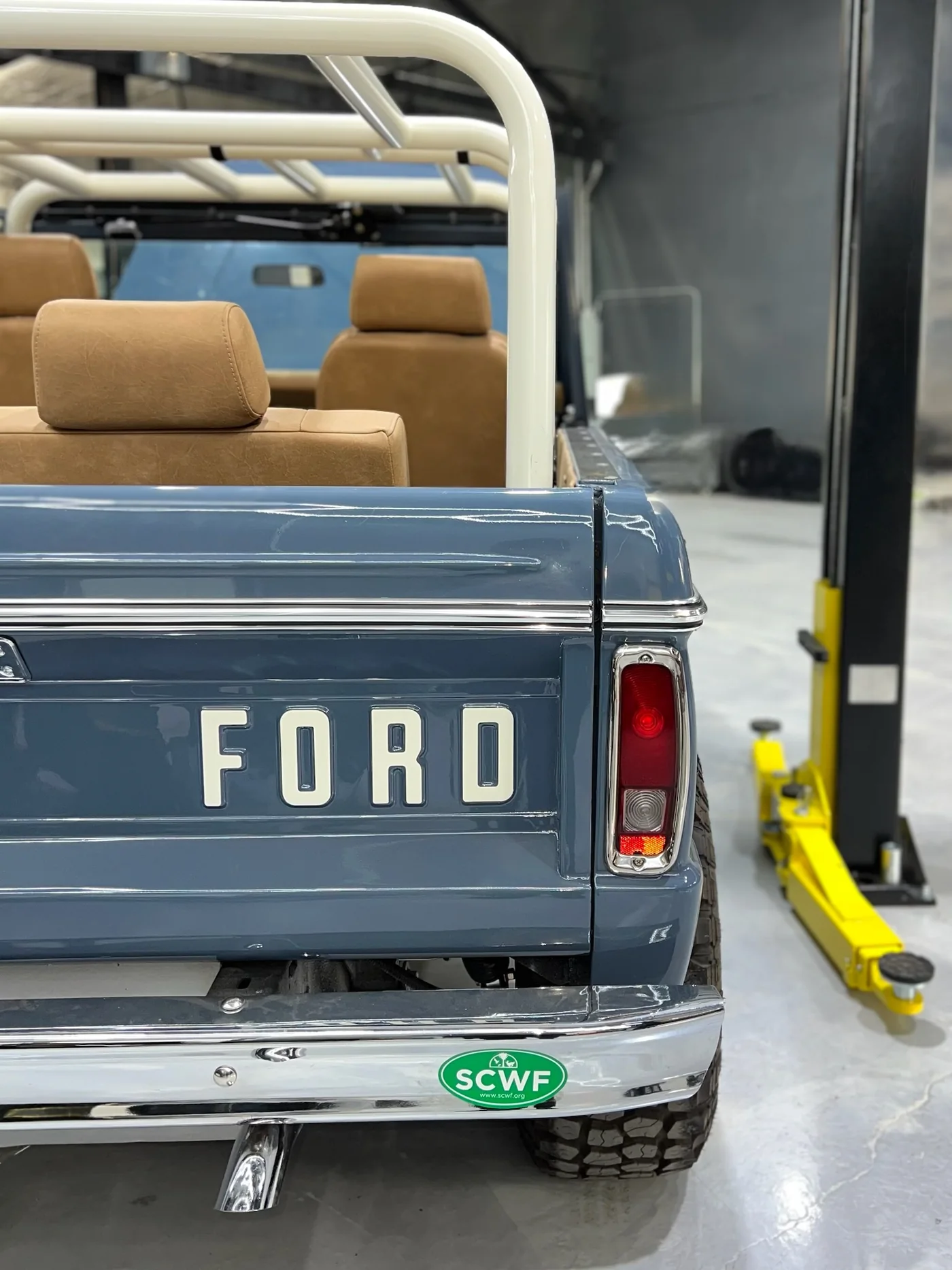
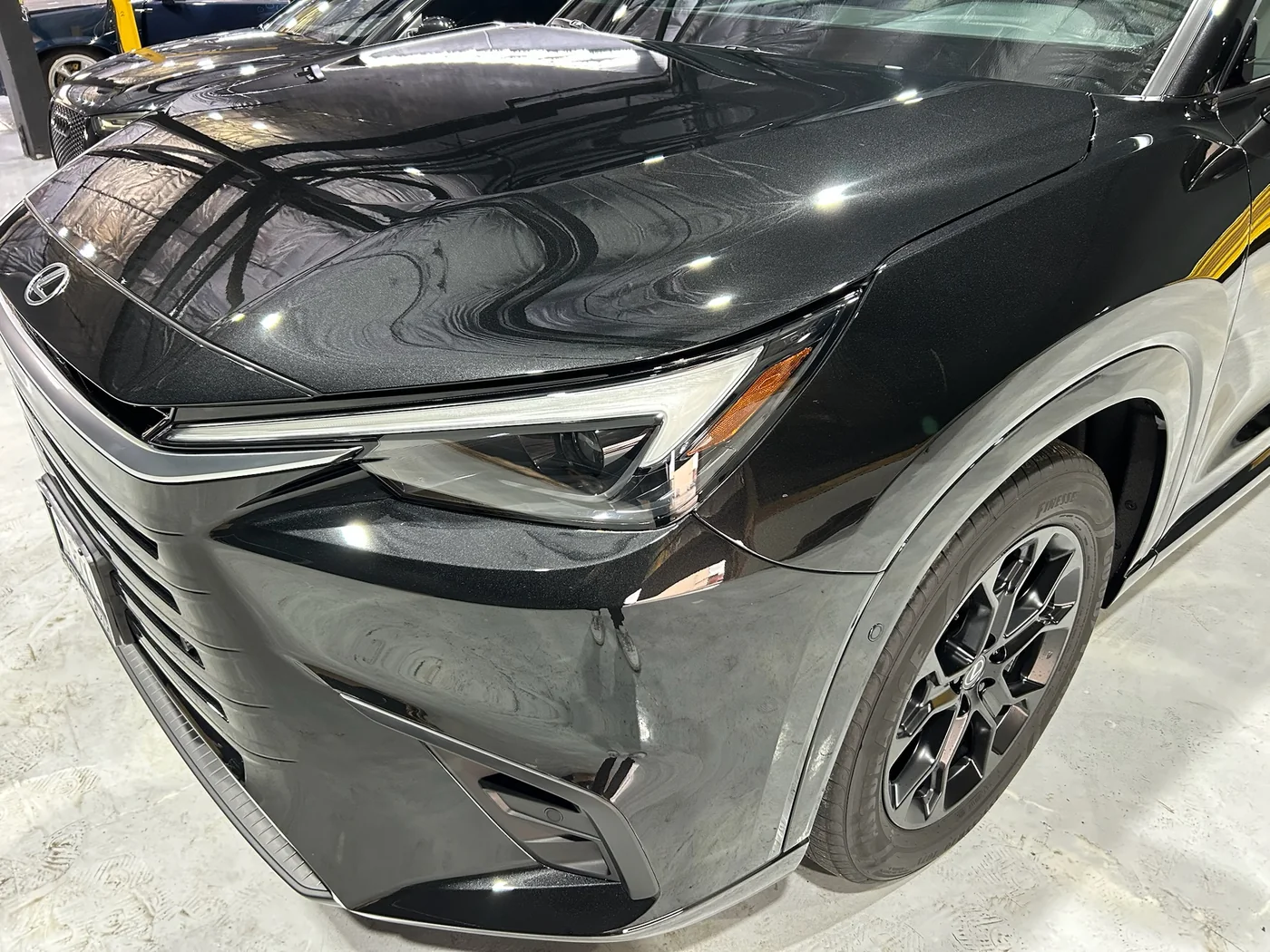
Artec Automotive is the specialist alternative to a generic detail shop for PPF work on exotic, European, and collector vehicles. Where a general shop treats replacement as one job, Artec inspects panel by panel, documents adhesion and clarity with photos, and only replaces what actually needs it.

That panel-by-panel approach matters most on high-value paint, where a careless removal can turn a film job into a paint correction bill. A specialist team experienced with exotic, classic, and European vehicles handles removal technique and adhesive cleanup with care for the substrate, not just the film. Coverage runs from an Essential partial front starting around $1,200 to $1,800, up to a full front install in the $2,200 to $3,000 range, with full-vehicle coverage quoted per car. If your film is showing edge lift, haze, or cracking, book an inspection through Artec’s paint protection film page and get a straight answer on what needs replacing now versus what can wait.
Where This Guidance Comes From
This guidance draws on 3M’s own installation and care documentation, along with published lifespan and maintenance research from GrandPrix247 and Protector Automotive. For brand-specific warranty terms, always check the documentation from your film’s manufacturer or installer.
Sources
- 3M paint protection film installation guideline
- How Long Does Paint Protection Film Last? Everything You Need to Know | GrandPrix247
- How Long Does PPF Last? Real-World Lifespan, Replacement Signs, and What Affects Durability | EuroLuxe Detailing
- How Often Should PPF Be Replaced? Expert Guidance On Film Lifespan & Maintenance | Protector Automotive
FAQ
How Does PPF Look After 5 Years?
Premium film at the 5-year mark typically still looks clear and retains most of its self-healing ability, especially if it was maintained with gentle washing. Economy film at that age has often started yellowing or lifting at the edges, since economy PPF commonly lasts only 3 to 5 years before those problems appear.
Is PPF Worth It in 2026?
Yes, for most owners who want to preserve paint condition and resale value, especially on exotic or collector vehicles where original finish matters. The upfront cost is offset by avoided paint correction, chip repair, and the ability to swap worn panels instead of repainting.
What Happens to PPF After 10 Years?
At the 10-year mark, even premium film is usually near or past its warranty window and showing some combination of yellowing, reduced self-healing, or edge wear. Most owners at that point choose panel-by-panel or full replacement rather than continuing to patch an aging film.
What Is the Downside of PPF?
The main downside is that it eventually needs replacement, and removal adds labor cost that a first-time install doesn’t carry, often running 15 to 25% higher than the original job. Poor removal by an inexperienced installer can also risk the paint underneath, which is why specialist experience matters for the swap.
How Often Should I Inspect My PPF?
A quick visual and touch check every month, or at minimum every quarter, catches edge lift and small delamination before it spreads. Catching these issues early often means a simple re-tuck instead of a full panel replacement later.