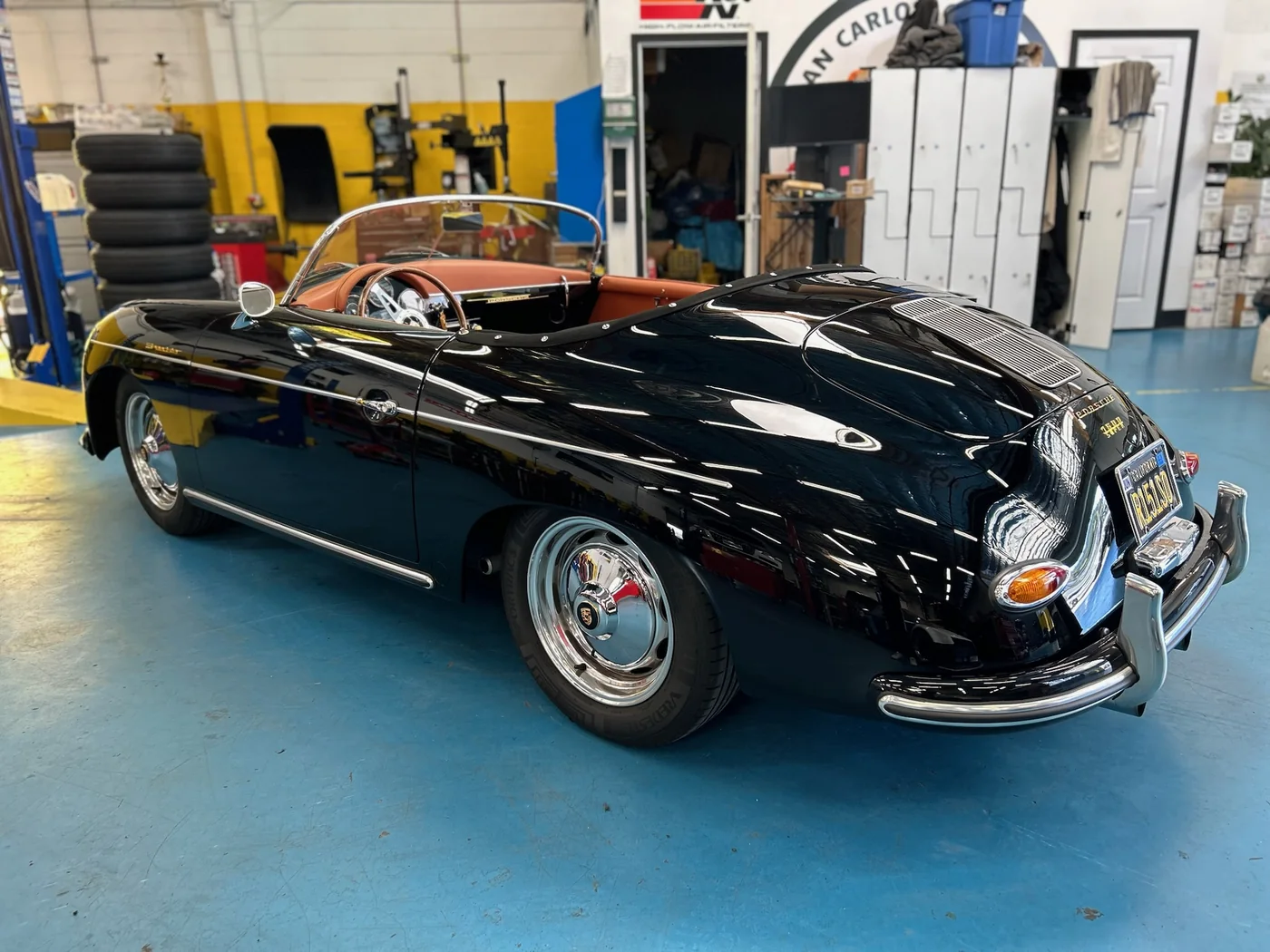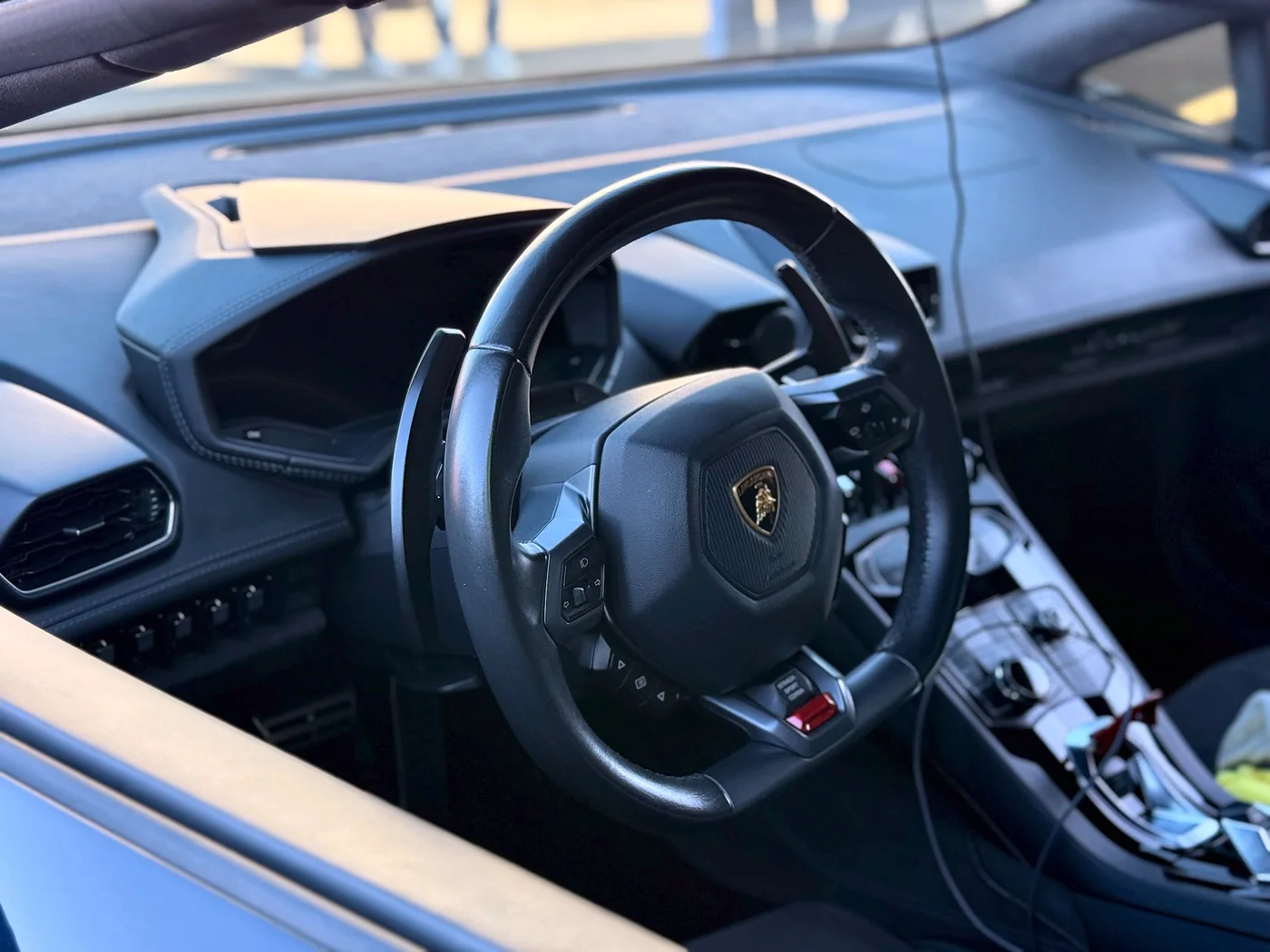

Vintage Car Interior Restoration: Process and Planning

A vintage interior restoration goes best when it starts with the floor and the structure, not the seat covers. Rust, rotted sound deadening and failing wiring sit under the surfaces you see. If they are left, they ruin new upholstery within a few years. The most reliable way to restore an interior is to treat it as part of a whole-car project, with one shop that can repair metal, wiring and trim, and that documents each stage. At Artec Automotive we have worked on classic, exotic and European cars in Belmont since 2001, and that is how we approach it.
This guide is for owners of classic, collector and luxury cars, including Bentleys, Porsches, Ferraris and Aston Martins. It covers what the work involves, the order it should happen in, what pushes cost and timeline up, and how to preserve original material where it can be saved.
TL;DR
- Restore from the floor up: metal and rust repair, sound deadening, carpet, seats, door panels and headliner, then the dashboard.
- Document the interior with photos, notes and measurements before anything comes apart. Keep original pieces where they can be saved.
- Cost is driven by hidden rust, material choice and labor hours, not by the seat covers alone. Shop labor averages around $125 an hour nationally.
- Dashboards and plastics from older eras often fail from sun and heat. Wiring behind them is the most common hidden surprise.
- On a Bentley or other British luxury car, the leather grade, hide selection and period-correct material matter as much as the stitching.
Table of Contents
- What interior restoration actually includes
- Step 1: Assess and document before you touch anything
- Step 2: Fix the floor and the metal first
- Step 3: Carpet, sound deadening and seats
- Step 4: Door panels, headliner and trim
- Step 5: The dashboard, plastics and wiring
- What a Bentley interior needs
- What drives cost
- How long it takes
- Perspective: why one shop beats a relay
- Planning your project with Artec
- FAQ
- Sources
What interior restoration actually includes
An interior restoration covers everything you touch or sit on inside the cabin: seats, carpet, door panels, headliner, dashboard, switches, gauges and trim. It also includes what you do not see: the floor pans, seat frames, springs, foam, insulation and wiring behind the dash.
Three levels of work are common, and it helps to decide which one you want before you ask for an estimate:
- Refresh. Clean, condition and dye original material that is still structurally sound, replace carpet, and repair small defects.
- Retrim. Replace upholstery, headliner and carpet with new material cut to the original pattern, while keeping the dash, switches and trim that can be saved.
- Full restoration. Strip the cabin to bare metal, repair the structure, then rebuild everything, often alongside paint and mechanical work.
Each step up multiplies the labor. The mistake we see most often in how owners plan is pricing a retrim and discovering, once the carpet is out, that the job was really a floor repair.
Step 1: Assess and document before you touch anything
Start with a methodical walk-through. Check the seats for torn upholstery, sagging cushions, broken springs and worn stitching. Then check the dashboard, switches, dials, gauges, door panels, carpet and trim. Rod Doors recommends documenting damage with photos, notes and measurements and preserving original features wherever possible.
That record matters for three reasons. It gives you a baseline for comparing estimates. It shows exactly where original stitching, pleats and patterns were, so a new interior can match them. And it protects you if the car moves between locations. If the car has to travel to the shop, a classic car transport prep checklist walks through recording the car’s condition before it is loaded.
Storage history tells you what to expect. A car that sat in a barn may have rodent damage under the seats and in the padding. A car stored in a garage in strong sun may have a cracked dash and brittle vinyl. Tell your shop where the car lived: it changes the inspection.
This is the stage where a transparent shop earns its keep. Our process includes photo records of work and written estimates, so you can see the condition of what was found behind each panel, not only the finished result.
Step 2: Fix the floor and the metal first
Rust hides under carpet, behind panels and beneath seat frames. Rod Doors describes the standard fix: remove the rusted sections with wire brushes, grinders or sandblasters, apply rust inhibitor, weld in new metal and reinforce weak spots, all before any upholstery or trim work begins.

This is why the order matters. Carpet glued over a floor with active corrosion traps moisture against the metal, and the repair that follows costs more than doing it correctly the first time. Advance Auto Parts’ classic-car guide also recommends beginning with the floor, then carpet, then upholstery, door panels and headliner, and finally the dashboard.
Floor pans, toe boards and seat mounting points are fabrication work. We offer auto fabrication in-house, and our explainer on what auto body fabrication is and when you need it shows how that process works. Having metalwork and interior work under one roof means the floor is repaired and inspected before the cabin is closed back up, and nobody has to coordinate between shops.

Step 3: Carpet, sound deadening and seats
Once the metal is sound, the floor gets its insulation and sound deadening, and then carpet. Carpet sets the base for how the rest of the cabin fits, so it goes in before seats and trim.
Seats are where most of the visible cost sits, and they deserve a closer look than the covers alone:
- Frames and springs. A sagging seat usually means failed springs or webbing, not just worn foam. New covers over a broken frame wear out quickly.
- Foam and padding. Old foam breaks down and compresses. Replacing it restores the original shape and lets new covers fit tight.
- Covers. You can reupholster in new fabric, leather or vinyl for full control, dye surfaces that are still sound, or use replacement kits for heavily worn seats. Whichever you choose, the original stitching style, pleats and thread should be replicated to keep the interior authentic.
Stitching and vinyl age even when a car looks well kept. Material that is 30 to 50 years old can be dry and stiff, and seams often start to separate after a few uses. A seat that looks acceptable in photographs can fail the first time you sit in it, so evaluate flex and seam strength in person.
Step 4: Door panels, headliner and trim
Door panels and seats are often better preserved than other parts of the interior, according to Advance Auto Parts’ guidance, which makes them good candidates for repair rather than replacement. Panels can be re-covered, and trim pieces can often be cleaned and polished.
Headliners come in bow-type and board-type designs, and the headliner generally goes in before the glass and seats. This is one more reason a sequence plan on paper before disassembly saves time. Reinstalling glass after a headliner is installed is a simple task. Removing a windshield to fix a headliner you installed too early is not.
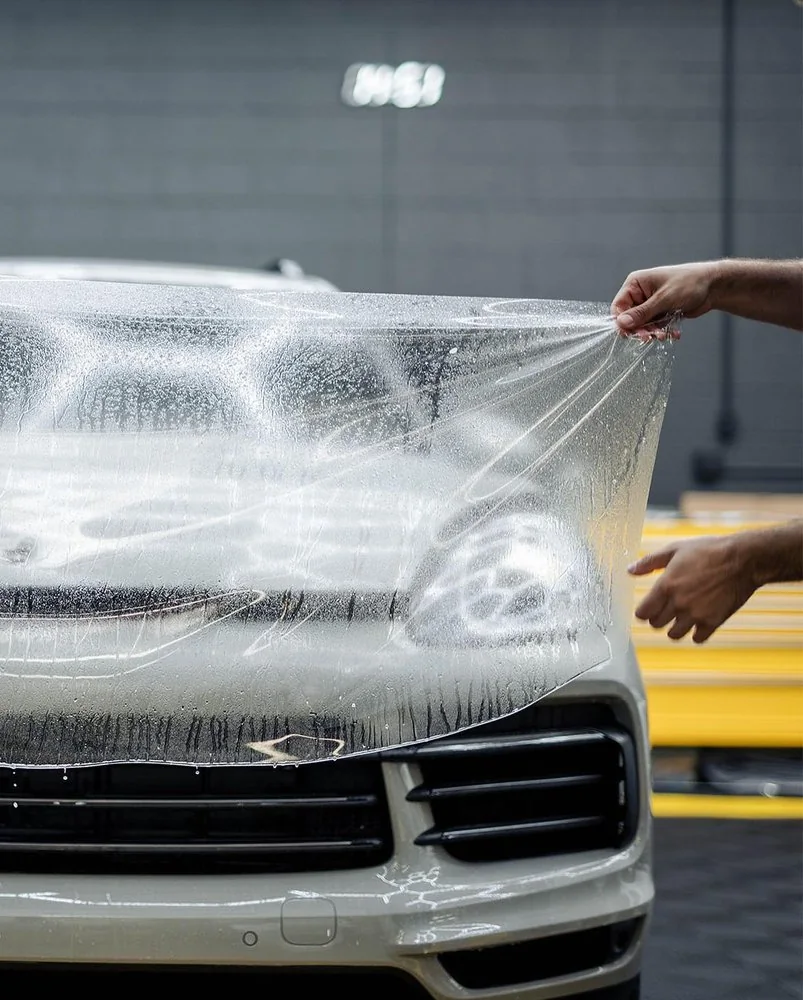
Windshield and glass work often overlaps with interior timing. If you plan to add windshield protection film while the car is with us, it is easiest to schedule it with the glass reinstall.
Step 5: The dashboard, plastics and wiring
The dash is the highest-risk part of a vintage interior. Older plastics suffered what Advance Auto Parts calls plastic rot: fading, cracking and brittleness from sun and heat. In many cars of that era, dashboards and under-dash wiring are often beyond salvage, while seats and door panels are usually better preserved.
Your options for a cracked dash depend on the car:
- Original, restored. Preferred for collector cars where originality drives value.
- Reproduction pad. Available for many popular models, and a clean solution when the original is beyond repair.
- Dash cap. A cover over the existing dash, useful on drivers where value is not tied to originality.
For surfaces that are sound but faded, cleaning, conditioning, automotive dyes and chrome polishing can bring back a lot before you consider replacement. Do the wiring while the dash is out. Gauges, switches and harnesses behind it are often the next failure, and access is only this easy once.
What a Bentley interior needs
Bentley owners ask about interior restoration more than most, and the material is the reason. Bentley says its hides come from cattle raised at high altitude in Northern Europe, with fewer insect-bite blemishes, and that its tanning is meant to keep the natural aroma of classic Bentley interiors. It also reserves the most elastic sections of hide for curved areas such as seats. The same page notes that cloth interiors were common on Bentleys in the 1920s and 30s.
What this means for a restoration:
- Match the era. A 1930s car may have been trimmed in cloth, and a later car in leather. The correct material is what the car left the factory with, so start with the chassis records and photos.
- Match the grade. Thin or heavily corrected hide wears and looks different from the original. Ask what hide is being used and where on the seat each section will go.
- Preserve what survives. Original leather with patina on a pre-war or significant car is often worth conserving rather than replacing.
- Don’t forget the wood and switchgear. Veneer, instruments and switches are part of the interior’s value and need the same documentation.
Our European car service and classic car repair work includes cars from Bentley and other British and Continental marques, so the mechanical and electrical side of the cabin is familiar ground.
What drives cost
Anyone quoting a single number for “a vintage interior” is guessing. The real drivers are:
- Condition under the surface. Corroded metal, rust repair and damaged dash wiring add hours and parts before any trim is installed.
- Material. Premium leather and factory-pattern reproduction fabrics cost more than basic vinyl.
- Level of originality. Matching original stitching, grain and hardware takes more hours than a modern interpretation.
- Components. Gauges, switches and a dash that need restoration rather than replacement add specialist labor.
- Car type. A coachbuilt or complex luxury car has more panels, more veneer and more hand-fit pieces than a simple coupe.
Labor is the largest lever. Eastwood’s January 2024 estimate puts shop labor at about $125 an hour nationally, with some shops at $85 and at least one above $225. On whole-car restorations the same article cites a mild refresh at 800 to 1,000 hours, and 3,000 hours is not unusual for some full restorations. The interior is a share of that, but it shows why hidden problems matter so much: every unplanned hour is billed at the shop rate.
Bay Area rates run above many regions, so a national average is a starting point, not a quote. Ask any shop for an itemized estimate: structure, carpet, seats, panels, headliner, dash and wiring each on its own line. We write ours that way so you can see where your money goes and decide what to keep original.

How long it takes
A clean retrim with sound metal is a matter of weeks. A restoration with rust repair, wiring and a dash rebuild is a matter of months, and a full car restoration is longer still. The variable is almost always what is found when panels come off, and parts availability for rare cars. Be wary of any promise to turn a project around in a fixed short window before the car has been opened up.
What shortens a project is preparation: clear photos, a decided specification, material chosen in advance, and one shop handling metal, trim and electrical together.
Perspective: why one shop beats a relay
Most interior jobs go wrong in the handoffs. The body shop closes the floor, the trim shop discovers a rust seam, the electrician finds a dash harness nobody planned for, and each party blames the previous one.
We prefer to take the car as a whole. Everything is handled under one roof by certified technicians who know European, exotic and collector cars, and we keep photo records of the work so you can see what was found and what was done. Estimates are transparent and our recommendations are honest, including when we say a part is worth keeping original.
If your car is a Bentley, a Porsche or a Ferrari, the interior is part of how it drives, sounds and holds its value. Treat it with the same planning as the engine.
Artec
Planning your project with Artec
If your interior needs more than a refresh, we suggest bringing the car in for an assessment so the scope is clear before you commit. Our full restoration service covers the whole car, and our classic car repair work handles the mechanical and electrical needs that tend to show up while the cabin is open. You can see examples on our gallery page.

If the car will sit while you decide on materials or wait for parts, our climate-controlled car storage in Belmont keeps it indoors, away from the sun that hardens vinyl and cracks dashboards. To discuss your car, start at artecautomotive.com.
FAQ
What is the right order for restoring a vintage car interior?
Work from the floor up. Repair rust and metal first, then sound deadening and carpet, then seats, door panels and headliner, with the dashboard last. Glass usually goes in after the headliner, and seats go in near the end so they are not damaged during the rest of the work.
Can I save the original interior instead of replacing it?
Often, yes. Original vinyl, plastics and carpet can frequently be saved with cleaning, conditioning, dyes and polishing, and original stitching and patterns can be replicated when covers must be replaced. Dashboards and wiring are the most likely to be beyond saving after decades of sun and heat.
Does a Bentley interior need special treatment?
Yes, mainly in the materials. Bentley hides are selected for grain and elasticity, curved areas use the most elastic sections, and early cars often had cloth interiors. A restoration should match what the car had when it was built, and original leather with patina can be worth preserving.
How much does vintage interior restoration cost?
It depends on rust repair, material, originality and labor hours. Shop labor averages around $125 an hour nationally according to Eastwood, and hidden damage adds hours. An itemized estimate after inspection is the reliable way to get a figure for your car.
Sources
- Classic Car Interior Restoration Guide, Rod Doors
- Challenges in Vintage Car Interior Restoration, Rod Doors
- How to Restore a Classic Car’s Interior, Advance Auto Parts
- Extraordinary Materials, Bentley Motors
- The True Cost of a Professional Restoration, Eastwood
- Classic Car Transport Prep: A Step-by-Step Checklist