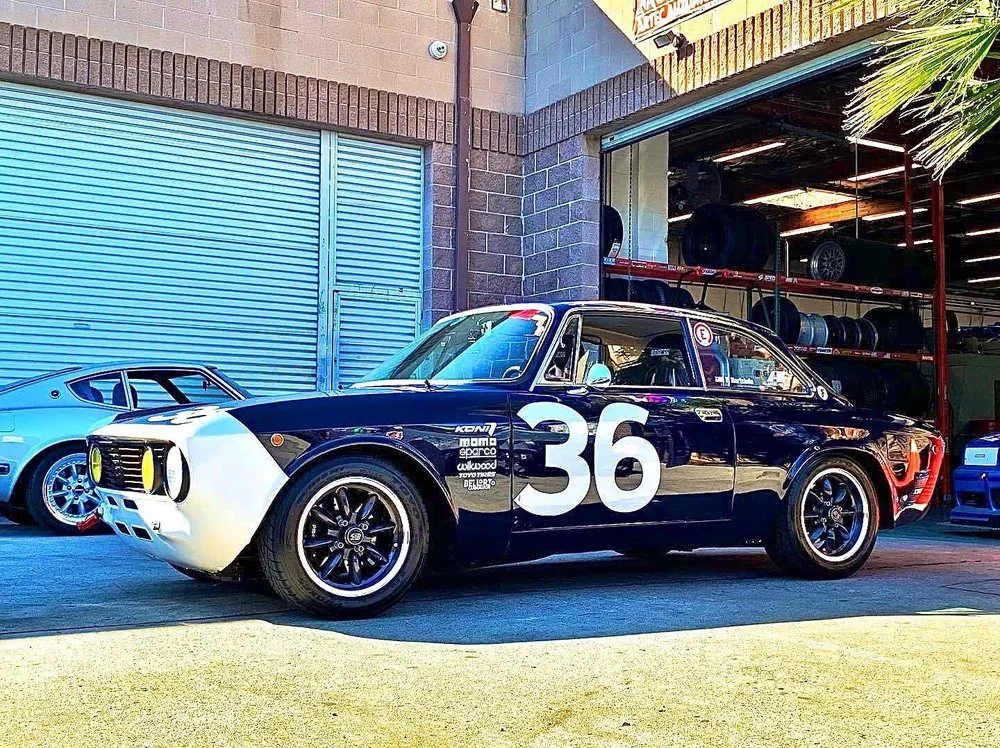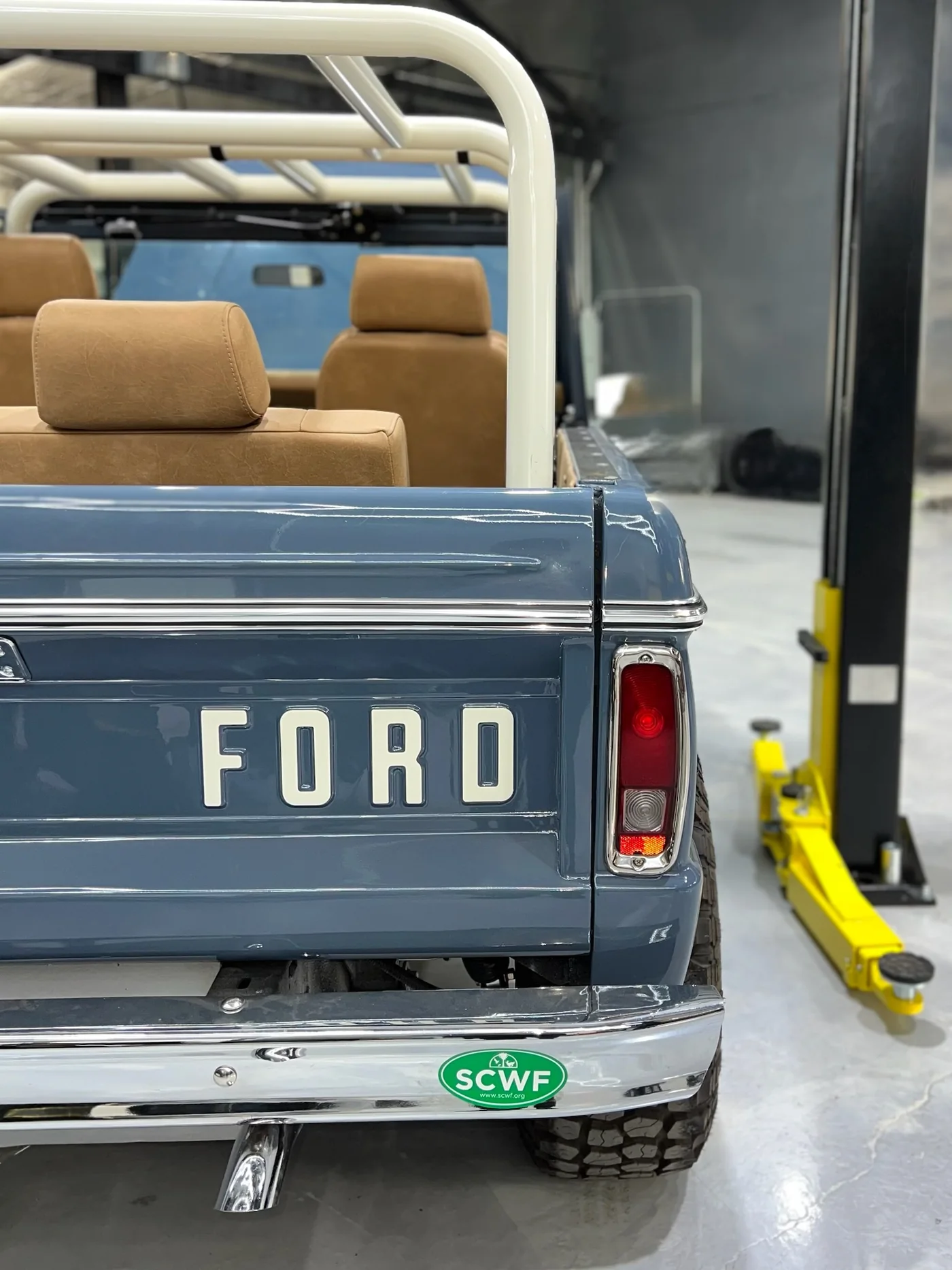

A well-engineered performance build should feel intentional from the first throttle input. Vehicle performance tuning is not simply about chasing a larger dyno number. For premium European, exotic, and enthusiast vehicles, the objective is to create a more responsive, capable machine while preserving the refinement, reliability, and confidence that made the vehicle worth owning in the first place.
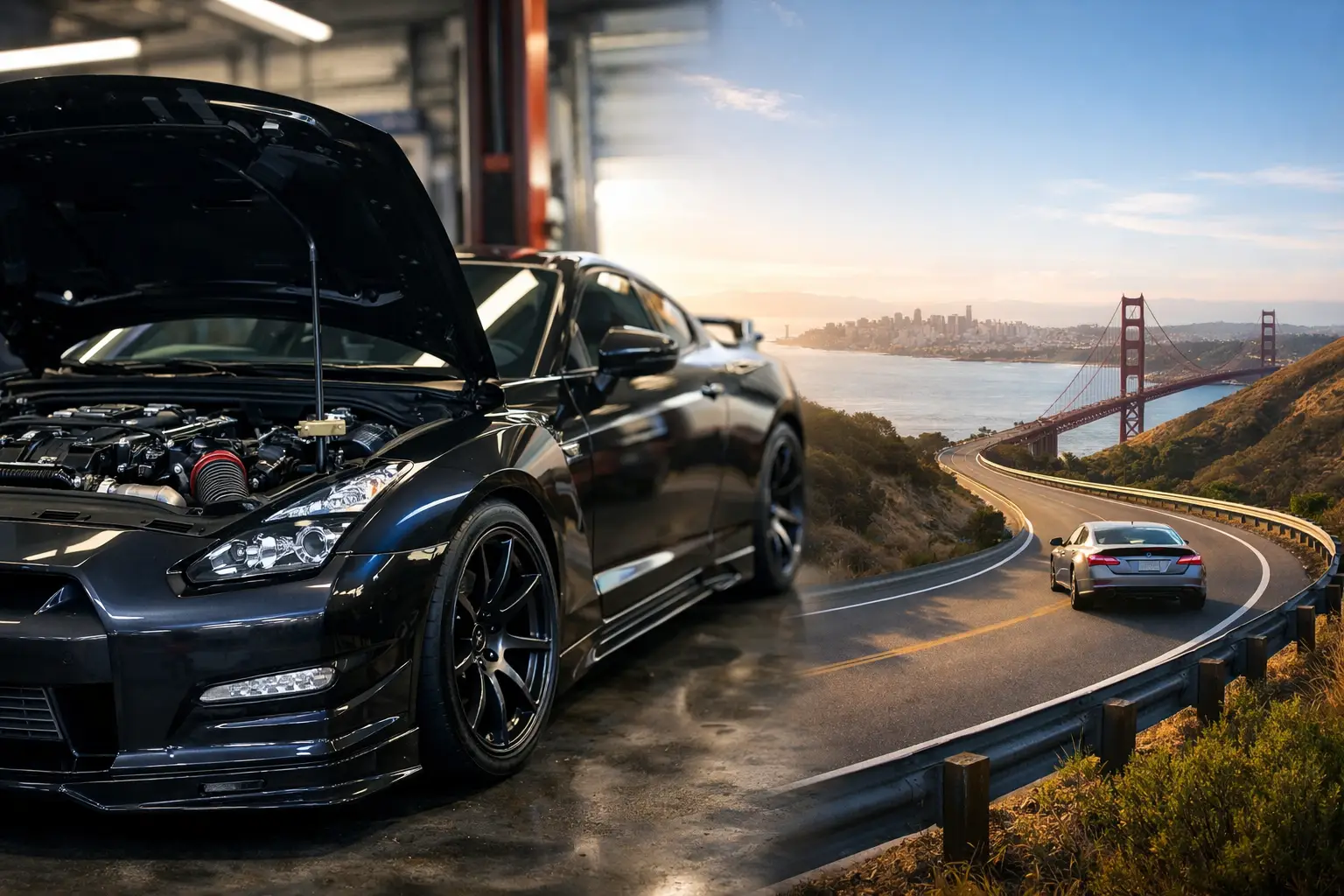
Bay Area driving makes that balance especially relevant. A car may spend one morning in stop-and-go traffic on 101, run through canyon roads above Woodside in the afternoon, and travel long distances the next weekend. The right tuning strategy needs to improve the experience across those conditions, not just perform well during a single full-throttle pull.
Vehicle Performance Tuning Starts With a Plan
The most successful builds begin with a conversation about how the vehicle is actually used. A daily-driven BMW M car, a weekend Porsche, a supercharged American V8, and a collector-grade Ferrari each require a different approach. Power goals matter, but so do drivability, heat management, fuel quality, traction, maintenance expectations, emissions requirements, and the owner's tolerance for added noise or firmness.
This is where a tailored plan separates thoughtful tuning from a collection of parts. An ECU calibration may deliver meaningful gains on a turbocharged platform, but it should be evaluated alongside the condition of the ignition system, cooling capacity, intake temperatures, and transmission behavior. Adding power to a car with overdue maintenance or unresolved fault codes is rarely a smart first move.
For naturally aspirated vehicles, gains can be more gradual, and the value may come from sharper throttle response, revised exhaust character, reduced weight, or improved chassis control rather than headline horsepower. In either case, a specialist should identify the vehicle's strongest path forward before recommending hardware.
The Parts of Performance That Owners Feel Most
Horsepower earns attention, but it is only one measure of a vehicle's character. In real driving, the most satisfying upgrades often improve the relationship between the driver, the road, and the vehicle's controls.
ECU and Engine Calibration
Modern engine management calibrations can refine boost targets, ignition timing, throttle mapping, torque limits, and other parameters that shape how a vehicle delivers power. On many turbocharged European platforms, a properly developed calibration can provide substantial increases in torque and midrange acceleration without changing the engine's physical architecture.
The trade-off is that additional output creates additional demand. More boost generates more heat, and more torque can test transmission components, clutch packs, tires, and engine mounts. Calibration quality matters as much as peak output. A conservative, vehicle-appropriate tune that delivers consistent performance in real ambient temperatures is often more valuable than an aggressive file designed around ideal conditions.
Fuel quality is another factor. California's available pump fuel and a vehicle's intended use should guide the calibration choice. Owners should also understand how a modification may affect factory warranty coverage, emissions compliance, and future service requirements before moving forward.
Intake, Exhaust, and Cooling Upgrades
Intake and exhaust modifications can improve airflow, reduce restriction, and bring more of the engine's character into the cabin. The best systems do this without introducing unwanted drone, fitment problems, warning lights, or an artificial sound that overwhelms the vehicle's original personality.
Cooling upgrades are frequently less visible but can be among the most important investments in a tuned vehicle. Larger intercoolers, upgraded heat exchangers, improved radiators, and carefully selected plumbing help manage temperatures during repeated acceleration, warm weather, and demanding road use. Heat control protects consistency. A car that delivers the same confident response on its third pull as it did on its first is a better-performing car.
Exhaust selection also deserves restraint. Some owners want a deeper, more expressive note; others want to preserve a quiet cabin during a commute. Valved exhaust systems can offer flexibility, but their integration, reliability, and fitment should be treated with the same care as any mechanical upgrade.
Suspension, Braking, and Chassis Balance
A vehicle with more power but insufficient control can become less rewarding to drive. Suspension tuning, alignment, wheel and tire selection, brake upgrades, and chassis reinforcement often create the largest improvement in usable performance.
The right suspension setup is not automatically the lowest or stiffest setup. Excessive spring rates or poor damper calibration can make a premium vehicle nervous on uneven pavement, reduce tire contact, and compromise ride quality. A refined street-focused build may benefit more from quality dampers, sensible ride height, fresh bushings, and a performance alignment than from an extreme track specification.
Brakes deserve equal attention. Additional power increases the speed a vehicle can reach, which makes repeatable, predictable stopping performance essential. Depending on the platform and intended use, the answer may be high-quality pads and fluid, upgraded rotors, brake cooling, stainless lines, or a complete big-brake system. The goal is a firm pedal, stable braking, and components that remain composed when driven with intent.
Why Installation Quality Defines the Result
Premium vehicles are complex systems. Many use tightly packaged engine bays, adaptive suspension, active exhaust components, sensitive electronic modules, and manufacturer-specific diagnostic procedures. A performance part is only as good as its installation, configuration, and final validation.
Correct fitment protects more than appearances. It prevents leaks, rattles, heat-related damage, interference with moving components, and the small compromises that diminish a high-end build over time. In-house fabrication becomes particularly valuable when an off-the-shelf solution does not meet the vehicle's needs. A properly designed bracket, heat shield, intake component, or custom exhaust section should look purposeful and function reliably, not feel like an afterthought.
Diagnostics are equally central. Before and after modifications, a technician should be able to assess fault codes, monitor relevant data, verify fluid condition, and inspect the systems supporting the new performance level. This process helps distinguish a tuning issue from an existing mechanical concern and gives the owner a clearer picture of the vehicle's health.
Performance and Preservation Belong Together
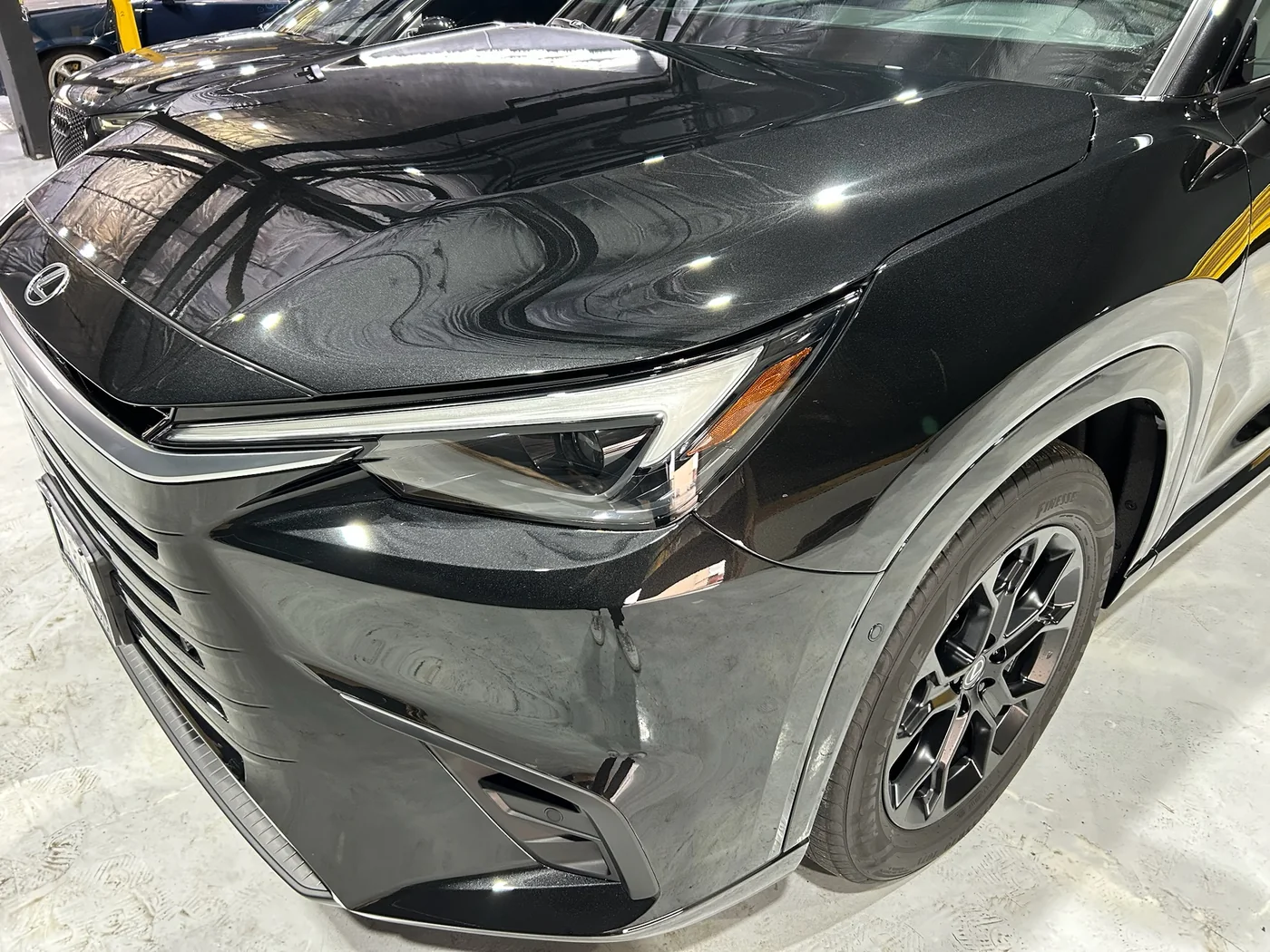
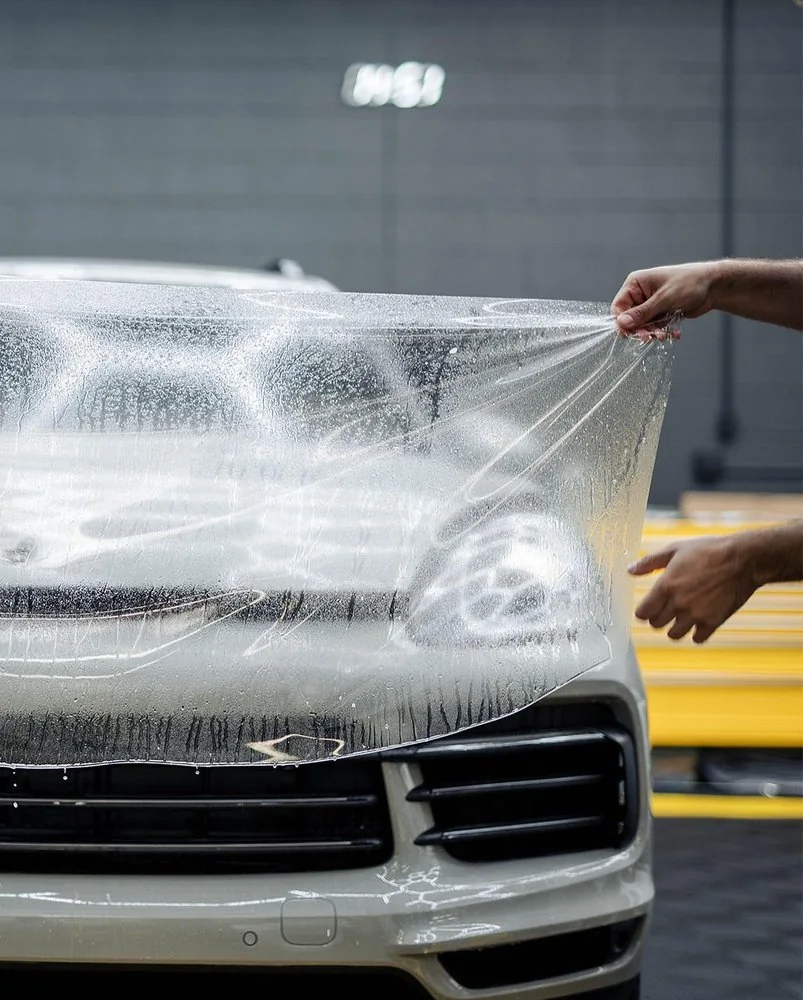
Owners of high-value vehicles often treat performance, appearance, and preservation as separate projects. In practice, they are closely connected. A lowered car may need thoughtful protection for vulnerable front-end surfaces. Wider wheels and stickier tires can increase exposure to road debris. A more powerful vehicle may see more spirited driving, which raises the importance of windshield clarity, paint protection film, ceramic coating, and meticulous detailing.
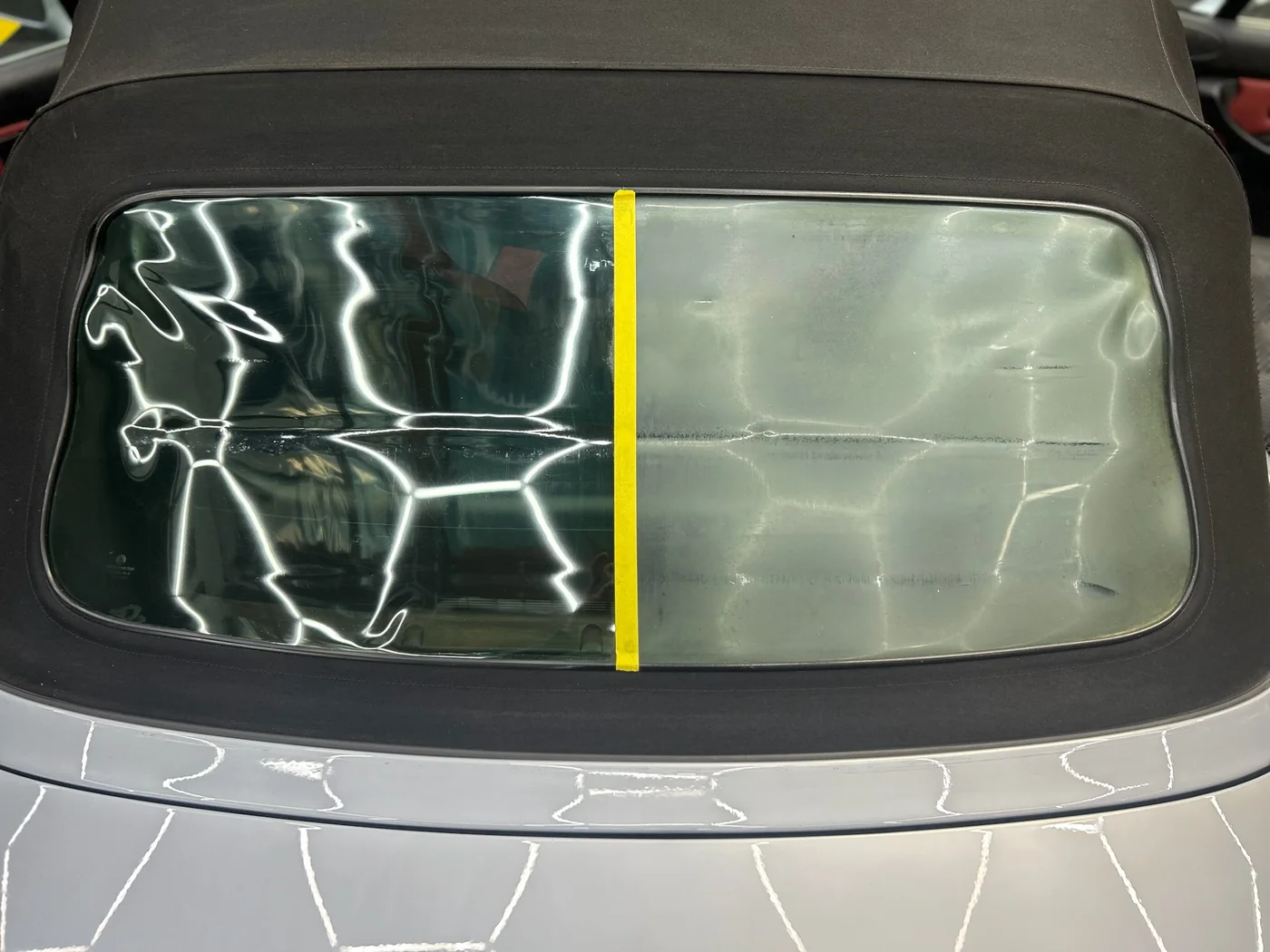
Protection does not change the way an engine performs, but it changes the ownership experience. Paint protection film helps defend high-impact areas from rock chips and road rash. Windshield protection can help preserve a critical piece of visibility and safety. Coatings simplify cleaning and help maintain the finish that complements a carefully built vehicle. These services are especially practical in Northern California, where highway miles, construction debris, UV exposure, and varied microclimates all leave their mark.
At Artec Automotive, this integrated perspective allows a performance project to be considered as part of the vehicle's complete long-term care. The same attention applied to mechanical work can extend to finish protection, appearance, fabrication, and specialized service, creating a result that looks as considered as it drives.
Choosing the Right Path for Your Vehicle
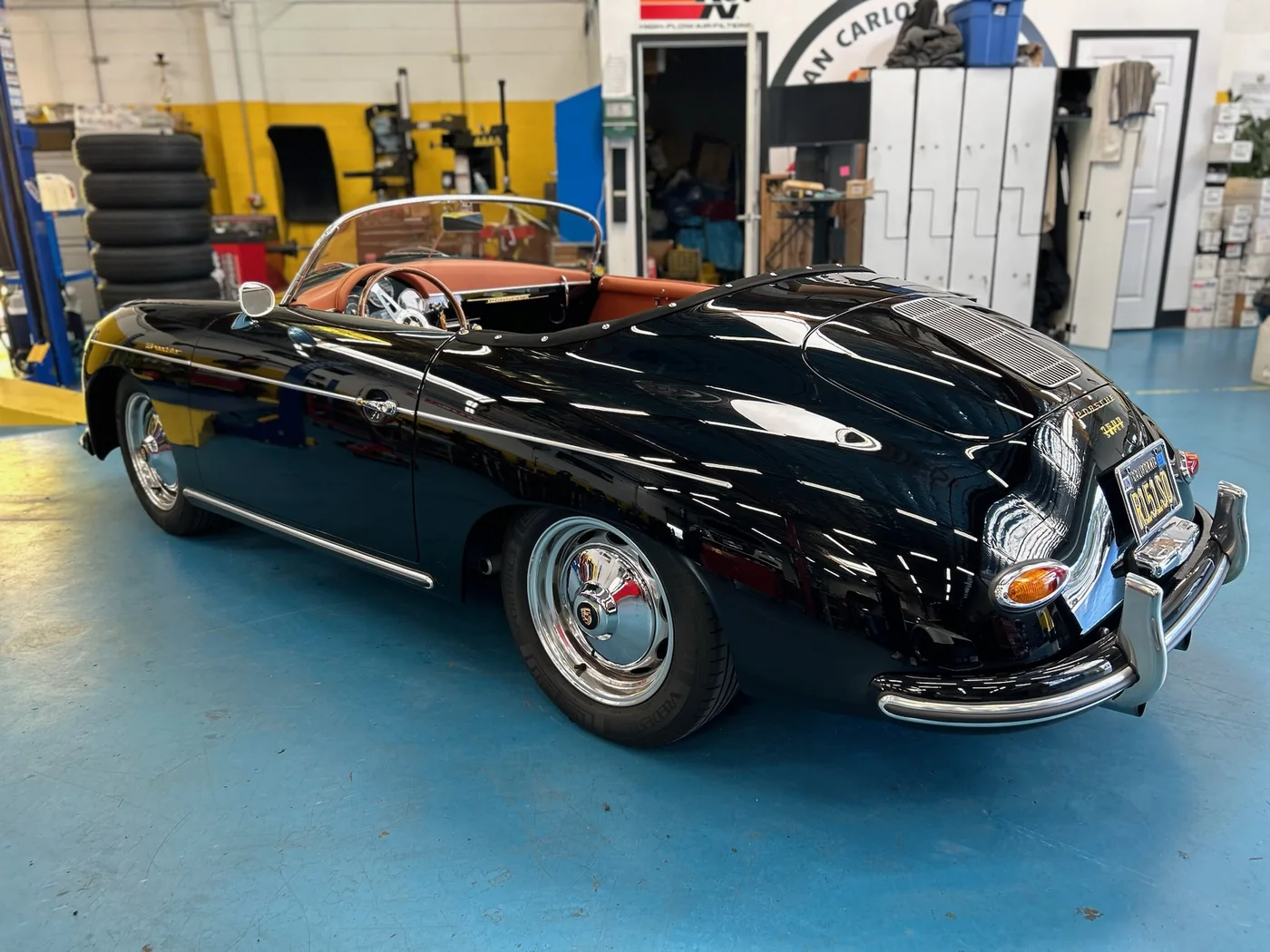
There is no universal upgrade sequence. A newer, stock turbocharged car with a clear service record may be ready for a conservative calibration and supporting cooling upgrades. A higher-mileage performance vehicle may benefit more from preventative maintenance, suspension refresh work, brakes, and tire selection before additional power is introduced. A collector car may call for reversible modifications that preserve originality and future value.
Owners should be cautious of packages that promise identical results for every vehicle. Manufacturing variations, prior maintenance, driving conditions, and the condition of supporting systems all influence the outcome. The best recommendation is specific: it explains what will change, what supporting work is advisable, what compromises may exist, and how the vehicle should be maintained afterward.
A performance build earns its value when it makes every drive feel more precise, more engaging, and more distinctly yours. Choose upgrades that respect the engineering beneath them, and the vehicle will reward you long after the first acceleration run.