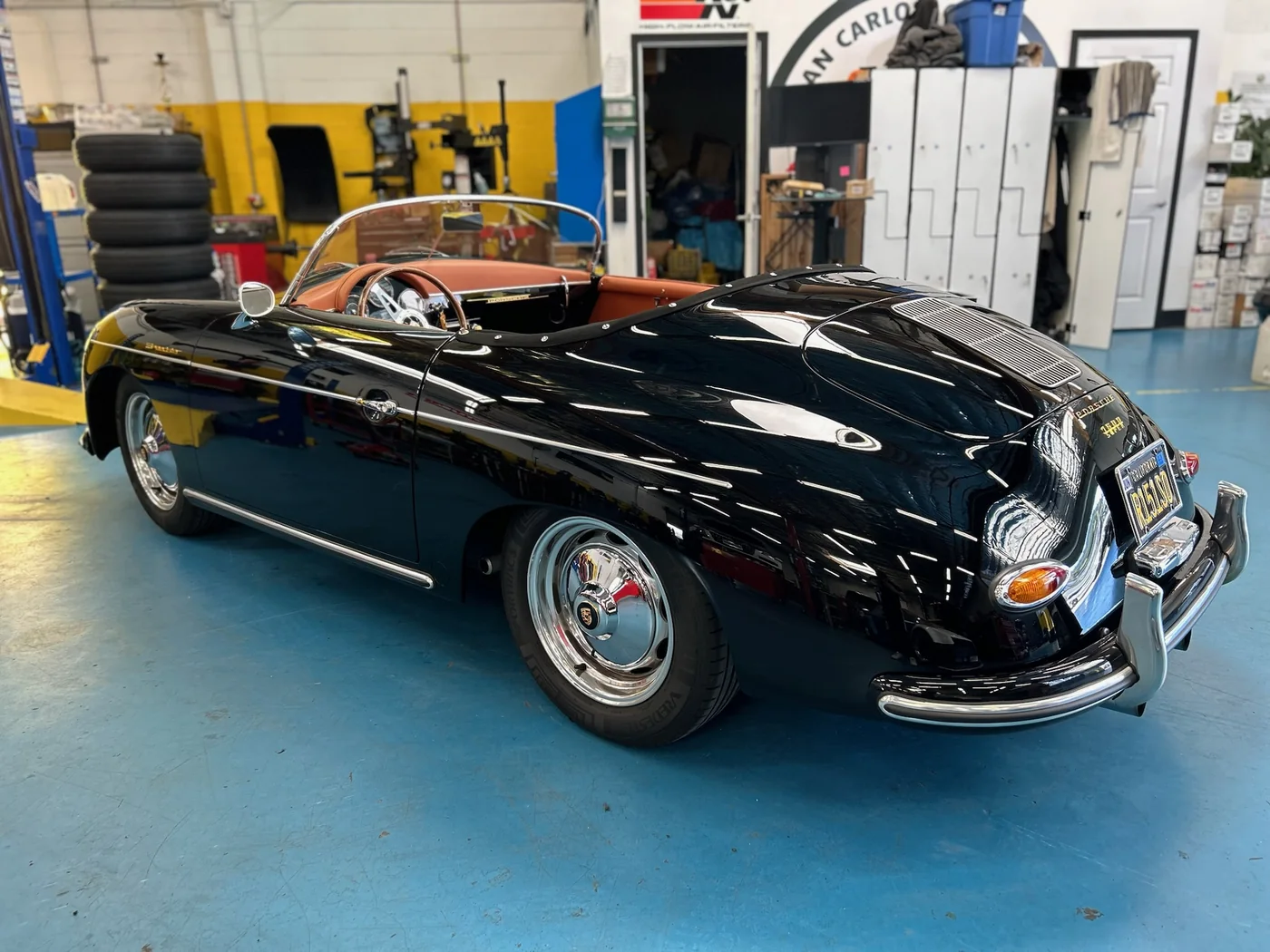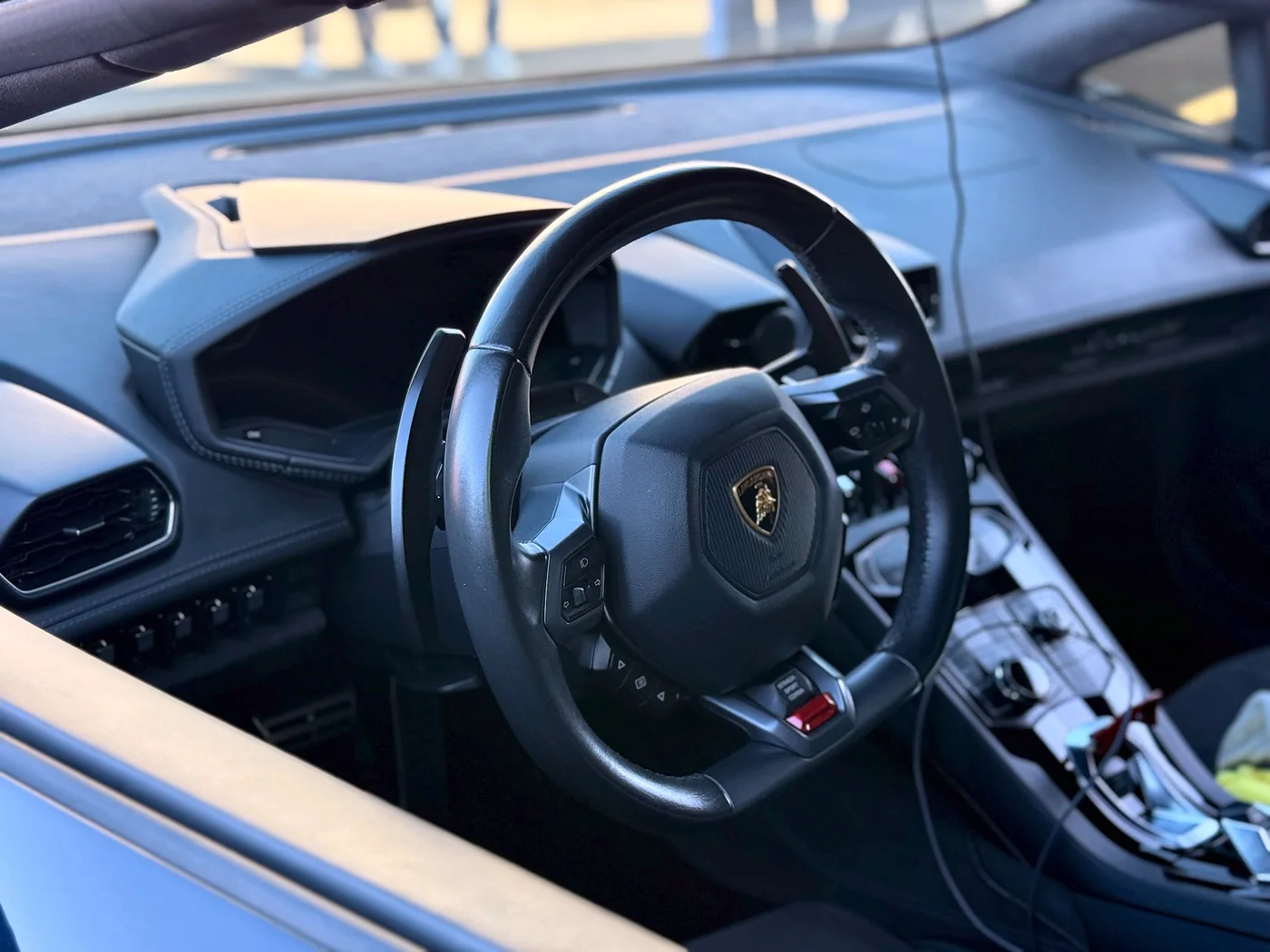



A vehicle can have premium tires, capable coilovers, and a meticulous alignment yet still feel unsettled at the limit. The reason is often weight distribution. This vehicle corner balancing guide explains how placing the correct load on each tire transforms steering consistency, braking confidence, and the way a performance car communicates through the chassis.
For road cars and track-focused builds alike, corner balancing is not a cosmetic adjustment to ride height. It is a measured suspension setup process that ensures the chassis is carrying its weight as evenly and intentionally as possible. On a Porsche, BMW M car, Mercedes-AMG, Audi RS model, or a purpose-built exotic, that precision is what lets the suspension work as the engineers and your upgrades intended.
What Corner Balancing Actually Measures
Corner balancing, also called scaling or weight balancing, measures the amount of weight supported by each tire while the vehicle sits at rest on a level surface. The car is placed on four individual scales, one at each wheel, and the technician records the loads at the left front, right front, left rear, and right rear.
The critical figure is crossweight. It is calculated by adding the left-front and right-rear weights, then comparing that total with the vehicle’s overall weight. The opposite diagonal, right front plus left rear, will make up the remaining percentage.
On a car intended for balanced road-course handling, the objective is usually to bring crossweight as close as practical to 50 percent with the driver in the seat and the vehicle in realistic operating condition. That does not mean every individual corner will carry the same load. Most cars have asymmetrical packaging, fuel tanks, batteries, exhaust routing, and driver position. The goal is balanced diagonal loading, not four identical scale readings.
A properly balanced chassis is less likely to behave differently in left and right turns. It will generally brake with greater stability, place power down more predictably, and provide a more consistent steering response as lateral load builds.
Why Crossweight Matters on Performance Vehicles
When crossweight is significantly off, a car can feel excellent in one direction and nervous in the other. During aggressive braking, it may pull or become unsettled as weight transfers forward. In a corner, one diagonal pair of tires can become overloaded sooner than the other, reducing usable grip and making the car feel as though it has a preferred direction.
This matters most when the car is driven near its limits, but it is not exclusive to track use. A high-performance street car on Bay Area back roads can reveal a poor balance through inconsistent turn-in, a steering wheel that requires small corrections, or a chassis that feels busy over uneven pavement.
Corner balancing also protects the value of other setup work. Adjustable dampers, track alignment settings, performance tires, and upgraded brakes all work within the physics of tire contact load. If one corner is carrying an unintended share of the vehicle’s static weight, the rest of the setup is being asked to compensate.
When a Vehicle Needs Corner Balancing
Corner balancing is most valuable after any change that affects ride height, spring preload, or corner weight. Coilover installation is the obvious example, but it is not the only one. Lowering springs with adjustable spring perches, adjustable control arms, corner-specific fabrication, major weight reduction, aero hardware, and changes to battery location can all justify a scale session.
It is also worthwhile after replacing worn suspension components on a performance car that has developed an uneven stance or unpredictable handling. A bent component, damaged bushing, sagging spring, or incorrectly assembled coilover can make proper balance impossible until the underlying issue is repaired.
Not every stock luxury car requires corner balancing. If the factory ride height is fixed, the suspension is healthy, and the vehicle is used primarily for normal commuting, a precise alignment and inspection may provide more meaningful results. The process has the greatest return when the vehicle has adjustable suspension and an owner who values handling precision.
Vehicle Corner Balancing Guide: The Proper Setup Sequence
A correct scaling session begins long before the scales are turned on. The vehicle must be mechanically sound, with no worn ball joints, leaking dampers, loose control-arm hardware, or damaged wheels that could compromise the results. Tire pressures should be set evenly, and tire condition should be evaluated because a significantly mismatched tire can alter ride height and grip.
The car is then prepared in its real operating configuration. Fuel level matters, particularly in vehicles with large tanks positioned away from the centerline. Track cars are often scaled at a defined fuel level that matches their intended session starting point. The driver, or an accurately weighted equivalent, should be in the seat. Helmets, race gear, and any regularly carried equipment may also be included when they meaningfully affect total load.
Level Scales and a Settled Suspension
The scales must sit on a truly level platform. A small change in floor elevation can distort readings enough to send adjustments in the wrong direction. Once the car is on the pads, the suspension is settled by rolling or gently rocking the vehicle, then allowing it to rest naturally before recording the numbers.
Ride heights are measured at consistent chassis reference points. Measuring from the fender opening alone can be misleading because body panels are not always symmetrical, particularly on older, repaired, or heavily modified vehicles. Factory-approved points or carefully selected suspension references produce more dependable measurements.
Adjusting the Diagonals
On coilover-equipped cars, corner weights are generally adjusted through the spring perches. Raising one corner increases the load carried at that corner and its diagonally opposite corner, while lowering it reduces the load on that diagonal. The exact response depends on suspension geometry, motion ratios, chassis stiffness, and available adjustment range.
This is why corner balancing is a methodical process rather than a series of random turns on the collars. Each adjustment can influence ride height, individual corner load, and crossweight. The technician makes measured changes, settles the suspension again, reviews the readings, and repeats as needed.
Trying to chase a perfect 50.00 percent crossweight can be counterproductive if it creates an undesirable ride height, inadequate bump travel, or excessive spring preload. A quality setup finds the best practical balance among crossweight, vehicle rake, suspension travel, alignment range, and the owner’s intended use.
Alignment Comes After the Balance
Corner balancing and alignment are closely related, but they are not the same service. Changing ride height alters suspension geometry, including camber, toe, and sometimes caster. For that reason, the proper order is to establish the desired ride height and corner balance first, then perform a final precision alignment.
The alignment itself should reflect the vehicle’s mission. A daily-driven European sport sedan needs a different camber and toe strategy than a weekend GT car that sees frequent track days. More aggressive settings can improve turn-in and tire support under cornering load, but they may increase tire wear, tramlining, or sensitivity on rough roads.
The same principle applies to corner balance. A dedicated track car may prioritize repeatability with a driver, fixed fuel load, and track-oriented ride height. A premium street car may favor a balanced, composed feel while retaining clearance for driveways, passengers, and real-world pavement.
Why Professional Scale Work Is Worthwhile
Corner balancing requires calibrated scales, a level setup surface, suspension knowledge, and the discipline to measure each change. More importantly, it requires the judgment to recognize when a scale reading points to a setup issue rather than an adjustment opportunity.
For example, a large left-to-right discrepancy may be caused by a seized spring perch, a preloaded sway bar, uneven tire pressures, a damaged suspension component, or a chassis that is not sitting naturally on the scales. Adjusting around the symptom can make the numbers look better while leaving the vehicle less refined on the road.
At Artec Automotive, a tailored performance setup considers the full vehicle rather than treating corner weight as an isolated number. Suspension condition, wheel and tire selection, alignment targets, driver use, and ride-height requirements all influence the final recommendation. That approach is particularly valuable for modified European cars, exotics, and collector vehicles where precision and preservation should coexist.
A well-balanced chassis should not feel dramatic on the first drive. It should feel calm, planted, and honest - allowing the steering, tires, and suspension to deliver the confidence you expected from the vehicle in the first place.