
Track Days in the Bay Area: Tracks, Costs and Car Prep

Bay Area track days run mostly at three circuits: Sonoma Raceway, Thunderhill Raceway Park and WeatherTech Raceway Laguna Seca. A single HPDE day usually costs about $250 to $350 before tires, brakes, fuel and insurance. The harder part is not the registration. It is arriving with a car that is mechanically ready for sustained heat and load, especially if it is a Ferrari, Porsche GT, McLaren, Lamborghini or other high-value car.
This guide covers where to drive, what events cost, what the rules require, and how to prepare an exotic or European car so the day is about learning, not about a tow truck.
TL;DR
- Sonoma, Thunderhill and Laguna Seca are the core Bay Area venues. Sonoma is the closest to the Peninsula in spirit and the easiest first day for many drivers.
- Expect roughly $250 to $350 for a single HPDE day and $450 to $550 for a weekend, plus consumables and track-day insurance.
- Brakes, fluid, tires, alignment and a leak-free engine decide whether your day goes well. Power upgrades matter far less.
- Cars over 10 years old or with modifications often need a mechanic’s sign-off on the tech form, so book that inspection weeks ahead.
Table of Contents
- The Bay Area tracks and who runs the events
- What a track day costs
- What you need before you register
- Run groups: what to expect on track
- Preparing the car: what actually matters
- Our perspective: prep the car, not the spec sheet
- Getting your car ready with Artec Automotive
- Protecting the car after the day
- A simple timeline for your first event
- FAQ
- Sources
The Bay Area tracks and who runs the events
A track day here is almost always an HPDE, a high-performance driving education event. You bring your own car, you are placed in a run group by experience, and an organizer rents the circuit for the day. The organizers change by season, and the circuits do not.
Sonoma Raceway is a 2.52-mile road course with 12 turns and about 160 feet of elevation change, according to the NASA NorCal event listing for November 7 to 8, 2026. Sonoma also runs its own open track days, which prefer a competition license and require advance registration. Read those terms closely, because the track reserves the right to adjust pricing or cancel if minimum participation is not met.
Thunderhill Raceway Park sits in Willows, off I-5 and about an hour north of Sacramento, per the venue listing on MotorsportReg. It is a long drive from the Peninsula, so most drivers plan an overnight stay for weekend events. Thunderhill’s East and West configurations are both used by track day groups.
WeatherTech Raceway Laguna Seca in Salinas is the best known of the three and the most demanding on brakes, thanks to its elevation changes. The LightSpeed schedule lists a Laguna Seca day on November 7 with a 92 dB sound limit, a useful reminder that noise rules are published per event.

To see what is open, check the SpeedSF 2026 event calendar, which covers Sonoma, Laguna Seca, Thunderhill and Buttonwillow, and the NASA NorCal and LightSpeed calendars. Buttonwillow, in the southern Central Valley, is a further drive but appears on many NorCal schedules.
What a track day costs
The entry fee is only the first line of the budget.
| Item | Typical range or note |
|---|---|
| Single-day HPDE entry | $250 to $350 |
| Weekend entry | $450 to $550 |
| Track-day insurance | Separate policy per event; price varies by car value |
| Brake fluid and pads | Depends on the car and how worn the pads are |
| Tires | Wear faster than on the street; budget for a set or part of one |
| Fuel, travel, lodging | Higher for Thunderhill and Laguna Seca than for Sonoma |
| Helmet | Snell SA2020 or newer |
The entry ranges come from NASA NorCal’s published pricing, where a single-day Sonoma HPDE listing was $295 and a weekend package $449. Treat those as examples. Every organizer sets its own price, and fees change by venue and date.
For a high-value car the line that surprises people is brakes. A fresh set of pads and fluid before the event is cheap compared with fade at the end of a long straight.
What you need before you register
Helmet and driver gear
You generally need a Snell SA2020 or newer helmet. Motorcycle-rated helmets are not accepted, so a bike helmet will not do. Check each organizer’s FAQ, since details such as harness certification are enforced. NASA NorCal, for example, states in its FAQ that four-point belt sets with only a DOT certification are not permitted in HPDE sessions.
Tech inspection
Every event requires a technical inspection. Many organizers allow self-tech for newer, stock cars. Cars older than 10 years, or cars with performance modifications, often need a professional mechanic to sign an official tech form covering brakes, tires, suspension and steering. If your car is a classic, a heavily modified street car or a collector piece that has sat for months, plan on a shop inspection instead of a driveway check.

On the day, expect to remove everything loose from the cabin, including floor mats, and to display numbers on both sides of the car.
Noise limits
Limits commonly sit at 90 dB, 92 dB or 105 dB depending on track and event. Some groups enforce a two-strike rule that can end your day, as LightSpeed describes in its run group guide. If you have an aftermarket exhaust on a Ferrari, Lamborghini or Porsche, check the dB figure before you pay, not at the gate.
Insurance
Most standard road-car policies exclude damage on a racetrack. For a car worth six or seven figures, that makes a dedicated track-day policy something to price before every event. Ask your insurer in writing what is excluded, and ask a track insurance provider for a quote on your specific car. Do not assume coverage.
Run groups: what to expect on track
Track days are sorted into run groups by skill. Novice or HPDE 1 drivers normally get an instructor, classroom time and lead-and-follow sessions. Advanced groups allow open passing without point-bys. The LightSpeed run group explanation lays out how each group works.
The point for a first-timer: this is education, not racing. Drivers who do well are consistent and predictable and learn the flags. Safety staff will pull anyone who drives erratically or breaks passing rules, regardless of what the car cost.
Be honest about your level when you register. Putting yourself in a group above your experience helps no one, and a supercar with a lot of power makes the mistake costlier.
Preparing the car: what actually matters
Organizers say the same thing again and again: preparation determines the quality of the day. Many owners spend on ECU tuning or aero and skip basic items. A car that is mechanically sound and ready for heat will outlast and outdrive one that is faster but prone to overheating or brake fade.
Work through this list, ideally two to four weeks before the event so there is time to fix what you find.
- Brake fluid. Replace it with a high-boiling-point fluid shortly before the event. Old, water-contaminated fluid boils sooner and gives a soft pedal.
- Pads and rotors. Street pads can fade fast on track. Pads need substantial thickness left, and rotors should be free of cracks. If you plan more than one or two events a year, read our notes on performance brake upgrades.
- Tires. Check age, tread, sidewall condition and pressure. Heat cycles shift pressure, so bring a gauge.
- Alignment. A street alignment is a compromise. For track use, ask for a setup suited to the car and the tire. Uneven wear is also a warning sign, which we cover in our article on supercar wheel alignment.
- Fluids and leaks. Fresh oil, correct coolant level, and no weeping seals. Any leak onto a hot surface can end the day for everyone, so tracks black-flag it.
- Wheels and lug nuts. Torque to spec, and re-check after each session.
- Transmission. On dual-clutch cars, know where you are in the service cycle. Our guide to the Porsche PDK service interval explains what to follow and why.
- Warning lights. A check-engine light is not something to carry to a track. Diagnose it first.
For the engine bay itself, a clean bay makes leaks easy to spot before and after a session. Here is a practical guide to cleaning the engine bay safely without damaging sensors or connectors.
Bring a track kit
Pit areas rarely provide anything. Pack:
- Tire pressure gauge and torque wrench
- Extra oil and coolant
- Basic hand tools and painter’s tape for numbers
- Chair, shade and plenty of water
A torque wrench and a gauge are the two items veteran drivers insist on, per the NASA NorCal FAQ.
Our perspective: prep the car, not the spec sheet
We have worked on exotic, classic and European cars since 2001, and the pattern is consistent. The owners who have a good first track day are not the ones with the most modifications. They are the ones whose cars were inspected, properly serviced and honestly assessed before they paid the entry fee.
Here is how we think about it:
- Start with an inspection, not a parts list. We look at brakes, tires, suspension, steering, fluids and leaks, then tell you what is needed for the events you plan. Sometimes the answer is fluid and pads. Sometimes it is nothing.
- Fix reliability before adding power. An ECU tune on a car with tired brakes is the wrong order. Do the tune later, if you still want it.
- Be wary of low-mileage cars that sit. Rubber, fluids and seals age even when the odometer does not move. A car that has sat for months deserves a proper check before it sees sustained load.
- Keep records. We document work with photos and give transparent estimates, so you know what was done and why before you leave for the track.
- Know when to go further. If you are heading toward regular events, roll cages and custom fabrication, race alignments and brake upgrades are worth discussing. If you are doing one or two days a year, they usually are not.
You do not need to turn a street car into a race car. You need it to be sound for a day of heat.
— Artec
Getting your car ready with Artec Automotive
We are based in Belmont and work on Ferrari, Lamborghini, Porsche, McLaren, Maserati, Mercedes-AMG, BMW M, Aston Martin, Bentley and other European and collector cars. For track preparation, the relevant services are exotic car service and automotive repair for inspection, diagnostics, brakes and alignment. If you are building toward serious track use, we also do roll cages, tube chassis and welding. Ask us about your event date when you book, so the work finishes before your registration deadline. We do not publish prices for repair work, so request an estimate for your car.
Protecting the car after the day
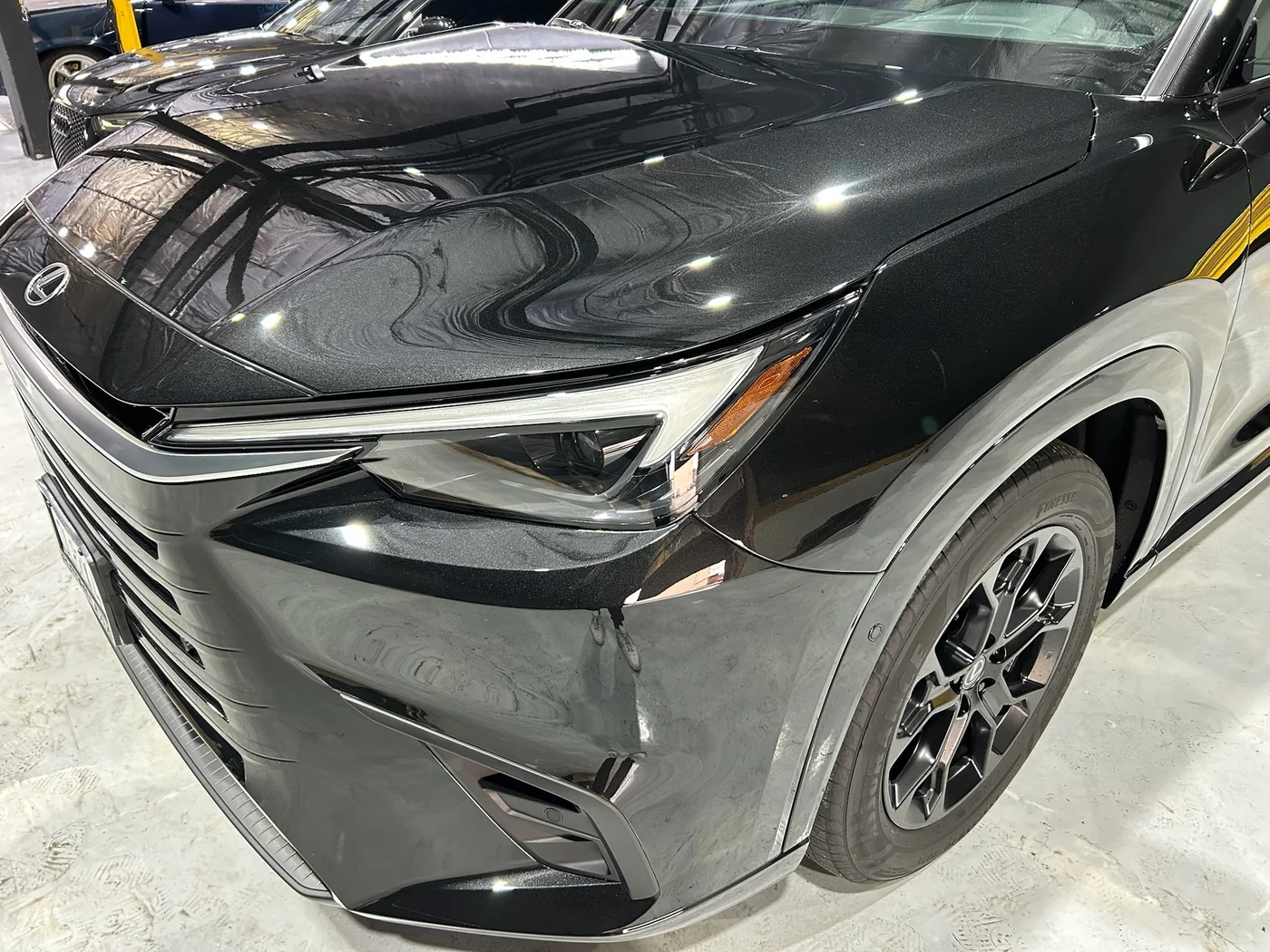
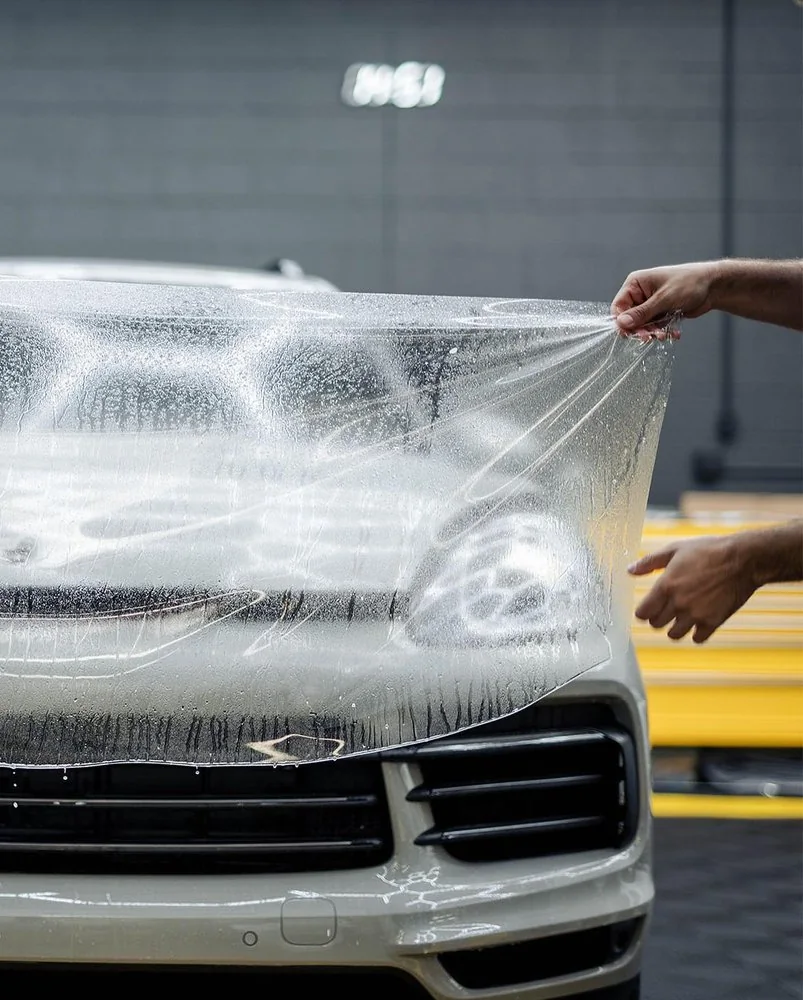
Track sessions throw rubber, rocks and brake dust at your paint and glass. Owners who drive often on track tend to protect the front end with paint protection film before the season. Our paint protection film options start with a partial front at $1,200 to $1,800 and a full front at $2,200 to $3,000. Windshield Protection Film runs $300 to $700.
After an event, a careful wash matters, particularly on film and ceramic. See our guides on PPF maintenance and ceramic coating maintenance, and our car detailing packages, which start at $475 for Bronze.
A simple timeline for your first event
Six to eight weeks out: pick an organizer and date, and read the rules for sound limits, helmet standard and tech form. Request your track insurance quote.

Four weeks out: book your inspection. If the car is older than 10 years or modified, get the mechanic’s signature on the form. Order helmet, pads and fluid if needed.
One to two weeks out: complete brake, alignment and tire work. Take a short drive to confirm everything feels right.
Day before: remove loose items, set tire pressures, pack the kit, number the car, and fuel up.
On the day: arrive early, attend the drivers’ meeting, drink water, and focus on smooth, consistent laps. Check lug torque and pressures after each session. Even a short session with an instructor can fix habits that take years to unlearn alone, according to LightSpeed’s guidance.
FAQ
What is the best track for a first Bay Area track day?
Sonoma Raceway is the usual choice for a first day. It is the closest of the major circuits, and the 2.52-mile layout is manageable with an instructor in the novice group. Thunderhill and Laguna Seca are excellent but need more travel and are harder on brakes.
Do I need a race car to do a track day?
No. Any well-maintained car with good tires, brakes that have plenty of life left and no leaks can run in the novice group, according to the LightSpeed FAQ. Condition matters more than the badge.
Will my regular insurance cover track damage?
Most standard policies exclude damage on a racetrack. For an exotic, price a dedicated track-day policy and confirm exclusions with your insurer before you register.
Does my exotic need a professional tech inspection?
It depends on the organizer. Self-tech is often allowed for newer stock cars, but cars over 10 years old or with performance modifications often need a mechanic’s sign-off. Check the event’s tech requirements and book the inspection a few weeks early.
Sources
- NASA NorCal home page and pricing
- NASA NorCal FAQ
- NASA NorCal Sonoma event, November 7 to 8, 2026
- Sonoma Raceway open track days
- Thunderhill Raceway Park venue listing, MotorsportReg
- LightSpeed run groups explained
- LightSpeed track day FAQ
- LightSpeed 2026 schedule
- SpeedSF 2026 events
- How to clean your engine bay safely