
A Tesla can go years without an oil change, spark plug replacement, or transmission service. That does not mean it is maintenance-free. Tesla service intervals are less about a single, fixed visit every few thousand miles and more about addressing the components that still experience heat, friction, contamination, and wear.
For Bay Area owners, that distinction matters. Stop-and-go Peninsula commutes, steep grades, highway speeds, coastal moisture, construction debris, and intense sun all influence how a Tesla ages. The most effective maintenance plan is vehicle-specific, informed by how and where it is driven, and designed to protect both the ownership experience and long-term value.
Tesla Service Intervals Are Condition-Based
Traditional maintenance schedules revolve around the internal combustion engine. Oil degrades, filters load with debris, belts age, and combustion creates byproducts that demand regular attention. Tesla’s electric powertrain eliminates much of that routine work, but it replaces a rigid checklist with several smaller systems that need timely inspection.
Tesla also updates its recommendations periodically, and the exact schedule can differ by model year, model, climate, wheel configuration, and driving conditions. The owner’s manual for the specific vehicle should always take priority. A Model S driven daily through San Francisco streets will not place the same demands on tires and brakes as a lightly used Model Y that spends most of its time on Peninsula highways.
The practical approach is simple: follow Tesla’s published recommendations, then shorten the interval when visual condition, driving style, mileage, or local conditions justify it. Waiting for a warning light is not a maintenance strategy, particularly on a premium vehicle whose paint, wheels, glass, interior, and suspension deserve proactive care.
The Maintenance Items That Still Matter
Tire rotation, alignment, and wheel condition
Tires are often the most frequently overlooked part of Tesla ownership. Instant electric torque, substantial vehicle weight, and aggressive acceleration can wear a set of tires faster than expected. Tesla commonly recommends rotating tires every 6,250 miles or when tread-depth differences reach 2/32 of an inch, though the correct approach depends on tire wear and whether the tires are directional or staggered.
Rotation is only one part of the equation. Alignment should be checked whenever there is uneven wear, a steering-wheel offset, pulling, vibration, or a hard impact with a pothole or curb. On low-profile wheels, even a seemingly minor impact can compromise tire sidewalls or leave a bend that affects ride quality. Proper alignment protects more than tire life - it preserves the precise, planted feel owners expect from an electric performance vehicle.
For performance-oriented Teslas, tire selection deserves equal attention. The right compound and load rating affect traction, road noise, efficiency, wet-weather confidence, and how effectively the vehicle delivers power. A lower-cost tire that wears poorly or reduces grip is rarely a value decision.
Brake inspection and brake-fluid testing
Regenerative braking significantly reduces pad and rotor wear. Many Tesla owners may find that their friction brakes last far longer than those on a comparable gasoline vehicle. Yet less frequent use creates its own issue: brake rotors can develop surface corrosion, especially in damp climates or on vehicles that sit for extended periods.
Tesla recommends checking brake fluid for contamination every four years, replacing it only if testing shows that replacement is necessary. This is a measured approach, not a license to ignore the system. Brake calipers, pads, rotors, hoses, and parking-brake operation should be inspected periodically, particularly after wet seasons, road trips, or long storage periods.
A short period of deliberate friction braking can help clear light surface rust, but grinding, pulsing, sticking, or reduced braking confidence calls for immediate professional inspection. Brakes remain a safety system first, regardless of how effectively regeneration handles daily deceleration.
Cabin air filters and air-conditioning service
The cabin filter is one of the most meaningful comfort items on a Tesla. It captures dust, pollen, soot, and airborne debris before they enter the cabin. Tesla has historically recommended replacing cabin air filters on an interval that varies by model, generally every two to three years. In high-pollen areas, dense urban traffic, or wildfire-prone conditions, replacement may make sense sooner.
A musty odor when the air conditioning starts is another familiar concern. Moisture can collect around the evaporator, allowing odor-causing growth to develop. Tesla’s recommended A/C desiccant-bag replacement and evaporator cleaning intervals vary across the lineup, so vehicle-specific guidance matters here. An evaporator cleaning service can restore the clean, refined cabin environment the vehicle was designed to provide.
Do not treat odor as merely cosmetic. Poor cabin-air quality affects every mile behind the wheel, and a clean HVAC system is especially valuable for owners who spend significant time commuting or traveling with family.
Battery coolant and thermal management
Tesla’s high-voltage battery, drive units, and charging systems rely on sophisticated thermal management. Unlike engine coolant in many conventional vehicles, battery coolant is not typically a frequent service item. Tesla does not prescribe a routine coolant replacement interval for most current models unless a repair or diagnostic need requires it.
That said, the cooling system should not be forgotten. Watch for alerts, visible leaks, unusual fan behavior, charging irregularities, or reduced climate-control performance. The battery pack is the heart of the vehicle, and thermal management is central to charging performance, range consistency, and component longevity.
Avoid unnecessary service simply because a conventional shop applies gasoline-car habits to an EV. Equally, avoid assuming the battery system requires no professional attention. The right standard is informed inspection and diagnosis by technicians who understand high-voltage systems.
Wiper blades, washer fluid, and visibility
Windshield wipers and washer fluid are basic items, but visibility is not basic. Tesla’s expansive windshields and camera-dependent driver-assistance systems make clean, undamaged glass especially valuable. Replace blades when they streak, chatter, split, or leave a film during rain. In the Bay Area, road dust and coastal grime can wear blades even when rainfall is limited.
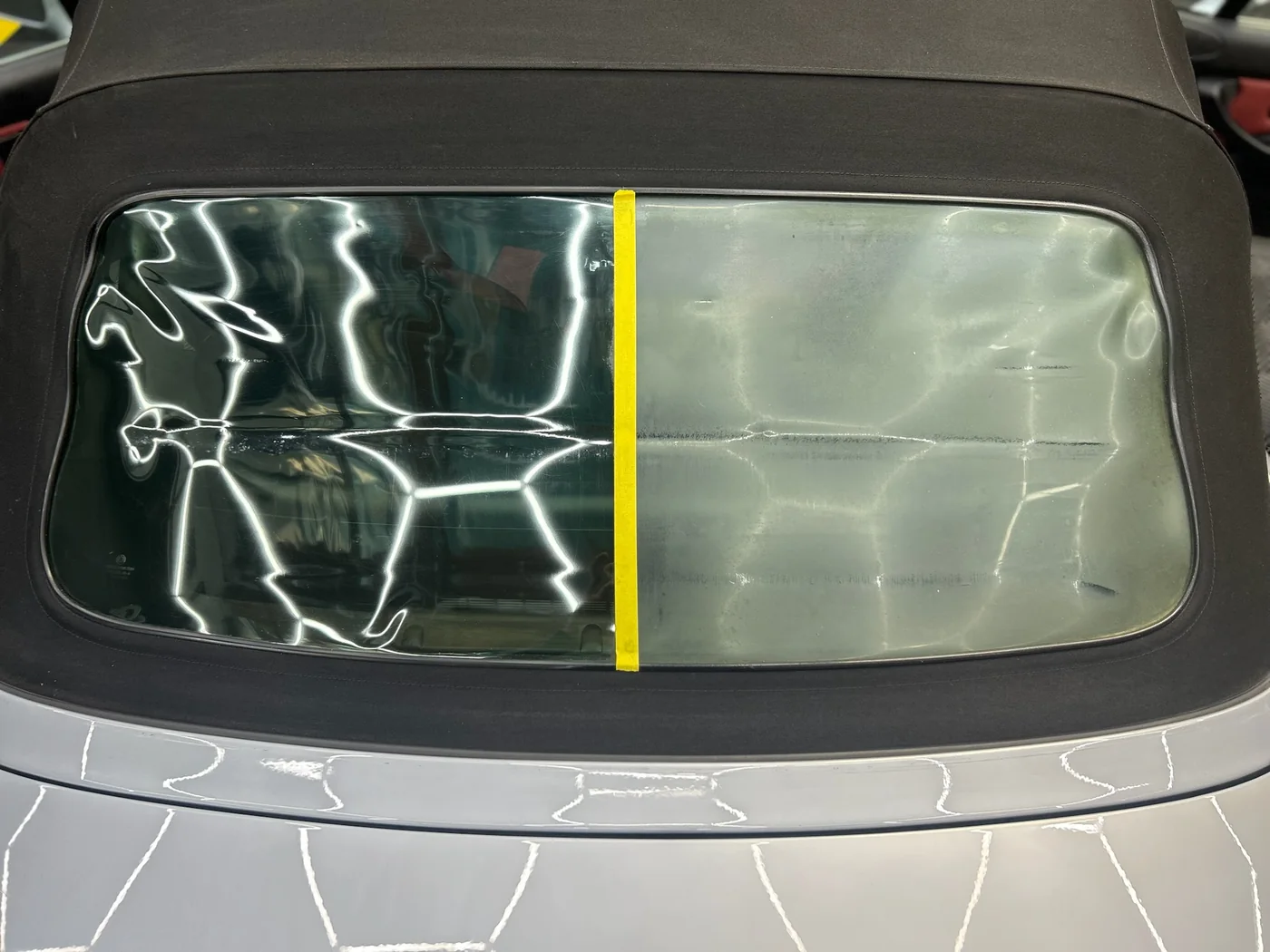
Inspect the windshield and front camera area regularly for chips, pitting, and impact damage. Small chips can spread quickly with temperature changes, while a heavily pitted windshield can create glare at night and diminish the clarity of forward-facing cameras. Windshield protection film and prompt chip assessment can be smart investments for owners who regularly drive highways where debris exposure is unavoidable.
Protecting the Finish Is Part of Ownership
Tesla maintenance guides focus on mechanical systems, but exterior preservation has a direct effect on pride of ownership and resale appeal. Tesla paint can be exposed to rock chips, freeway debris, UV radiation, bird droppings, tree sap, and abrasive automatic washes from its first week on the road.
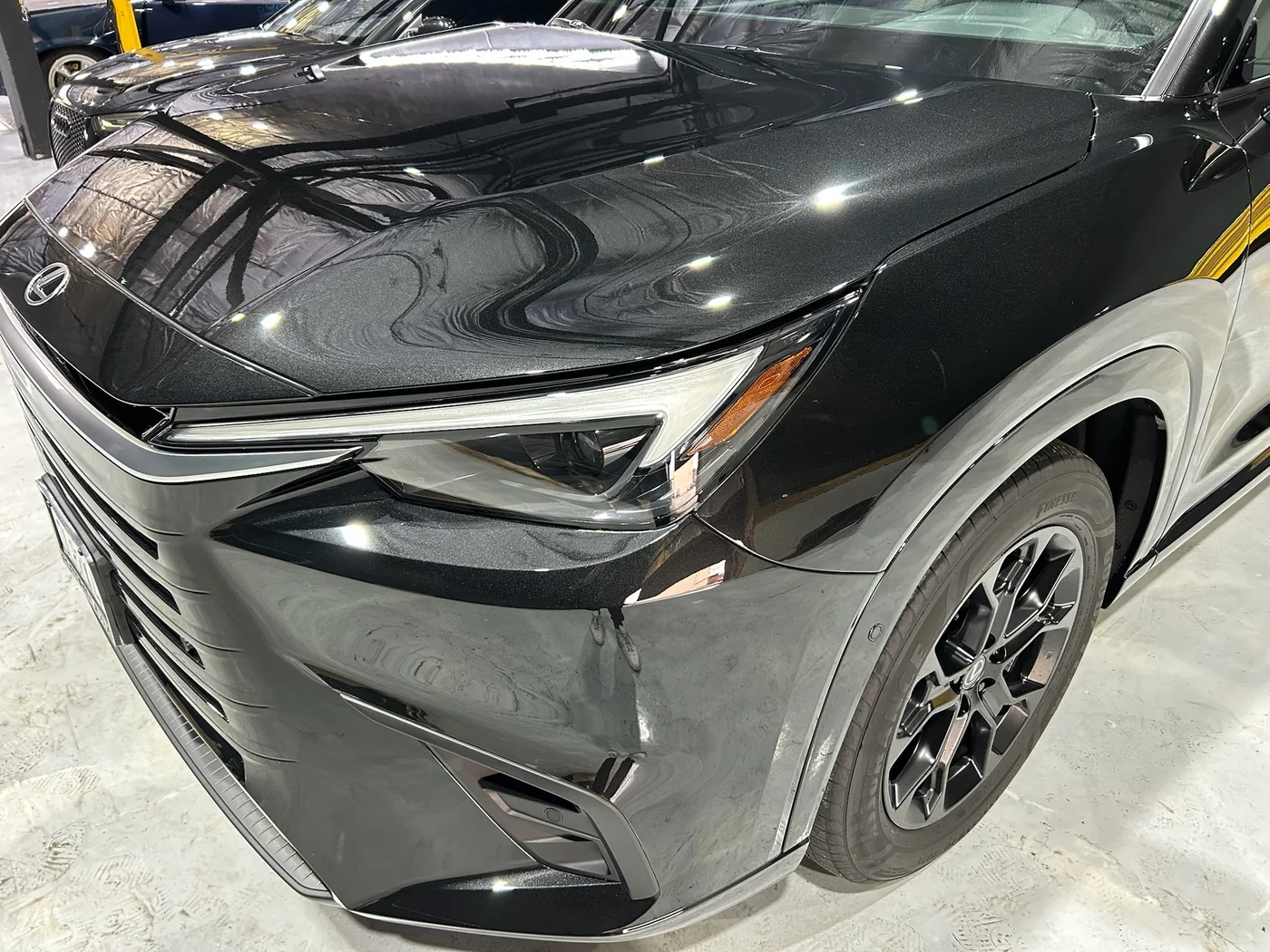
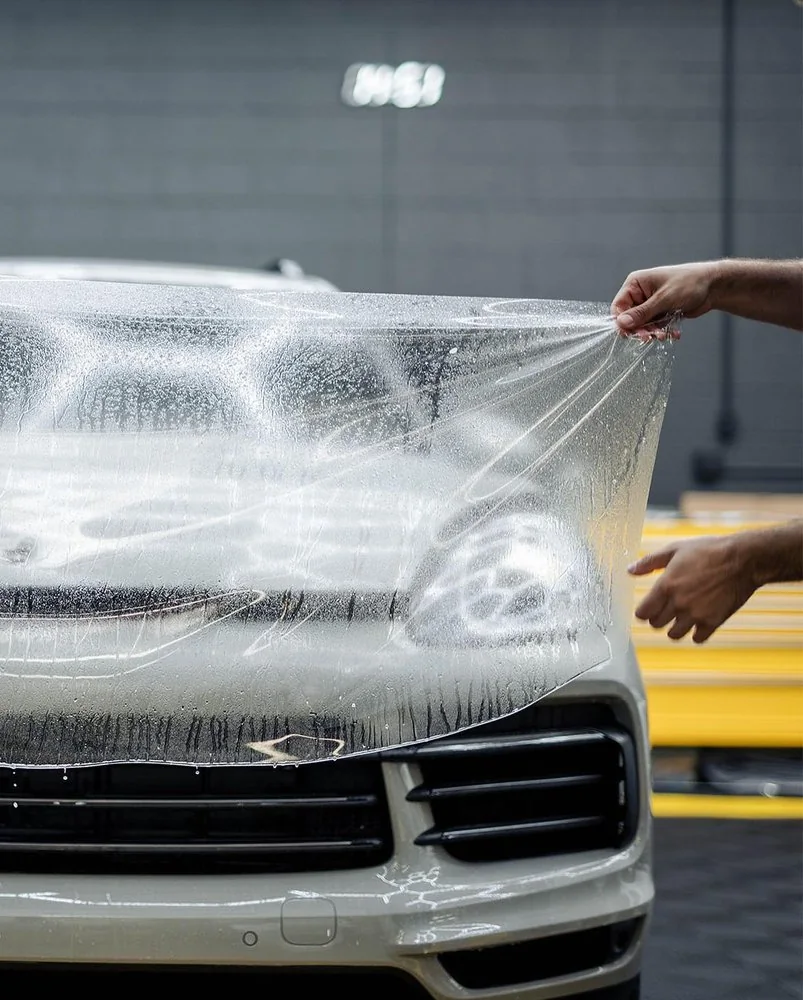
Paint protection film is particularly valuable on high-impact areas such as the front bumper, hood, fenders, mirror caps, rocker panels, and rear wheel arches. A full-front installation suits many daily-driven Teslas, while full-body coverage may make sense for a new Model S, Model X, Cybertruck, or performance build where preserving the original finish is a priority. Ceramic or graphene coatings can add gloss, simplify washing, and improve resistance to environmental contamination, but they are not substitutes for impact protection.
Regular hand washing also matters. Brake dust, industrial fallout, salt air, and organic contaminants should not remain on the paint or wheels for long periods. The goal is not excessive detailing. It is controlled, careful cleaning that avoids wash-induced scratching and keeps damage from becoming permanent.
A Sensible Annual Tesla Care Plan
For most owners, an annual inspection creates a useful baseline even if the vehicle displays no warnings. This should include tire tread and pressure, alignment indicators, brake condition, suspension and steering components, underbody panels, wipers, exterior lighting, glass, HVAC performance, and a scan for any service alerts.
Vehicles driven hard, frequently fast-charged, stored for long periods, or used on rough roads may benefit from more frequent assessments. Conversely, a low-mileage Tesla that is garaged and carefully driven may need fewer mechanical interventions while still requiring battery-management awareness, tire-pressure checks, brake exercise, and protection against cosmetic deterioration.
Service records matter as well. Keep documentation for tire work, brake-fluid tests, filter replacement, collision repairs, windshield work, and professional detailing or protection installations. A well-documented vehicle communicates diligence to a future buyer and makes it easier to spot emerging patterns over time.
When to Schedule Service Sooner
Some conditions should move service ahead of the calendar. Schedule an inspection if the car pulls to one side, develops steering vibration, shows rapid or uneven tire wear, makes brake noise, emits a persistent HVAC odor, has a glass chip, reports a warning, or suffers an underbody impact.
The same applies after striking a deep pothole or curb. Teslas are engineered with strong structures and sophisticated chassis systems, but wheels, tires, alignment angles, and underbody shields can still be affected. A quick inspection can prevent a small event from becoming a premature tire replacement or a more expensive repair.
At Artec Automotive, we view Tesla care as more than checking boxes on a schedule. The right intervals protect the systems you rely on every day while preserving the finish, glass, cabin, and driving character that made the vehicle worth choosing in the first place. Treat each inspection as an opportunity to keep the car performing with the precision and presence it had when it left the showroom.