
Store a Supercar for Months: Home or Climate Facility for Collectors

For long-term preservation, store a supercar in a secure, climate-controlled facility, or in a private garage upgraded to match one. Three criteria decide it: climate control, security, and what your insurer accepts as qualifying storage. At Artec Automotive, we prepare cars for storage, so you have an experienced backstop either way.
TL;DR:
- For storage beyond a few months, prioritize climate control; Consumer Reports recommends 50–70°F and 40–60% relative humidity to limit mold, corrosion, and electrical failures.
- A sealed private garage suits regularly driven cars, but nonclimate storage should last only a few weeks, especially in damp or hot conditions.
- Before storage, wash and wax the car, change its oil, fill the tank with stabilizer when appropriate, top up fluids, and connect a battery maintainer.
- Confirm insurer approval before moving the car: collector coverage often requires enclosed storage, and comprehensive coverage protects against theft, vandalism, and weather damage.
Table of Contents
- Which storage approach fits how you use your car?
- How do you prepare a supercar for storage?
- What climate specs protect paint, electronics and interiors?
- What security features should collector-grade storage have?
- What does storage cost, and how does it affect insurance?
- Which home garage upgrades get you close to facility-level protection?
- Why do specialist technicians matter when you store a supercar?
- How does Artec Automotive help with storage, prep and upkeep?
- FAQ
- Sources
Which storage approach fits how you use your car?
The right choice depends on three things: how long the car sits, how often you drive it, and how much risk you accept. Match your goal to the approach before you compare prices.
- Climate-controlled facility: Best for long-term preservation, seasonal storage and cars you rarely drive. Temperature and humidity stay stable, and the building is built for security.
- Private upgraded garage: Works well when you want easy access and are willing to add dehumidification, sealing and monitoring.
- Standard garage: Fine for short stretches and frequent use, provided it is enclosed and locked.
- Short-term non-climate options: Acceptable for a few weeks. They are a poor fit for anything longer, especially in damp or hot conditions.
Here is a simple rule. If the car will sit for more than a few months, or it is a concours-level example where paint and interior condition drive value, prioritize climate control. If you drive it regularly and have a sealed garage, a private upgrade is usually enough. Collectors also value membership features such as scheduled maintenance checks, transport and documentation of the car’s condition, so ask what is included before you commit.
How do you prepare a supercar for storage?
Preparation prevents most passive damage. Follow this sequence before the car goes under its cover:
- Wash and wax the car, including the undercarriage, so contaminants do not sit on the paint and metal.
- Change the oil and filter. Used oil holds acids and moisture that you do not want sitting in the engine.
- Fill the fuel tank and add a stabilizer, or follow the manufacturer’s guidance for your specific car.
- Top up all fluids, including coolant and brake fluid, at the correct levels.
- Connect a battery maintainer. A tender keeps the charge steady, which is gentler than letting the battery drain or disconnecting it for months.
- Set tire pressure to the manufacturer’s recommendation, or slightly higher for long storage. Use wheel chocks rather than the parking brake, which can seize.
- Seal entry points and add rodent deterrents. Place a moisture absorber inside the cabin.
- Cover the car with a fitted, breathable cover. Plastic traps moisture.
Timing changes the plan. For shorter storage periods, the battery tender and a good cover are usually enough. For longer storage periods, add fuel stabilizer and scheduled checks. For extended storage, consider jack stands to protect tires and suspension, and book periodic professional inspections.
Pro Tip: Take dated photos of the car, odometer and storage space the day it goes in. You will want them for any later insurance claim.
What climate specs protect paint, electronics and interiors?
Consumer Reports recommends climate-controlled environments of about 50–70°F (10–21°C) and 40–60% relative humidity. That range targets the main passive threats: mold in the cabin, corrosion on metal and connectors, and failures in electrical components.
Why do those numbers matter? High humidity feeds mold and corrodes brake components, fasteners and wiring contacts. Swings in temperature make materials expand and contract, which stresses seals, rubber and paint, and creates condensation. A steady environment avoids both problems.
Target range: 50–70°F (10–21°C) and 40–60% relative humidity, per Consumer Reports, to limit mold, corrosion and electrical failure.
To hold that range at home, use these tools:
- A dehumidifier sized for the garage, with a drain line so it runs without attention
- HVAC or a mini-split set to avoid wide temperature swings
- Humidity sensors that send alerts to your phone when readings drift
What security features should collector-grade storage have?
Treat security as a checklist and walk the facility yourself before signing anything.
- Physical controls: A gated perimeter, individual enclosed stalls, solid doors, strong lighting and alarmed entrances
- Monitoring: Continuous video, environmental alarms, access logs, and on-site staff or a vetted concierge
- Collector services worth paying for: Per-stall battery tenders, charging for electric models, and documented maintenance checks
- Transport and tracking: Options for enclosed transport and vehicle tracking if you move the car often
If you need help moving a car or household items to a new location, a moving company with vehicle shipping experience can handle the logistics. AAA Movers publishes useful guidance on secure storage considerations.
Pro Tip: Ask to see the stall your car would occupy, not a sample. Check the door seal, the lighting and where the cameras point.

What does storage cost, and how does it affect insurance?
Cost depends on a handful of drivers: climate control, stall size, membership versus month-to-month pricing, and extras like concierge service and transport. Ask for a written quote that lists exactly what each tier includes.
Insurance deserves equal attention:
- Insurers often prefer enclosed storage. Progressive notes that collector vehicles should be kept in a private garage, storage unit or pole barn to qualify for collector coverage, and that driveways or carports may not meet requirements.
- Storage location affects pricing. Locked garages and storage facilities are viewed favorably by insurers.
- Keep comprehensive coverage active. You may not be legally required to insure a stored car, but comprehensive coverage protects against theft, vandalism and weather damage, and lenders often require it on financed vehicles.
Key point: Collector programs typically require enclosed storage and limited use, so confirm your storage setup with your insurer before the car moves.
Keep the storage address, dated photos and maintenance receipts in one folder. Those records back up a claim and show you met your policy’s conditions.
Which home garage upgrades get you close to facility-level protection?
If you prefer to keep the car at home, upgrade in this order, since the first items give the biggest return:
- Moisture and climate: Add dedicated dehumidification or HVAC, seal and insulate the garage shell, fix drainage problems, and install moisture sensors
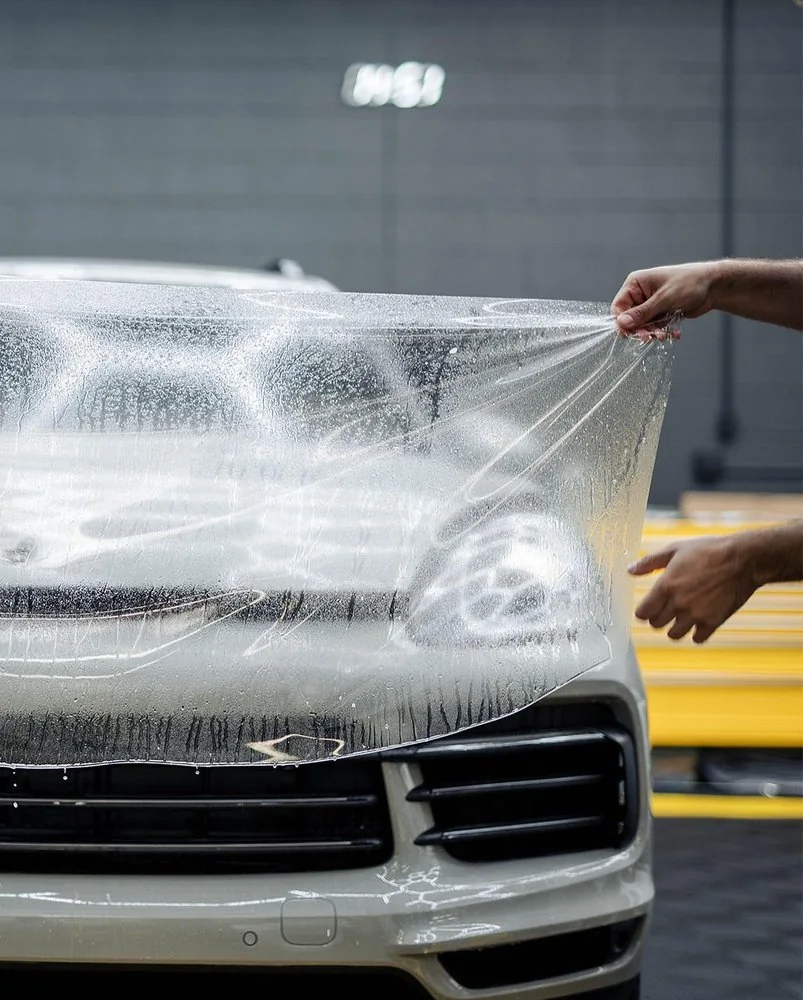
- Vehicle-level protection: Use a battery maintainer, a fitted breathable cover, and protective surface treatments such as paint protection film or ceramic coating, which we cover in our guide to ceramic coating maintenance
- Lifts and flooring: If you add a car lift, have it mounted securely, and protect the floor from moisture and chemicals. Garage Living covers lifts, organization and security for collector-grade home garages
- Security and service: Install cameras and an alarm, and schedule regular inspections with an exotic-car specialist
Our overview of luxury car protection options explains how films and coatings fit into a storage plan.
Why do specialist technicians matter when you store a supercar?
Most storage damage is quiet. A weak battery, a slow fluid leak or a rodent chewing a harness can go unnoticed for weeks, and exotic cars punish small neglect with big repair bills. A specialist who knows your model can prep the car, run periodic checks and catch electrical or fluid issues early. That is the work we do every day on exotic, classic and European cars. Arrange professional pick-up and transport when the car cannot be driven safely, and book a seasonal inspection before and after any long storage period.
— Artec
How does Artec Automotive help with storage, prep and upkeep?
We handle the full cycle in one place. Our car storage page shares information about storage for exotic and classic cars, and our exotic car service team handles pre-storage preparation and maintenance. We also offer car detailing, paint protection film, ceramic coating and battery care, so the car goes in clean and protected. Read more in our post on climate-controlled exotic car storage.

To get started, contact us with your car’s make, model, expected storage length and any insurer requirements. Bring service records and a list of current issues to your appointment. Ask us about stall features: climate settings, battery tenders, camera coverage and access hours. Find updates on our storage page.
FAQ
Is it safe to store a car in a storage unit?
Yes, if the unit is enclosed, secure and ideally climate-controlled. Add a battery maintainer, a breathable cover and pest deterrents, and confirm that your insurer accepts the location.
How expensive is a supercar?
Prices vary widely by make, model, age and condition, so there is no single figure. What matters for storage is the car’s value, which should guide how much you invest in climate control, security and coverage.
How much does it cost to store a luxury car?
Cost depends on climate control, stall size, membership versus month-to-month terms and added services like concierge care. Ask each facility for a written quote that lists what is included.
Does a stored supercar still need insurance?
Usually yes. You may not be legally required to carry it, but comprehensive coverage protects against theft, vandalism and weather damage, and lenders often require it on financed cars.
Sources
- Classic Car Storage Tips | Progressive
- Best Way to Store a Car for an Extended Period - Consumer Reports