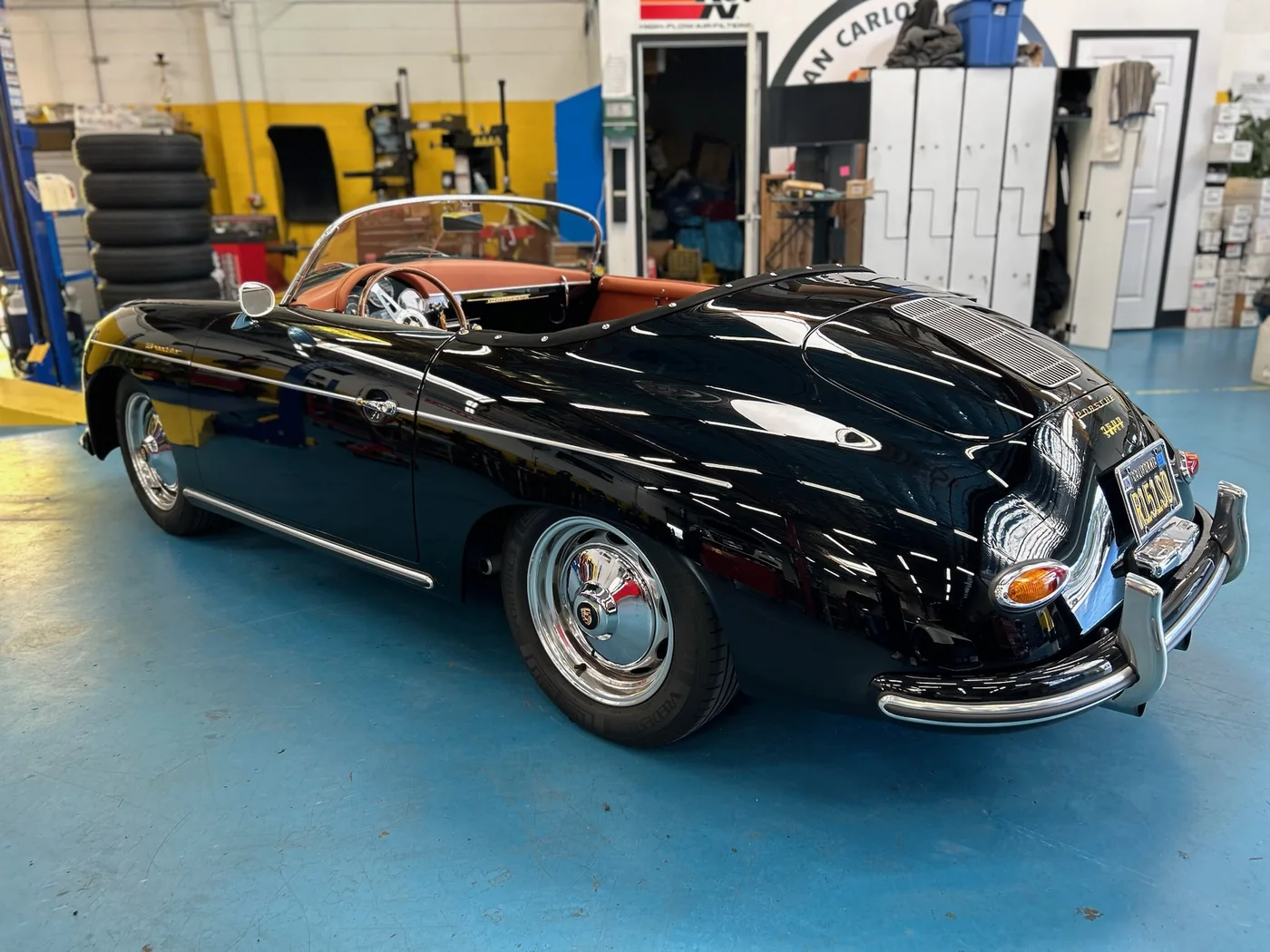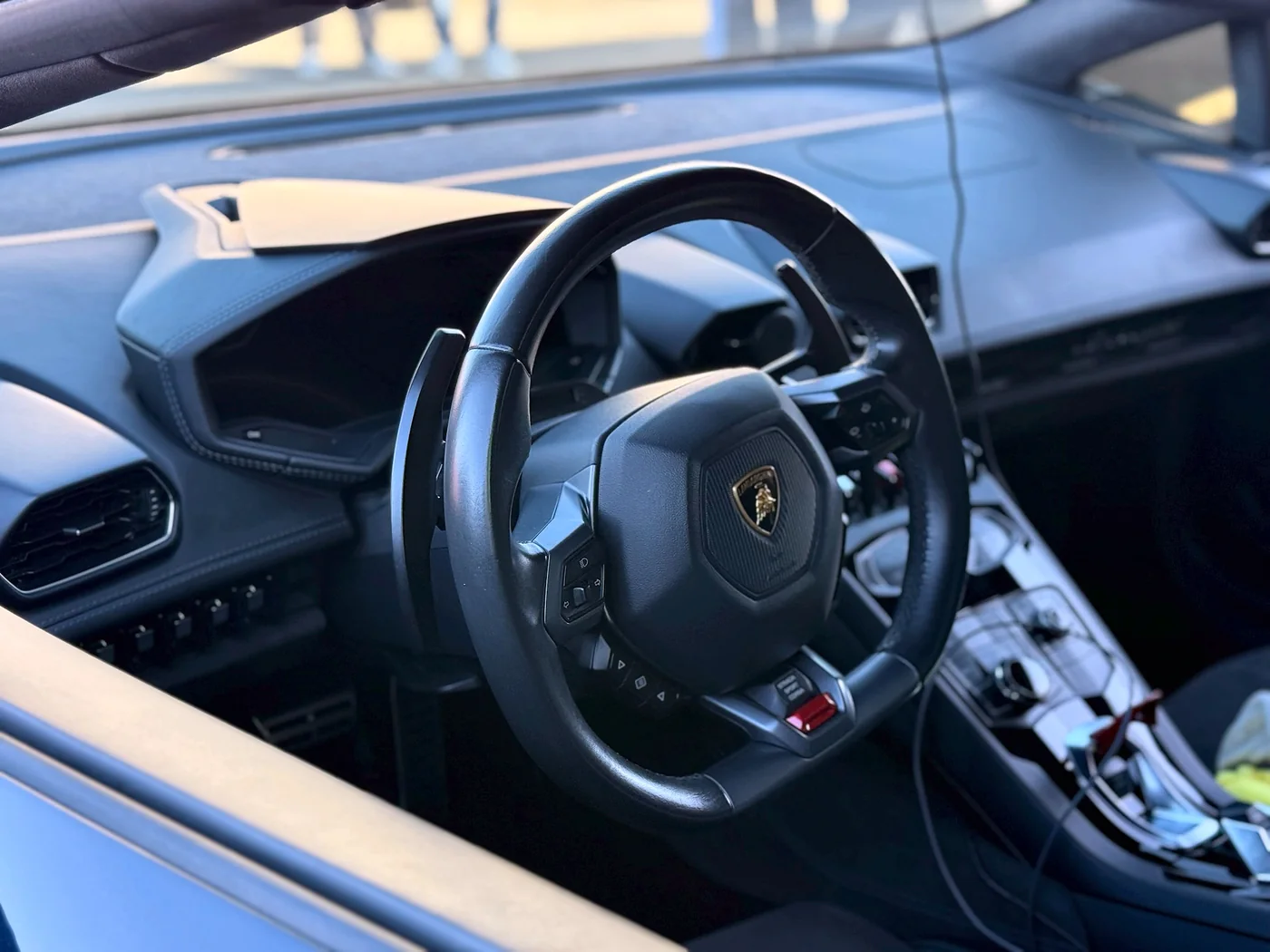


Drive or Display: Restomod or Restoration for Classic Car Owners

Restoration returns a classic car to its exact factory-original condition, while a restomod keeps the vintage look but swaps in modern mechanicals for everyday drivability. Collectors chasing provenance and concours eligibility lean toward restoration, while owners who want to drive their car regularly lean toward a restomod. The trade-off comes down to authenticity and long-term collector value versus comfort, safety, and daily usability.
TL;DR:
- Restomods typically involve modern upgrades such as fuel injection, improved brakes, and electronic systems, making the vehicle more reliable and suitable for daily use.
- Restorations focus on achieving factory originality with costs rising significantly for concours-grade builds and limited reversibility for major modifications.
- Budget planning should account for hidden expenses like sourcing rare parts and labor, with projects often exceeding initial estimates.
- Regulatory considerations, especially for engine swaps and replicas, require compliance with federal, EPA, and state emissions laws, which can impact build choices.
- The decision between restoration and restomod hinges on whether owners prioritize historical authenticity or everyday drivability and safety.
Table of Contents
- Restoration explained: goals, levels, and typical use cases
- Restomods explained: philosophy and typical upgrades
- Pros and cons of each approach across key ownership dimensions
- Cost, timeline, and regulatory considerations that change the choice
- Decision framework and shop-questions checklist
- Artec’s shop perspective: what a specialist does differently
- Originality versus usability: a pragmatic view
- How we can help with your next build
- FAQ
- Sources
Restoration explained: goals, levels, and typical use cases
A traditional restoration aims to return a vehicle to its exact factory-original condition, with period-correct parts, original finishes, and historically accurate details throughout. The goal is authenticity: every bolt, badge, and upholstery stitch should match what rolled off the assembly line, according to SEMA’s breakdown of restoration versus restomod work.
Not every restoration aims for the same finish line. Shops and owners generally work toward one of three levels:
- Preservation: minimal intervention to stabilize an original, unrestored car and protect what survives.
- Driver-quality restoration: a full mechanical and cosmetic refresh that looks correct and runs reliably, without chasing every factory stamp.
- Concours restoration: an exhaustive, judge-ready rebuild where every component is sourced, dated, and finished to original specification.
Each level carries its own budget and timeline. Preservation work can be modest, while a concours build often stretches into years and demands deep research into factory documentation. Restoration makes the most sense for rare or historically significant cars, vehicles with strong provenance, or anyone planning to show the car at judged events where originality decides the score.
Restomods explained: philosophy and typical upgrades
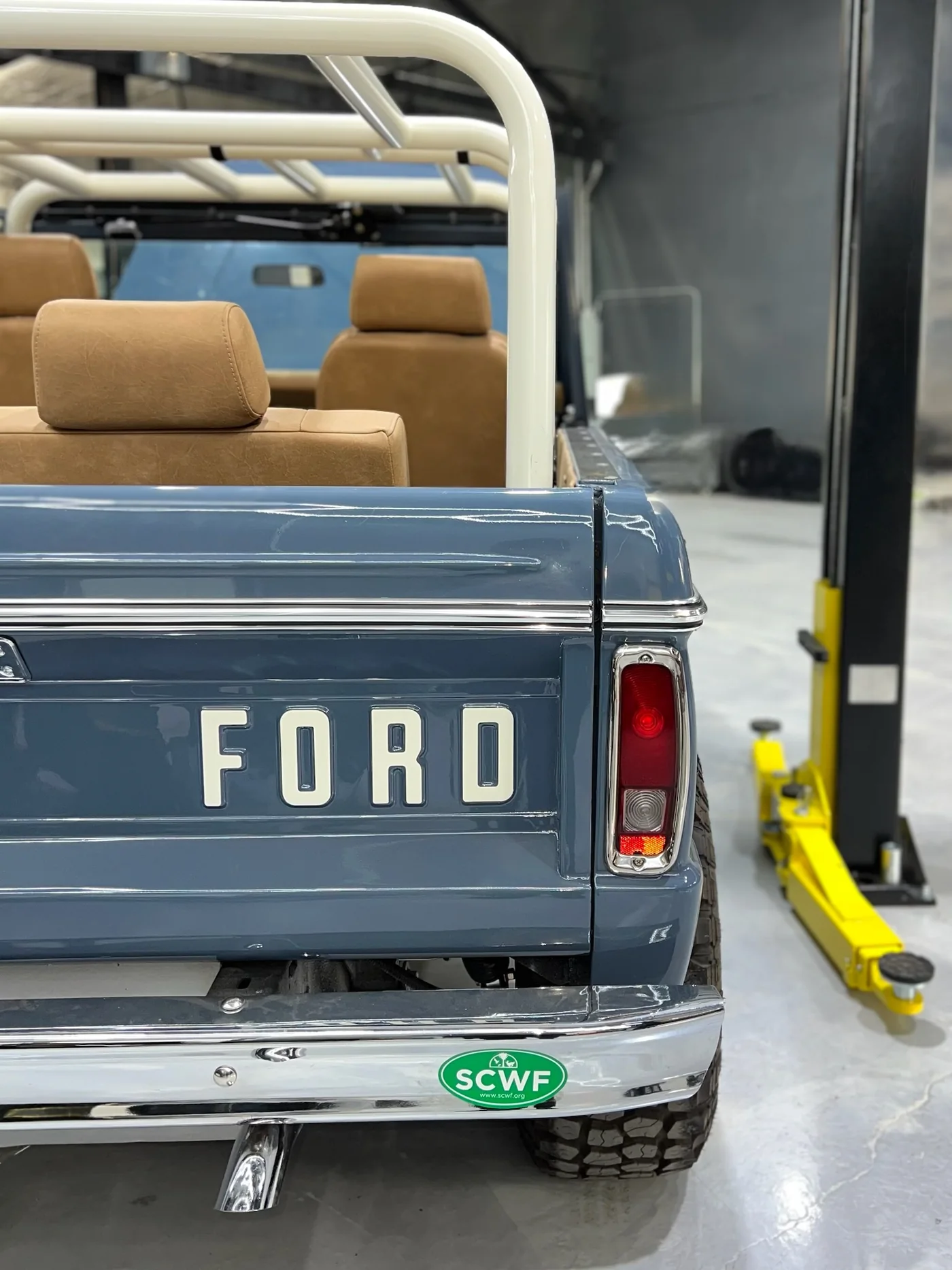
A restomod keeps the exterior silhouette and cabin character that make a classic recognizable, then replaces the parts that make old cars frustrating to live with. Restorations prioritize collection value and authenticity, while restomods prioritize daily drivability and reliability through modernized mechanical systems, as SEMA notes in its coverage of replica and modernized classic builds.
The changes typically fall into a handful of categories:
- Powertrain: carbureted engines swapped for fuel-injected equivalents, period engines replaced with modern V8s, or in some builds, full EV conversions.
- Chassis and suspension: upgraded geometry, coilovers, and sway bars for handling that matches modern traffic.
- Brakes: four-wheel disc setups replacing drum brakes that were never designed for modern stopping distances.
- Electrical and wiring: modern harnesses that eliminate the fire risk and unreliability of decades-old wiring.
- Interior comfort: air conditioning, sound deadening, and supportive seating.
- Infotainment and lighting: LED lighting and discreetly integrated audio or navigation.
The hard part isn’t sourcing any single upgrade. It’s making all of them work together as one coherent machine rather than a pile of mismatched parts bolted to an old shell.
Pro Tip: Budget for integration, not just parts. A modern fuel-injected engine needs a wiring harness, cooling system, and often a different transmission to work properly with the rest of the car.

Pros and cons of each approach across key ownership dimensions
Both paths deliver a finished classic that turns heads, but they reward owners differently once the keys are in hand.
- Restoration pros: authenticity, concours eligibility, and historical value that tends to hold up with serious collectors.
- Restoration cons: high cost for rare parts, lower everyday usability, and maintenance demands that come with keeping original systems running.
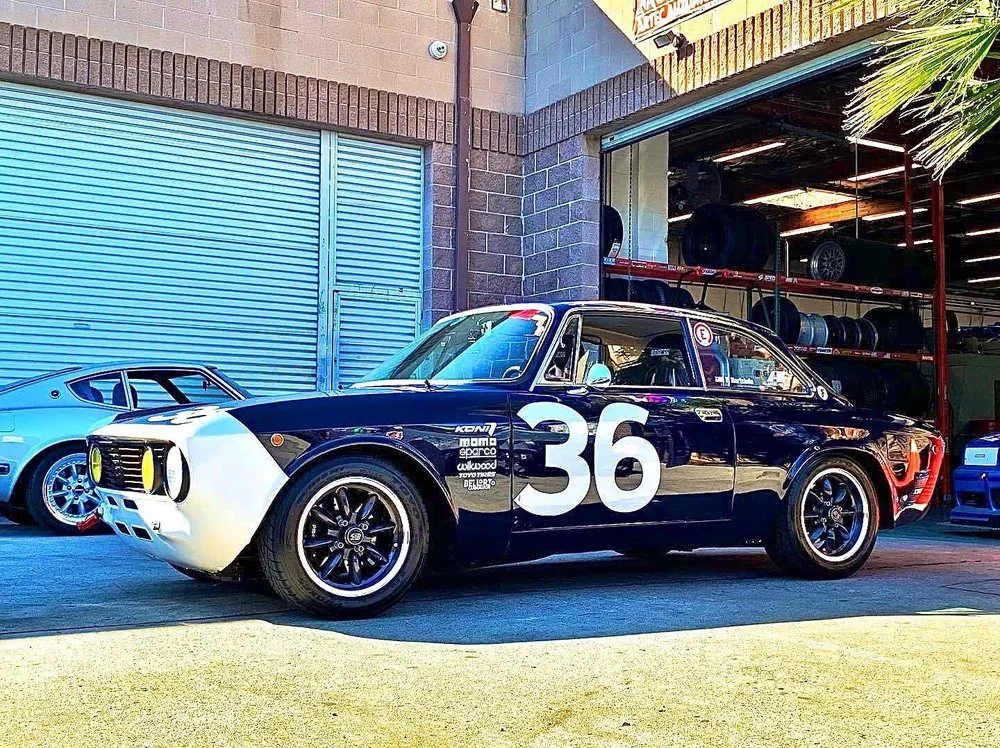
- Restomod pros: modern drivability, improved safety, daily-use convenience, and strong demand among buyers who want a classic they can actually drive. High-quality professional restomods have sold at auction for prices that meet or exceed stock-original counterparts, according to Motorious.
- Restomod cons: reduced provenance for purists, limited reversibility once structural modifications are made, and the reality that modern electronics and infotainment age differently than a patina’d original dash.
The honest answer is that neither approach is objectively better. The right call depends on whether you’re preserving history or building something to drive.
Cost, timeline, and regulatory considerations that change the choice
Budgets on either path are driven less by the sticker price of parts and more by labor, fabrication, and the unknowns that surface once a car comes apart. High-end restorations often require extensive labor, and projects commonly exceed initial time and cost estimates, which is why ClassicCars Journal recommends planning real contingency into both budget and schedule.
A few practical rules apply to both approaches:
- Set aside contingency funds beyond your initial estimate, since hidden rust, worn subframes, or obsolete parts routinely push costs higher.
- Sequence mechanical work before cosmetic finishing so you’re not repainting a panel you’ll need to remove later.
- Expect sourcing delays for rare trim or discontinued electronics to be the biggest timeline risk on either path.
Regulatory reality: engine swaps and replica-style builds intersect with federal and state rules. SEMA’s guidance on low-volume vehicle law outlines registration and emissions processes that govern limited-production replicas, and highlights EPA and CARB considerations that apply to aftermarket drivetrain swaps, which matters directly for restomod builds involving engine changes, as detailed in SEMA’s replica production coverage.
Decision framework and shop-questions checklist
Choosing a path gets easier once you separate your goals from the general appeal of either approach. Start with a short internal checklist:
- Define your primary goal: collection and display, or regular driving.
- Decide whether resale value to concours buyers matters more than resale value to driver-focused buyers.
- Weigh how much reversibility matters if your plans change in five or ten years.
- Set a realistic budget and timeline before the first panel comes off.
Once you’re talking to a shop, ask direct questions: What’s their experience with this specific make and era? Do they provide photo documentation throughout teardown and reassembly? How do they test and calibrate systems like brakes, fuel injection, or ADAS before delivery? What’s covered under warranty, and how do they handle emissions compliance on engine swaps?
Pro Tip: Walk away from any shop that can’t show photo records from a past build. Documentation is the clearest evidence of a disciplined process.
Red flags worth taking seriously include vague scope of work, no written timeline, and no mention of test or calibration steps before the car leaves the shop.
Artec’s shop perspective: what a specialist does differently
We have experience working on exotic, classic, and European vehicles, and that long-term focus shapes how we approach both restoration and restomod work. Our projects move through staged approvals, with photo documentation at each phase so owners can see exactly what changed and why.
Integration testing matters as much as the individual parts: upgrades and modifications get verified against the rest of the car before a project is called finished. Our classic car repair and custom auto modification services cover both ends of this spectrum, from factory-correct repairs to full custom builds, with the same attention to clear estimates and honest communication throughout.

Originality versus usability: a pragmatic view
Collectors who prize originality and owners who want a classic they can drive every day aren’t actually arguing about the same thing. Match the build to what you want ten years from now, not just to what looks good at the next car show. Document every decision, keep original parts when you can, and talk to a specialist who knows your specific model before committing to irreversible changes.
— Artec
How we can help with your next build
Whether you’re pursuing a faithful restoration or a fully modernized restomod, we bring the same shop under one roof: classic car repair, custom fabrication, and full restoration work handled by technicians who specialize in exotic, classic, and European vehicles.
- Get a tailored estimate through our custom auto modification page to start planning your build.
FAQ
What is considered a restomod?
A restomod is a classic car that keeps its original exterior styling and character but has modern mechanical systems installed underneath, such as fuel injection, upgraded brakes, or a modern suspension. The goal is a car that looks vintage but drives like something built decades later.
Is a 25 year old car a classic or antique?
Classifications vary by state and by the organization doing the labeling, so there’s no single universal cutoff. Many insurers and clubs treat an approximate quarter-century as a common threshold for “classic” status, while “antique” often implies an older or stricter age requirement depending on the registry.
Is restoration and repair the same thing?
No, repair addresses a specific problem or failed component, while restoration is a comprehensive process aimed at returning the entire vehicle to its original factory condition. A repair might fix a leak or replace a worn part, but a restoration rebuilds the car’s mechanical and cosmetic condition from the ground up.
Are old cars worth restoring?
It depends on the car’s rarity, condition, and your goals. High-quality restomods have sold at auction for prices that meet or exceed stock-original counterparts, and auction data from Hagerty shows restomod and custom builds increasingly outselling factory-correct restorations in certain market segments, which suggests both paths can be worth the investment when done well.