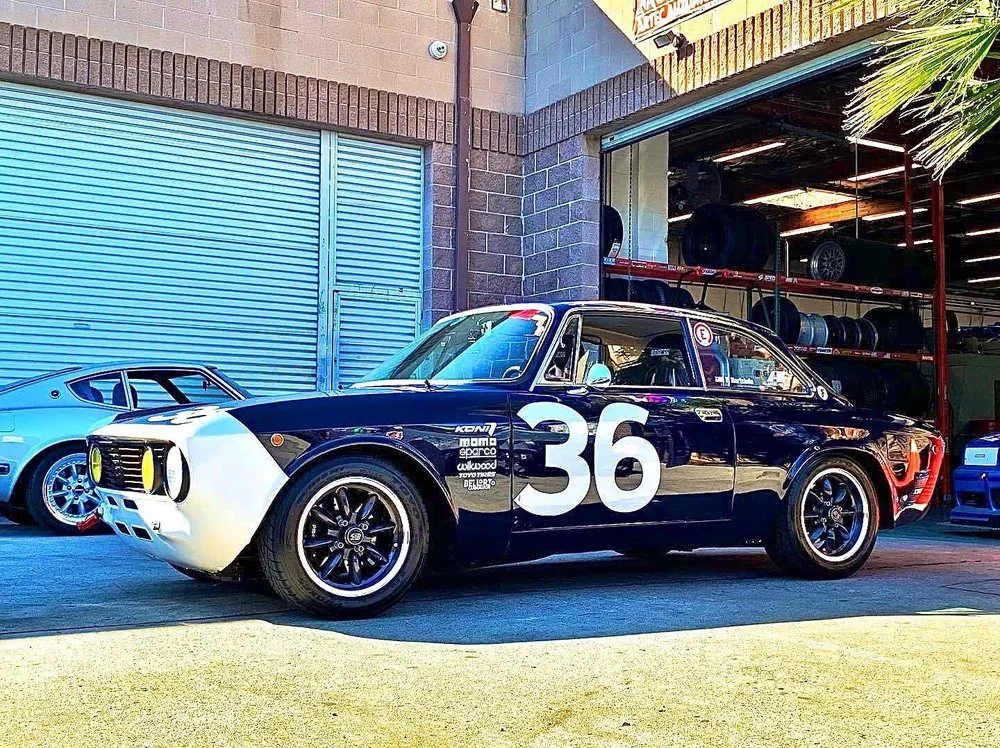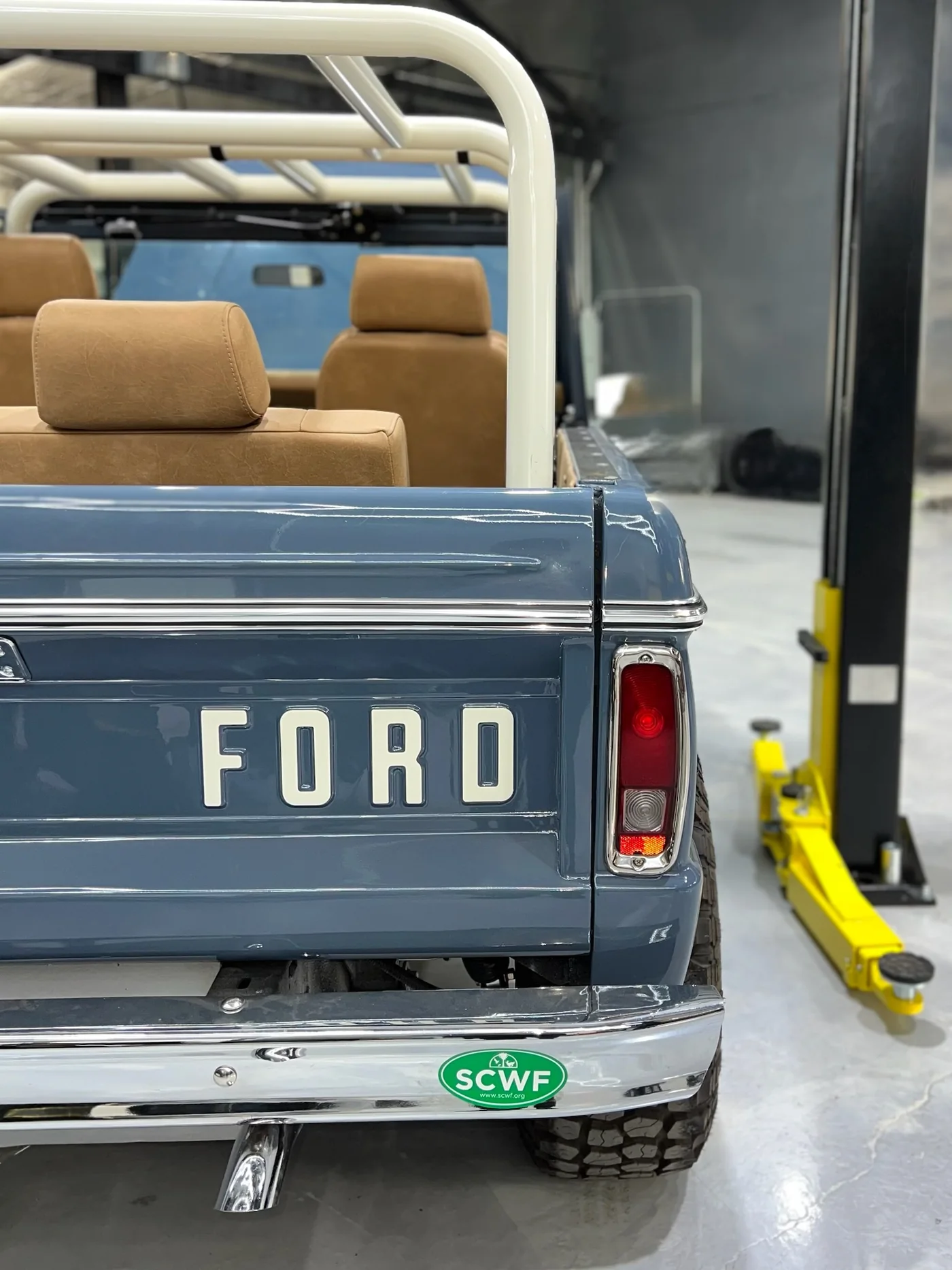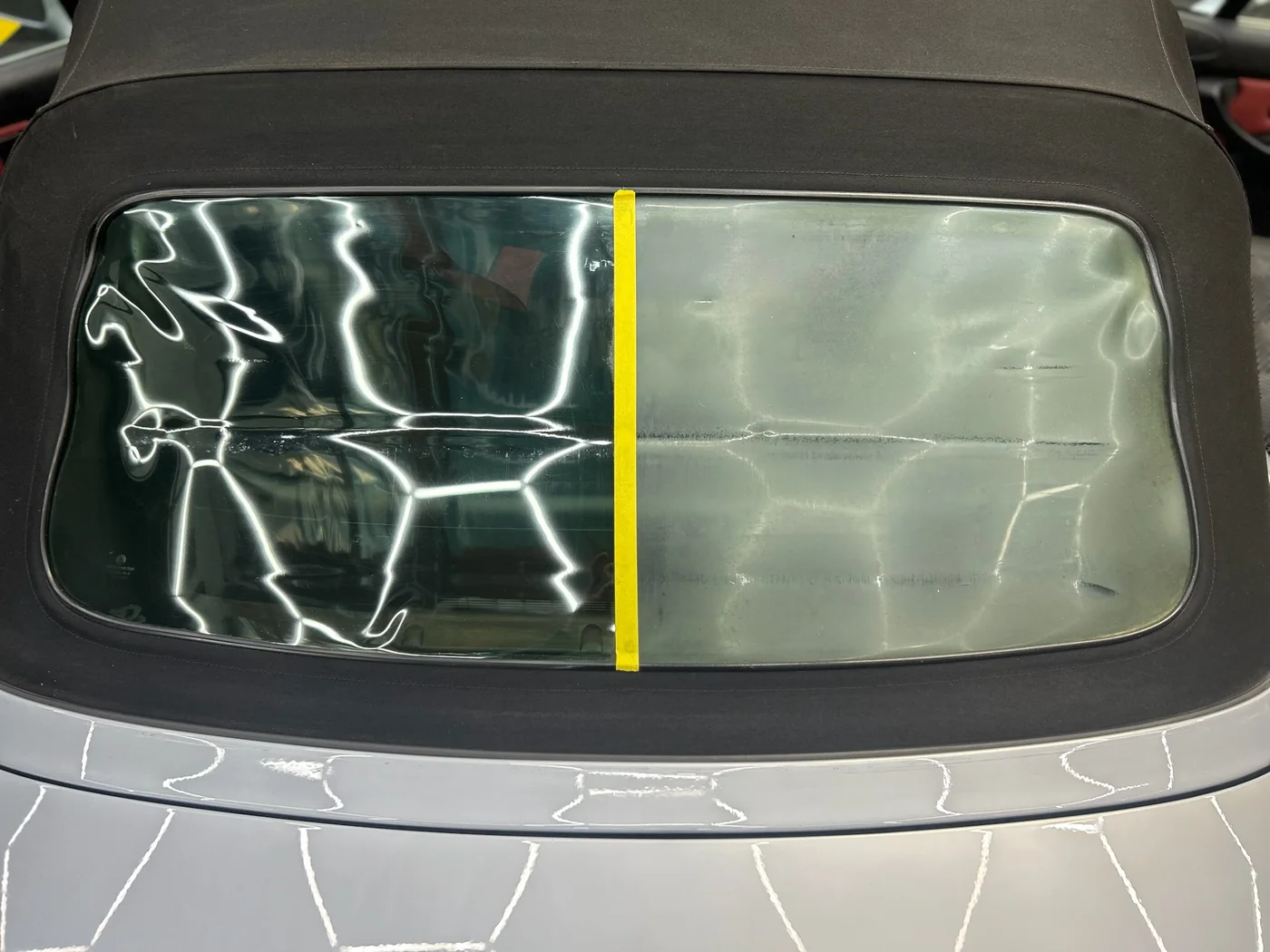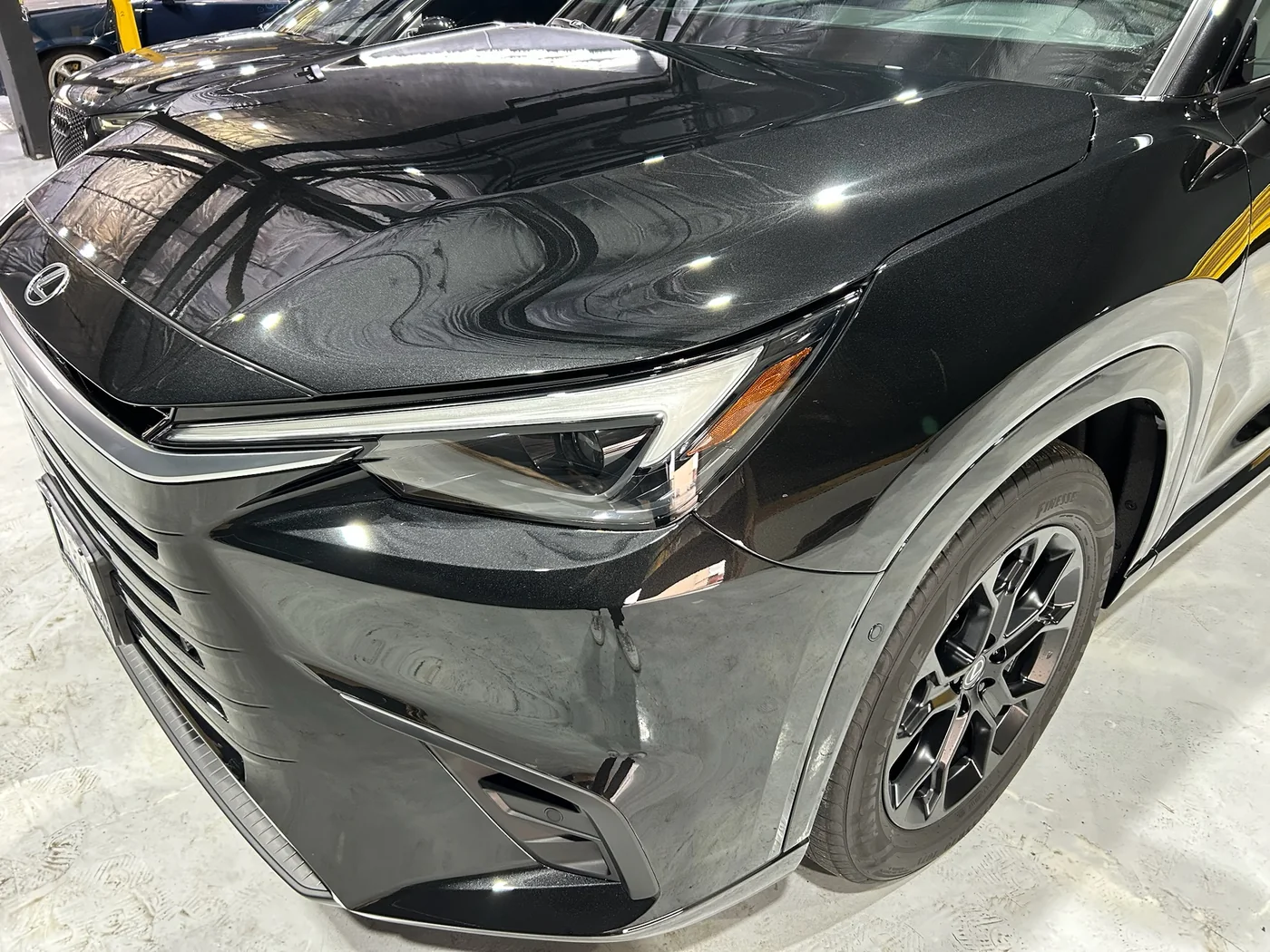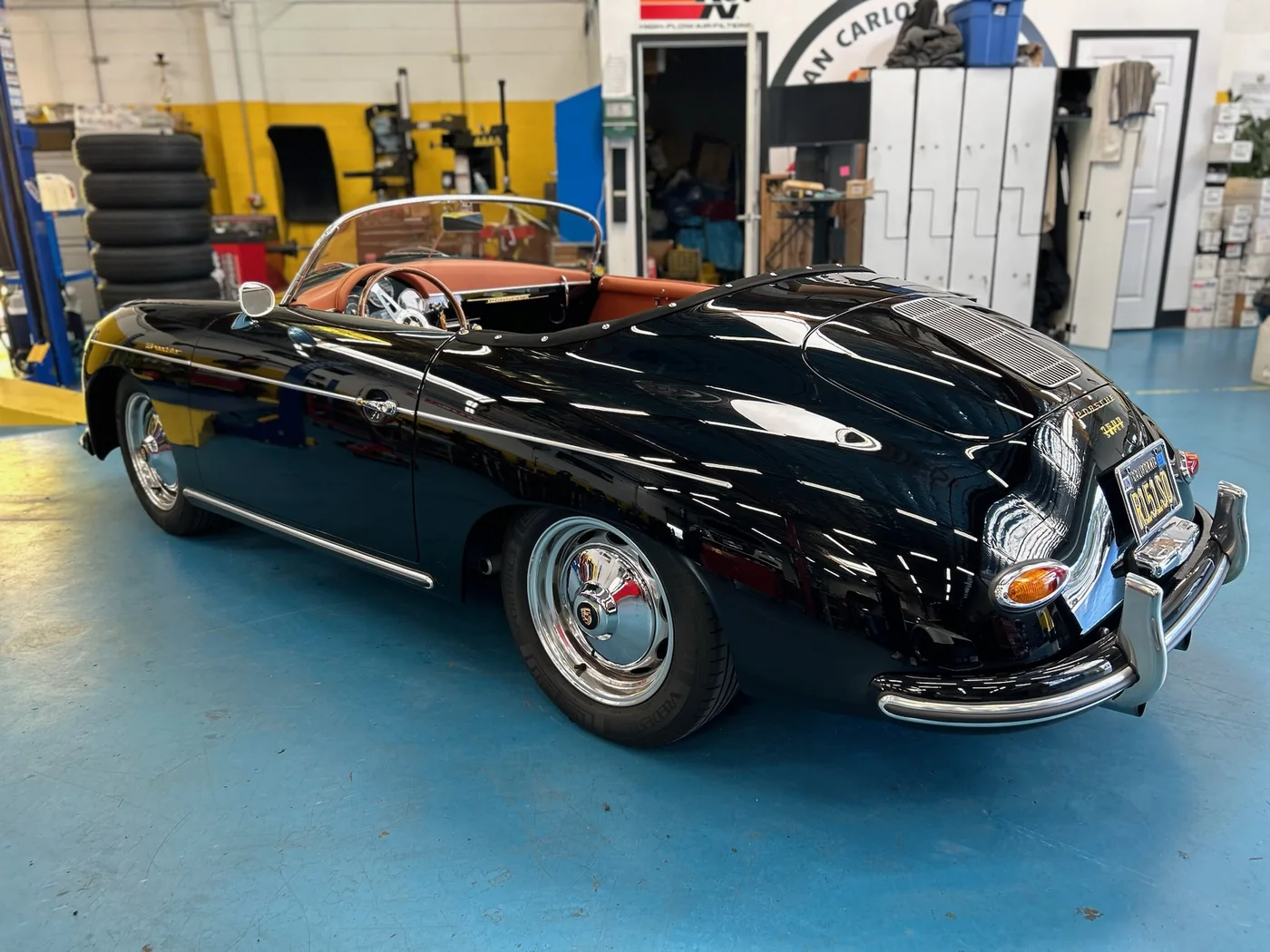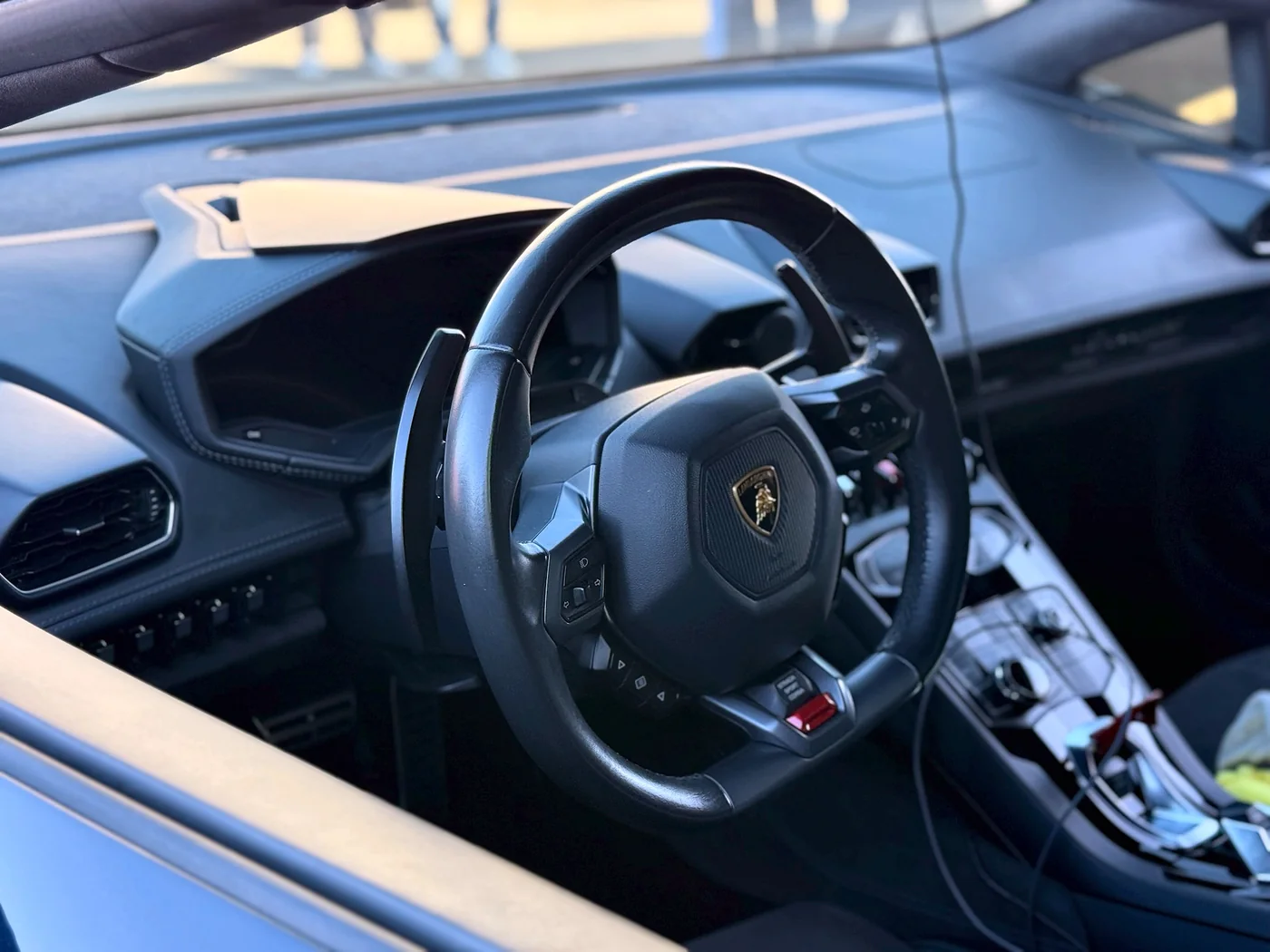

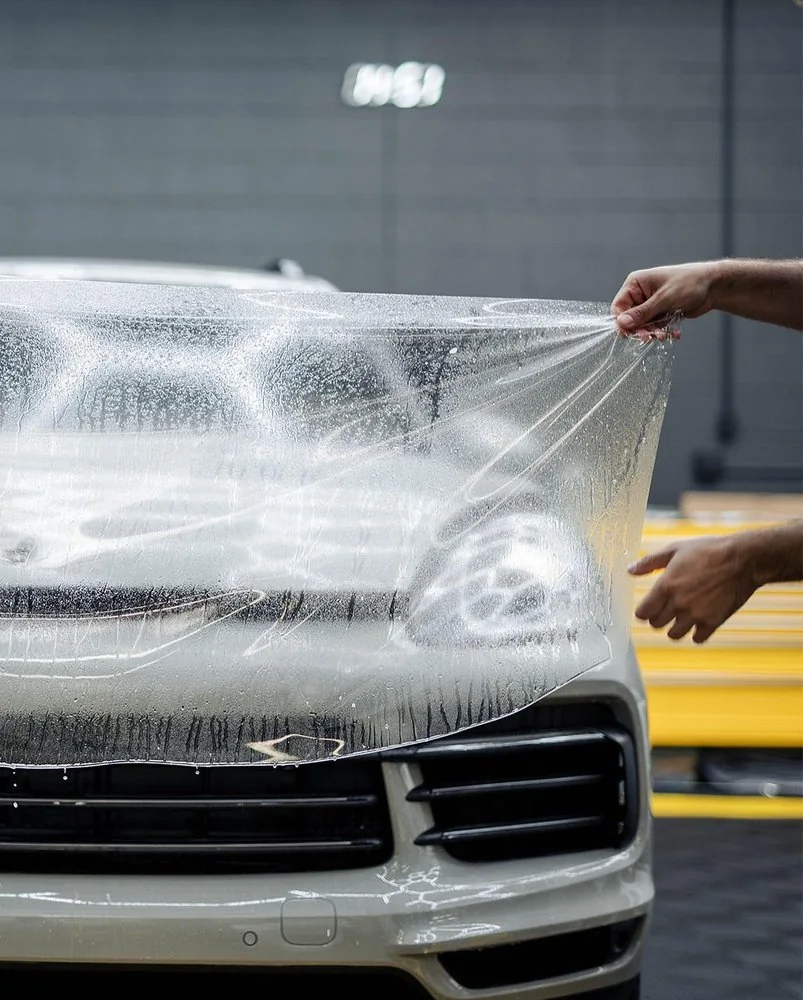

A premium vehicle can look clean and still carry the evidence of hurried care: bonded fallout in the paint, brake dust baked into wheel barrels, leather quietly drying under Bay Area sun, and gloss muted by improper wash technique. The best premium detailing package features address those details with a vehicle-specific process, not a menu of loosely connected add-ons.
For owners who value finish quality, long-term condition, and a proper driving experience, detailing is not simply an appearance service. It is a disciplined reset of the vehicle's cosmetic surfaces, followed by protection that makes future maintenance safer and more effective. The right package should account for how the vehicle is driven, where it is stored, its existing condition, and the protection already in place.
Premium Detailing Package Features Worth Paying For
A serious package begins before a wash mitt touches the paint. The vehicle should be assessed under proper lighting so the detailer can identify swirl marks, oxidation, water-spot etching, embedded contamination, stained trim, wheel damage, and wear in high-contact interior areas. This inspection shapes the work. A garage-kept weekend 911 needs a different approach than a daily-driven Range Rover that regularly crosses the Peninsula or a collector vehicle returning from extended storage.
The exterior wash itself should be a controlled process, not a quick pass through soap and water. Quality detailing starts with wheel and tire cleaning, a pre-rinse to remove loose grit, pH-appropriate cleaners, and careful contact washing with clean tools. Wheel barrels, calipers, exhaust tips, emblems, door jambs, fuel doors, lower rocker panels, and panel gaps all deserve attention. These areas hold contamination that can undermine an otherwise excellent result.
Chemical and mechanical decontamination are equally important. Iron particles from braking, industrial fallout, tree residue, and road film can remain bonded to paint even after a thorough wash. Removing them restores a smoother surface and prepares the finish for polishing or protection. On paint protection film, matte paint, satin finishes, and delicate trim, product selection and technique matter considerably. The goal is correction and preservation, not aggressive cleaning for its own sake.
A premium service should also include safe, controlled drying. Filtered air, dedicated microfiber towels, and attention to water traps reduce streaking and prevent mineral deposits from appearing after the vehicle leaves the shop. It is a small part of the process, but it reflects the broader standard: avoid creating new defects while removing existing grime.
Paint correction matched to the finish
Polishing is often the feature that separates a true premium detail from a high-priced wash. It can improve gloss, clarity, and color depth by reducing the appearance of swirls, wash marring, light scratches, and haze. But correction should be measured, not promised indiscriminately.
Every polishing step removes a small amount of material from a traditional clear coat. A knowledgeable technician evaluates paint thickness where appropriate, understands the limits of a particular finish, and chooses the least aggressive combination capable of producing the desired improvement. A single-stage enhancement may be ideal for a newer vehicle with light defects. A multi-stage correction may suit a neglected finish, provided the paint condition supports it.
Not every imperfection should be chased. Deep scratches that catch a fingernail, rock chips, prior bodywork, and thin factory paint demand judgment. On a rare, original, or collector vehicle, preserving healthy paint may be more valuable than pursuing absolute visual perfection. That is the difference between cosmetic work and informed vehicle stewardship.
Protection that supports how you use the car
A premium detailing package should not treat protection as an afterthought. Once surfaces are properly cleaned and refined, they need a sacrificial layer that helps resist environmental exposure and simplifies future maintenance. The best choice depends on the vehicle and ownership plan.
A quality sealant can offer a meaningful improvement in gloss and water behavior for owners seeking a focused seasonal refresh. Ceramic or graphene coatings provide longer-term chemical resistance, easier cleaning, and enhanced visual depth when correctly installed and maintained. They do not make paint invulnerable, and they do not replace paint protection film in high-impact areas. A coating helps with contamination and wash maintenance; film is engineered to absorb many road-impact events that would otherwise damage the finish.
Premium packages should extend this thinking beyond the painted panels. Exterior glass, wheels, calipers, trim, and exhaust components each face different heat, contamination, and cleaning demands. Protecting these surfaces with compatible products can make routine care more effective while preserving a consistently finished appearance.
Interior Care Is Part of Premium Detailing
The interior is where ownership becomes personal. It is also where rushed detailing is easiest to spot: greasy touchpoints, shiny leather from unsuitable dressings, residue around switches, dust in vents, and carpets that look clean but retain odors or grit beneath the fibers.
Proper interior detailing begins with a material-by-material assessment. Modern luxury cabins combine coated leather, Alcantara, open-pore wood, carbon fiber, piano-black trim, anodized metal, delicate screens, and technical fabrics. Each requires an appropriate cleaner, controlled moisture, and tools that will not scratch, stain, or leave residue. Heavy saturation around electronics or stitched surfaces is not premium care.
Leather should be cleaned to restore a natural, matte finish rather than treated with a slippery shine product. Alcantara needs specialized brushing and extraction techniques to lift embedded debris without matting the fibers. Piano-black trim requires exceptional restraint because it marks easily. For interiors with odors, a professional approach identifies the source - moisture, food, pet exposure, smoke, or a contaminated cabin filter - rather than masking it with fragrance.
Carpet, upholstery, and trunk areas should receive the same attention as visible seating surfaces. A thorough package includes careful vacuuming around seat rails and under pedals, cleaning of door pockets and cupholders, and treatment of high-touch points such as steering wheels, shifters, handles, and switches. In a performance or collector car, those details preserve the sense that every control is exactly where it should be: clean, dry, and uncompromised.
The Details That Reveal a Higher Standard
Premium work is often visible in the places most people overlook. Tires should have an even, satin finish rather than a wet, artificial sheen. Glass should be clear at night, not merely streak-free in the service bay. Badges, grilles, diffuser channels, and door jambs should be clean without leaving standing water or product buildup.
The package should also include a final quality-control inspection under strong lighting. This is where missed polish residue, uneven tire dressing, touch-up needs, and remaining defects are identified before delivery. For high-value vehicles, the delivery conversation matters as well. The owner should understand what was completed, what condition limitations were found, which surfaces were protected, and how to maintain the result without undoing it at the next wash.
There is also value in a detailer who sees the larger picture. A detail appointment may reveal early paint damage that warrants film, windshield pitting that affects visibility, failing trim, or mechanical concerns that deserve a specialist's attention. At Artec Automotive, that broader perspective is part of caring for the vehicle as a complete asset, not just preparing it for a photograph.
How to Choose the Right Level of Service
The most expensive package is not automatically the right one. A well-maintained vehicle with a recent coating may benefit more from decontamination, an interior reset, and coating-safe maintenance than from correction polishing. A newly purchased pre-owned vehicle may need more extensive work to remove evidence of neglect and establish a protected baseline. A car headed to a concours event has different requirements than an SUV used for school runs and ski weekends.
Ask how the service will be tailored to the finish, which areas are included beyond the obvious body panels, and what protection is appropriate after the work is complete. Be cautious of vague claims of permanent protection or blanket promises of scratch removal. Expert detailing sets realistic expectations, explains trade-offs, and protects the vehicle's long-term condition while delivering a result that feels exceptional from the driver's seat.
The right premium detail leaves more than a brighter finish. It gives you a clear baseline, a smarter maintenance plan, and the confidence that your vehicle is being preserved with the same precision that went into building it.