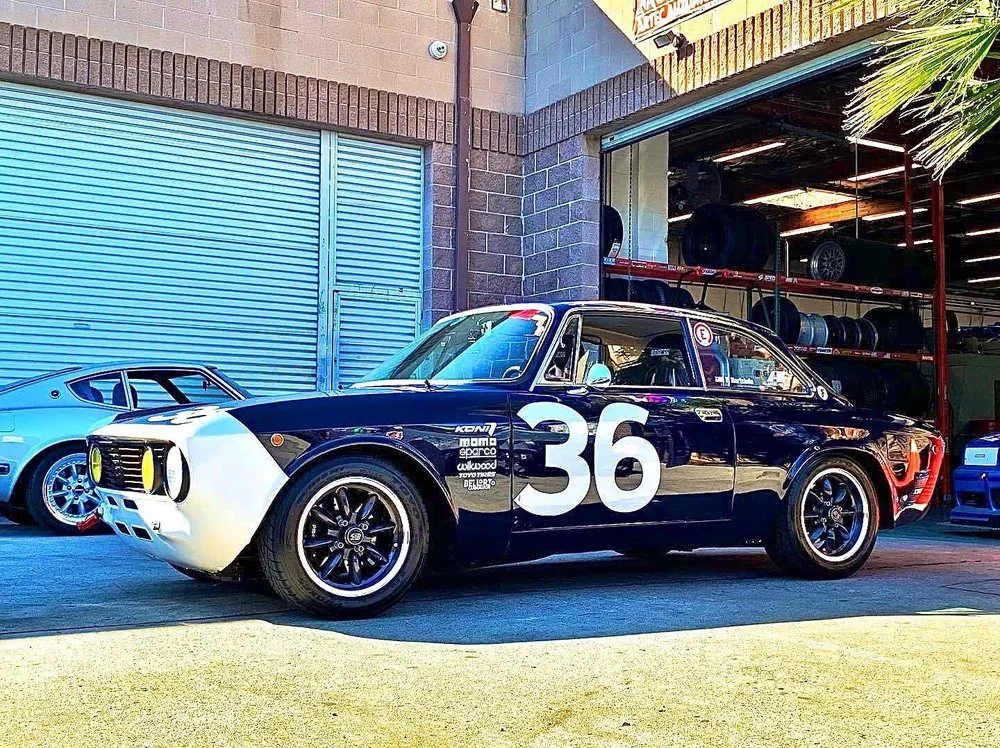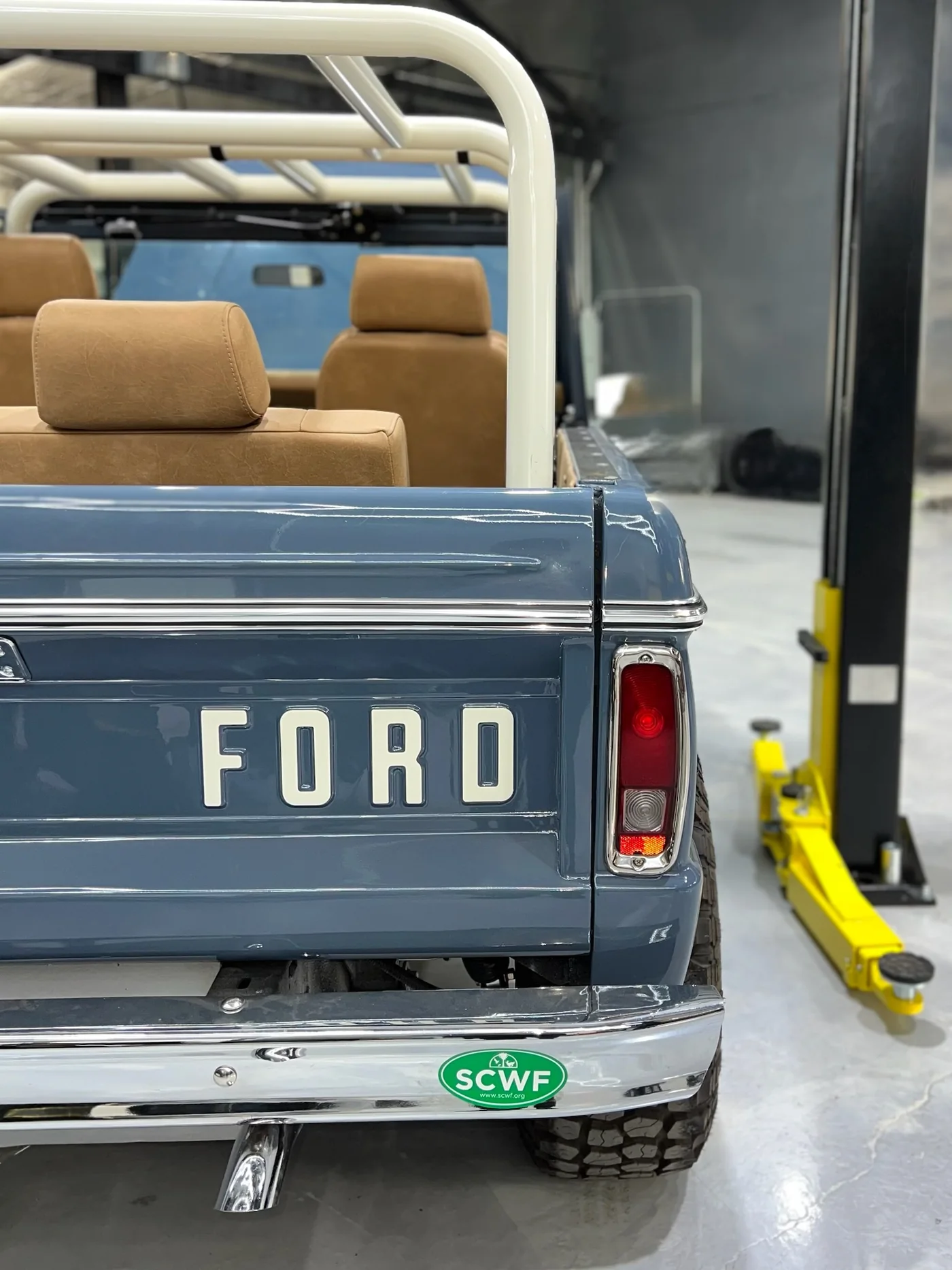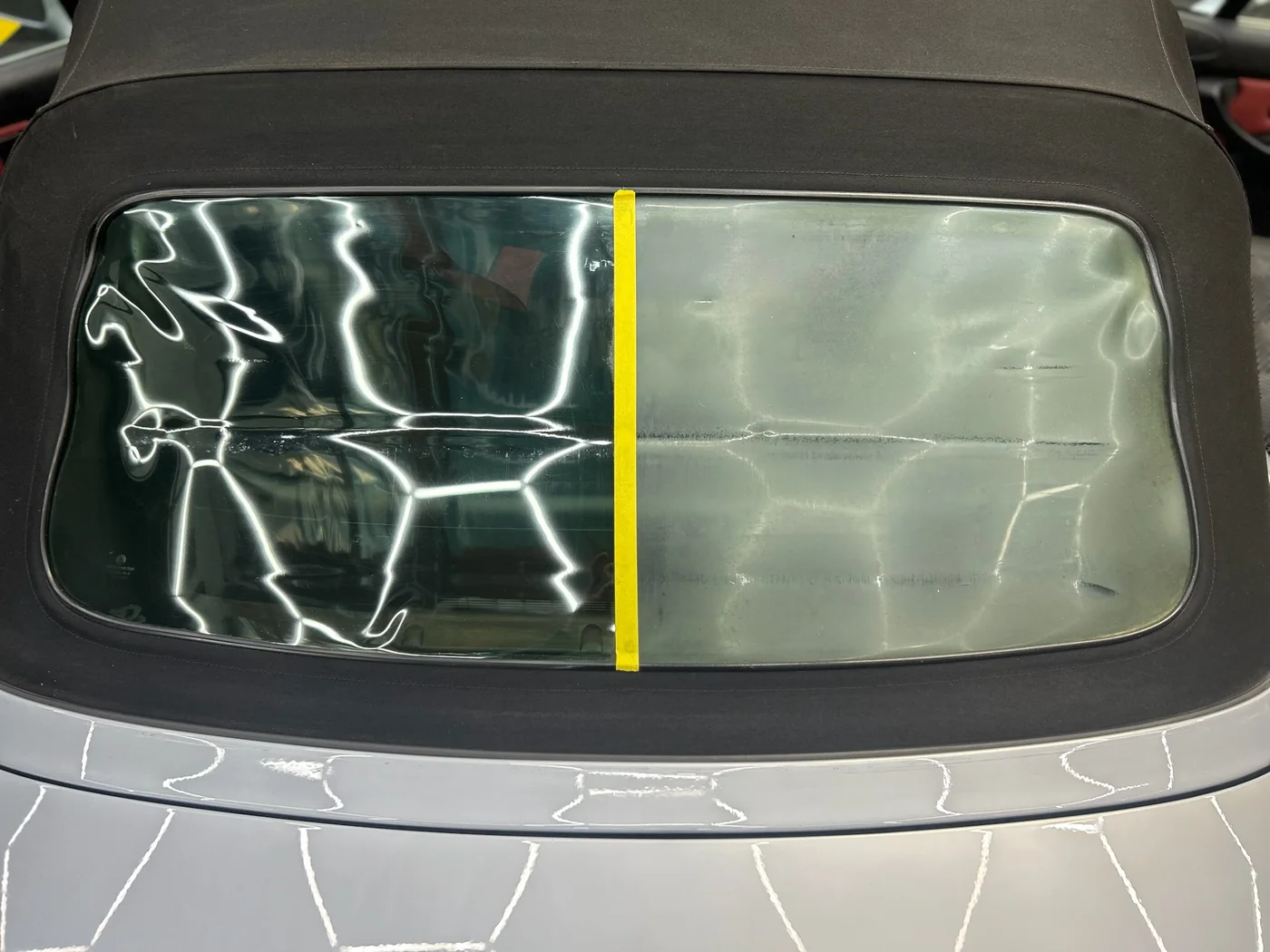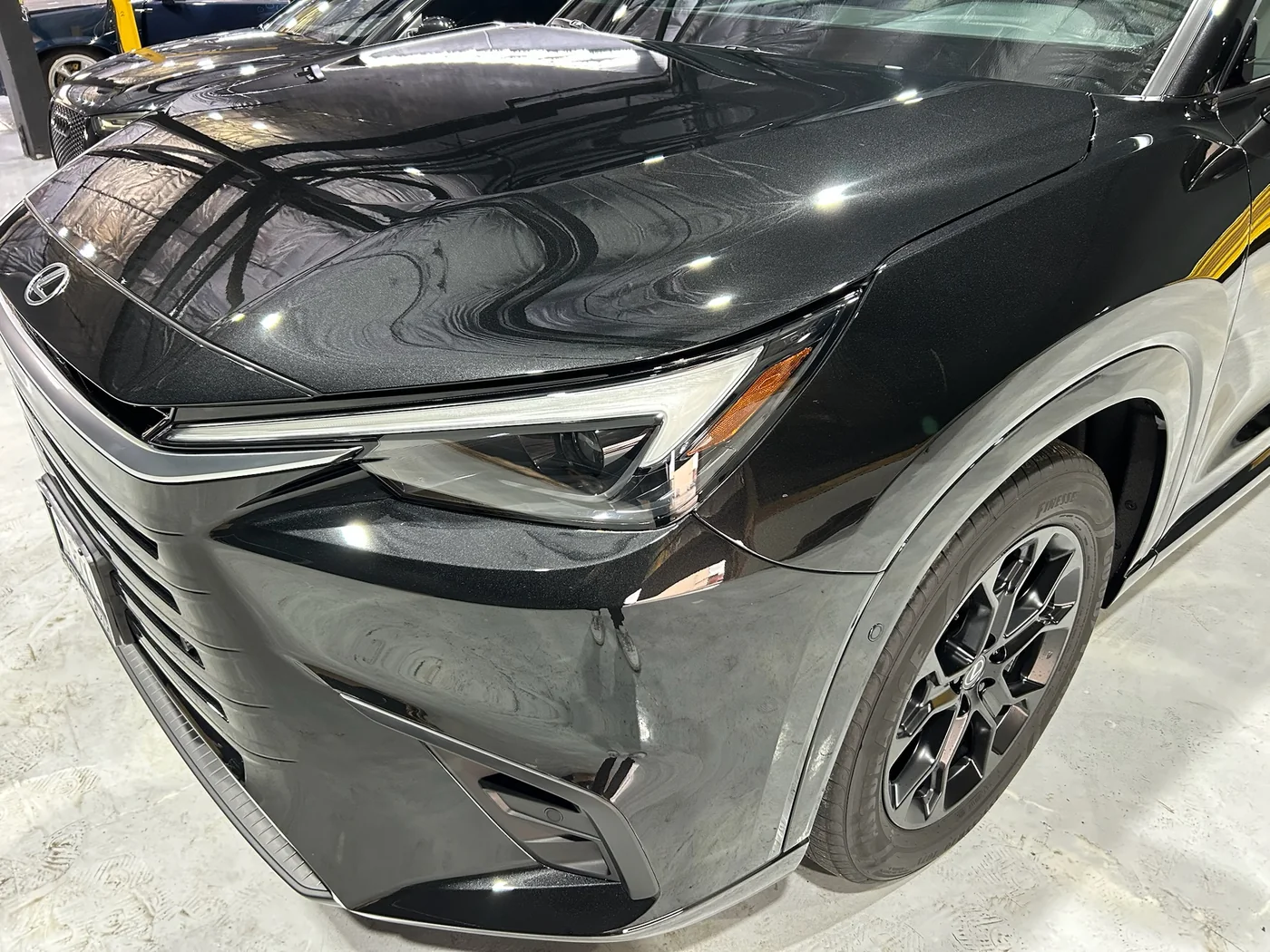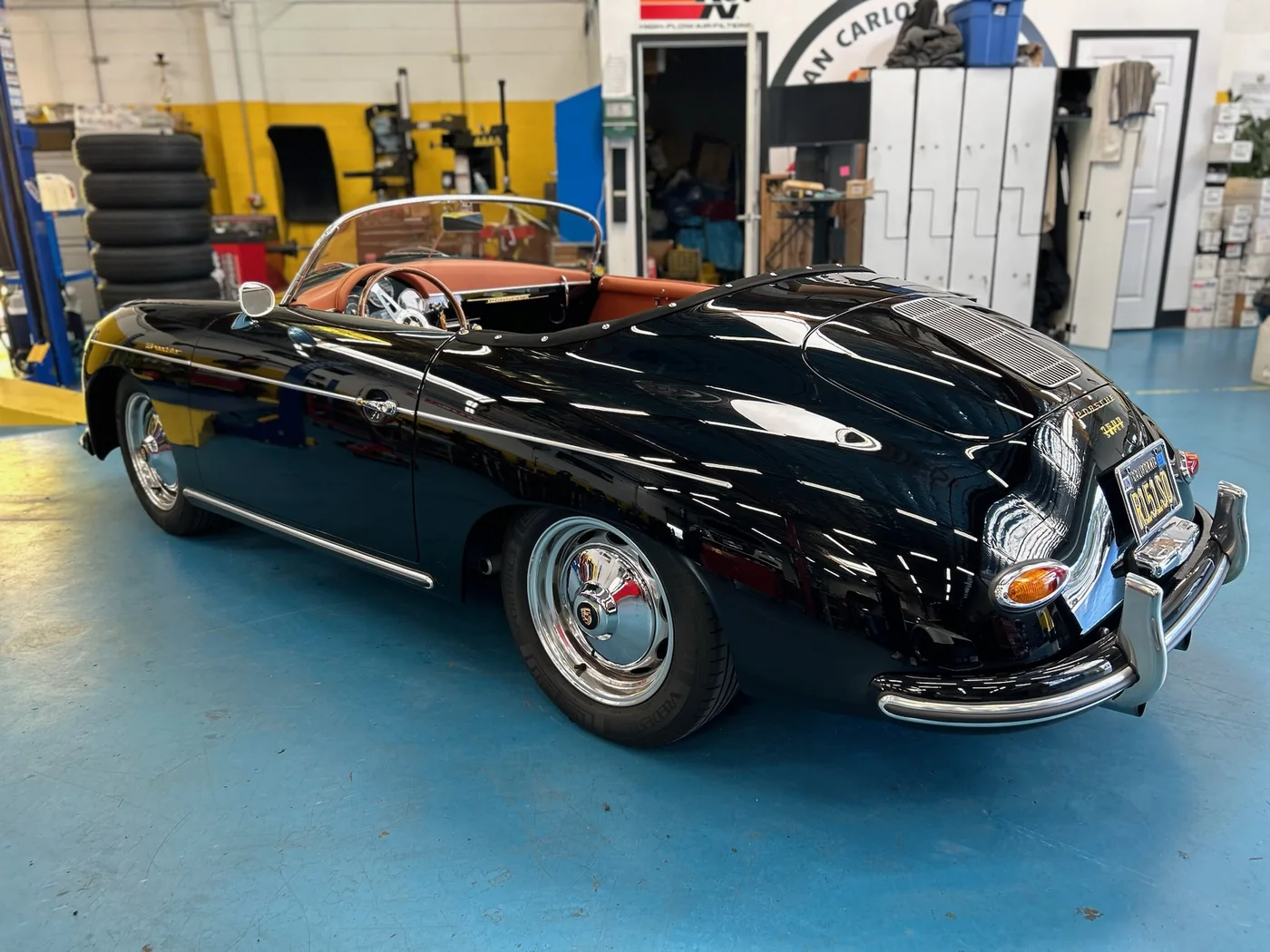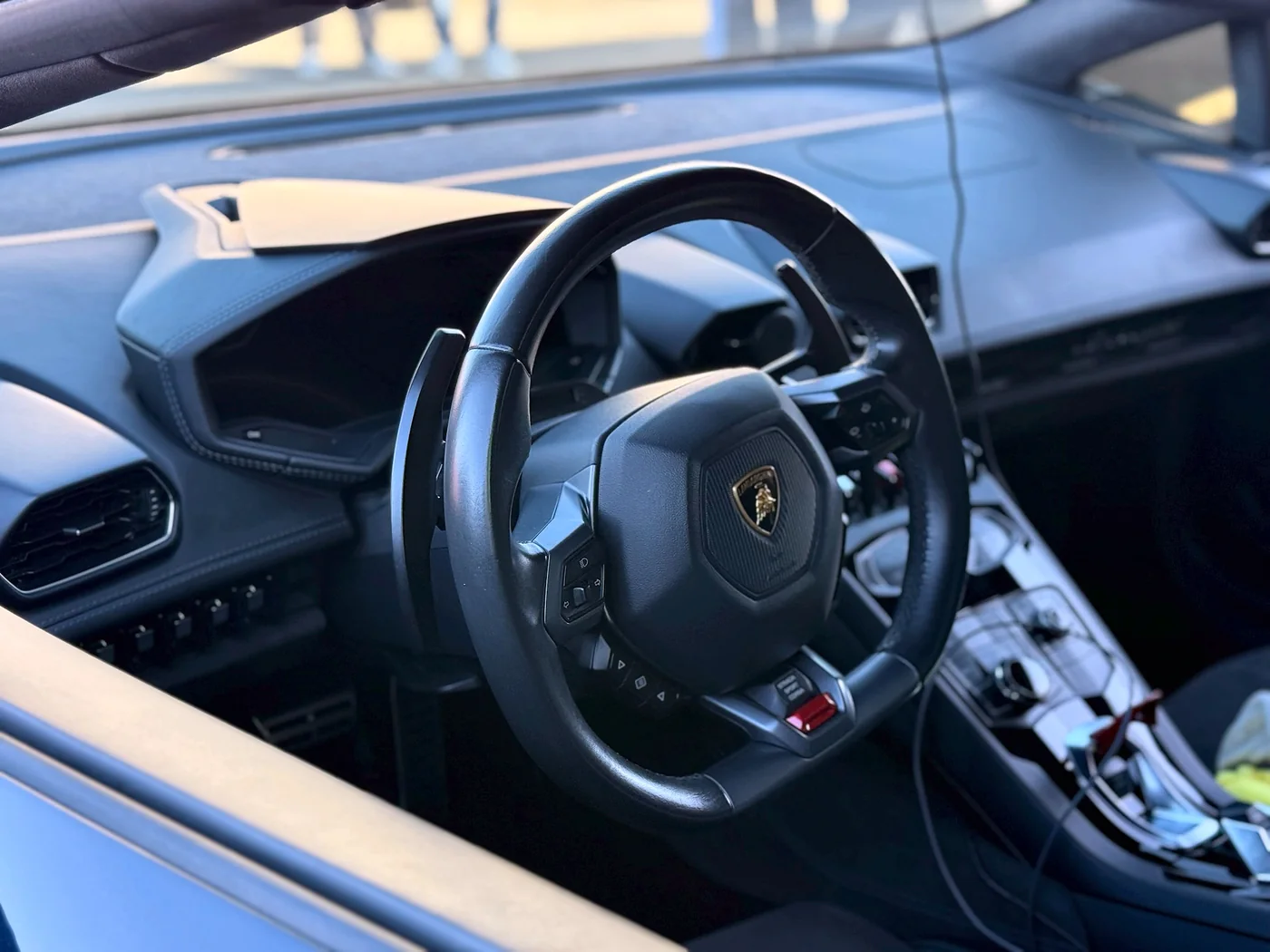

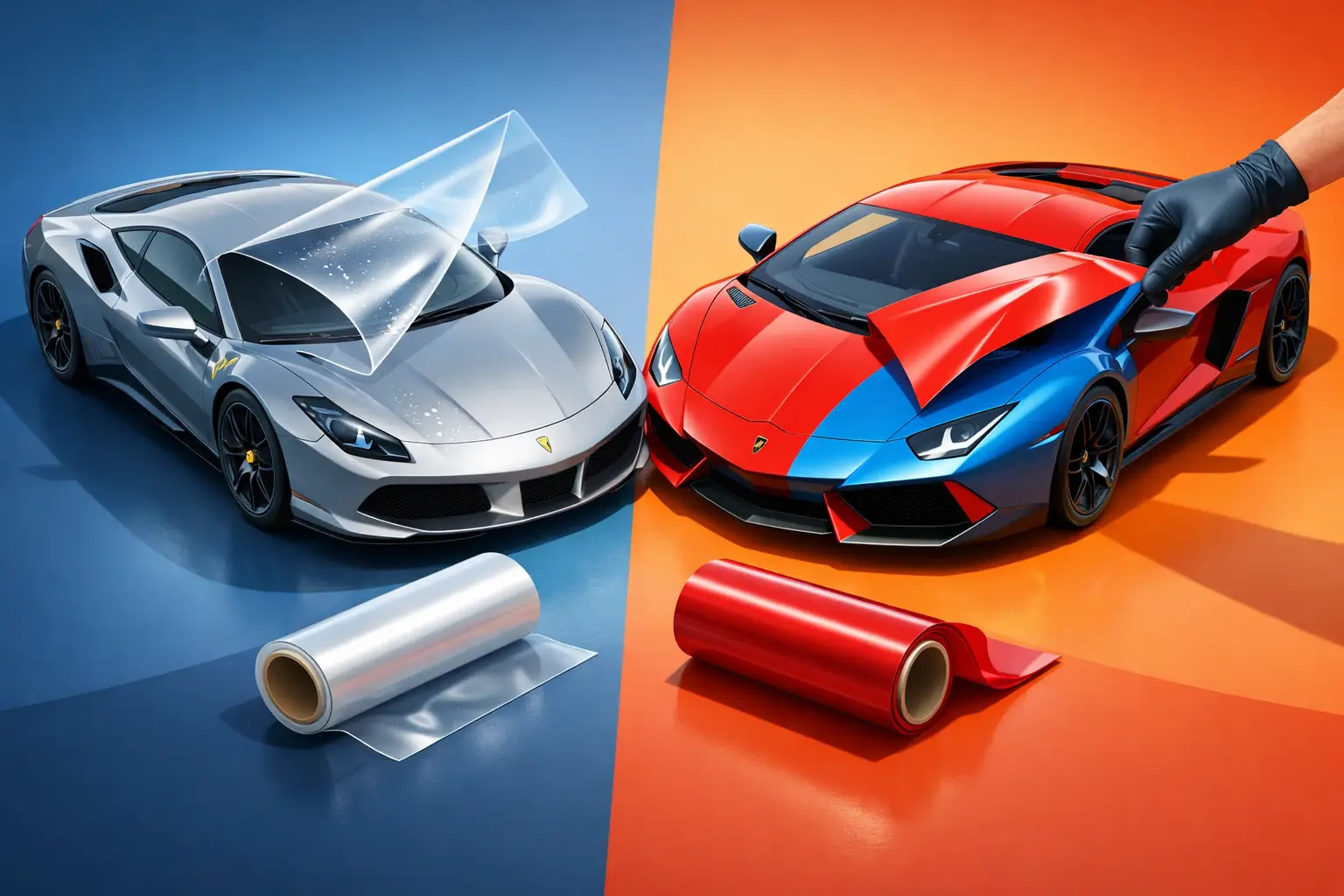
A low-slung bumper meets Bay Area road debris at highway speed. A dark-painted door catches a careless parking-lot opening. A new color starts to feel dated after a few years. These are different ownership problems, which is why PPF versus vinyl wrap is not a simple choice between two films. One is primarily engineered to preserve factory paint. The other is designed to transform appearance.
For luxury, performance, and collector vehicles, choosing correctly matters. The material affects more than the surface finish: it influences long-term paint condition, resale presentation, maintenance requirements, and how confidently you can drive the vehicle you enjoy.
PPF Versus Vinyl Wrap: The Fundamental Difference
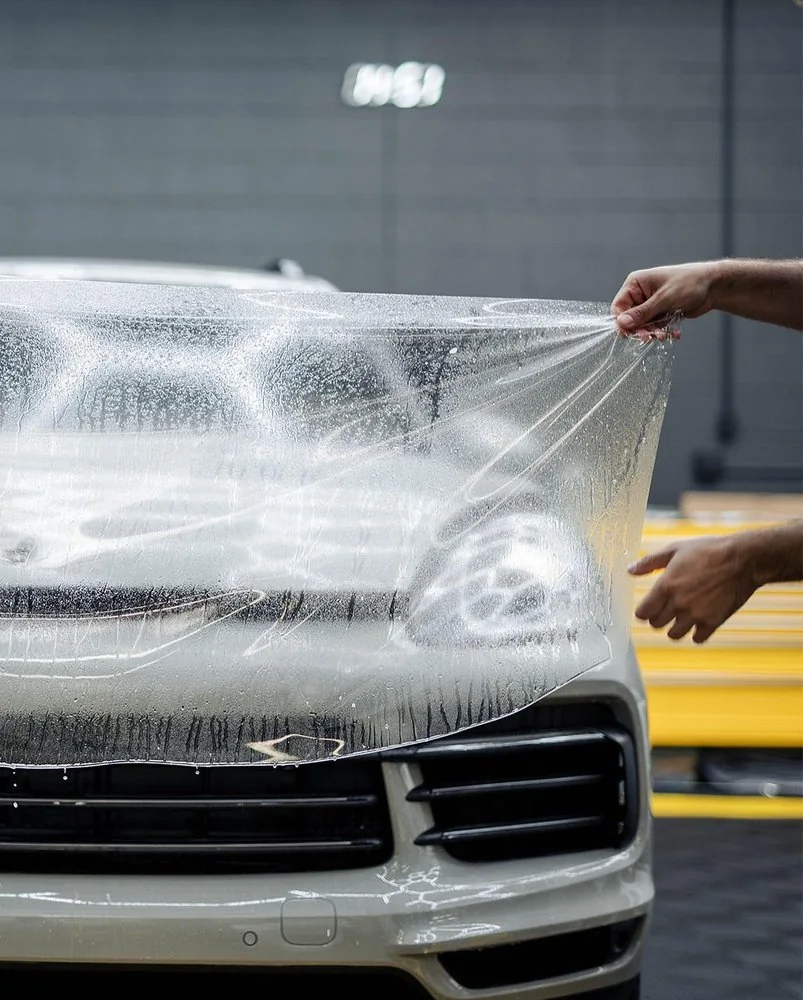
Paint protection film, commonly called PPF or clear bra, is a thicker urethane film applied over painted panels. Its purpose is impact resistance. Quality PPF helps absorb the force of rock chips, road grit, minor abrasions, bug acids, and other hazards that would otherwise mark the clear coat. Modern premium films can also self-heal light surface scratches with heat and include hydrophobic top coats that make routine cleaning easier.
Vinyl wrap is a thinner, color or finish-changing film. It is the material of choice when the goal is visual customization: satin black trim, a color change, a metallic finish, a motorsport-inspired livery, or a distinctive texture such as brushed metal or carbon fiber. Vinyl does create a physical layer between the paint and the environment, but it is not built to provide the same level of impact protection as PPF.
That distinction should drive the conversation. If your concern is preserving an original Porsche, Tesla, BMW M car, Mercedes-AMG, Ferrari, or Range Rover from the wear of Northern California roads, PPF is the protection-first decision. If the priority is changing the vehicle's character without repainting it, vinyl wrap is the customization-first decision.
What PPF Protects Against
A properly installed premium PPF is most valuable on the areas that take the most abuse: the front bumper, hood, front fenders, mirror caps, rocker panels, rear wheel arches, and lower doors. For vehicles driven frequently on Highway 101, Interstate 280, winding Peninsula roads, or weekend routes through the hills, those panels are constantly exposed to small impacts that can become permanent paint damage.
The thickness and elasticity of urethane allow PPF to take punishment that would cut through a vinyl wrap. It can also help reduce the visual impact of light scuffs from loading cargo, brushing a garage wall, or contact with road debris. It is not armor. A severe impact can still damage film and paint beneath it, and PPF will not prevent dents. But when the film absorbs a chip or abrasion, replacing a protected section is often far preferable to repairing and repainting an original panel.
Clear PPF is especially compelling for vehicles with complex factory colors, multi-stage finishes, carbon-fiber components, or paintwork where originality contributes to value. It preserves the factory appearance rather than covering it. Gloss film can retain the depth of a paint finish, while matte or stealth PPF can give a gloss-painted vehicle a refined satin appearance while maintaining meaningful protection.
What Vinyl Wrap Does Best
Vinyl wrap lets an owner make a bold aesthetic decision without committing the vehicle to permanent paintwork. A leased vehicle can take on a distinctive finish. An executive sedan can become more personal with a satin dark gray exterior and gloss-black accents. An exotic can be prepared for an event, rally, or brand activation, then returned to its original presentation later.
The available finishes are a major advantage. Vinyl offers colors and visual effects that may not exist in an OEM palette, from subtle satin tones to high-impact color-shifting films. It can also be used selectively. Roofs, trim, mirror caps, chrome elements, interior accents, and racing stripes can be wrapped without changing the entire vehicle.
For owners who value variety, vinyl is the more expressive material. It provides a reversible path to a new visual identity, generally at a lower initial investment than full-vehicle PPF. The trade-off is that a vinyl wrap should not be selected with the expectation that it will offer the same defense against rock chips or deep abrasion.
Durability, Appearance, and Maintenance
Both products are temporary in the sense that they can be removed, but their expected lifespan and performance differ. High-quality PPF is designed for longer-term exterior protection and commonly carries manufacturer warranties that reflect its resistance to yellowing, staining, cracking, and delamination. Vinyl wrap longevity depends heavily on the film, color, finish, exposure, preparation, and care. Horizontal surfaces subjected to continuous sun often age faster than vertical panels.
The Bay Area's climate is generally favorable for premium films, but UV exposure, coastal salt air, tree sap, bird droppings, and improper washing can shorten the life of any installation. Regular hand washing with pH-balanced products remains the right approach for both PPF and vinyl. Avoid harsh solvents, aggressive brushes, and excessively close pressure-washer use at film edges.
PPF is usually the easier choice for an owner focused on preserving a polished, freshly corrected finish. Its self-healing properties can keep fine wash marring from becoming visually distracting. Vinyl is more finish-sensitive. Matte, satin, and textured wraps require the correct products and handling because polishing or using the wrong chemical can alter their appearance.
Cost Is About Scope, Not Just Material
Comparing a full wrap price to a partial PPF package can be misleading. The cost is shaped by vehicle size, panel complexity, film selection, installation coverage, paint correction needs, and the standard of disassembly and finishing required.
A front-end PPF package may be the most strategic investment for a daily-driven performance vehicle because it targets the panels most likely to suffer chips. Full-body PPF carries a larger initial cost, but it provides comprehensive preservation for high-value vehicles, rare colors, and owners who intend to keep their cars in exceptional condition. A full vinyl color change may cost less than full PPF, yet it is a styling investment rather than equivalent paint insurance.
Preparation is where premium installation separates itself. Film should not be applied over contamination, active paint defects, failing clear coat, or poorly repaired bodywork. On a new vehicle, correction may be modest, but even new cars often arrive with transport marks or dealership-installed swirls. On an older vehicle, careful paint correction before PPF or wrap installation can determine whether the final result looks exceptional or merely covered.
Can You Combine PPF and Vinyl Wrap?
Yes, and for many enthusiast builds, a combined approach is the most intelligent answer. A common strategy is to protect high-impact zones with clear PPF, then use vinyl for low-impact styling elements such as a roof, hood graphic, stripe package, or trim blackout. This protects vulnerable original paint while allowing visual customization where it makes the most sense.
There is also color PPF, which occupies a useful middle ground. Color PPF can change a vehicle's appearance while providing more substantial protection than conventional vinyl. It is not the right choice for every project, particularly when a highly specific vinyl finish is desired, but it deserves consideration for owners who want a new color and meaningful road protection in one installation.
The order of operations matters. Film edges, seams, panel access, ceramic coating compatibility, and future repair plans should be determined before installation. At Artec Automotive, that planning is part of treating protection and aesthetics as one tailored vehicle-care strategy rather than isolated services.
How to Choose the Right Film for Your Vehicle
Choose PPF when original paint preservation, chip resistance, and long-term condition are the priorities. It is the natural fit for new luxury vehicles, performance cars that see regular highway miles, collector-grade vehicles, and dark paint colors that show every imperfection.
Choose vinyl wrap when your main objective is a color change, a custom finish, removable branding, or a design that expresses your personality. It is ideal when you want a dramatic new look without repainting the vehicle, provided you understand that the film is not a substitute for impact-focused paint protection.
Choose a combined installation or color PPF when both protection and personalization matter. The best option depends on how the vehicle is driven, where it is stored, the condition of its existing paint, how long you plan to own it, and whether its value is tied closely to factory originality.
A film installation should make ownership feel less restrictive, not more precious. Select the material that supports the way you actually use your vehicle, then have it installed with the care its engineering, finish, and future value deserve.