
PPF Maintenance: 4 Shop Tested Wash Steps for Collector Cars

Paint protection film is not maintenance-free, but a simple routine keeps it performing and looking like new. Wait at least three days after installation before washing, wash weekly to biweekly with a pH-neutral soap, avoid brush-style automatic car washes, and inspect edges regularly. This same cadence is commonly recommended for PPF installations.
TL;DR:
- Use two buckets with grit guards, a soft microfiber mitt, and soap with a neutral pH; keep pressure washer nozzles at least 12 inches away.
- Soak droppings, sap, and bug residue with warm, soapy water before wiping; apply a tar remover labeled for PPF only to fuel or tar spots.
- For light scratches, try sunlight or warm water for 20 to 30 minutes first; polish only glossy film, and never use cutting compounds.
- Have a professional assess spreading bubbles, lasting yellowing, or adhesive separation; do not peel failing film yourself, because removal can damage paint and leave residue.
- Apply only coatings formulated for PPF, and confirm the cure window with the installer, since certain film series require waiting several months before coating.
Table of Contents
- How often should you maintain PPF?
- What is the safest way to wash PPF?
- How do you remove stains and stuck-on contaminants?
- When should you polish PPF, and when should you leave it alone?
- Should you wax or ceramic coat PPF?
- How do you tell normal wear from a PPF problem that needs a professional?
- How we handle PPF maintenance on exotic and collector cars
- Why disciplined PPF care matters more on collector cars
- Professional PPF installation and maintenance support
- FAQ
- Sources
How often should you maintain PPF?
A predictable schedule keeps film clean, hydrophobic, and free of the small issues that turn into bigger repairs. Most owners can handle this themselves between the periodic checks we recommend during service visits.
- Weekly to biweekly: wash the vehicle to remove road grit, dust, and organic residue before it bonds to the film surface.
- Monthly: spot-clean any stubborn marks and run your fingers along panel edges, checking for lifting or tackiness.
- Quarterly: do a closer inspection and, if you run a ceramic topcoat, plan a recoat or refresh since hydrophobic layers wear down with washing and UV exposure.
- Annually: have a professional check seam integrity, yellowing, and adhesive condition, since early signs of failure are easier to catch on a lift than in a driveway.
This cadence matters more for high-value and collector cars, where a missed edge lift can mean a full panel replacement instead of a simple reseat. Owners who stick to a seasonal rhythm, lighter washing in winter, closer inspection after road trips, tend to get the longest service life out of their film. The schedule is also a good prompt to pair PPF upkeep with other routine service, which is where a shop visit covers both at once.
What is the safest way to wash PPF?
Washing technique matters as much as washing frequency. The goal is lifting contaminants off the film without grinding them into the surface.
- Rinse the entire panel first with a hose or low-pressure washer to loosen loose dirt before any contact washing.
- Fill two buckets, one with pH-neutral, PPF-safe shampoo and water, one with plain rinse water, and use grit guards in both to trap debris.
- Wash with a soft microfiber mitt, dipping and rinsing between sections to avoid reintroducing grit onto the mitt.
- Dry with a clean, plush microfiber towel or a dedicated drying towel, blotting rather than dragging across the surface.
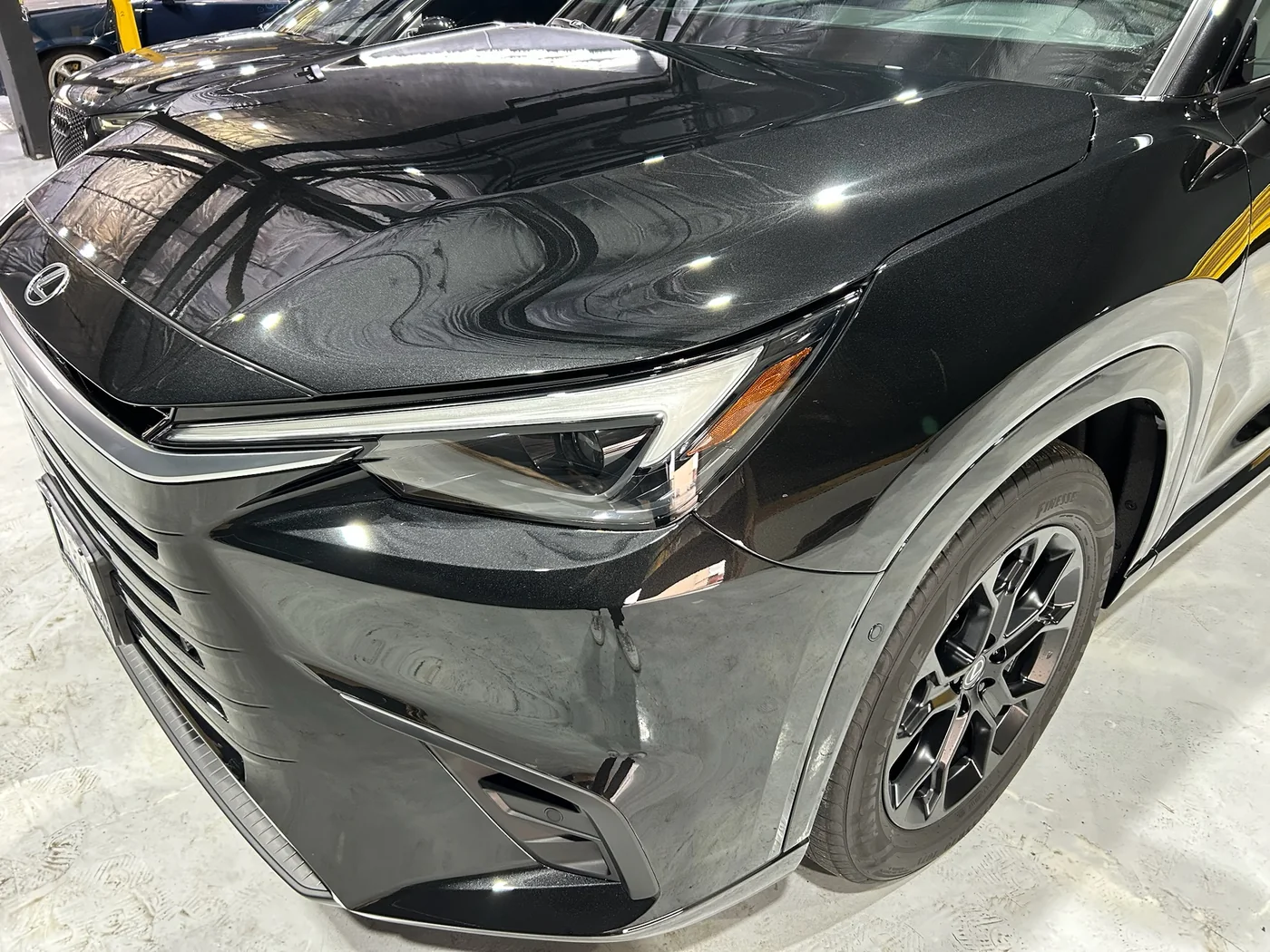
Skip dish soap, strong alkaline cleaners, and solvent-based products. Waxes containing dyes or petroleum solvents can discolor or soften the film’s topcoat over time, according to 3M’s paint protection film FAQ. If you use a pressure washer, keep the nozzle at least 12 inches away and perpendicular to the panel, use a wide spray tip, a nozzle protector, and moderate pressure below the level that risks damaging the film. Touchless car washes are fine on an occasional basis, but brush-style automatic washes are the single most common cause of edge lift we see, since bristles can catch a seam and peel it back.
Pro Tip: Wash in the shade or when the panels are cool to the touch, since soap dries faster on hot film and can leave streaks before you finish rinsing.
How do you remove stains and stuck-on contaminants?
Bird droppings, sap, tar, fuel, and bug residue are acidic or sticky enough to etch film if left too long, but they come off safely with patience instead of force.
- Soak first: saturate the spot with warm, soapy water for several minutes to soften sap, bug residue, or dried droppings before wiping, since soaking loosens stubborn contaminants without scrubbing.
- For fingerprints on matte PPF, a diluted 70% isopropyl alcohol and water mix works well and evaporates cleanly.
- Use a PPF-safe tar remover sparingly on tar or fuel spots, applying it only to the affected area rather than the whole panel.
- Avoid aggressive clay bars or harsh solvents, which can mar the topcoat or strip a ceramic layer underneath.
- Rinse thoroughly after any spot treatment and dry immediately to prevent water spots from forming where the soap residue sat.
Fresh contaminants almost always come off easier than ones left for days, so a quick rinse after a long drive is worth the five minutes it takes.
When should you polish PPF, and when should you leave it alone?
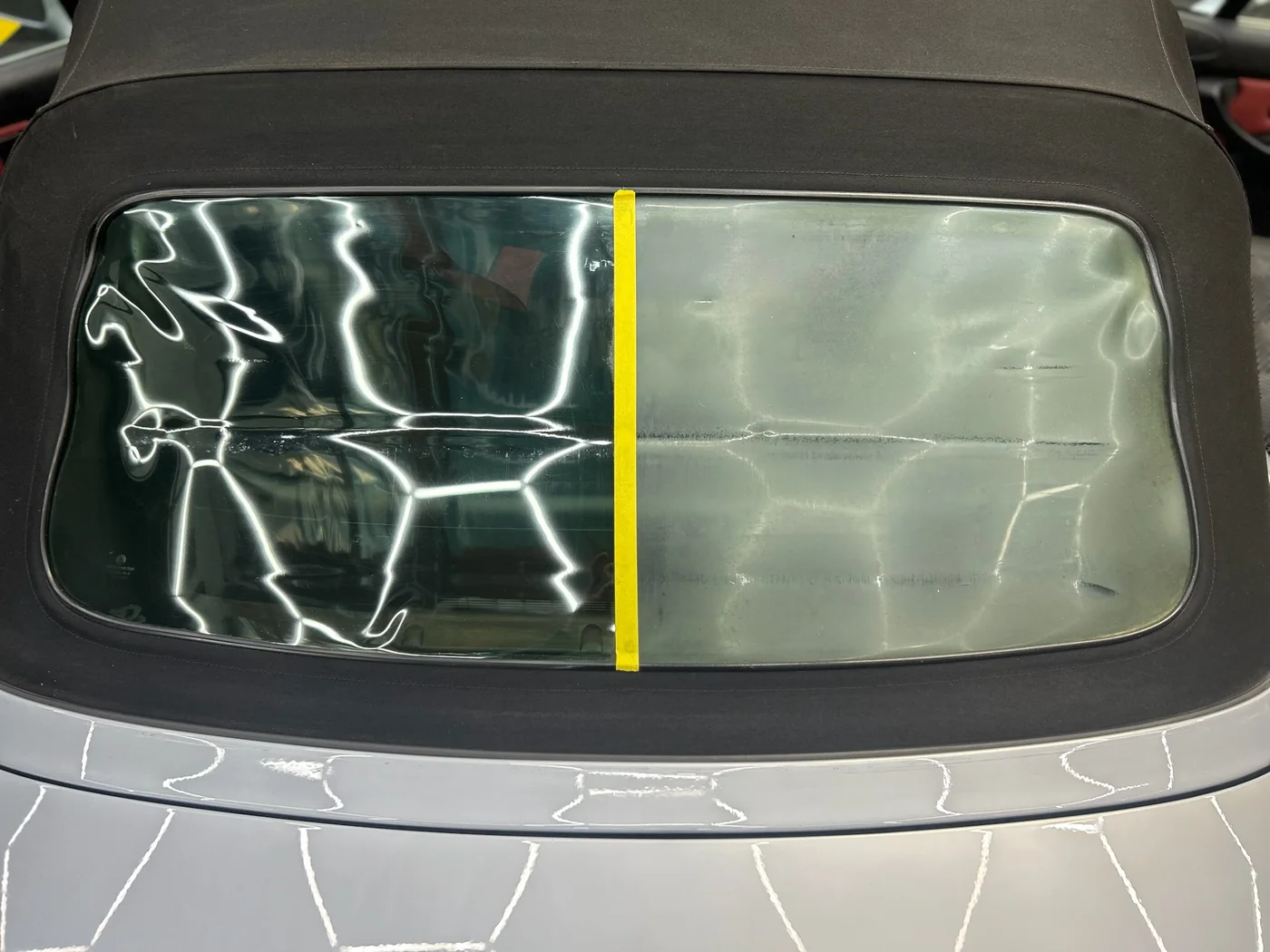
Most micro-scratches on modern self-healing PPF do not need polishing at all. Parking in direct sunlight or applying warm water for 20 to 30 minutes is often enough to let the topcoat reflow and erase light marks, and it should always be the first step before reaching for a polish.
Polishing is appropriate only on glossy PPF and only when heat treatment has not successfully removed minor scratches; matte film should not be polished. When it is warranted:
- Use finishing-grade polishes with fine abrasives, not cutting compounds.
- Work with soft foam or microfiber finishing pads at low machine speeds.
- Polish in small sections, roughly 40 by 40 centimeters, and test an inconspicuous patch first.
- Stay a couple of centimeters clear of any visible edge to avoid catching and lifting the film.
Combining regular washing with a ceramic topcoat reduces how often correction work is needed, since less grime means fewer fine scratches accumulate in the first place. Avoid alcohol-based sprays before polishing, and never push a rotary pad near seams, since friction and heat buildup in that zone risk burning through the film. If a scratch survives heat treatment and a cautious finishing polish, it is time to have a professional look at it rather than escalate to heavier compounds.
Should you wax or ceramic coat PPF?
A sacrificial topcoat extends the time between deep cleans and keeps the film beading water longer, but timing and product choice matter.
- Most manufacturers recommend waiting several days after installation before applying any wax or sealant, giving the adhesive and topcoat time to fully cure.
- Ceramic coatings increase hydrophobicity and cut down on contact washing, but only coatings formulated for compatibility with PPF should go over the film; a partner guide on ceramic coating timing suggests waiting several months in some cases depending on the film series, so it is worth confirming the cure window with whoever installed your film.
- The hydrophobic layer wears down with washing and UV exposure, so plan on reapplying regularly to maintain it as it wears down over time.
- Skip any wax with dyes, abrasive polishing agents, or petroleum-based solvents, since those ingredients are what tend to discolor or soften the topcoat over time.
Pro Tip: If you are not sure whether a coating is PPF-safe, test it on an inconspicuous section first and watch for any haze or tackiness over the following day.
How do you tell normal wear from a PPF problem that needs a professional?
Some issues are cosmetic and self-correcting. Others signal adhesive or material failure that only a professional can fix.
- Call a professional for: persistent edge lifting that does not settle back down, bubbles that spread rather than stay fixed, permanent yellowing that heat and cleaning do not resolve, deep scratches that penetrate past the topcoat, or any sign of adhesive separation across a panel.
- Try first: a gentle re-soak and warm-water treatment on small lifted corners, since minor edge curl sometimes reseats with heat and light pressure.
- Document it: photograph the affected area in good light before your appointment, which helps an installer assess whether it is a localized fix or a sign the film needs replacing.
Professional repair often involves reseating lifted edges with heat and adhesive promoter, or steam-assisted removal and full panel replacement when the film has failed more broadly. Attempting to peel or cut away failing film yourself risks paint damage and leaves adhesive residue that is harder to clean up afterward.
How we handle PPF maintenance on exotic and collector cars
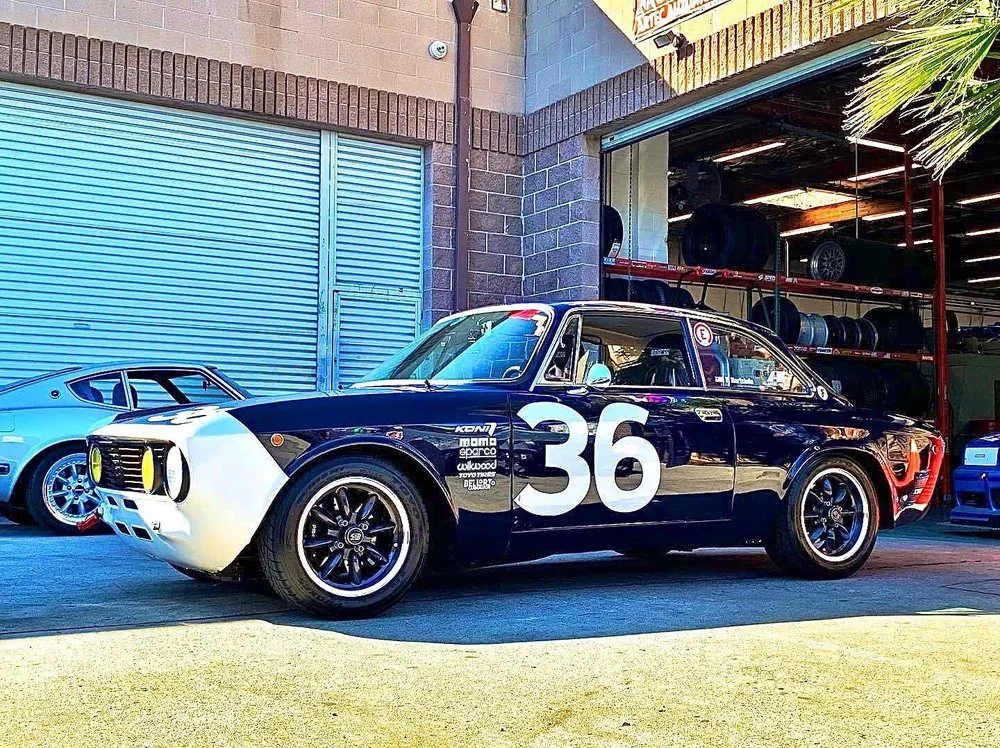
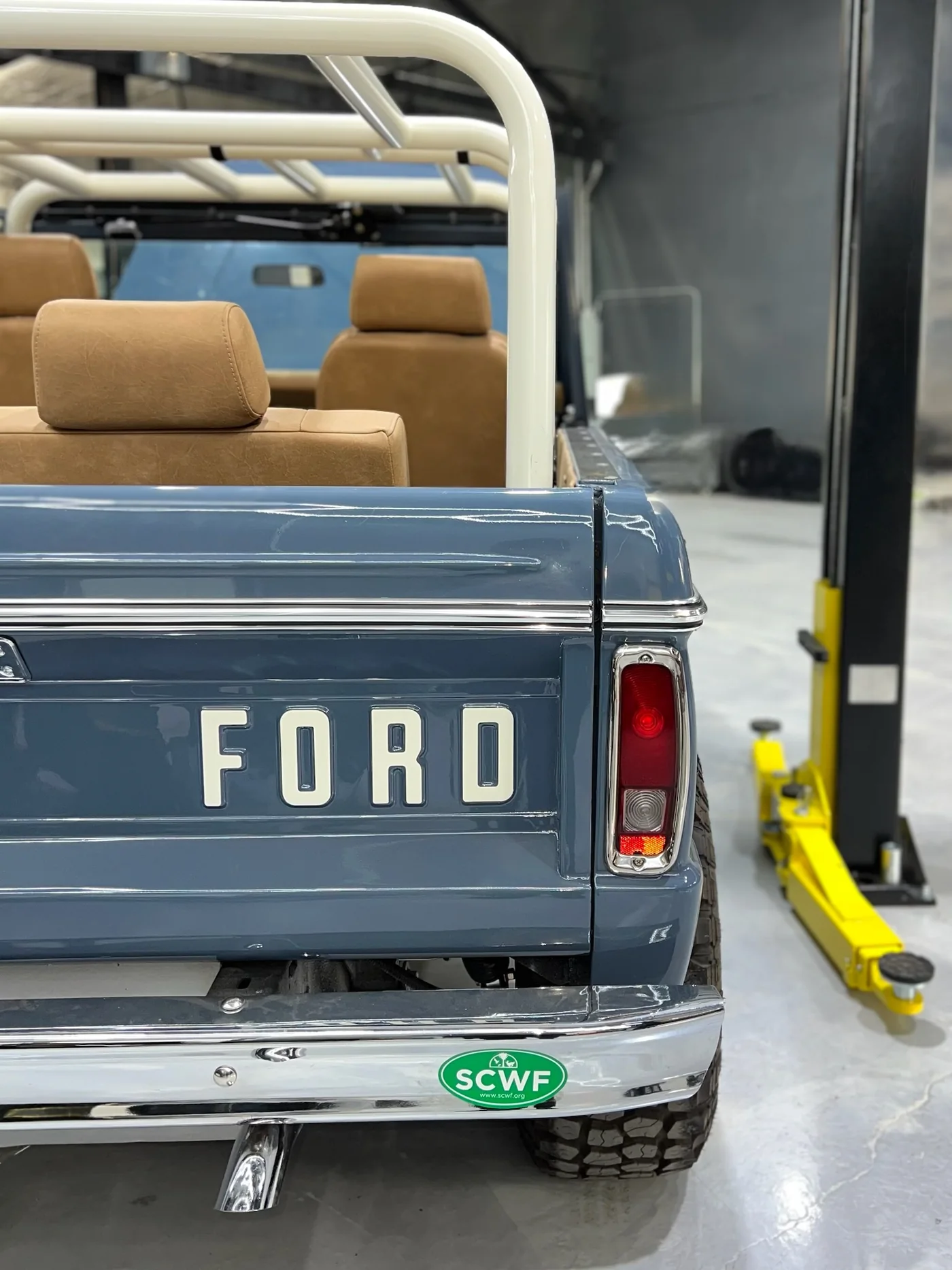
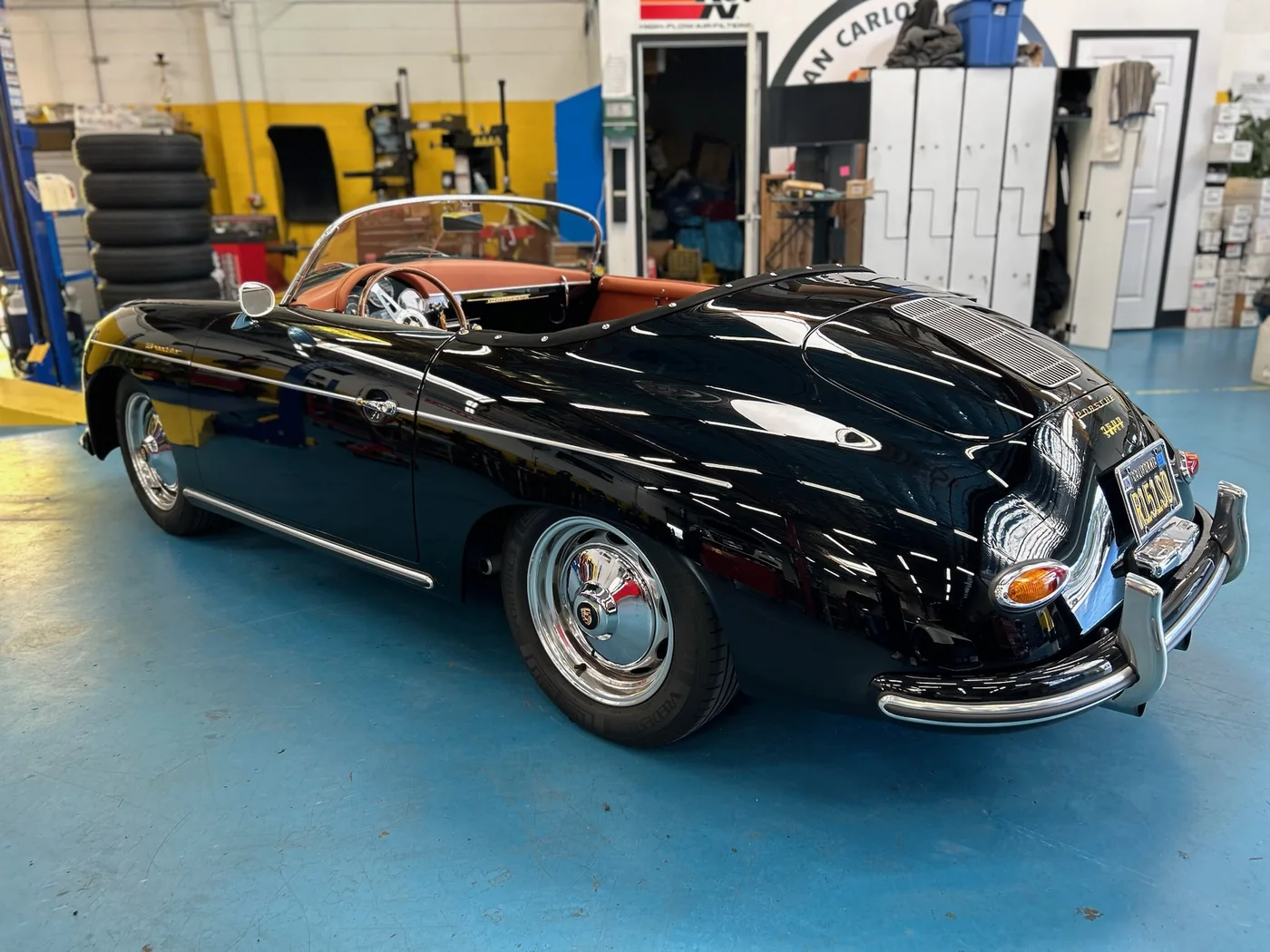
A post-install checklist can include adhesive bond checks, full seam inspections, and photo documentation of every panel to provide a baseline for comparison at return visits. PPF checks are often folded into routine service appointments for high-value vehicles, allowing film condition to be reviewed alongside other car care.

Common maintenance mistakes include using automatic brush washes, allowing bird droppings to sit for days, and running pressure washers too close to seams. Indoor storage, prompt stain removal, and a wide pressure-washer angle prevent nearly all of the issues that bring a car back to us for film repair.
Why disciplined PPF care matters more on collector cars

Owners of high-value cars get more out of prevention than repair, since a damaged panel on a rare or discontinued color is not always a quick fix. Original paint under PPF is part of what preserves a car’s value at resale or at a concours judging, and film that has been neglected does the opposite of what it was installed to do.
The tasks themselves are small: a weekly wash, a monthly edge check, a seasonal coating refresh. What separates a film that lasts its full service life from one that needs early replacement is usually just consistency rather than any special skill. We see this pattern across the collector cars that come through our shop: the ones with the cleanest film are rarely the newest installations, just the best-maintained ones.
— Artec
Professional PPF installation and maintenance support
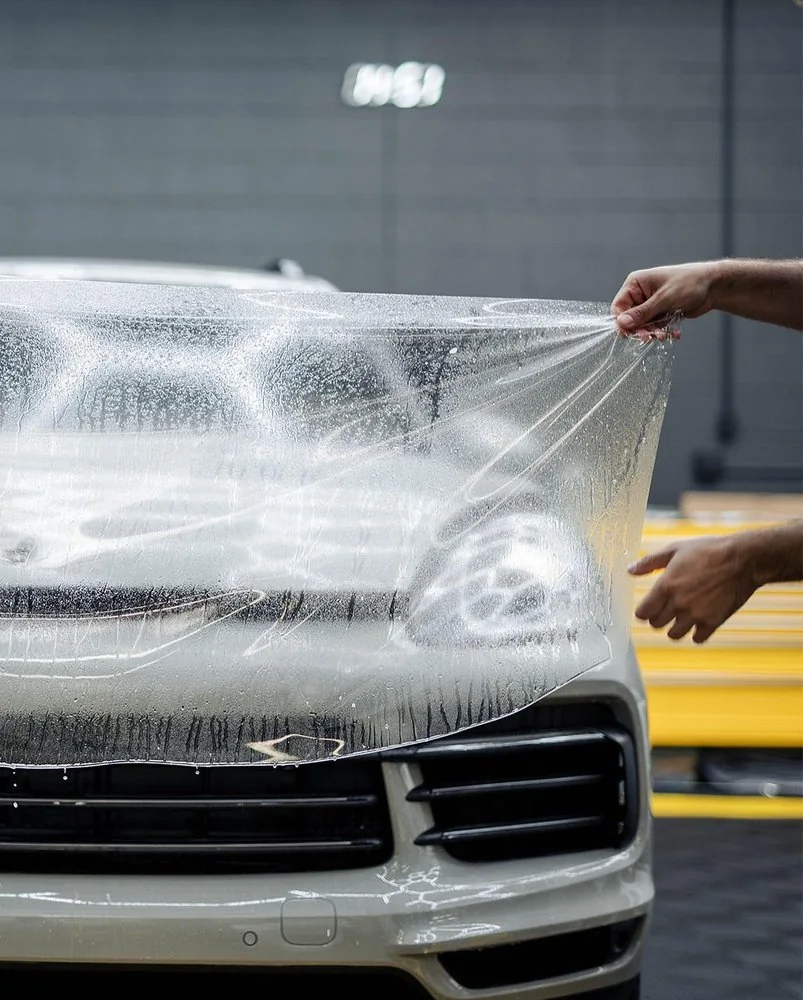
We install paint protection film in coverage ranging from Essential partial front through full front and full-vehicle packages, and we build maintenance checks into the service visits that follow. A typical appointment includes a seam and edge inspection, a condition check against our installation photos, and guidance specific to your film series and driving conditions.

If you want film installed by a team that also handles its long-term upkeep, or you need an existing installation checked for lifting or yellowing, schedule a PPF appointment with us and we will walk you through what your car needs next.
FAQ
What maintenance does PPF require?
PPF needs regular washing with pH-neutral soap, periodic edge and seam inspection, and prompt removal of contaminants like bird droppings or sap before they etch the surface. Beyond that, an occasional ceramic topcoat refresh and an annual professional check cover most of what keeps film performing well.
Do you need to maintain PPF?
Yes. Film that is never washed or inspected is more likely to develop staining, edge lift, and yellowing well before its expected service life is up, while a simple wash and inspection routine keeps it clear and properly bonded.
Is PPF hard to maintain?
No. The routine is closer to standard car care than specialized detailing: a weekly or biweekly wash with the right soap, quick attention to spills and droppings, and a visual check of the edges every so often. The main difference from washing bare paint is avoiding brush washes and harsh solvents.
Can PPF go through a car wash?
Touchless car washes are generally fine for PPF, but brush-style automatic washes are best avoided since the bristles can catch an edge or seam and start a lift. Hand washing with a two-bucket method remains the safest option for film longevity.
Sources
- 3M™ Protection Wrap Film Vehicle maintenance FAQ (Revision A, April 2024)
- Can You Polish PPF? 2026 Guide to Safe PPF Care - YW Film