
A PPF durability comparison is rarely settled by a single warranty number. Two vehicles can receive paint protection film in the same year and look dramatically different five years later because film construction, installation quality, driving conditions, and maintenance all shape the outcome. For a premium vehicle, the right question is not simply, “How long does PPF last?” It is, “How well will this particular film protect this vehicle in the way I use it?”
A properly selected and expertly installed film can preserve factory paint through years of freeway debris, parking-lot hazards, sun exposure, and regular washing. But PPF is a sacrificial surface by design. It is meant to absorb the abuse that would otherwise mark expensive paint, carbon fiber, gloss-black trim, and carefully finished bodywork.
What PPF Durability Actually Means
Durability has several dimensions. A film may remain attached to the panel while losing gloss, staining around its edges, yellowing, or becoming less effective at self-healing. Conversely, a film that has taken a major rock strike may show a visible mark while the paint beneath remains untouched. In that moment, the film has done its job, even if that section eventually needs replacement.
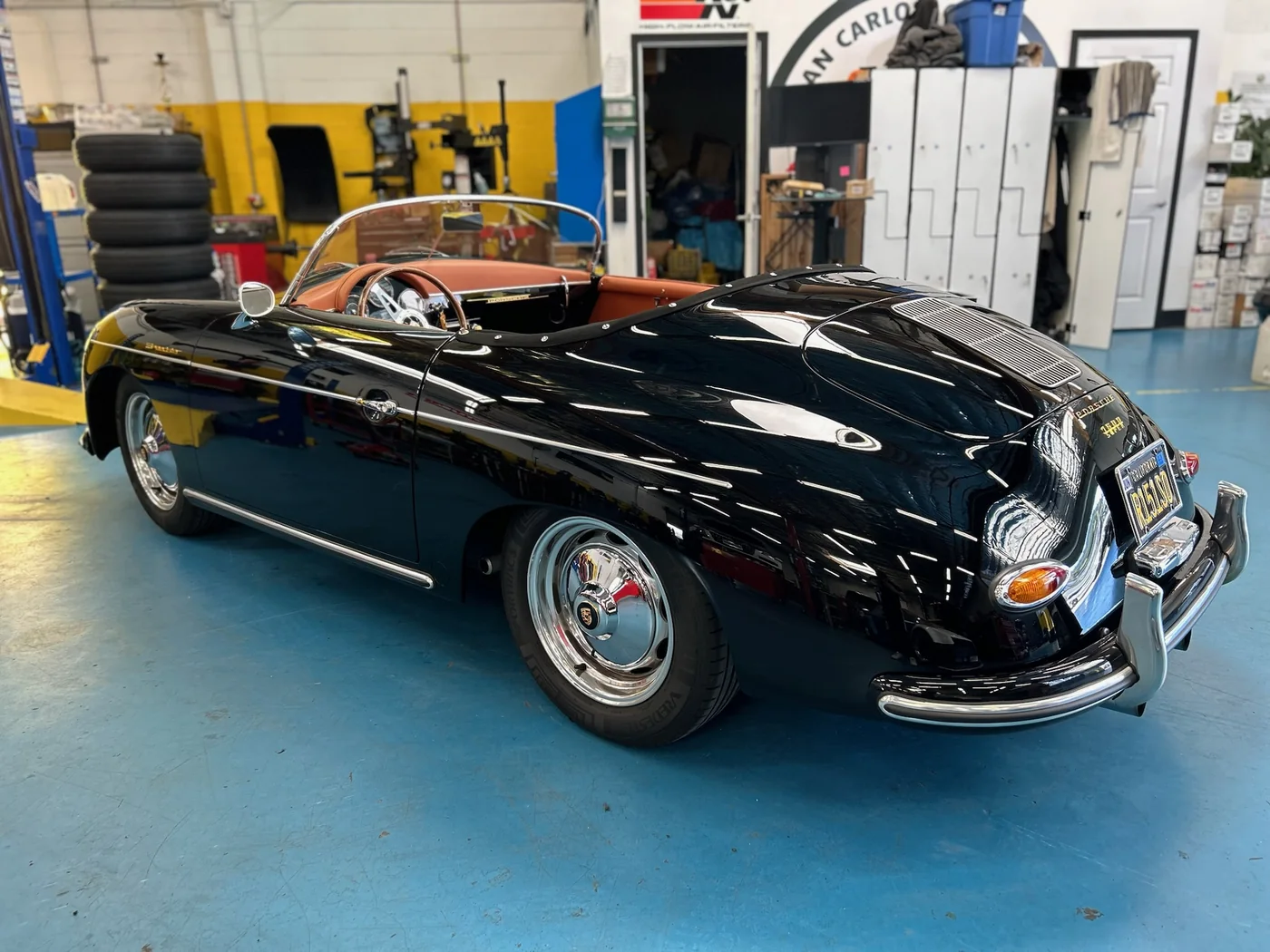
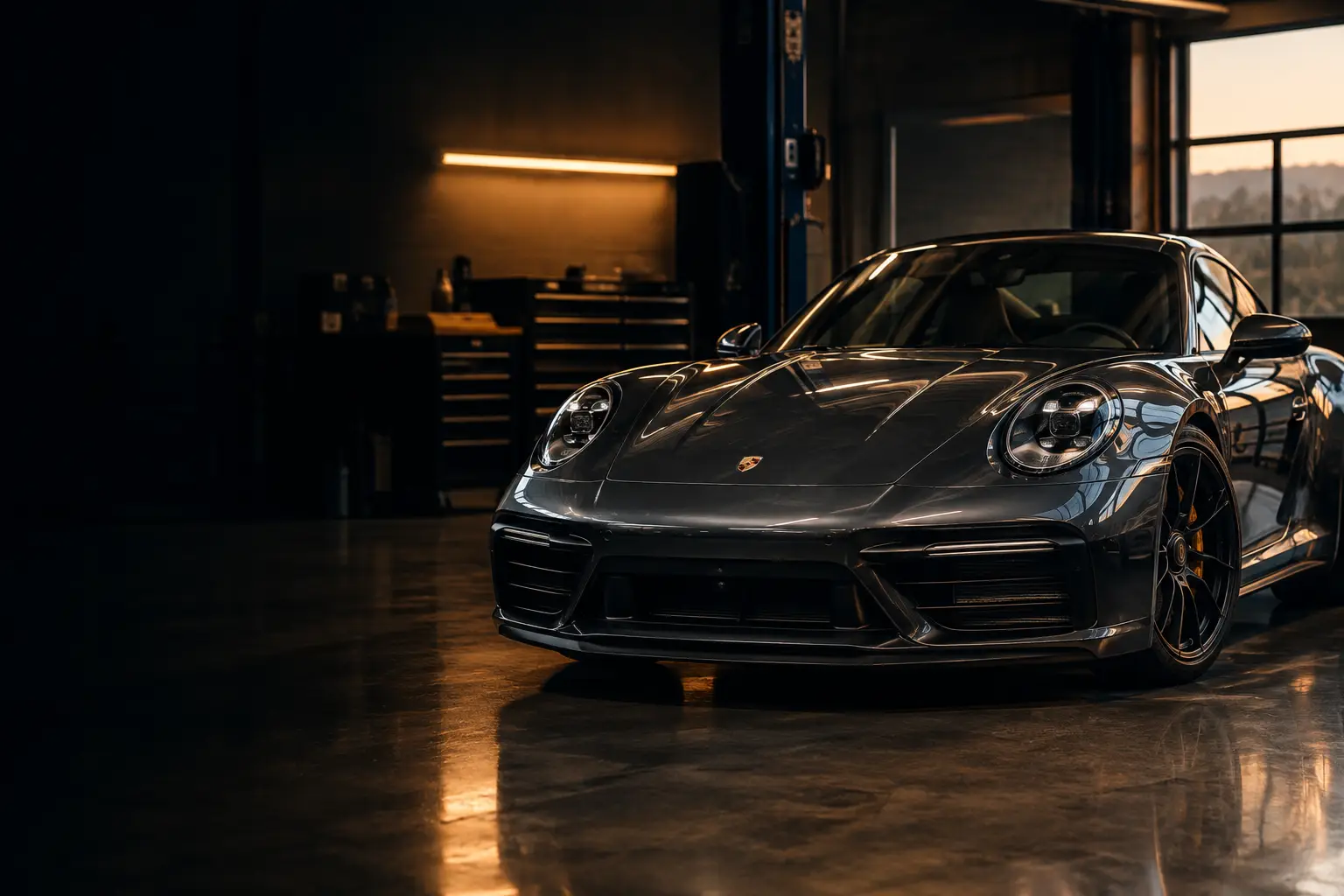
The most meaningful measures are clarity, gloss retention, resistance to yellowing and staining, self-healing performance, edge stability, and impact protection. The importance of each changes by vehicle. A white daily-driven SUV benefits from stain resistance and easy maintenance. A black Porsche, Ferrari, or BMW makes gloss, edge work, and swirl resistance especially visible. A collector vehicle stored indoors may see less road wear but still requires a film that will age cleanly and remove safely when the time comes.
PPF Durability Comparison by Film Grade
Not all paint protection film uses the same materials or top-coat technology. The gap between entry-level film and a premium, current-generation polyurethane film is meaningful over time.
Entry-Level Film
Lower-cost PPF can provide an initial barrier against chips and light scuffs, which may suit a short-term ownership plan or a vehicle with limited cosmetic priorities. The trade-off tends to appear after sustained UV exposure, frequent washing, and road use. Older or value-oriented films may be more prone to haze, reduced gloss, staining, and visible edge discoloration.
Their self-healing behavior can also be less consistent. Light marring may respond to heat, but the finish may not recover as evenly after repeated exposure. That does not make these films useless. It means their lower upfront cost should be evaluated against the possibility of earlier replacement and a less refined appearance on a high-value vehicle.
Premium Self-Healing Polyurethane Film
Premium paint protection films are engineered for owners who expect the finish to remain visually correct as well as protected. A high-quality aliphatic polyurethane construction generally offers stronger long-term clarity and better resistance to yellowing than older material types. Advanced top coats improve hydrophobic behavior, stain resistance, and the ability to recover from light wash marring or surface scuffs with heat.
For the Bay Area owner who drives Highway 101, Interstate 280, or weekend routes through the Peninsula and beyond, this is often the practical standard. The vehicle encounters gravel, tire debris, construction dust, bugs, coastal air, and intense reflected sunlight. Premium film is designed to handle those demands without making a carefully finished paint color look muted or overly textured.
Specialty Finishes and Colored Films
Matte, satin, colored, and fashion-film applications deserve their own durability conversation. A quality satin film can protect original gloss paint while creating a distinctive transformed finish. Colored PPF can deliver a complete visual change with the benefit of paint protection. However, complex finishes can have different repair considerations than clear gloss film.
If a damaged area requires replacement, color consistency and panel-to-panel appearance matter. On a full wrap-style PPF installation, the most reliable repair may involve replacing an entire panel or adjacent section rather than applying a small patch. This is not a flaw in the material. It is part of planning a tailored protection and customization package correctly from the start.
Installation Quality Determines Real-World Service Life
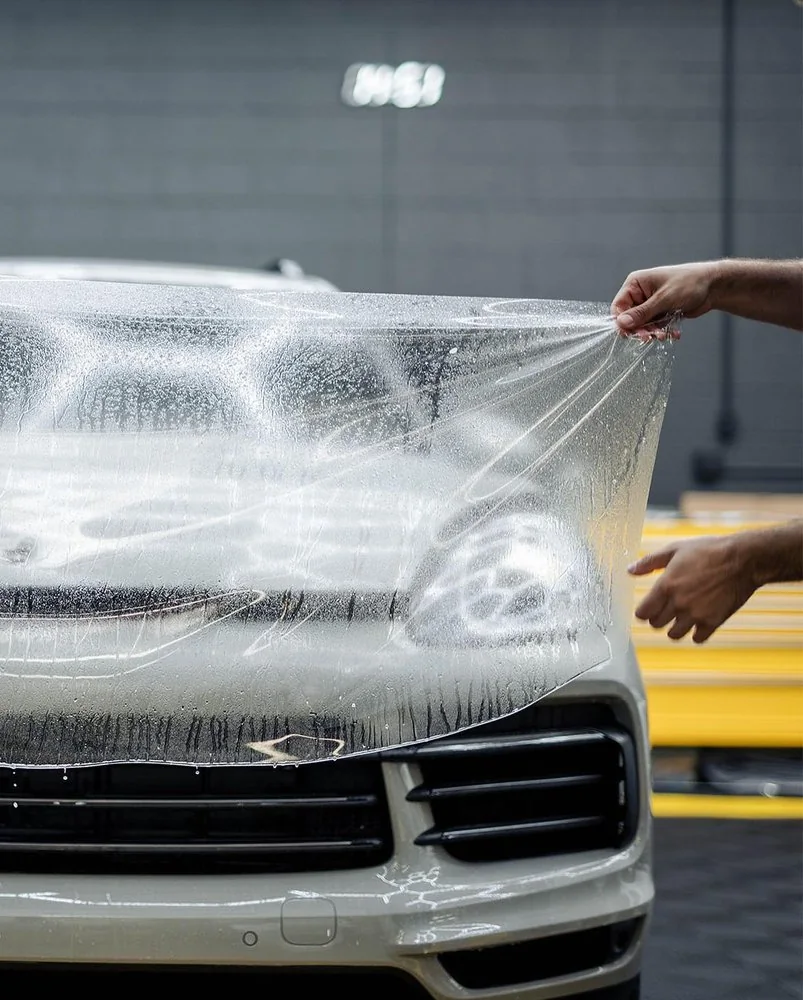
Even the most advanced film cannot compensate for poor preparation or imprecise installation. PPF durability starts before the first piece of film is laid on the car.
The paint must be thoroughly cleaned and decontaminated so the adhesive bonds consistently. Existing chips, deep scratches, road tar, and failing clear coat should be assessed honestly. Film can conceal some minor defects, but it does not repair damaged paint. Covering a failing surface may make future removal more complicated and can compromise the final result.
Pattern design and edge management are equally important. Cleanly wrapped edges reduce exposed boundaries where debris and contamination can accumulate. Proper relief cuts, panel-specific fitment, and thoughtful placement around sensors, badges, vents, and complex curves help prevent lifting or distortion. On vehicles with aggressive aero, exposed carbon components, or intricate front-end geometry, technician experience becomes a durability factor rather than a cosmetic extra.
A meticulous installer also understands where not to over-stretch material. Excessive tension may initially look acceptable but can place stress on the adhesive and film over time. The goal is a stable, nearly invisible application that respects the shape and paint system of the vehicle.
The Conditions That Shorten PPF Life
PPF is highly capable, not invulnerable. Its service life changes with use and environment.
Constant outdoor parking exposes film to ultraviolet radiation, heat cycles, tree sap, bird droppings, industrial fallout, and hard-water deposits. The San Francisco Bay Area has a relatively mild climate, but owners still encounter intense sun on open Peninsula roads, marine moisture near the coast, and wide microclimate changes across a single drive. A vehicle used daily and parked outside will age differently from a climate-controlled collector car.
Driving habits matter too. Frequent highway mileage, canyon driving, track days, gravel access roads, and winter trips to mountain regions increase impact exposure. A front bumper can show the effects of debris long before protected doors or rear quarter panels do. This is why a quality installation is often planned around risk zones rather than treated as a one-size-fits-all package.
Maintenance can either preserve the top coat or gradually diminish it. Allow contaminants such as bird droppings, fuel spills, bug residue, or tree sap to sit for extended periods and any exterior surface can stain. Aggressive compounds, harsh acidic or alkaline cleaners, abrasive brushes, and poorly maintained automatic washes can add unnecessary wear. Self-healing film recovers from many light marks, but it should not be treated as permission to neglect the finish.
Warranty Length Is Useful, but It Is Not the Whole Story
A long manufacturer warranty is a positive signal, but it is not a guarantee that every vehicle will look identical at the end of that period. Warranties generally address material defects such as cracking, yellowing, bubbling, or delamination under stated conditions. They do not erase the effects of impact damage, accidents, neglected contamination, or improper care.
When comparing films, look beyond the number of years. Ask how the film handles staining, whether the top coat is designed to self-heal, what preparation is required, how edges will be managed, and whether the installer can support future repairs. A film with excellent specifications installed without panel correction or proper finishing is not the same investment as a complete, vehicle-specific protection process.
When Should PPF Be Replaced?
Replacement is not automatically required when the film receives a visible rock strike. If the paint is protected and the mark is limited, many owners choose to leave it until a larger refresh makes sense. Replacement becomes more compelling when the film develops persistent staining, edge lifting, loss of clarity, tears, or widespread impact wear.
One advantage of PPF is that it can isolate the cost of cosmetic damage. Replacing a protected bumper section is often more controlled than repairing and refinishing factory paint, particularly on modern multi-stage colors, metallic finishes, and specialty OEM paint systems. Proper removal by experienced technicians is essential, especially as film ages or on panels with prior paintwork.
Choosing Protection That Matches the Vehicle
The best PPF package is based on exposure, ownership horizon, paint condition, and the standard you expect every time the vehicle is washed or viewed in direct sunlight. A daily-driven performance sedan may need full-front protection with high-impact areas addressed strategically. An exotic weekend car may justify full-body film to preserve every surface and simplify ownership. A collector car may call for carefully selected coverage that protects originality without changing its character.
At Artec Automotive, protection is approached as part of the vehicle’s complete care plan, not as an off-the-shelf add-on. The right film, the right preparation, and the right coverage should work together to protect both appearance and long-term value. Choose the PPF that suits how you drive, then maintain it with the same intention you bring to the vehicle itself.