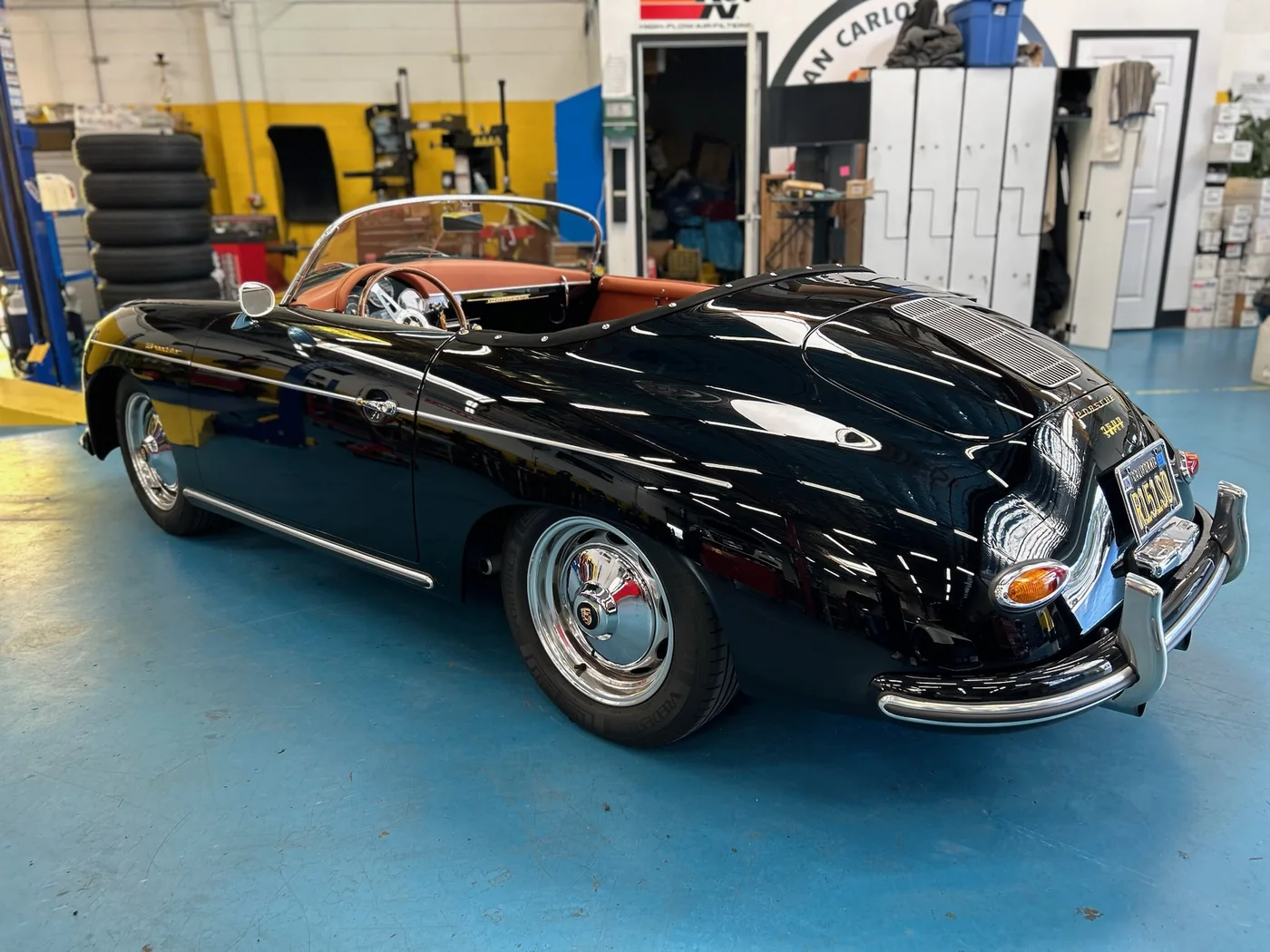

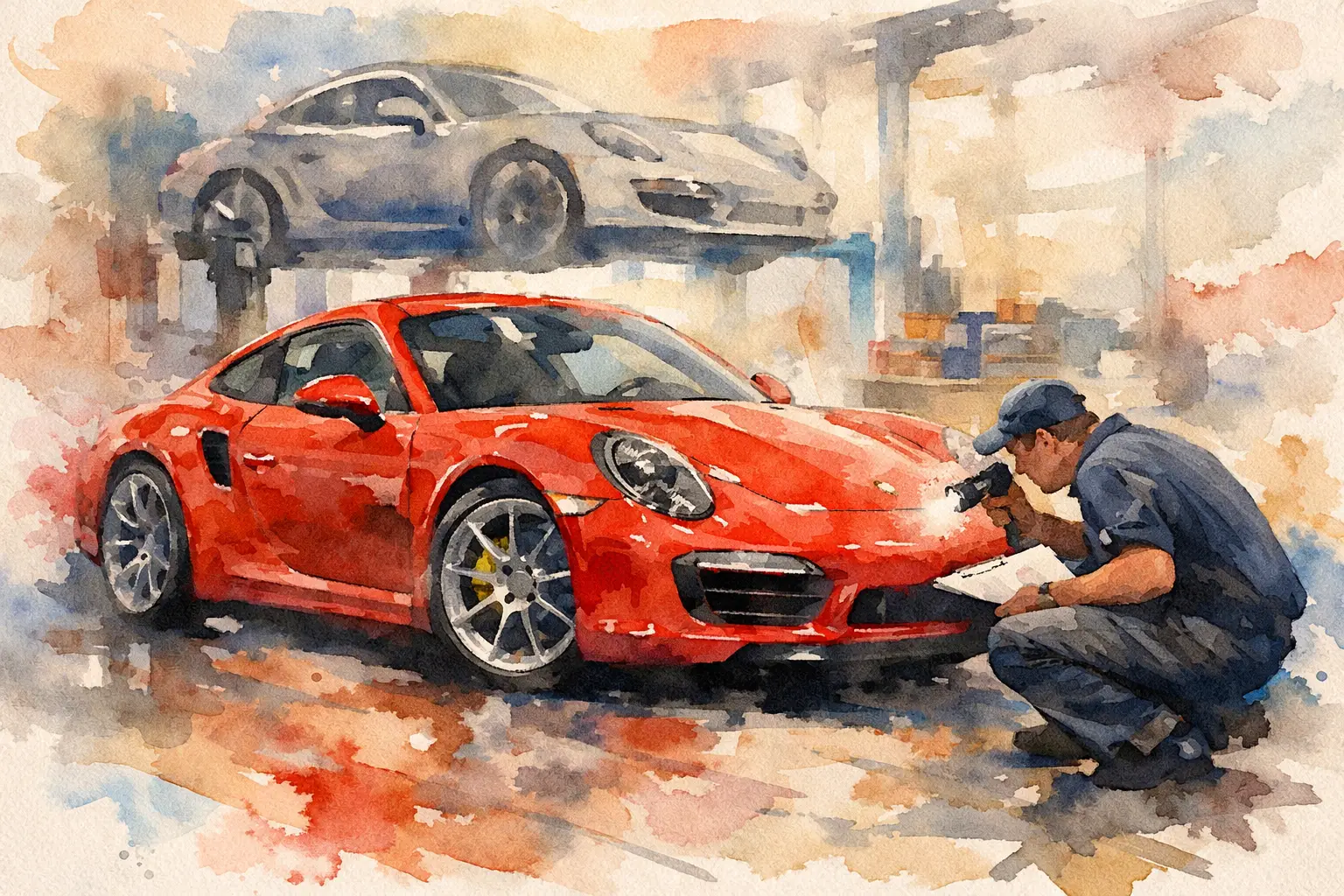
A clean Carfax, glossy paint, and a convincing test drive can make a Porsche feel like an easy decision. A proper Porsche pre purchase inspection is where that first impression is tested against the details that determine real ownership: mechanical condition, service history, accident repair quality, diagnostic data, and the cost of bringing the vehicle to the standard it deserves.
For a performance car, a pre-purchase inspection is not a formality. It is the most informed moment you will have before the car becomes your responsibility. Whether you are considering a modern 911, a Cayenne, a Macan, a Panamera, or a collector-grade air-cooled example, the goal is not simply to find reasons to walk away. It is to understand exactly what you are buying.
Why a Porsche Pre Purchase Inspection Is Different
Porsche vehicles are engineered with exceptional precision, but they are not generic automobiles. Their drivetrains, cooling systems, electronics, suspension components, and performance systems require a technician who understands the model-specific patterns behind wear, failure, and deferred maintenance.
A general inspection may identify worn tires or a visible oil leak. A Porsche-focused evaluation goes further. It considers whether the tire specification is appropriate for the chassis, whether the brake wear matches the vehicle's stated mileage, whether diagnostic faults point to a developing issue, and whether past repairs meet the standard expected of a premium vehicle.
That distinction matters in the Bay Area market, where many vehicles appear with low miles, limited records, aftermarket modifications, or cosmetic preparation designed to make a quick sale. A low odometer reading can be attractive, but long periods of storage, short-trip driving, and skipped time-based maintenance can create their own expensive consequences.
What a Thorough Inspection Should Cover
A valuable inspection combines hands-on mechanical assessment, digital diagnostics, documentation review, and a trained eye for cosmetic and structural condition. No single check tells the entire story.
Diagnostic Scan and Vehicle Data
A specialist should scan all relevant control modules with Porsche-capable diagnostic equipment, not just check for a dashboard warning light. Stored faults, pending codes, control-unit communication issues, battery-voltage history, and emissions readiness data can reveal concerns that are not apparent during a short drive.
For many modern Porsches, diagnostic data can also provide useful information about operating history and drivetrain behavior. On applicable models, reviewing DME data and over-rev information can help establish context around engine use. It is not an automatic pass-or-fail metric. A car that has been driven enthusiastically is not necessarily a bad car, while unusual data paired with compression concerns or poor service history deserves much closer attention.
Transmission analysis is equally important. A PDK-equipped Porsche should be assessed for shift quality, adaptation concerns, fluid-service history, and fault codes. On manual cars, clutch operation, engagement feel, flywheel noise, and hydraulic-system condition should be evaluated. For all-wheel-drive models, the inspection should account for transfer-case operation and the matching condition of all four tires, since improper tire sizing or uneven wear can place added stress on the system.
Engine, Cooling, and Fluid Condition
The engine bay and underbody reveal far more than a polished exterior. A thorough inspection looks for oil seepage, coolant leaks, evidence of overheating, degraded hoses, damaged undertrays, and signs of prior repairs. Fluid levels and condition matter, but so does the reason behind any abnormality.
Certain Porsche generations deserve targeted attention. On applicable M96 and M97 engines, a specialist may look closely for bore-scoring symptoms, oil-consumption history, metallic debris, abnormal exhaust soot patterns, and cold-start noise. IMS bearing concerns should be evaluated with the correct context for the specific engine and model year, rather than treated as a blanket diagnosis for every older 911, Boxster, or Cayman.
Cooling-system condition is especially relevant on vehicles that have spent years in warm climates or have limited service documentation. Water pumps, thermostats, coolant pipes, reservoirs, radiators, and fans can all become meaningful ownership costs. A small leak may be manageable. A pattern of neglected cooling repairs may suggest that the rest of the maintenance has received the same level of attention.
Suspension, Brakes, Wheels, and Tires
A Porsche's handling is one of the reasons it is worth buying. The inspection should establish whether the chassis still delivers the control and confidence the vehicle was designed to provide.
Technicians should assess suspension bushings, control arms, mounts, dampers, wheel bearings, steering components, alignment wear patterns, and, where equipped, PASM or air-suspension operation. During a road test, they should listen for clunks, vibration, pulling under braking, wandering at speed, and noises that occur only under load or over uneven pavement.
Brake inspection should include pad life, rotor thickness and condition, caliper function, brake-fluid age, and the quality of any prior replacement parts. PCCB-equipped cars require particular care because replacement costs can be substantial. Surface appearance alone is not enough to assess carbon-ceramic brakes accurately.
Tires should be reviewed beyond remaining tread depth. Their date codes, brand, Porsche N-specification where appropriate, shoulder wear, repairs, and consistency across all four corners tell a story about maintenance and driving habits. A car fitted with mismatched tires may be a negotiation point, but it can also signal a less disciplined approach to ownership.
Body, Paint, Glass, and Previous Repairs
A premium Porsche should be examined as closely outside as it is underneath. Paint-meter readings, panel gaps, overspray, inconsistent texture, blend lines, fastener marks, and underbody damage can indicate prior collision work or cosmetic repair. Not every repaint is a reason to reject a car. High-quality repair after minor damage can be entirely acceptable when disclosed and properly documented.
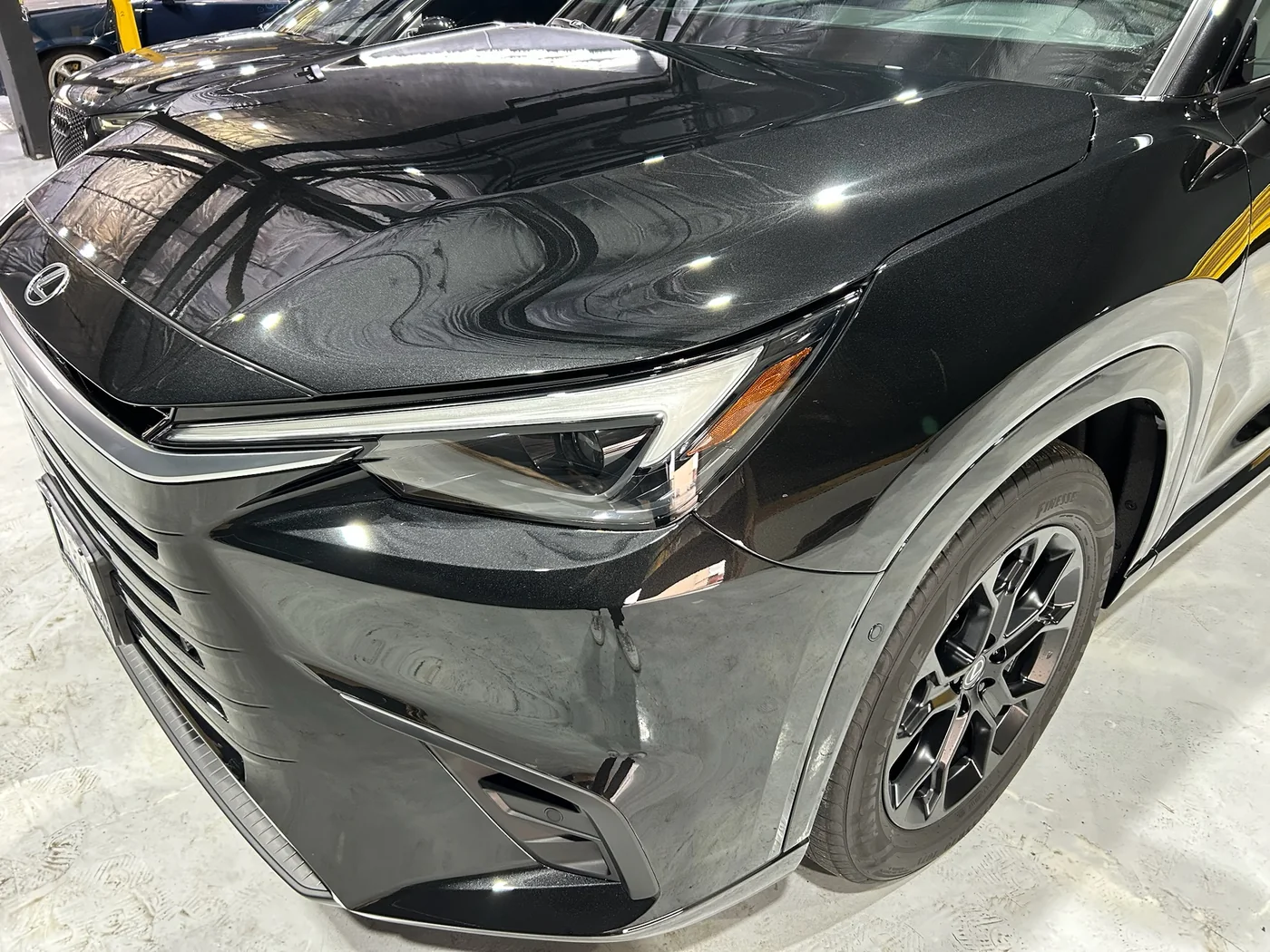
The concern is undisclosed structural damage, poor repair workmanship, or condition that does not support the seller's representation. A careful inspection may also identify rock chips, paint correction marks, neglected trim, damaged wheels, windshield chips, and aging protective film. These items may not change the decision to purchase, but they affect what the car will require to look and perform its best.
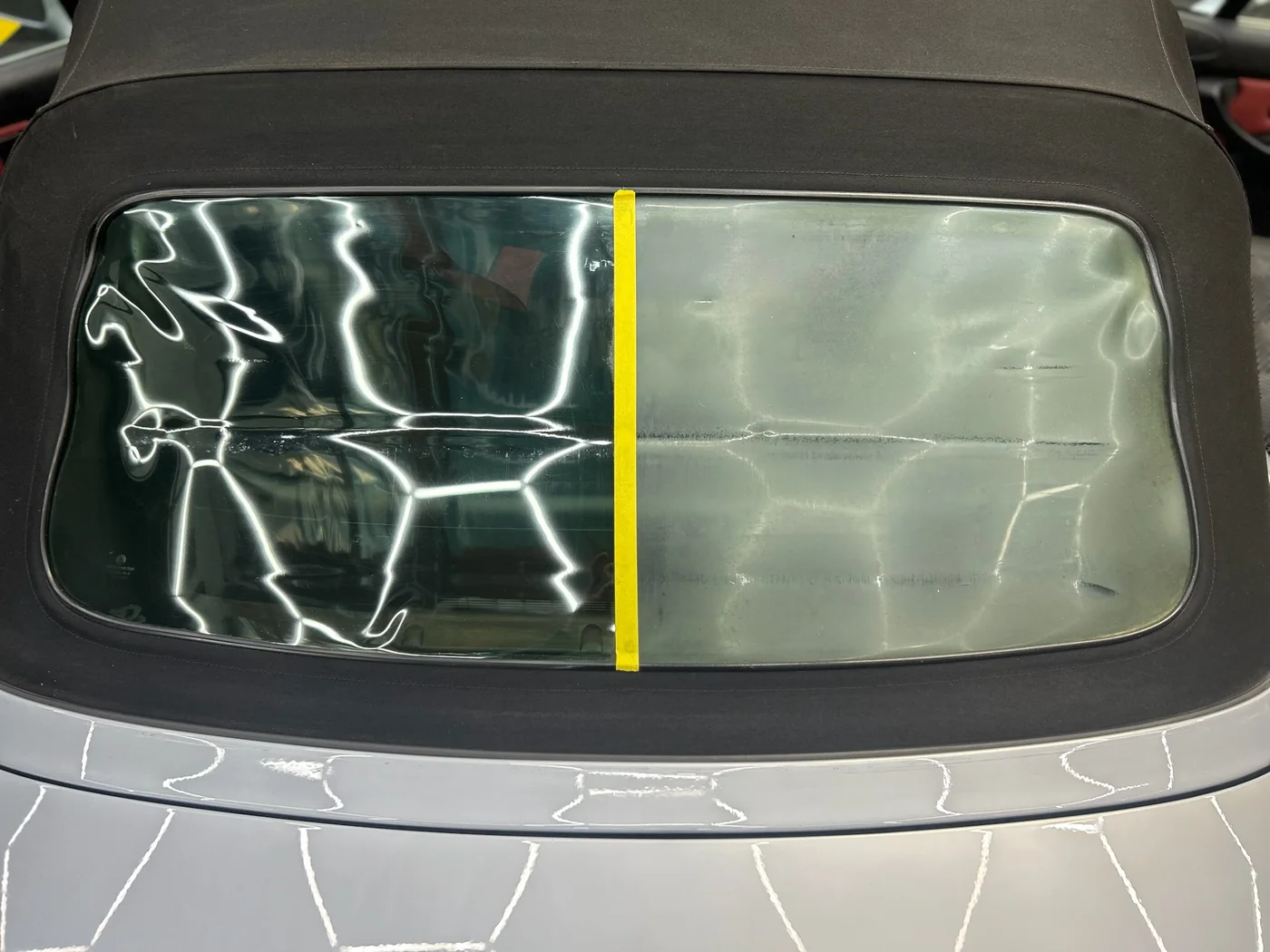
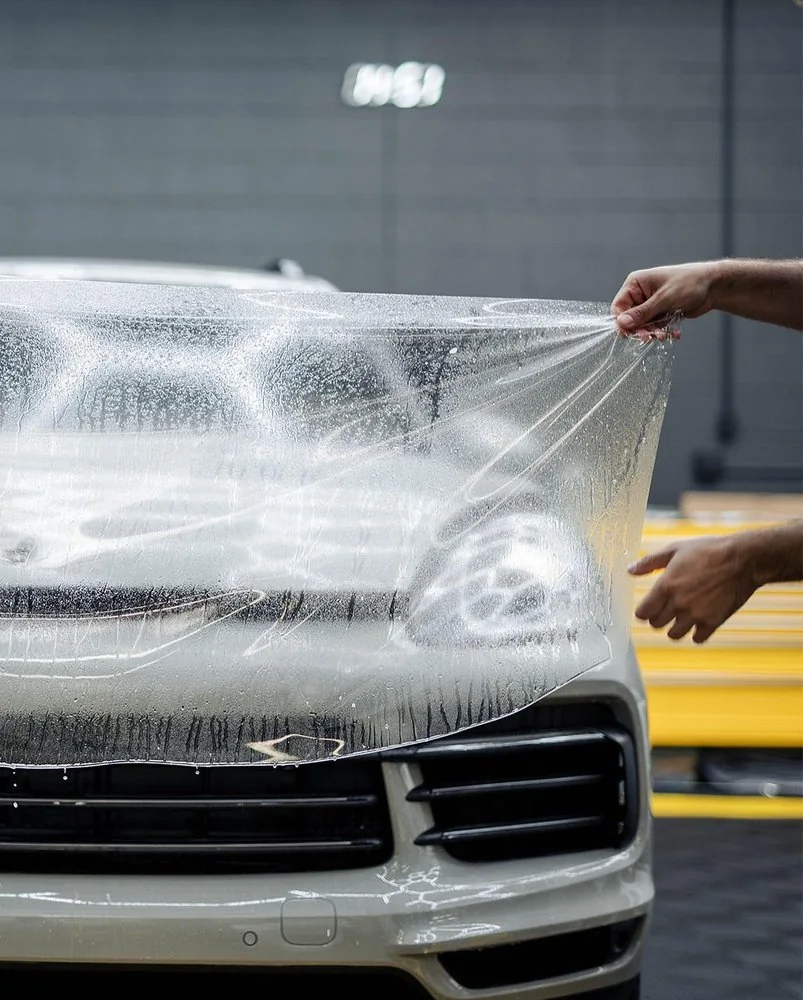
This is also the right time to assess whether the vehicle has paint protection film, ceramic coating, window tint, or aftermarket exterior modifications that need attention. Quality protection can preserve original finishes. Poor installation can create visible edges, contamination, lifted film, adhesive residue, or trapped defects that require corrective work.
Service Records Matter, but They Need Interpretation
A stack of invoices is encouraging, but it is not the same as a complete ownership story. Review whether services were performed at appropriate intervals, whether major age-based maintenance was completed, and whether repairs were followed through rather than temporarily deferred.
Ask for records related to spark plugs, drive belts, brake fluid, transmission service, differential service, cooling-system work, tires, battery replacement, and recalls or campaigns. For higher-mileage or older Porsches, the quality and consistency of care often matter more than a single impressive invoice.
A vehicle with excellent records and a few transparent needs may be a stronger purchase than a cosmetically perfect example with little documentation. The inspection gives each record context and helps separate normal future maintenance from a growing backlog.
Modifications Require a Higher Standard of Review
Modified Porsches can be exceptional, especially when upgrades are selected for the vehicle's intended use and installed with discipline. They can also introduce unknowns involving tuning, emissions compliance, warranty limitations, heat management, drivability, noise, and component longevity.
A pre-purchase inspection should document performance modifications, suspension changes, exhaust components, aftermarket wheels, bodywork, and tuning hardware. The question is not whether the car is stock. The question is whether the build was executed with appropriate parts, workmanship, calibration, and supporting maintenance.
For a track-focused car, the inspection may need to account for track use, brake and tire cycles, harness or roll-bar installation, cooling upgrades, and evidence of repeated high-load operation. For a daily-driven luxury Porsche, refinement, reliability, and preservation may matter more than maximum output.
How to Use the Findings Before You Commit
The best inspection report is specific. It should distinguish between immediate safety concerns, maintenance due soon, cosmetic restoration opportunities, and items that should affect price or purchase confidence. Request clear findings, supporting photos when appropriate, and a realistic estimate of priorities.
Do not expect a used Porsche to be flawless, particularly if it is older, driven regularly, or priced below top-market examples. Expect transparency. A well-maintained car can still need tires, brakes, paint correction, fluid service, or protection work. Those are normal ownership investments when they are understood in advance.
At Artec Automotive, our approach to premium vehicle care begins with respecting the full condition of the car, from the mechanical foundation to the finish that protects its value. Before you buy, choose an inspector with the model knowledge and diagnostic capability to see beyond presentation. The right Porsche should leave you excited about the road ahead, not surprised by the first repair invoice.