
A Porsche can feel exceptional long after its original warranty expires, but that result is never accidental. Porsche maintenance is the discipline of preserving the precise relationship between power, handling, braking, cooling, and driver confidence that made the car special in the first place. For owners who expect their vehicle to perform as beautifully as it presents, service should be proactive, model-specific, and performed with an understanding of how the car is actually used.
A low-mileage 911 that sees weekend canyon roads has different needs than a Cayenne commuting through Peninsula traffic or a GT model attending track events. The factory schedule is the foundation, but a thoughtful ownership plan considers age, mileage, climate, driving habits, modifications, and the condition of the individual vehicle.
Porsche Maintenance Starts With the Right Baseline
Before establishing a service rhythm, begin with a comprehensive inspection. This is particularly valuable for a recently purchased Porsche, a vehicle with incomplete records, or a car that has spent long periods in storage. A proper baseline inspection looks beyond a dashboard service reminder. It evaluates the condition of fluids, brakes, tires, suspension components, cooling systems, belts, batteries, seals, and underbody hardware.
Diagnostic scanning matters as well. Modern Porsches have sophisticated control modules that can store intermittent faults long before a warning light becomes a constant concern. Reading those systems alongside a physical inspection gives a technician a clearer picture of the car than either method alone.
Service records should be treated as part of the vehicle. They support resale value, help identify recurring issues, and allow future work to be planned intelligently rather than reactively. For collector-grade, exotic, and enthusiast-owned examples, detailed documentation also demonstrates that the car has been cared for by someone who understands its engineering.
Fluids Are Performance Components
Engine oil is the most familiar maintenance item, but it should not be treated as a generic oil change. The correct approved oil specification, fill level, filter quality, and service interval all matter. High-output Porsche engines operate under substantial thermal load, especially in warm weather, stop-and-go traffic, mountain driving, or performance use. Fresh, correctly specified oil protects internal components while supporting consistent operation under demanding conditions.
The same standard applies to transmission, differential, brake, and coolant service. PDK transmissions, manual gearboxes, all-wheel-drive systems, and limited-slip differentials each have specific fluid requirements and intervals. Delaying these services may not create an immediate drivability issue, but it can accelerate wear in components that are far more expensive to repair than to maintain.
Brake fluid deserves special attention. It absorbs moisture over time, reducing its boiling point and potentially compromising pedal consistency under repeated hard braking. A Porsche used for spirited driving or track days may need brake fluid service more frequently than one driven conservatively. The right interval depends on usage, not simply the calendar.
Coolant should also be inspected for proper level, condition, and evidence of leaks. Aging hoses, reservoirs, water pumps, and fittings can become weak points as a vehicle accumulates years, not only miles. Catching a small seep early is preferable to allowing a cooling-system issue to become an overheating event.
Brakes, Tires, and Suspension Define the Driving Experience
A Porsche's performance is communicated through its contact with the road. That makes tires, brake components, and suspension condition central to the ownership experience.
Tire inspections should include more than tread depth. Technicians should check tire age, sidewall condition, uneven wear, pressure, and alignment patterns. A car that pulls, follows road grooves, or feels unsettled under braking may need an alignment assessment even if the tires appear usable. On performance-oriented Porsches, small alignment changes can noticeably affect turn-in, stability, tire life, and steering feel.
Brake inspections should measure pad thickness and rotor condition while also assessing calipers, hardware, lines, and sensors. Squealing is not always a sign of a problem, particularly with performance brake compounds, but vibration under braking, a soft pedal, warning messages, or a change in stopping confidence should never be ignored.
Suspension wear develops gradually, which makes it easy to overlook. Bushings, mounts, dampers, control arms, and ball joints influence the precision that owners expect from the chassis. Replacing worn components can restore a level of composure many drivers did not realize had faded. The goal is not merely to eliminate noise, but to retain the connected, controlled character engineered into the vehicle.
Model-Specific Porsche Maintenance Matters
There is no universal Porsche service checklist that suits every model. A naturally aspirated 997, a turbocharged 992, a Macan GTS, a Panamera E-Hybrid, and an air-cooled classic each have different service priorities. Factory recommendations are essential, yet age-related needs and known platform characteristics must be evaluated individually.
For example, vehicles with PDK require attention to transmission service intervals and fluid specifications. Turbocharged models place greater emphasis on cooling-system integrity, intake plumbing, and careful monitoring of heat-related wear. Hybrid and electric Porsche models require technicians trained to work safely around high-voltage systems, while still needing traditional inspections of brakes, tires, suspension, cabin filters, and climate-control systems.
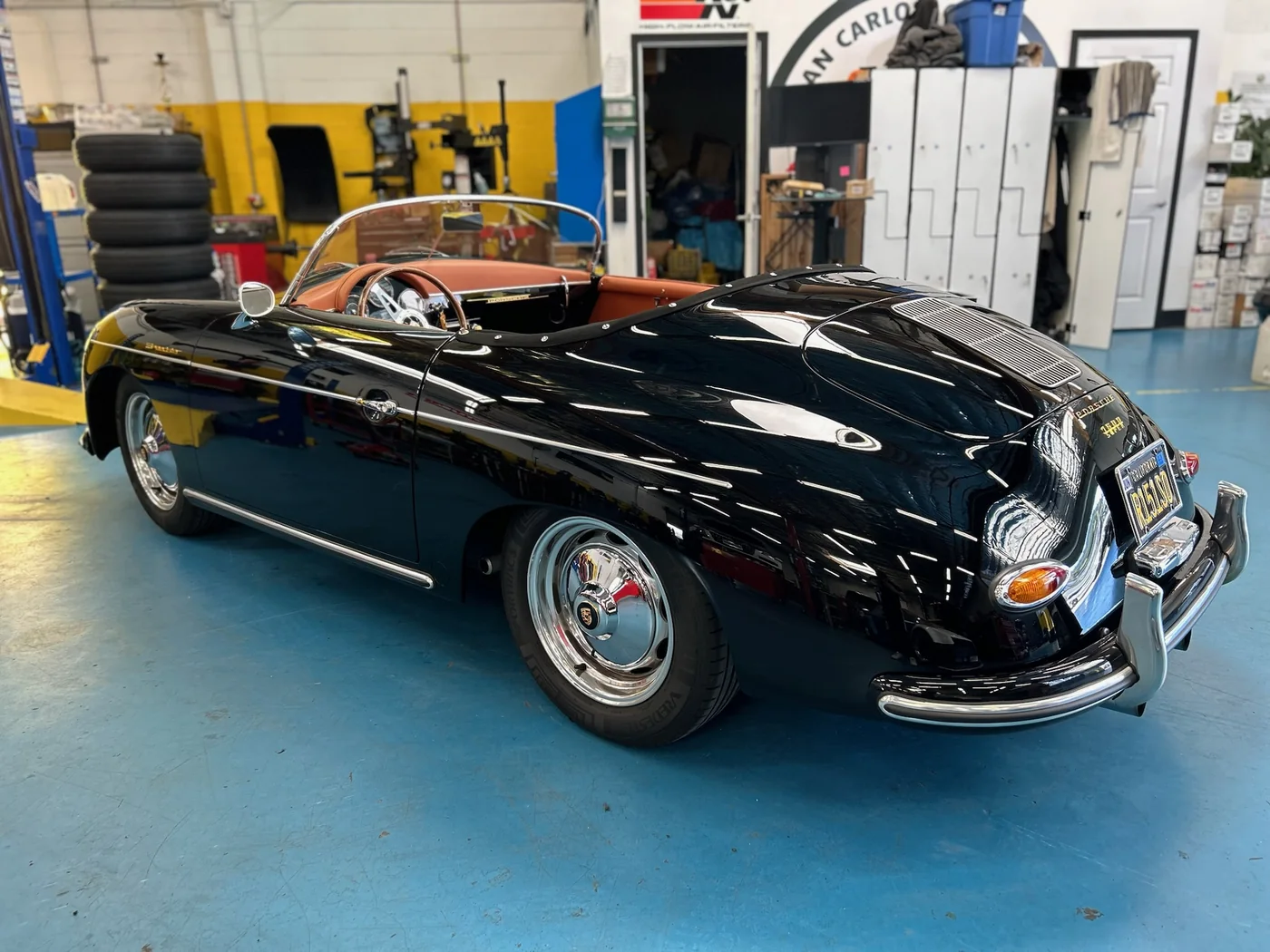
Older Porsches require a different mindset. Rubber seals, vacuum lines, fuel-system components, electrical connections, and hoses can deteriorate regardless of mileage. A car that has been preserved indoors may look immaculate while still needing age-based mechanical attention. Conversely, a consistently driven, carefully serviced example can often be healthier than a garage-kept car that has sat untouched for years.
Modifications change the conversation as well. Performance software, exhaust systems, lowered suspension, wider wheels, brake upgrades, and track-focused setups should be inspected as a complete system. A quality modification deserves equally thoughtful maintenance, including alignment settings, heat management, component clearances, and software-aware diagnostics.
Protect the Exterior Between Mechanical Services
Mechanical excellence and cosmetic preservation support the same long-term objective: maintaining a Porsche that feels valuable, performs confidently, and presents at the standard its owner expects. In the Bay Area, road debris, construction corridors, coastal air, UV exposure, and dense traffic can affect paint, glass, wheels, and exterior trim faster than many owners anticipate.
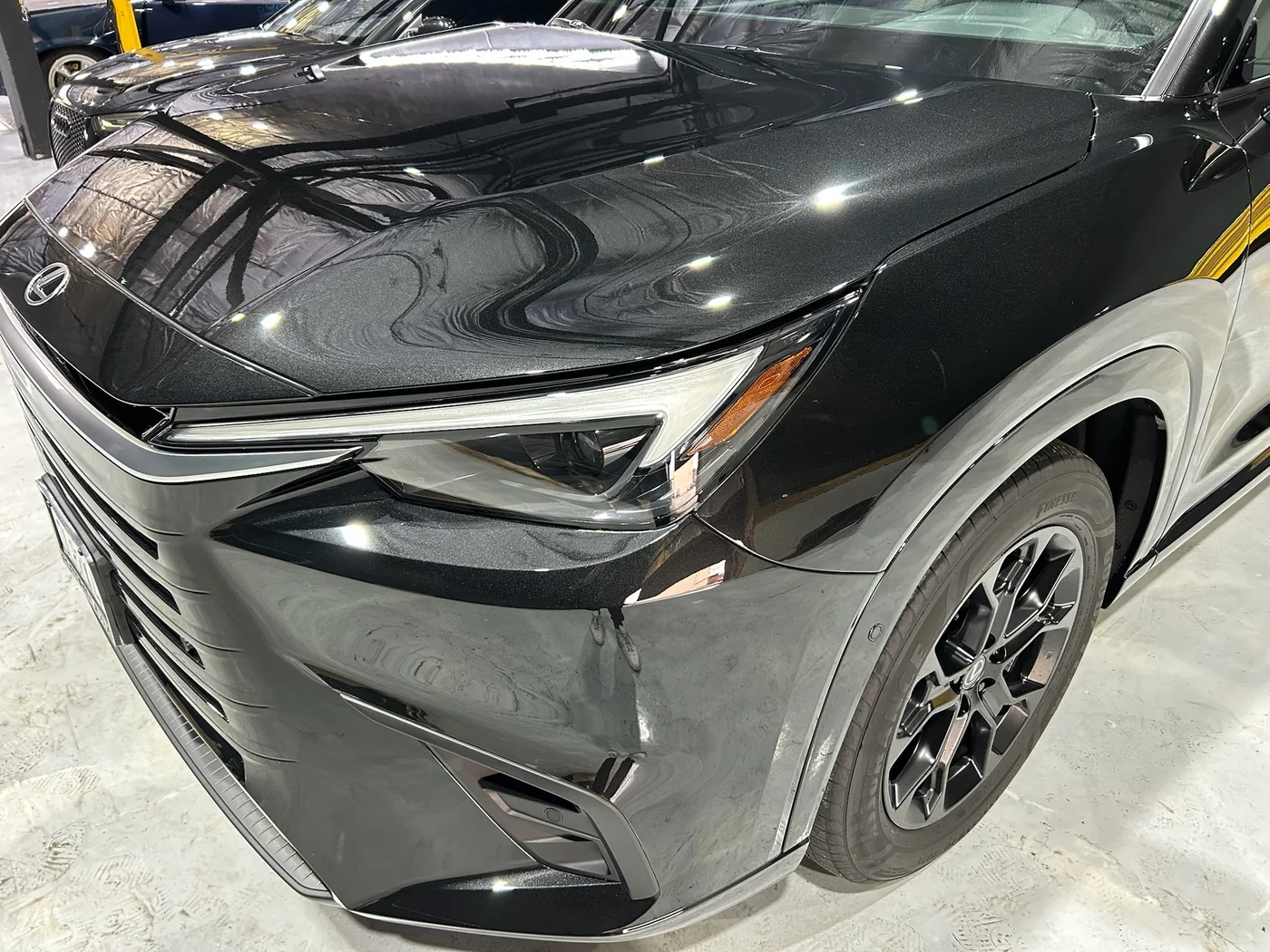
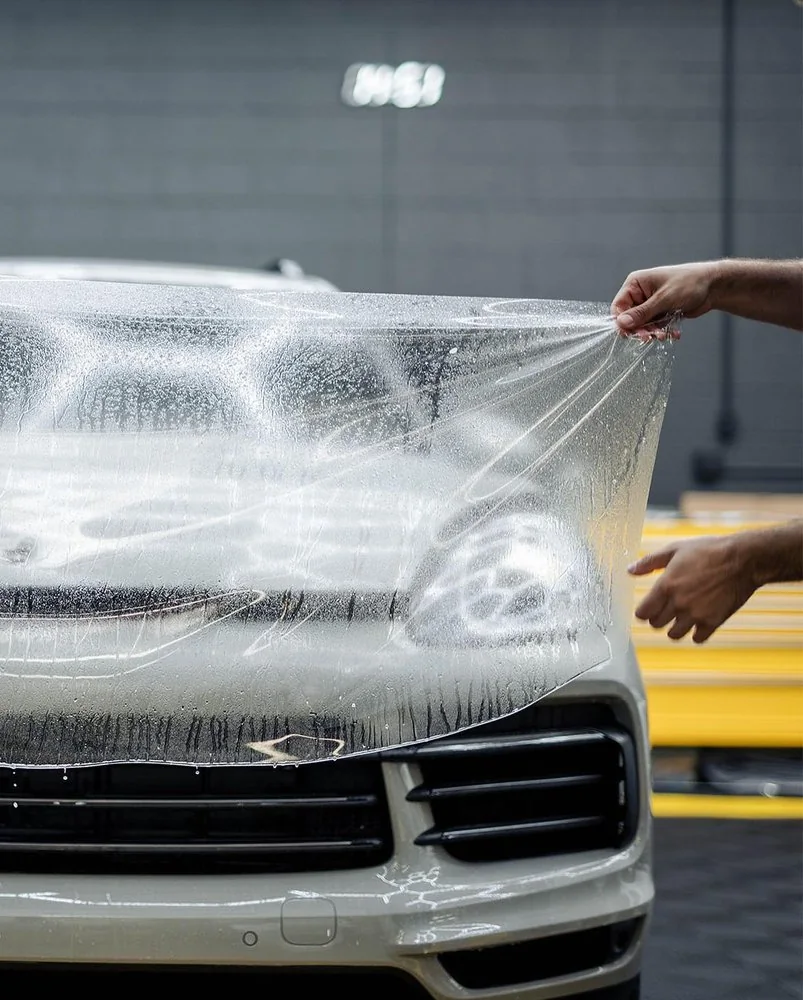
Paint protection film is particularly valuable on high-impact areas such as the front bumper, hood, fenders, mirrors, rocker panels, and rear wheel arches. It helps defend the original finish from rock chips and road rash without changing the intended appearance of the vehicle. Windshield protection can provide an additional layer of defense where replacement costs, calibration requirements, and glass availability make damage especially inconvenient.
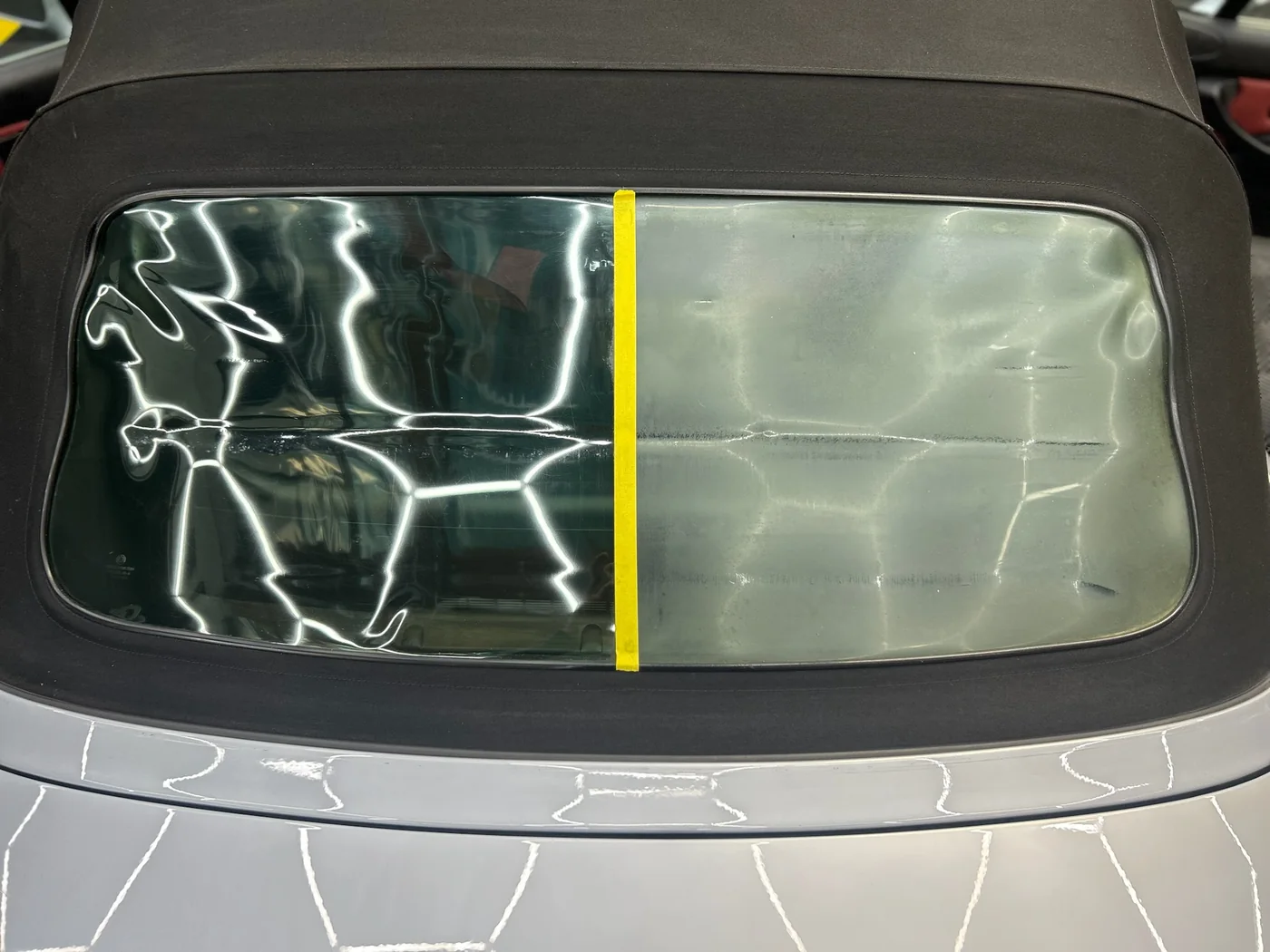
Ceramic or graphene coatings do not replace careful washing, but they can make routine cleaning easier and help preserve gloss by reducing how strongly contaminants adhere to the surface. Professional detailing is equally useful for maintaining leather, Alcantara, carbon fiber, wheels, paintwork, and areas often missed during quick washes.
These measures are not a substitute for mechanical care. They are complementary. A well-maintained Porsche should be protected from both the internal wear that affects performance and the external damage that affects pride of ownership and resale presentation.
Storage Is Maintenance, Not Parking
When a Porsche will sit for several weeks or months, preparation matters. Long periods of inactivity can affect the battery, tires, fuel system, seals, and brake surfaces. Simply covering the car in a garage is rarely the complete answer.
Climate-controlled storage with battery management, tire-pressure monitoring, periodic condition checks, and controlled access provides a more deliberate approach. Before storage, the vehicle should be cleaned, fluids checked, tires set appropriately, and any existing concerns documented. On return, a visual and mechanical assessment helps ensure the car is ready to drive rather than merely ready to start.
For owners with collections, seasonal vehicles, or demanding travel schedules, this creates continuity of care. Artec Automotive can coordinate specialized service, preservation, protection, and secure storage as part of a single long-term vehicle-care relationship.
When to Bring Your Porsche In Early
The best time to investigate a concern is before it becomes a breakdown or a compromised driving experience. A new noise, fluid spot, vibration, warning message, rough cold start, reduced cooling performance, or change in transmission behavior deserves professional attention. The same is true of uneven tire wear, a battery that seems slow to recover, or brakes that no longer feel consistent.
Not every symptom indicates a major repair. Some are simple adjustments, software updates, or routine wear items. The value of early diagnosis is clarity: you can make a measured decision before a small concern affects other systems or interrupts a planned drive.
A Porsche rewards the owner who notices the details. Keep its maintenance deliberate, protect the finishes that make it yours, and let experienced specialists evaluate changes before they become compromises. That approach preserves more than a service history - it preserves the reason you chose the car.