

A Porsche GT3 track preparation guide should begin with a simple premise: this is not a street car with a little extra power. It is a highly focused track machine that happens to wear a license plate. The 911 GT3 rewards deliberate preparation with repeatable laps, clearer feedback, and greater confidence at the limit. Skip the details, and even an exceptionally engineered Porsche can become expensive, inconsistent, or needlessly stressful on a demanding track day.
Whether your GT3 is heading to Sonoma Raceway, WeatherTech Raceway Laguna Seca, or a private driver event, the goal is not to modify every component before the green flag. The goal is to establish a dependable baseline, then tailor the car to your tires, pace, driving goals, and track conditions.
Start With a Known Mechanical Baseline
A GT3 should arrive at the circuit fully serviced, not merely recently driven. Street use rarely exposes the same loads placed on brakes, fluids, tires, cooling systems, and suspension components during repeated high-speed sessions. A pre-track inspection should verify that there are no fluid leaks, warning lights, unusual drivetrain noises, damaged underbody panels, or loose hardware.
Begin with engine oil at the correct level and in good condition. Porsche's dry-sump lubrication system is designed for sustained cornering forces, but correct oil level remains essential. If the oil is nearing its service interval, change it before the event rather than asking it to survive another weekend of heat cycles.
Inspect coolant levels and hoses, too. A GT3's cooling system works hard when ambient temperatures rise and sessions stack up. Radiator surfaces should be clear of leaves, rubber debris, and road grime that restrict airflow. For cars that see frequent track use, a more conservative maintenance schedule for oil, spark plugs, filters, and driveline fluids is often wise.
PDK-equipped GT3s deserve particular attention. The transmission is extraordinarily capable, but track driving generates heat and places substantial demand on its fluid and cooling systems. Manual cars have their own considerations, including clutch feel and hydraulic-system condition. In either case, do not treat a track weekend as the diagnostic test for a questionable component.
Tires Set the Entire Conversation
Tires determine how your GT3 accelerates, turns, stops, and communicates. They also influence the alignment settings and pressures that will work best. A tire may look acceptable in the garage yet be unsuitable for hard sessions if it is heat-cycled out, unevenly worn, damaged, or too close to the wear bars.
For a first event or a driver building confidence, a high-performance road tire can be the sensible choice. It offers a more progressive breakaway and remains manageable in changing Bay Area weather. A track-focused tire can deliver sharper response and higher lateral grip, but it requires more careful pressure management and can punish abrupt inputs.
Set cold pressures based on the tire manufacturer's track guidance, then measure pressures immediately after each session. The target is hot pressure, not a number copied from a forum. Record ambient temperature, cold pressure, hot pressure, and driver feedback. If the car begins to feel vague, greasy, or overly nervous late in a session, pressure and temperature data can reveal more than guesswork.
Inspect the tread after every outing. Feathering at the shoulders, tearing, or excessive outer-edge wear may point to pressure, alignment, driving technique, or damper issues. Do not overlook wheel torque. Torque the lug bolts to Porsche specification with a calibrated torque wrench before the first session, and recheck them once the car has completed an initial heat cycle.
Brake Preparation Is Non-Negotiable
The GT3's braking system is among its defining strengths, whether equipped with steel rotors or Porsche Ceramic Composite Brakes. That strength does not eliminate the need for inspection. It makes proper preparation more valuable.
Check pad thickness, rotor condition, caliper hardware, brake lines, and fluid before the event. Brake fluid should be fresh and suitable for the temperatures the car will see. A soft pedal, fluid near its recommended replacement interval, or pads approaching their limit are all reasons to address the system before track day.
Steel brakes are generally more forgiving for frequent track use because pads and rotors can be replaced at lower cost. PCCB offers significant unsprung-weight savings and exceptional performance, but it requires careful inspection and correct service practices. The right approach depends on your car's specification, your annual track mileage, and how hard you drive, not on a universal parts list.
Use a disciplined cooldown lap. Avoid coming to a complete stop immediately after a hard session with the brake pedal firmly applied. Allow airflow to reduce heat gradually, then park without setting the parking brake if event procedures and the surface allow. This helps avoid uneven thermal loading and preserves the condition of pads and rotors.
Alignment and Chassis Setup Create Confidence
A factory GT3 alignment is a capable compromise for road use and occasional circuit work. For owners attending multiple events each year, a track-oriented alignment can materially improve front-end bite, stability, and tire wear.
Additional negative camber typically helps preserve the tire's outside shoulder during hard cornering, particularly on track-focused tires. However, too much camber can reduce straight-line stability, accelerate inside-edge street wear, and make the car less pleasant on uneven roads. Toe settings also demand restraint. Small changes can sharpen turn-in or improve stability, but excessive toe can make the car nervous and consume tires quickly.
The best setup reflects the circuit, tire type, driving experience, and how often the car returns to public roads. Corner balancing may be worthwhile for cars with adjustable suspension or meaningful ride-height changes. For a mostly stock GT3, precision inspection and a thoughtful alignment are often more valuable than chasing aggressive aftermarket settings.
Protect the Car Before the First Session
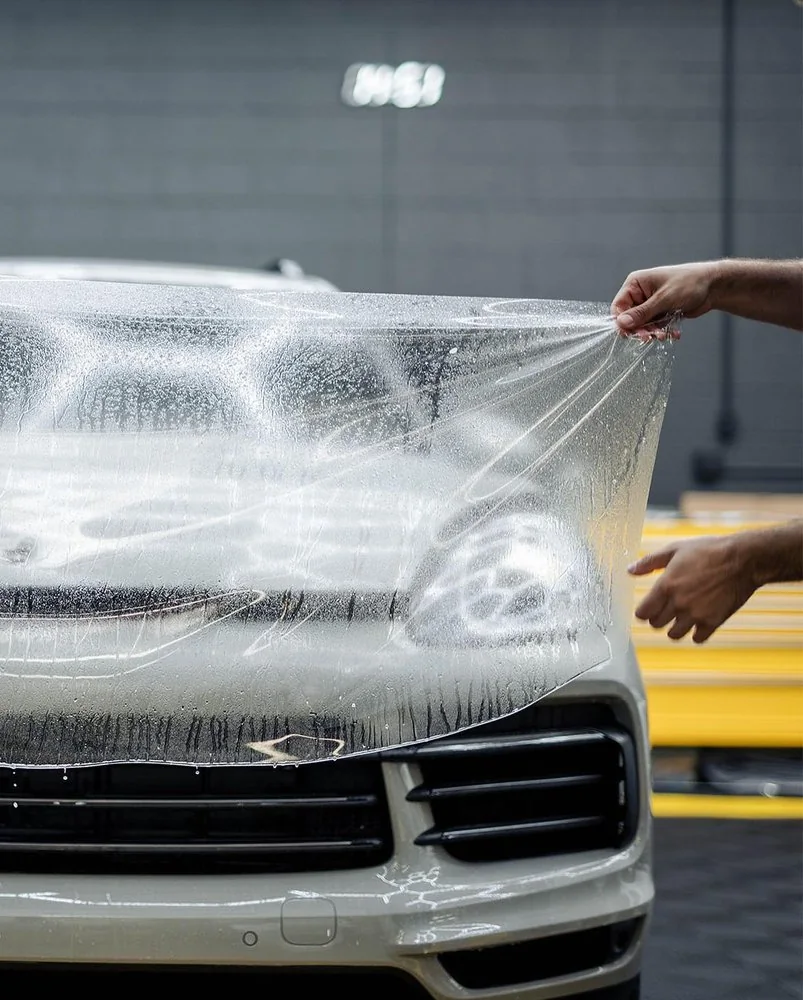
Track preparation is also asset protection. Rubber pickup, rock chips, brake dust, and high-speed debris are realities of performance driving. The nose, front fenders, rocker panels, rear quarter panels, mirrors, and windshield are particularly exposed.
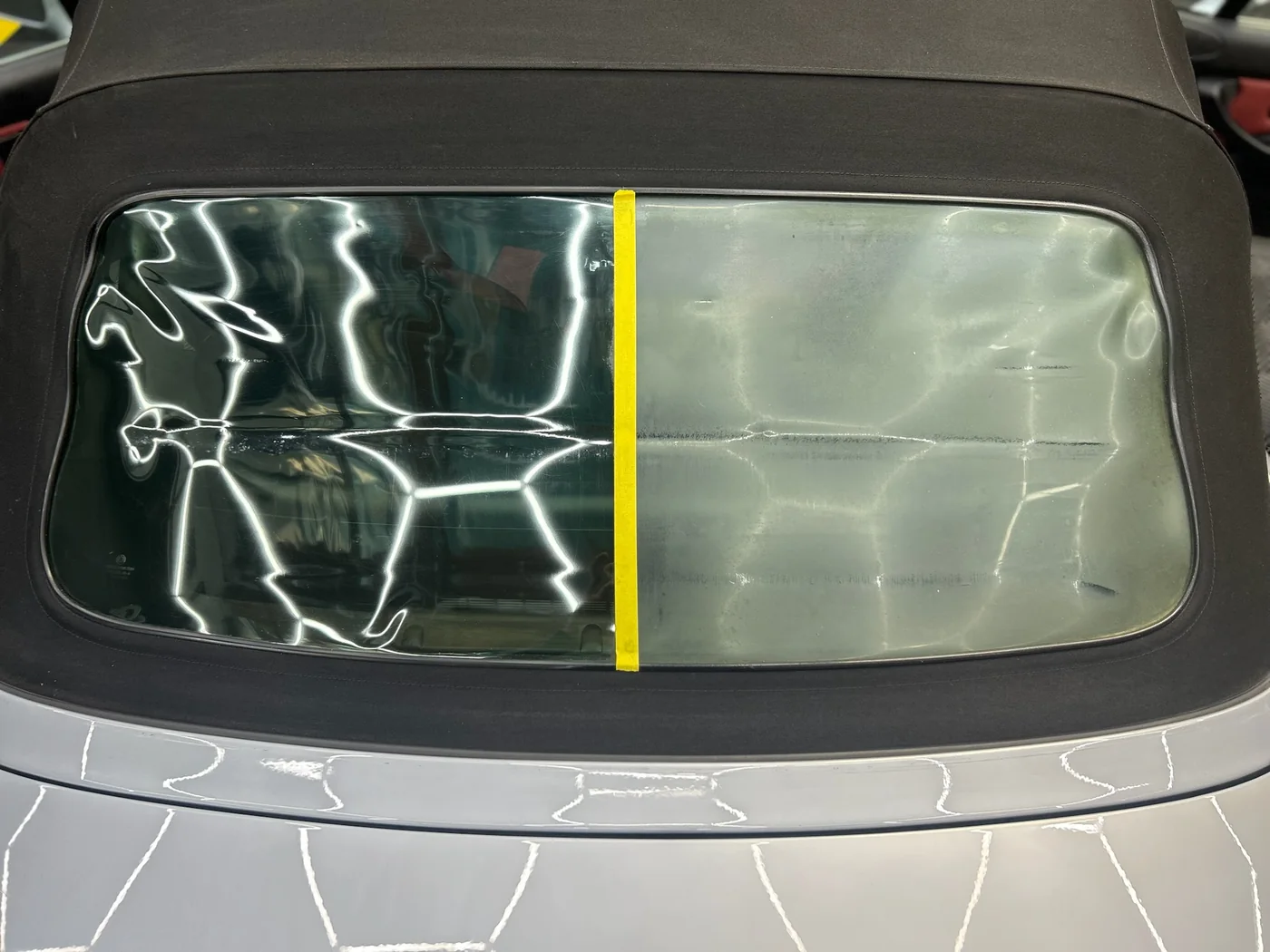
Quality paint protection film provides a sacrificial layer against impact damage while preserving the finish beneath it. Windshield protection film can reduce the risk of pitting and chips from debris, an especially useful consideration given the cost and availability concerns associated with specialty glass. A ceramic or graphene coating will not stop a stone, but it can make cleanup easier after a weekend of brake dust, tire residue, and track grime.
Inside the car, remove loose items from door pockets, cargo areas, and the cabin. Confirm that floor mats are secured or removed. If using a harness, harness bar, fire extinguisher, or data system, ensure installation is purpose-built and appropriate for the event's rules. A poorly positioned accessory can become a distraction or a safety concern at speed.
Bring Data, Tools, and a Post-Session Routine
A small track kit can prevent a minor issue from ending the day. Bring a quality pressure gauge, portable inflator, torque wrench, basic hand tools, microfiber towels, brake cleaner, painter's tape, and a way to record tire and session notes. Keep a close eye on fuel as well. Low fuel may reduce weight, but it can limit session planning and create unnecessary concern on a long circuit.
After each session, walk around the car while it is still warm. Look for tire damage, fluid seepage, loose trim, excessive brake dust patterns, and unusual odors. Review temperatures and pressures, then make one measured adjustment at a time. Chasing multiple changes between sessions makes it difficult to understand what improved the car.
After the event, wash the vehicle promptly. Track debris and brake dust should not remain on paint, wheels, calipers, or protective films longer than necessary. A detailed inspection after cleaning often reveals small chips, tire wear, or heat-related concerns that are easy to miss in the paddock.
A prepared GT3 feels composed long before the first apex. Give the car the same precision it brings to every lap, and each track day can become a more rewarding expression of Porsche engineering, driver development, and disciplined ownership.