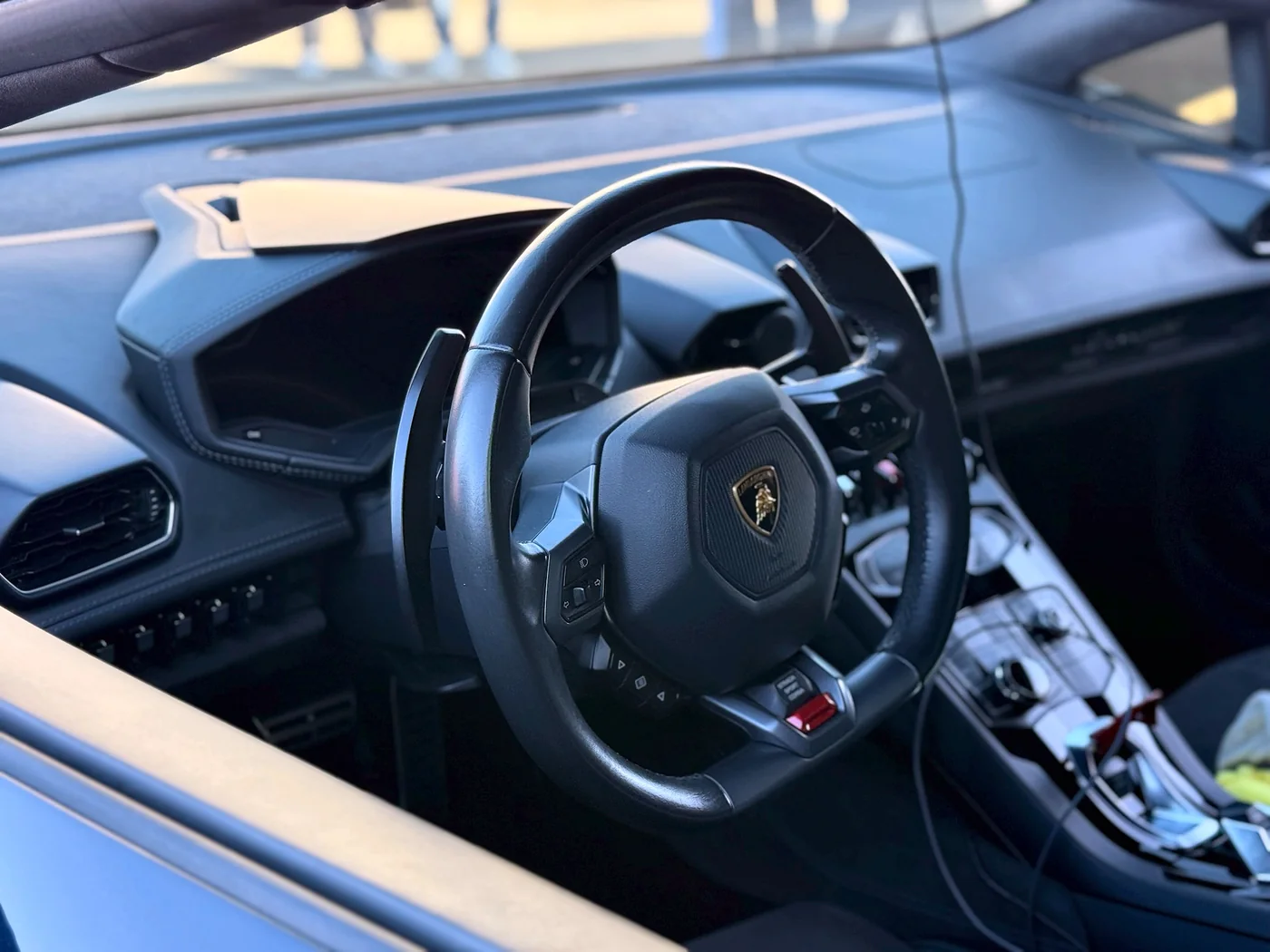

A performance car that feels almost right can be more frustrating than one that is plainly ordinary. The steering may lack finality through a fast sweeper, the brake pedal may soften after a hard downhill run, or the power delivery may feel restrained by factory calibration. Well-planned performance upgrades address those specific gaps. The goal is not to make a premium vehicle louder, harsher, or difficult to live with. It is to make every input feel more deliberate.
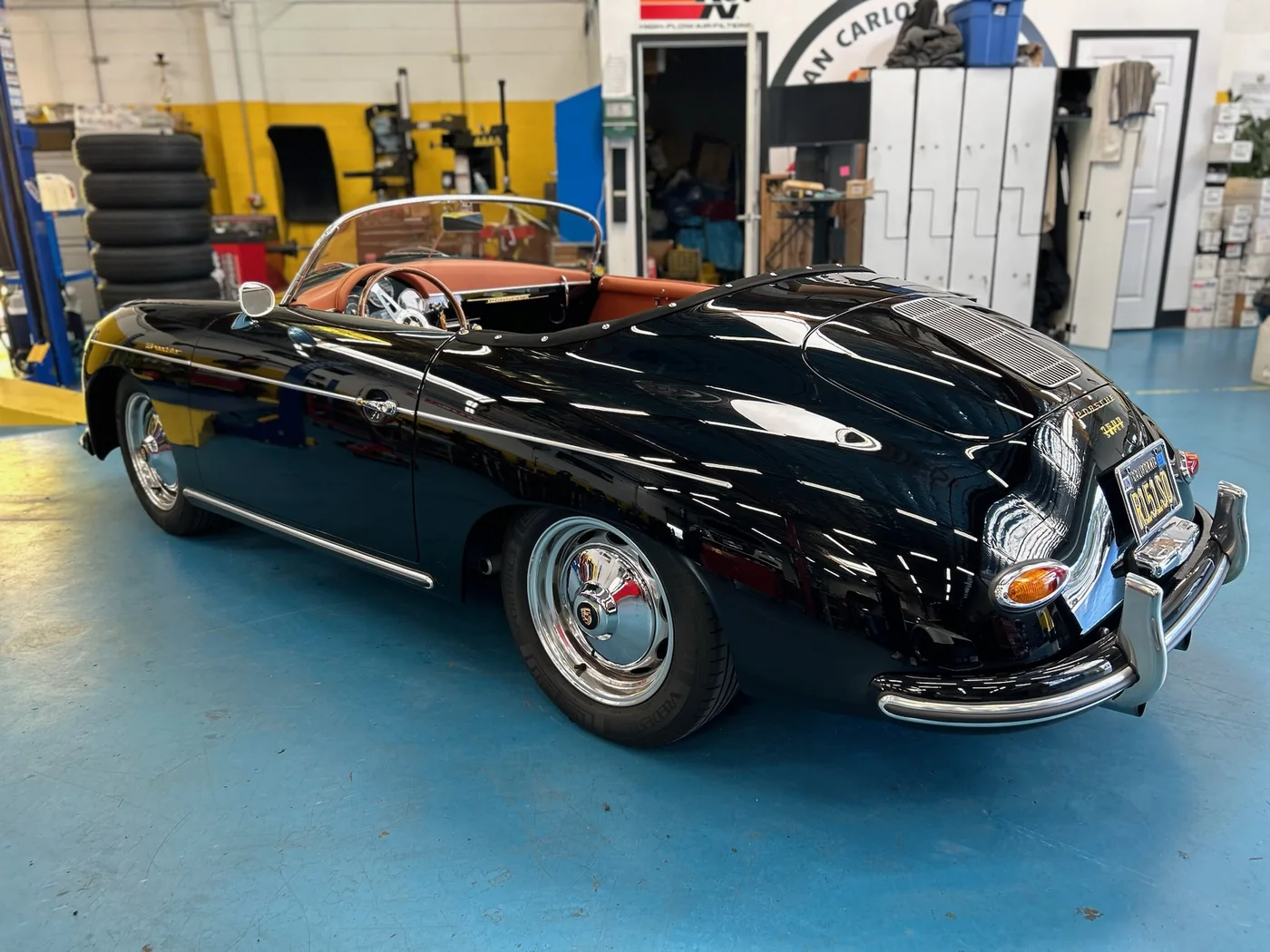
For European, exotic, and collector vehicles, the best modifications respect the engineering that made the car desirable in the first place. They improve capability while preserving reliability, drivability, and the level of refinement expected from a premium machine.
Start With the Driving Experience You Want
The right upgrade path begins with how the vehicle is actually used. A weekend canyon car, a Bay Area daily driver, a track-focused build, and a grand tourer all ask for different solutions. More peak horsepower may sound compelling, but it is not automatically the most meaningful change for a vehicle that spends most of its time on public roads.
Consider the moments where the car falls short. Does it hesitate when accelerating out of corners? Feel unsettled under braking? Roll excessively during transitions? Run too warm during spirited driving? Or does it simply need a more engaging exhaust character without intrusive cabin resonance? These details point toward a purposeful build rather than a collection of parts.
A thoughtful consultation should also account for vehicle condition, mileage, maintenance history, factory options, warranty considerations, and long-term ownership plans. On a late-model German performance sedan, software and braking improvements may offer the best return in confidence. On an older analog sports car, suspension geometry, bushings, and cooling may matter more than outright power.
Performance Upgrades Are a System, Not a Parts List
Modern premium vehicles are highly integrated systems. Adding power changes the demands placed on tires, brakes, drivetrain components, cooling systems, and chassis balance. Improving one area without considering the others can produce a car that is quick in a straight line yet less composed, less predictable, or less dependable.
Tires and Brakes Create the Foundation
Tires are often the most transformative upgrade available because they determine how effectively every other system reaches the road. The correct tire choice depends on wheel size, intended temperature range, wet-weather expectations, road quality, and desired ride quality. An aggressive track-oriented compound can offer impressive dry grip, but may be noisy, less capable in standing water, and short-lived on a daily-driven vehicle.
Braking upgrades deserve the same measured approach. High-performance pads, fluid, and properly selected rotors can dramatically improve pedal consistency and fade resistance without requiring an oversized brake kit. For vehicles that see repeated high-speed use or track days, a larger brake system may be appropriate, but it must be matched to wheel clearance, brake bias, pad availability, and the car’s intended use.
The best brake setup inspires confidence rather than demanding attention. It should respond predictably from the first stop of the day through sustained, demanding use.
Suspension Should Add Control, Not Compromise
Suspension modifications have a major influence on the personality of a vehicle. Quality springs, dampers, coilovers, adjustable control arms, and anti-roll bars can improve turn-in, reduce unwanted body movement, and create a more connected driving feel. But lowering a car for appearance alone can reduce suspension travel, introduce poor alignment geometry, and create clearance problems on real Bay Area roads.
The difference lies in the setup. Spring rates, damper valving, ride height, corner balance, alignment settings, and bushing condition work together. A precise alignment tailored to the driver’s goals can make a substantial difference even before more extensive hardware is installed.
For a luxury performance vehicle, the ideal result is often composed rather than extreme: stable at speed, controlled over uneven pavement, and responsive without being punishing. That balance takes vehicle-specific knowledge, not a universal recipe.
Power Requires a Responsible Plan
Software calibration, intake systems, exhaust components, intercoolers, upgraded turbochargers, fueling improvements, and engine hardware can all produce meaningful gains. Their value depends on calibration quality and supporting modifications.
A conservative, well-developed tune paired with appropriate cooling and maintenance can provide sharper throttle response and stronger midrange power while retaining daily usability. Chasing the largest advertised number, however, can increase heat, strain drivetrain components, reduce traction, and create a car that feels less refined in normal driving.
For forced-induction European vehicles, managing intake air temperatures is especially relevant. Extra boost without adequate intercooling or cooling capacity can lead to inconsistent output under repeated load. Transmission calibration and service requirements also deserve attention, particularly on dual-clutch and high-torque automatic platforms.
Exhaust modifications call for similar restraint. The right system can reveal more of an engine’s character, reduce restriction where appropriate, and create a richer tone. The wrong one introduces drone, unwanted resonance, or a sound that overwhelms the vehicle’s original character. Premium performance should sound intentional from inside and outside the cabin.
Reliability Is Part of the Upgrade
Performance modifications should never be treated as separate from mechanical care. Before adding output or changing suspension behavior, a proper inspection establishes whether the vehicle is ready. Worn engine mounts, aging cooling hoses, degraded bushings, old spark plugs, fluid issues, or a small oil leak can become larger problems when demands increase.
This is especially relevant for vehicles with complex turbocharged engines, advanced all-wheel-drive systems, adaptive suspensions, or electronically controlled differentials. The vehicle’s diagnostic health, service history, and known platform-specific needs should guide the project.
There are times when maintenance is the best performance investment. Fresh fluids, correct ignition components, renewed brake hardware, repaired vacuum leaks, and factory-level diagnostics can restore a level of response an owner may have assumed was gone forever. A responsible specialist will say so rather than selling an upgrade that masks an underlying issue.
Preserve the Vehicle’s Value and Character
Premium vehicle owners often want stronger performance without sacrificing future flexibility. Reversible modifications, quality components, clean installation practices, and complete documentation matter. They help protect resale appeal and make future maintenance easier for the next technician or owner.
Factory parts should be retained whenever practical, particularly for rare, collectible, or high-value vehicles. Modifications should also complement the car’s visual presentation. A properly fitted exhaust, an OEM-quality wheel and tire package, or discreet suspension work can enhance the vehicle without making it appear overbuilt or unfinished.
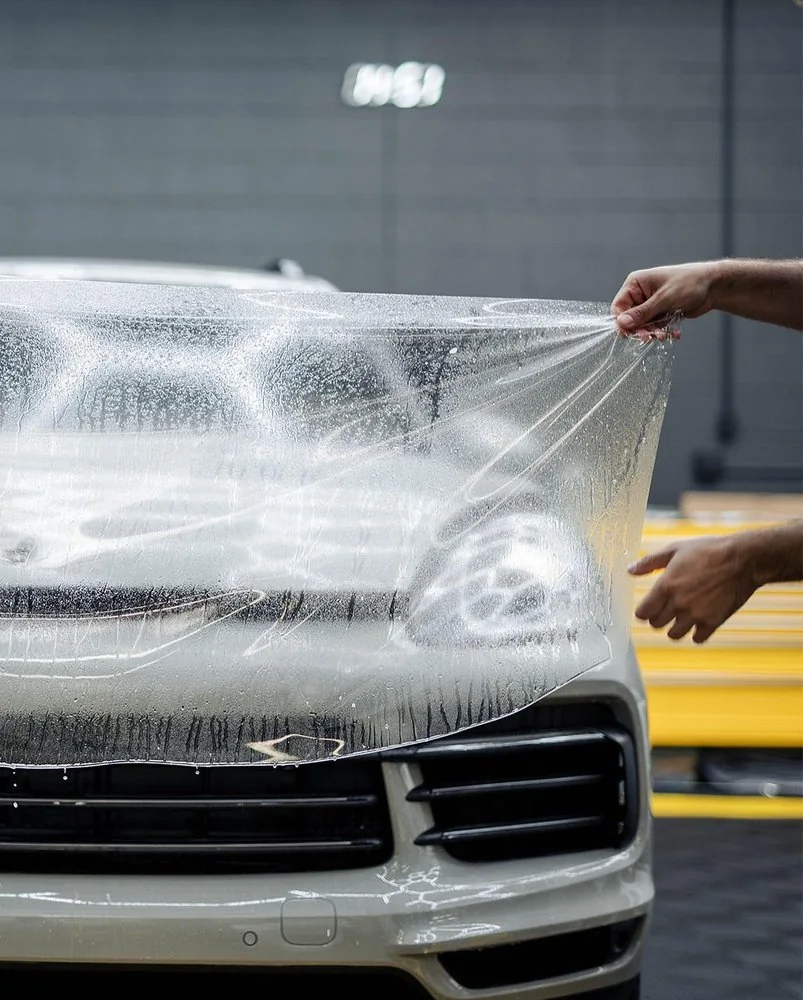
For owners who value both aesthetics and driving dynamics, performance work can be coordinated with paint protection film, ceramic or graphene coatings, detailing, and wheel care. High-performance driving exposes a vehicle to more brake dust, road debris, heat cycles, and tire wear. Protecting the finish while improving the machine creates a more complete ownership experience.
Why Professional Installation Makes the Difference
The hardware itself is only part of the outcome. Installation quality, fabrication capability, calibration, torque procedures, fitment, post-install inspection, and final road evaluation determine whether a modification feels integrated or improvised.
At Artec Automotive, performance projects are approached with the same attention to precision applied to protection, repair, and bespoke vehicle care. That means evaluating the entire vehicle, discussing the intended result, and selecting upgrades that suit the platform rather than relying on generic packages.
Some builds call for a focused first stage: tires, brake fluid, pads, alignment, and a conservative calibration. Others may justify a comprehensive transformation involving suspension, cooling, exhaust, drivetrain enhancements, and custom fabrication. Neither approach is inherently better. The right scope is the one that serves the owner’s driving habits and standards.
A truly rewarding upgrade is felt long after the initial acceleration run. It is the confidence under braking, the clean response at turn-in, the stable pull out of a corner, and the satisfaction of knowing the vehicle has been improved without losing what made it special.