

A performance vehicle can feel flawless during a short pull, then lose its edge after a few hard corners, a long grade, or an afternoon sitting in Bay Area traffic. Heat is often the reason. Performance cooling upgrades are not merely about chasing lower numbers on a gauge. They are about preserving consistent power, protecting expensive components, and giving the car the thermal capacity to perform as intended when conditions become demanding.
For turbocharged European cars, supercharged V8s, track-focused builds, and heavily modified street vehicles, heat management should be treated as a complete system. The right solution depends on how the vehicle is driven, the power level it produces, its factory architecture, and the owner’s expectations for refinement and reliability.
Why Heat Changes the Way a Performance Car Drives
Every engine converts fuel into motion and heat. As output rises, the demand on the cooling system rises with it. Forced induction adds another layer, compressing intake air and raising charge temperatures before that air even reaches the combustion chamber. The factory cooling package may be perfectly capable for normal commuting, yet have little reserve capacity for repeated acceleration, hot weather, spirited canyon driving, track use, or additional horsepower.
When temperatures climb beyond an engine’s preferred operating range, the car’s control systems begin protecting it. Depending on the platform, that may mean reduced ignition timing, lower boost pressure, richer fueling, less aggressive transmission behavior, or reduced electric assist. The driver experiences this as softer response and less power - often just when the road becomes interesting.
There is also a durability concern. High oil temperatures can weaken the oil film that protects bearings and valvetrain components. Repeated heat cycling stresses hoses, plastic fittings, gaskets, seals, and charge-air components. On a premium vehicle, a cooling upgrade is often as much an investment in long-term mechanical confidence as it is a performance modification.
Performance Cooling Upgrades Start With the Weak Point
A larger radiator is the first upgrade many owners consider, but it is not automatically the correct one. Cooling systems work as a network: radiator capacity, airflow, coolant flow, fan performance, oil cooling, intercooler efficiency, ducting, and control strategy all influence the final result. Replacing one part without understanding the system can produce a disappointing improvement or create compromises elsewhere.
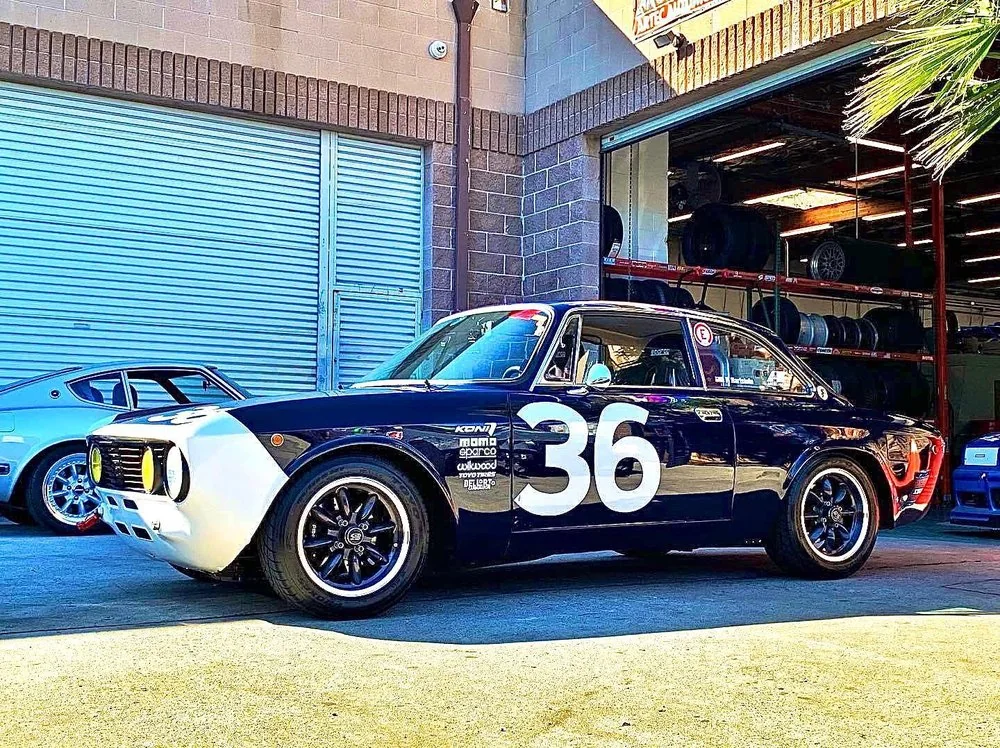
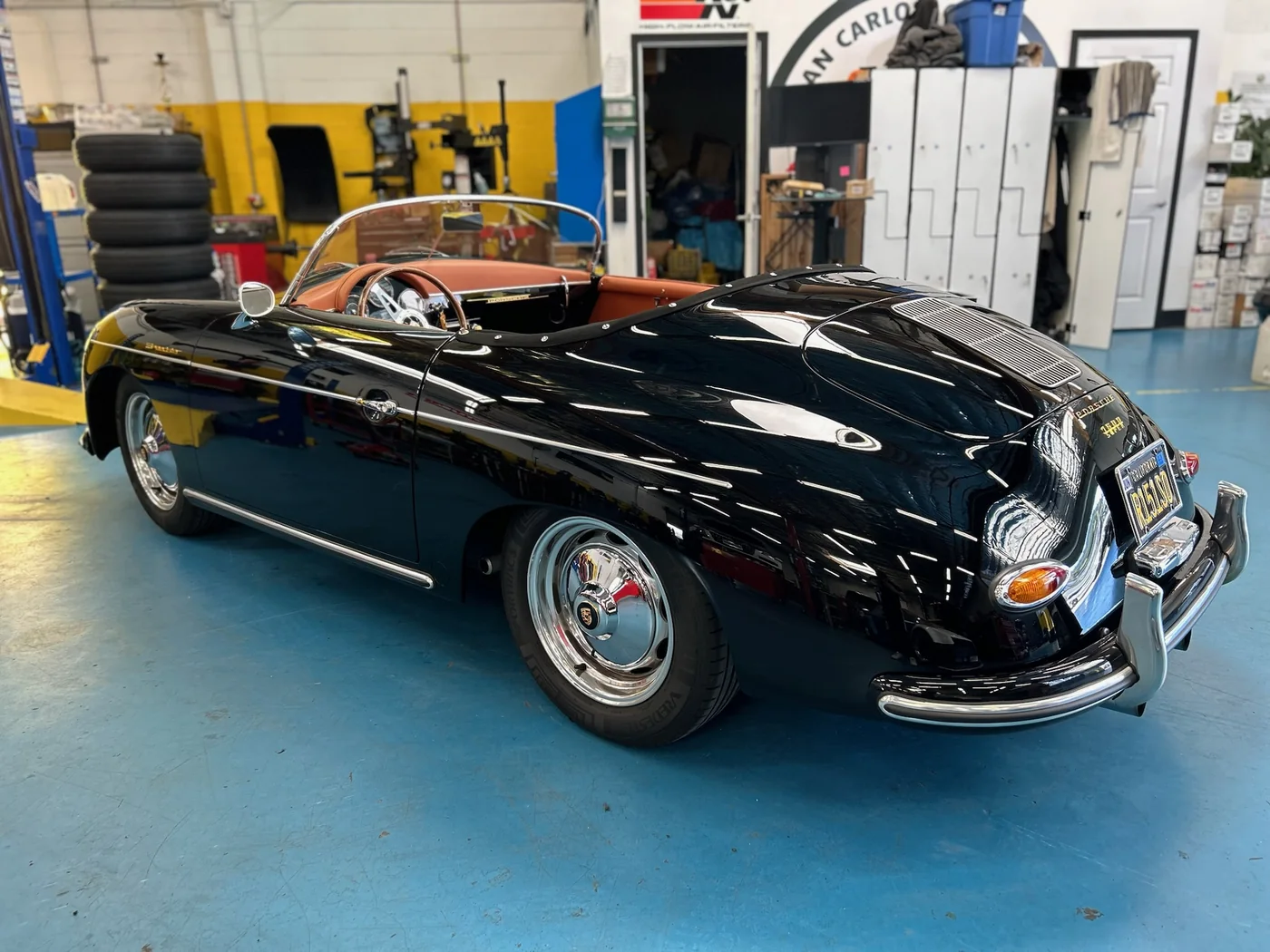
A proper evaluation begins with the vehicle’s use case. A Porsche driven primarily on Peninsula back roads has different needs than one that sees repeated track sessions at Laguna Seca. A modified BMW M car may require attention to engine coolant, oil temperature, transmission temperature, and charge-air cooling. A high-output Audi, Mercedes-AMG, or McLaren may need a focused look at intercooler circuit capacity and heat-exchanger airflow rather than only its main engine radiator.
The goal is not simply the lowest possible temperature. Engines are designed to operate efficiently within a controlled range. The objective is stable temperatures under sustained load, with enough thermal headroom to avoid power reduction and excessive component stress.
Radiators and Heat Exchangers
An upgraded radiator can add coolant volume and surface area, helping the car transfer more heat to the air moving through the front of the vehicle. Quality matters here. Core design, fin density, tank construction, mounting precision, and pressure testing are all part of a durable installation. A poorly fitted oversized radiator can introduce clearance issues, leaks, or airflow problems that offset its intended benefit.
For many modern performance cars, the more meaningful limitation is the charge-air cooling circuit. Turbocharged and supercharged platforms commonly use air-to-air intercoolers or water-to-air systems with front-mounted heat exchangers. When intake temperatures rise, the engine management system may reduce power even when coolant temperature appears normal.
A larger intercooler, more efficient heat exchanger, upgraded coolant pump, or increased reservoir capacity can help the system recover more quickly between hard pulls. This is especially valuable for vehicles with performance software, upgraded turbos, supercharger pulleys, or other modifications that generate additional heat.
Oil, Transmission, and Differential Cooling
Engine coolant is only one part of the picture. Oil does more than lubricate - it also carries heat away from highly loaded internal components. Cars that see track work, towing, mountain driving, or prolonged high-speed operation can benefit from an upgraded oil cooler when oil temperatures consistently move beyond the desired range.
Dual-clutch transmissions, traditional automatics, and differentials can also become thermal bottlenecks. The consequences may be subtle at first: slower shifts, reduced torque capacity, or a warning message after several hard laps. On vehicles built for serious track use or elevated power levels, dedicated cooling for these systems can be the difference between a complete session and an early cooldown lap.
These additions should be selected carefully. More lines, fittings, and heat exchangers create more complexity. A well-engineered installation uses quality components, secure routing, proper protection from road debris, and serviceable placement. The best build is not the one with the most parts. It is the one that solves a verified limitation without compromising the vehicle’s reliability or finish.
Airflow Is as Important as Hardware
Cooling components cannot work without air moving through them. This is where a thoughtful build often separates itself from a catalog of bolt-on parts. Factory shrouds, seals, grille openings, undertrays, and ducts are designed to direct pressure through heat exchangers rather than around them. Removing or altering those pieces without a plan can reduce cooling efficiency.
A high-capacity radiator behind an obstructed bumper opening may offer less real-world benefit than expected. Similarly, a large front-mounted intercooler can block airflow to the radiator if the complete stack and ducting are not considered. Custom ducting, properly sealed shrouds, and strategic fabrication can improve the path of air through the system while preserving an OEM-quality appearance.
Fan strategy matters most at low vehicle speeds. Stop-and-go traffic, staging lanes, and cooldown periods place a different demand on the system than highway driving. Electric fan capacity, shroud design, fan control, and calibration should support the vehicle’s actual operating environment. For a Bay Area vehicle that may move from coastal fog to inland heat in one drive, this reserve capacity is particularly valuable.
Cooling and Tuning Must Work Together
A calibration that targets more boost and timing without adequate thermal control can make impressive power briefly, then retreat when temperatures rise. Conversely, a properly designed cooling package may allow a conservative, well-developed tune to deliver repeatable output for far longer.
This relationship is especially relevant for modified turbocharged engines. Lower, more stable intake-air temperatures can reduce the need for aggressive correction. That does not mean an upgraded intercooler makes any tune safe. Fuel quality, ignition targets, exhaust gas temperatures, engine condition, and the vehicle’s protective strategies still matter. It does mean the powertrain has a more favorable environment in which to operate.
Before adding power, establish a baseline. Diagnostic data can reveal whether the limitation is coolant temperature, oil temperature, intake-air temperature, transmission temperature, or a mechanical issue such as a failing water pump, thermostat, fan, leak, or clogged heat exchanger. Upgrading around an unresolved fault is an expensive way to hide the real problem.
Choose Upgrades for How You Actually Drive
A daily-driven luxury performance vehicle deserves a different approach from a dedicated track car. The daily driver may prioritize quiet operation, factory-like warm-up behavior, clean integration, and dependable performance in traffic. The track car may accept additional complexity and more aggressive thermal capacity in exchange for sustained consistency under extreme load.
For most enthusiast street cars, the strongest path is staged. Address the known weak point first, monitor results, then expand only when the data and intended use justify it. This approach protects the vehicle’s balance and avoids unnecessary modifications.
At Artec Automotive, cooling work is best approached as part of a wider performance plan that considers service history, current modifications, future power goals, and the standards expected of a premium vehicle. Installation quality is not an afterthought when the work involves pressurized circuits, tight packaging, sensitive electronics, and valuable finishes.
The right cooling upgrade may never be the most visible modification on the vehicle, but its value is felt every time the car delivers the same sharp response on the final pull as it did on the first. That consistency is what turns added power into performance you can use with confidence.