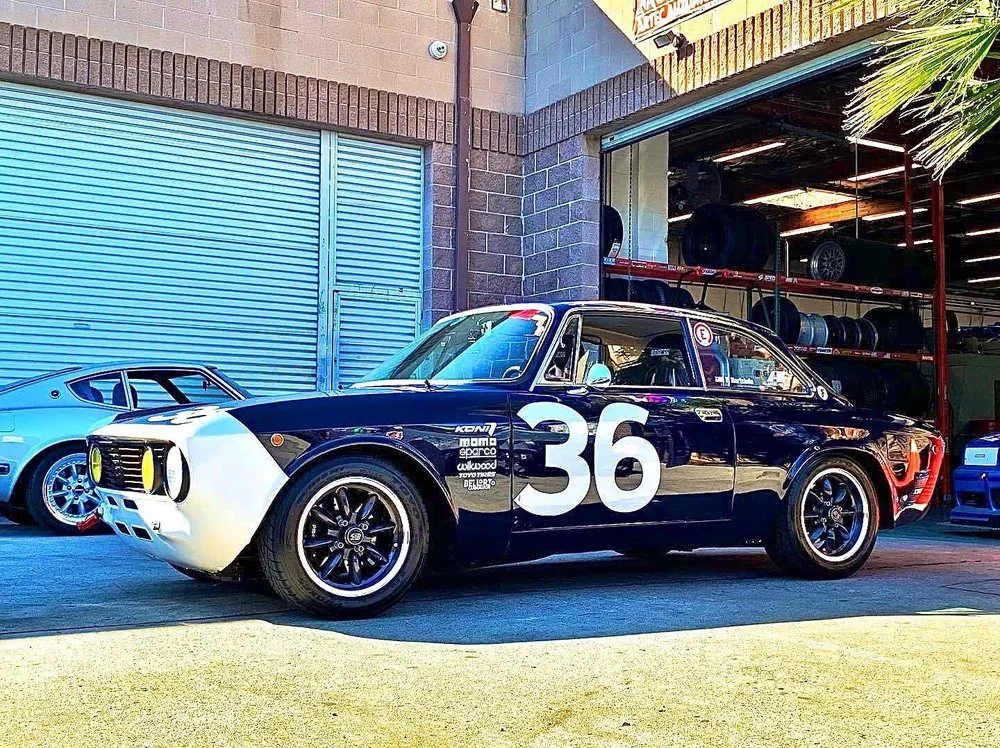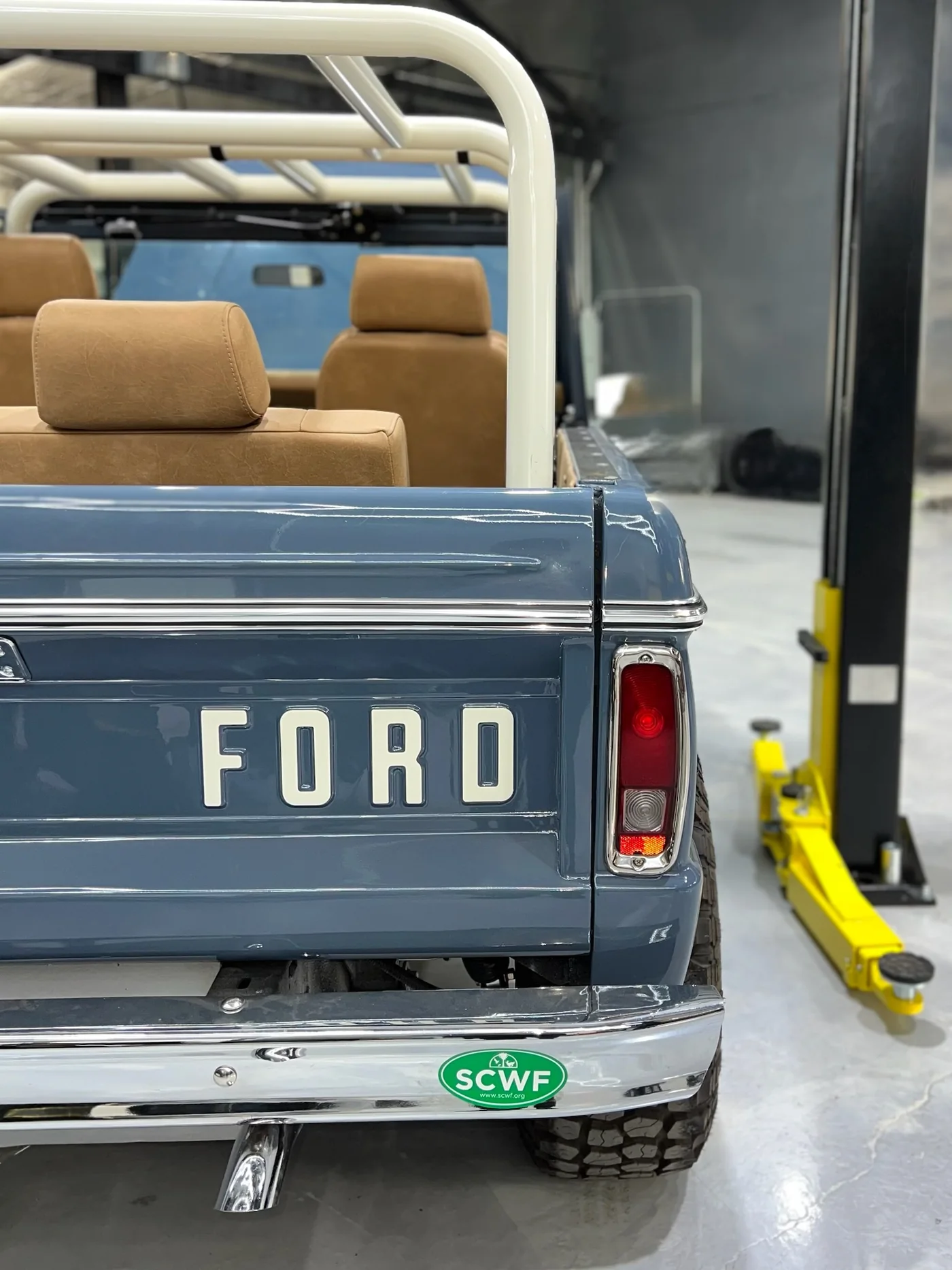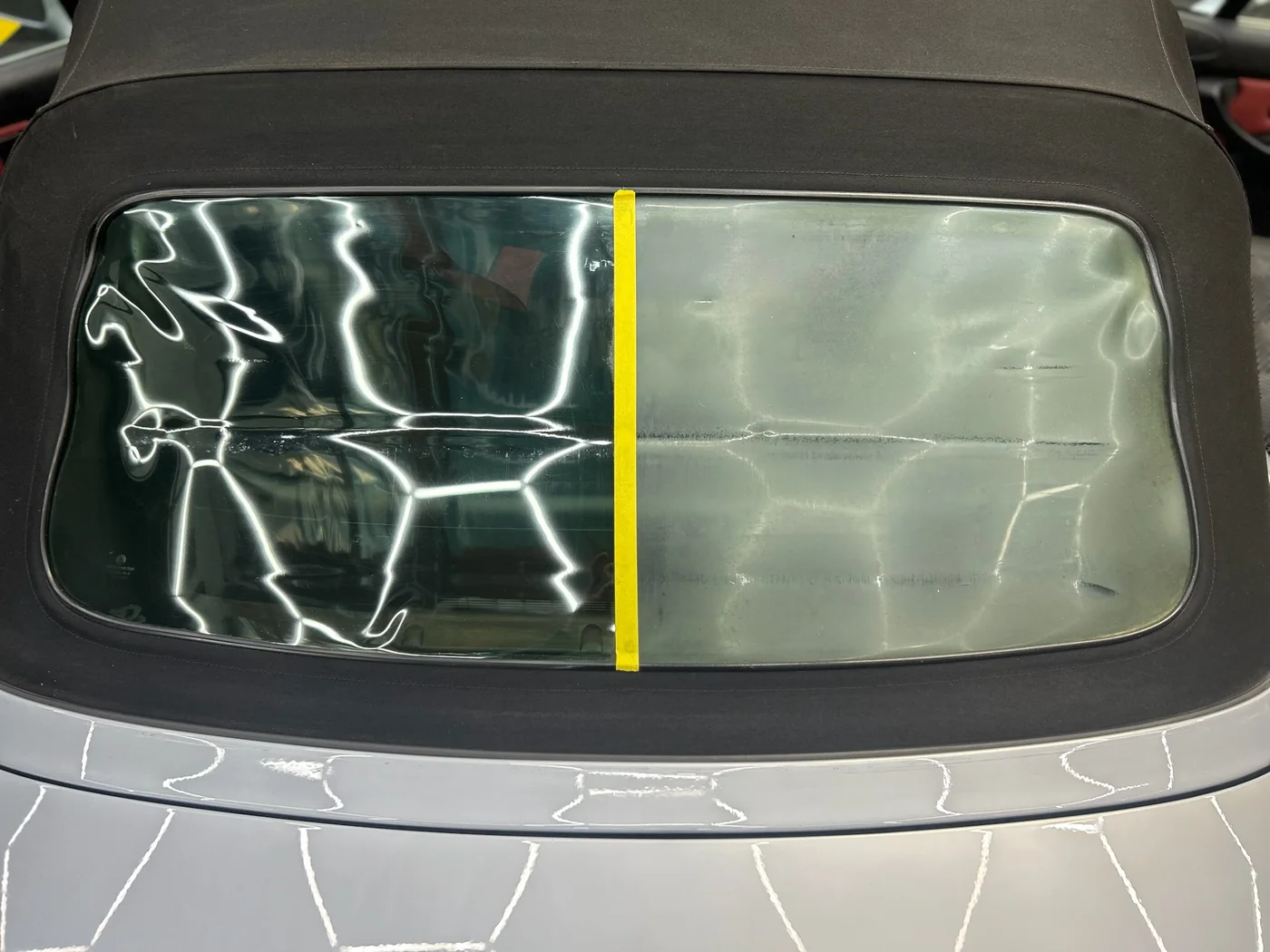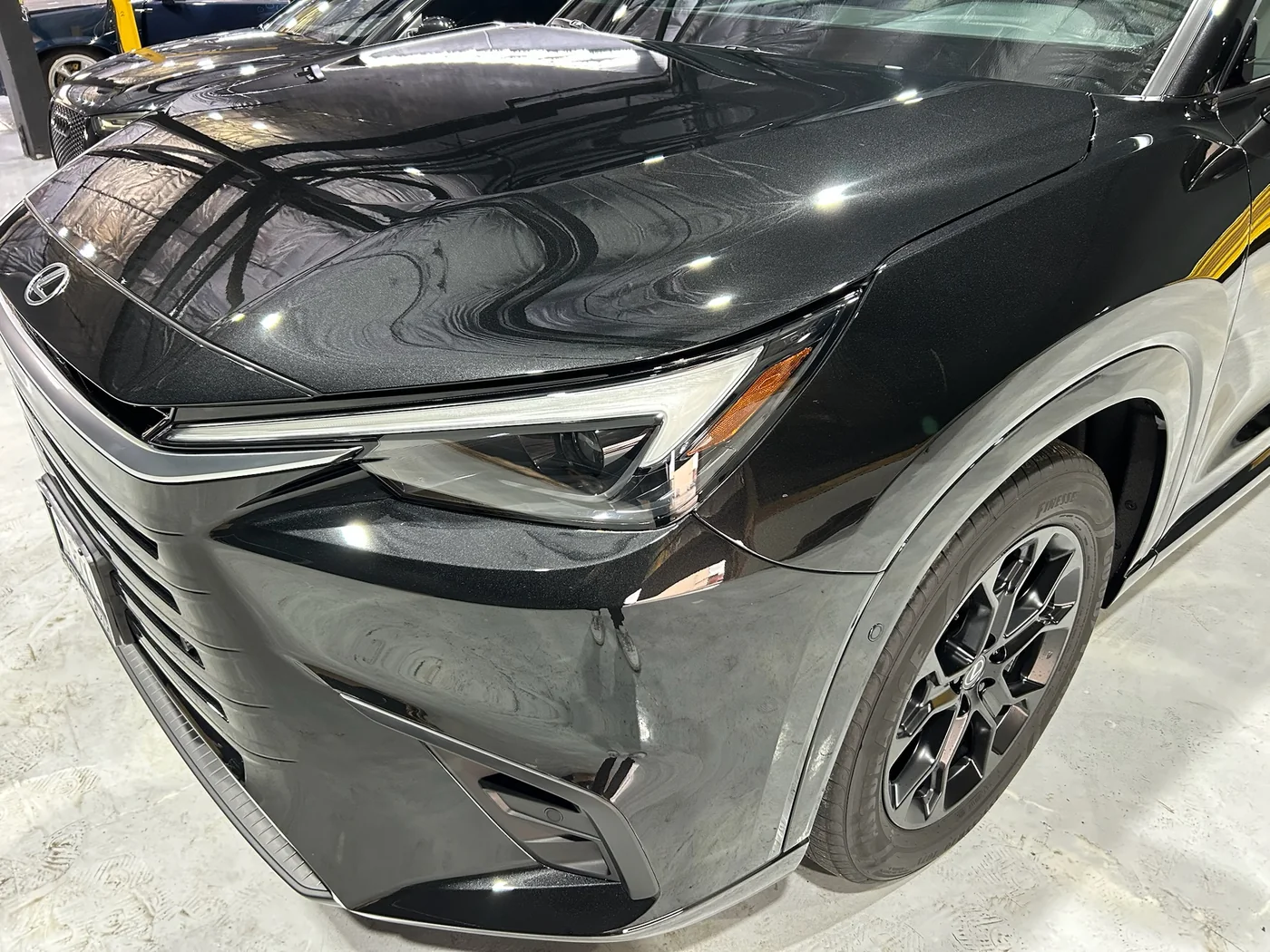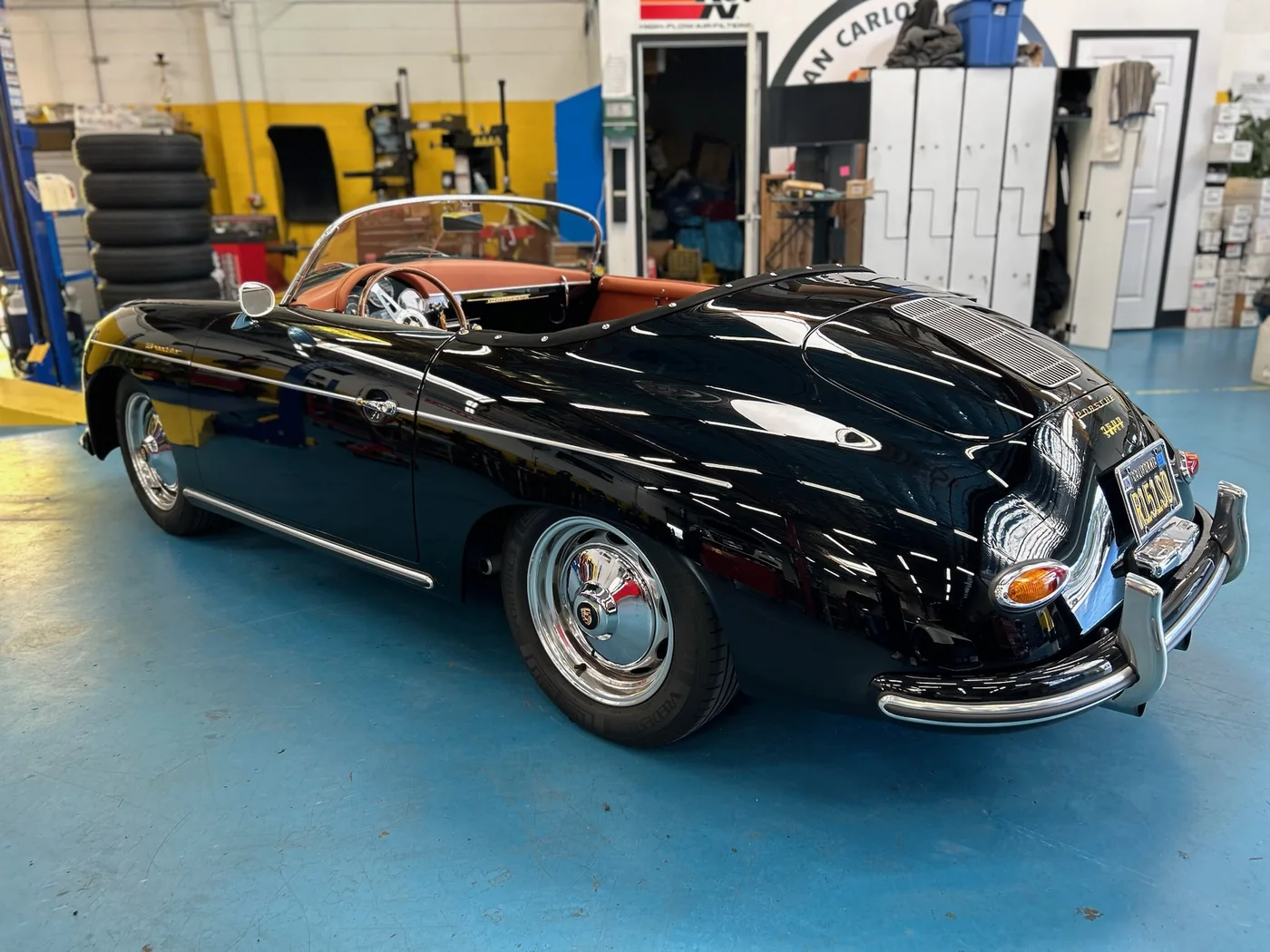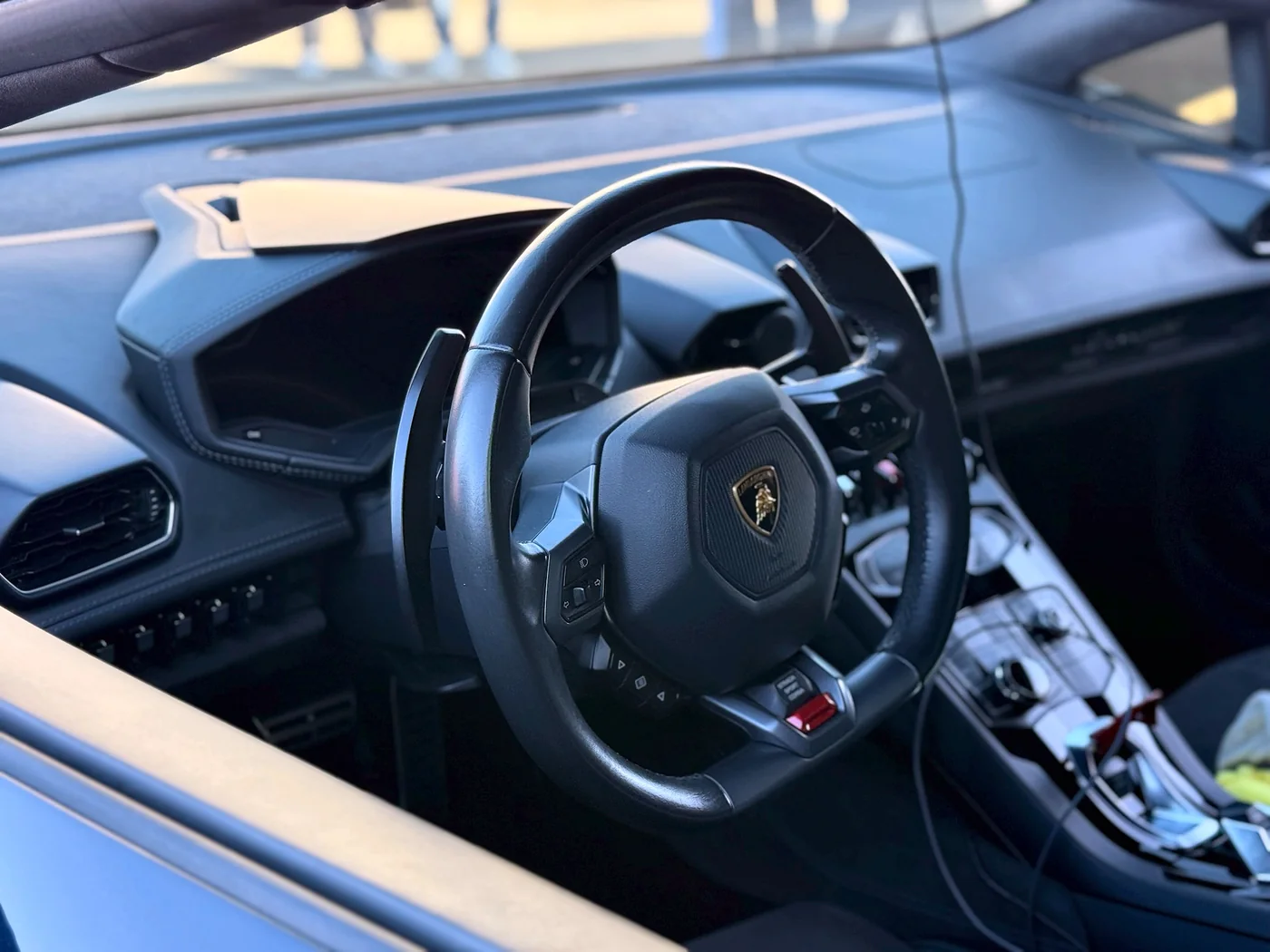

A freshly corrected finish can look extraordinary under Bay Area light - until the first freeway commute leaves a chip in the front bumper. Between Highway 101 traffic, coastal grit, tight urban parking, construction zones, and mountain-road debris, premium paint is exposed to more than most owners realize. Paint protection film Bay Area vehicle owners choose is designed to take that abuse first, preserving the finish underneath without changing the character of the vehicle.
For a luxury, performance, exotic, or collector vehicle, paint protection film is not simply a cosmetic add-on. It is a precisely installed barrier that helps protect factory paint, reduce visible wear, and support long-term value. The right coverage depends on how, where, and how often the vehicle is driven.
What Paint Protection Film Actually Protects Against
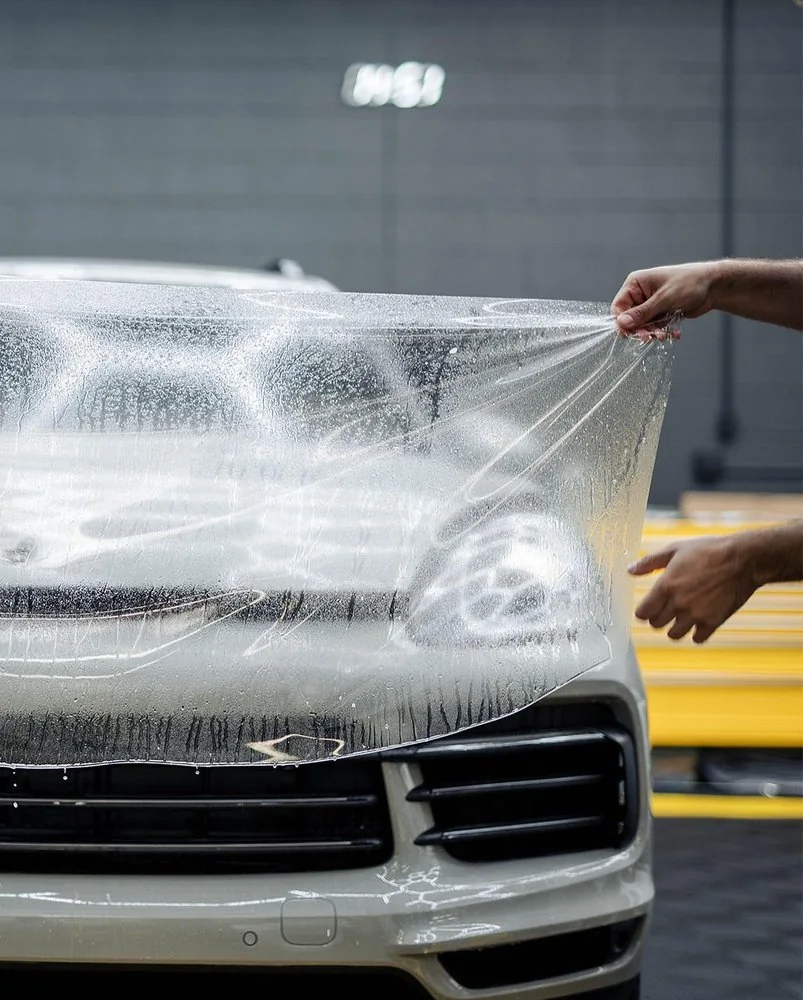
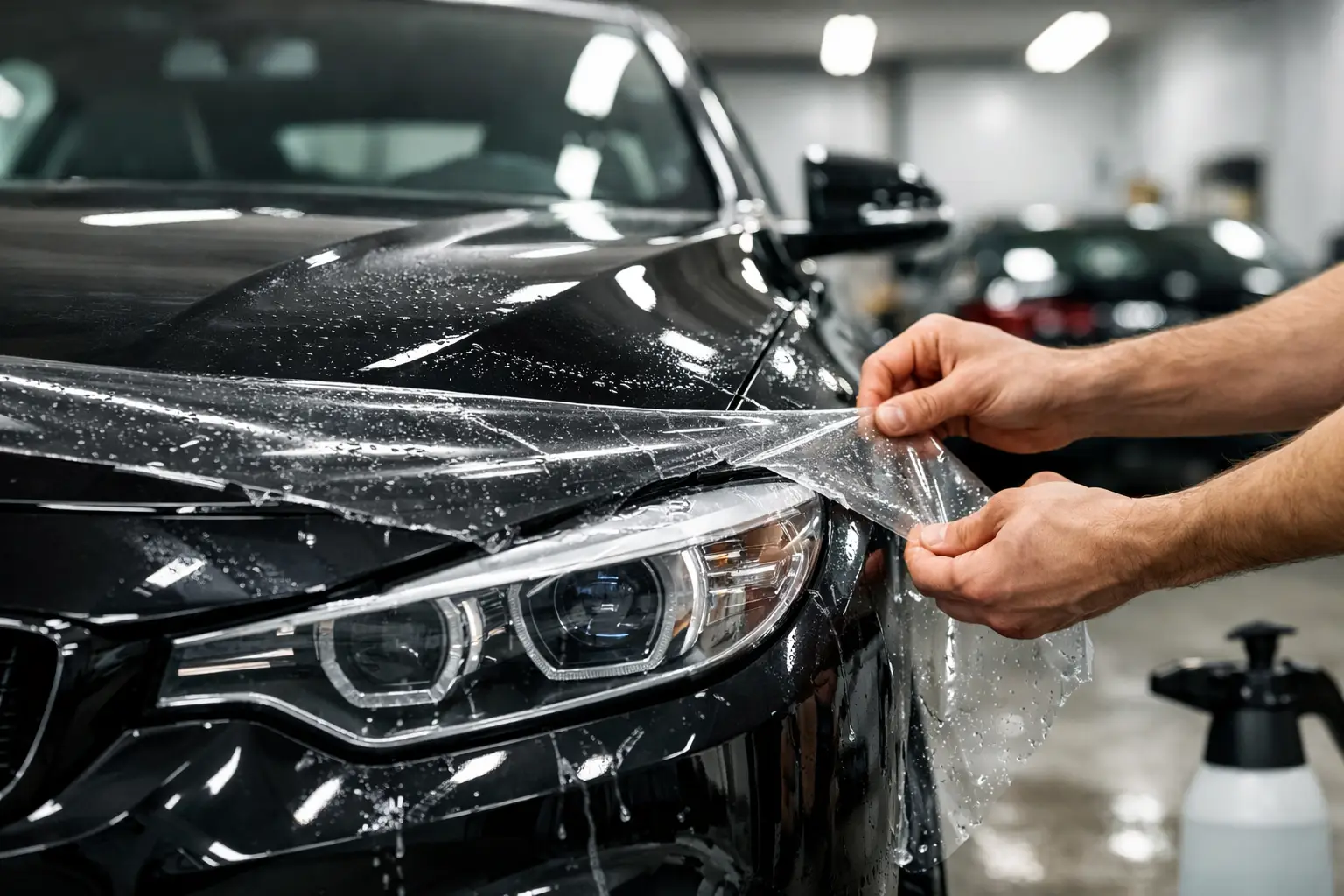
Paint protection film, often called PPF or clear bra, is a transparent urethane film applied over painted surfaces. Premium modern films are engineered to absorb the impact of small road debris that could otherwise chip or scratch the clear coat. Many also feature self-healing top layers that can reduce the appearance of light surface marks when exposed to heat.
Its greatest strength is impact resistance. Ceramic and graphene coatings offer meaningful chemical resistance, gloss, and easier maintenance, but they are not intended to stop a rock from striking the nose of a 911, a Range Rover, or a daily-driven M car. PPF addresses a different risk: physical damage from debris, gravel, sand, insects, and road abrasion.
That distinction matters when planning a protection package. A coating can be an excellent complement over paint or film, but it should not be presented as a substitute for the sacrificial protection PPF provides.
Where Paint Protection Film Bay Area Coverage Matters Most
The front of a vehicle takes the vast majority of road impact. Full-front coverage typically includes the front bumper, full hood, full fenders, mirror caps, and headlights. On many vehicles, this is the most sensible starting point because it protects the areas that see constant exposure at highway speed.
Full-front installation also avoids the visible transition lines associated with partial hood or fender coverage. For owners who expect a near-invisible finish, wrapping full panels is often the more refined choice. It delivers cleaner visual integration while protecting the surfaces most likely to show damage first.
A full-body installation extends that protection to doors, rocker panels, rear quarter panels, roof sections, rear bumpers, and other exposed areas. It is especially compelling for vehicles with soft paint, wide rear haunches, low ride heights, aggressive tire fitment, or a high percentage of freeway and canyon driving. Matte and satin factory finishes also deserve special consideration, since paint correction options can be limited if the surface becomes damaged.
There is no universal answer. A low-mileage weekend car may be well served by full-front coverage and strategically protected rocker panels. A daily-driven luxury SUV that sees 101, I-280, school drop-off lines, and frequent trips to Tahoe may justify far more extensive protection. The decision should reflect the vehicle's exposure, not a generic package menu.
Bay Area Conditions Create a Specific Kind of Wear
The Bay Area is not defined by one climate or one driving environment. A car stored in San Francisco may face dense parking, coastal moisture, and frequent stop-and-go traffic. A Peninsula commuter can cover long freeway miles each week. Owners who drive through the East Bay hills, along the coast, or toward the Sierra encounter loose aggregate, changing temperatures, and higher-speed debris impact.
Even careful drivers cannot control what leaves a truck bed, kicks up from a tire, or appears in a lane after roadwork. The leading edge of the hood, bumper, windshield surround, and lower rocker panels are simply in the line of fire.
Dark paint makes this especially apparent. Black, deep blue, and other rich colors reveal chips and fine scratches quickly, while lighter metallic finishes can hide small marks until the vehicle is inspected closely. Either way, each chip breaks the continuity of an otherwise exceptional finish. On a premium vehicle, that visual compromise is difficult to ignore.
Material Quality and Installation Precision Matter
Not all paint protection film performs or looks the same. Film quality affects clarity, gloss, stain resistance, self-healing behavior, and long-term stability. Installation quality determines whether those material benefits are visible on the vehicle.
A meticulous installation begins with paint assessment and surface preparation. Contamination, embedded fallout, existing scratches, and prior coating residue can affect adhesion and final appearance. When appropriate, paint correction should occur before film installation, because PPF preserves the finish beneath it rather than concealing defects.
Precise panel preparation and pattern selection are equally important. The goal is to maintain clean edges, thoughtful seam placement, and proper coverage around complex body lines, sensors, vents, and trim. High-end vehicles often demand additional attention because their panels, curves, and aerodynamic details leave little room for careless execution.
At Artec Automotive, the approach should be vehicle-specific rather than one-size-fits-all. A performance coupe, a luxury SUV, and an exotic car with intricate carbon fiber aero components each present different protection priorities. The best recommendation accounts for paint condition, vehicle use, finish type, and the owner's expectations for appearance.
Choosing Full Front, Track Package, or Full Body
The right coverage level is a balance of protection, aesthetics, and how the vehicle is used. Full-front PPF is the foundation for many owners because it addresses the highest-impact zone. Adding rocker panels and lower doors is particularly valuable on performance vehicles, where wide tires and low ground clearance can throw debris along the sides.
A track-focused package may prioritize the front end, rocker panels, rear impact areas, and high-wear sections around wide fenders or aerodynamic components. It is designed for the owner who drives with purpose and understands that the vehicle's exposure rises significantly at speed.
Full-body PPF is the most comprehensive option for owners who want to preserve an entire factory finish or protect a specialized paint color. It can be a strong fit for exotic, collector, and newly delivered luxury vehicles, as well as clients who prefer to enjoy their cars without treating every parking lot or freeway mile as a paint-risk calculation.
Cost is naturally part of the conversation. More coverage requires more material, preparation, installation time, and technical detail. Yet comparing PPF only by initial price misses the ownership equation. Repainting a bumper may be manageable; matching complex metallic paint, maintaining original panels, and addressing repeated chips over several years can be far more frustrating and expensive.
PPF Works Best as Part of a Complete Protection Strategy
Paint protection film protects painted surfaces, but it cannot address every source of wear. Windshields remain vulnerable to road debris, especially on vehicles with expensive camera calibration or advanced driver-assistance systems. Windshield protection film can provide an additional defense against light impact and abrasion, while professional windshield replacement remains essential when damage compromises safety or visibility.
Window tinting can reduce cabin heat and UV exposure, protecting interior materials while improving comfort and privacy. Ceramic or graphene coatings can be applied to unprotected paint, film, wheels, glass, and trim to enhance gloss, simplify washing, and help resist environmental contamination. Each service has a distinct role; the strongest results come from selecting the right combination rather than expecting one product to do everything.
Maintenance also matters. PPF is durable, not indestructible. Use proper wash methods, avoid abrasive brushes, and address contaminants such as bird droppings, tree sap, and bug residue promptly. Periodic professional detailing helps keep the film clear and the vehicle looking properly cared for.
A Better Way to Decide
Begin with an honest look at where the vehicle spends its time. Consider freeway mileage, parking conditions, road trips, weekend drives, and whether the vehicle is a long-term keeper. Then inspect its shape: low front ends, broad fenders, exposed rocker panels, and intricate painted aero all increase the value of targeted coverage.
The best paint protection plan should feel intentional. It should preserve the surfaces that matter most, maintain the vehicle's design language, and fit the way you actually enjoy driving it. When the first unavoidable piece of road debris arrives, the goal is simple: let the film take the hit, not the paint.