

A McLaren can feel perfectly composed on a weekend drive and still be due for critical attention. That is the point of a proper McLaren annual service guide: annual maintenance is not a response to a warning light or a change in drivability. It is a disciplined inspection of the systems that protect the car's performance, reliability, finish, and long-term value.
For Bay Area owners, the calendar matters as much as the odometer. Many McLarens cover limited miles, spend extended periods in storage, or rotate between canyon roads, highway drives, track events, and city traffic. Low mileage can reduce wear in some areas, but it does not stop fluids from aging, batteries from discharging, seals from sitting, or road debris from affecting exposed paint and glass.
What an Annual McLaren Service Should Accomplish
An annual service should establish a clear baseline for the coming year. The objective is not simply to change oil. A specialist should assess the vehicle's mechanical condition, electronic health, consumables, tire age and condition, fluid quality, and evidence of leaks or unusual wear. The findings should be documented so changes can be tracked from one service visit to the next.
McLaren service intervals and requirements vary by model year and platform. A 570S, 600LT, GT, Artura, 720S, or Senna does not share an identical maintenance profile. Factory schedules, prior service records, driving conditions, mileage, warranty status, and modifications all shape the correct plan. The owner's manual and manufacturer maintenance information remain the final authority, but an annual specialist inspection provides the practical context a schedule alone cannot.
For a vehicle engineered with tight packaging, advanced cooling, high-performance braking, and complex electronics, small observations matter. A minor seep, a tire approaching its age limit, or a battery that is no longer holding an optimal charge is far easier to address before it affects a drive, a trip, or a track day.
McLaren Annual Service Guide: Core Mechanical Priorities
Engine oil, filters, and fluid condition
Oil service is central to annual McLaren maintenance, particularly for turbocharged models that generate substantial heat. Even when mileage is low, oil can collect moisture and contaminants during short heat cycles or long periods of inactivity. Using the correct manufacturer-specified oil grade and filter is essential, as is inspecting the drained oil and filter for anything unusual.
The annual visit is also the right time to inspect coolant, brake fluid, hydraulic systems where applicable, and windshield washer fluid. Fluid replacement intervals differ, so not every fluid necessarily requires replacement each year. Brake fluid, however, deserves particular attention in a high-performance car because it absorbs moisture over time and is subjected to extreme temperatures during spirited driving or track use.
Brakes, tires, and chassis
McLaren braking systems are designed for extraordinary capability, but they require measured inspection rather than assumptions. A technician should check pad thickness, rotor condition, brake lines, calipers, and any signs of uneven wear. Carbon-ceramic brake components can last a long time under normal road use, yet replacement is a meaningful investment. Confirming their condition early helps owners plan properly rather than make decisions under pressure.
Tires deserve the same level of scrutiny. Tread depth is only one part of the picture. Heat cycles, age, sidewall condition, alignment wear, and previous repairs all matter. A McLaren with low annual mileage can still be riding on tires that have hardened with age, compromising wet grip and ride quality. Bay Area microclimates make this particularly relevant: a car driven from a warm Peninsula afternoon into foggy coastal conditions needs tires that are ready for real temperature and surface changes.
Suspension components, steering response, axle boots, underbody panels, and alignment should also be evaluated. If the car has encountered potholes, steep driveways, aggressive road crowns, or lowered suspension geometry, an annual alignment check can preserve tire life and the precise handling McLaren intended.
Battery health and vehicle electronics
Modern McLarens depend on stable voltage. An aging battery can create a range of confusing symptoms, from intermittent warnings to infotainment issues and reduced starting confidence. A proper annual inspection includes battery testing, terminal inspection, charging-system evaluation, and a review of how the vehicle is stored between drives.
If the car sits for more than a week or two at a time, a quality battery maintainer used correctly is usually part of responsible ownership. Storage conditions also matter. Secure, climate-controlled storage reduces avoidable strain from temperature swings, moisture, dust, and prolonged inactivity, while allowing the car to remain prepared for service and use.
Electronic diagnostics should not be treated as an afterthought. A specialist can scan for stored fault codes, software-related concerns, sensor irregularities, and issues that may not yet trigger a dashboard warning. The goal is not to chase every historical code, but to distinguish harmless records from developing concerns.
Service Needs Change With How You Drive
A McLaren that travels 1,500 careful miles per year has different needs than one driven 8,000 miles, regularly exercised on Skyline Boulevard, or used at Sonoma Raceway. The annual inspection remains valuable for both, but the emphasis changes.
Track-driven cars may need more frequent brake-fluid service, tire evaluation, alignment checks, and closer inspections of brake components and cooling systems. Cars used mainly for short drives may need special attention to battery health, oil condition, and condensation-related concerns. A vehicle that sits for a season needs an intentional recommissioning process, not simply a key turn and a fuel stop.
Modifications introduce another layer. Performance software, exhaust work, suspension changes, aftermarket wheels, and custom fabrication can all affect diagnostics, clearances, heat management, and maintenance planning. Quality modifications can elevate the experience when executed thoughtfully, but they should be documented and evaluated as part of every annual service conversation.
Protect the Surfaces That Carry the Investment
Mechanical maintenance preserves how a McLaren drives. Protection and detailing preserve how it presents. Both influence ownership satisfaction and eventual resale appeal.
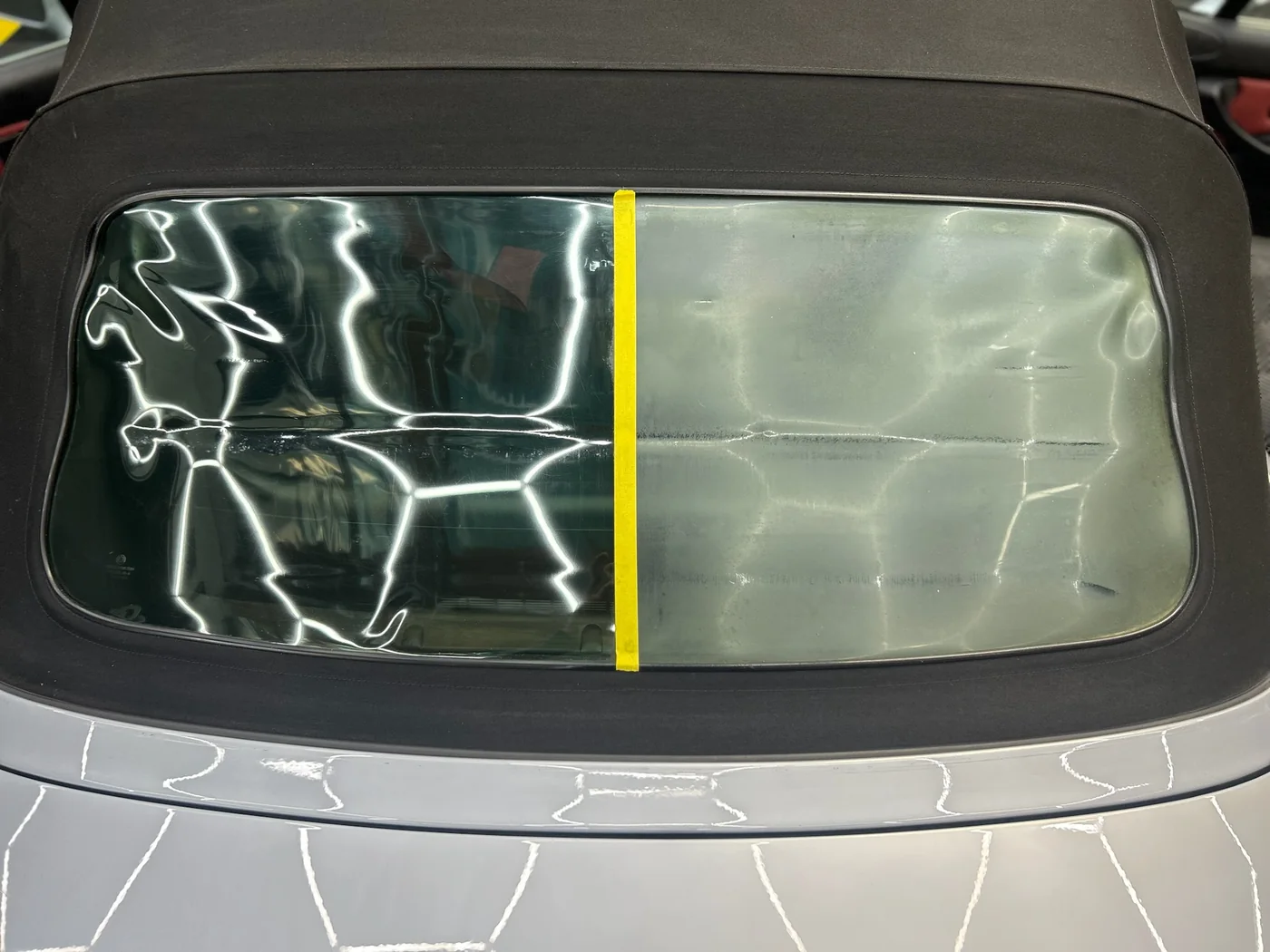
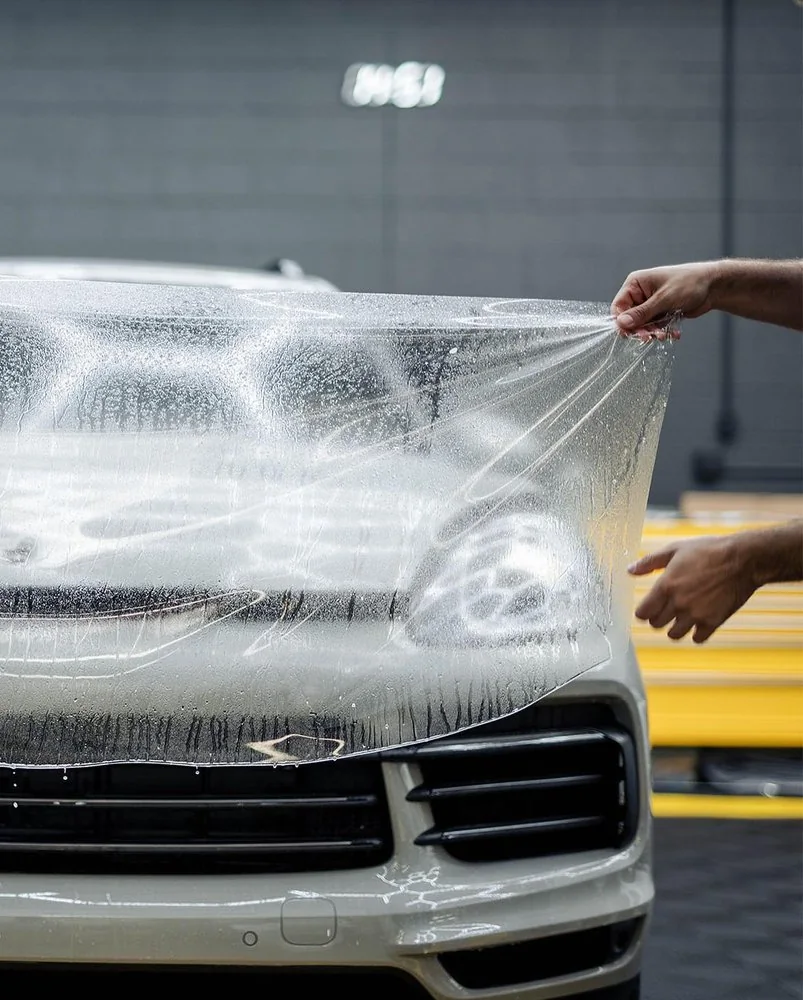
The low, wide stance that gives a McLaren its visual drama also places its paintwork and windshield directly in the path of road debris. The front bumper, hood, mirrors, rocker panels, rear quarters, and lower doors are common impact zones. Paint protection film can help preserve these high-exposure surfaces, while windshield protection film may be worth considering for owners who frequently drive on highways or canyon roads where stone strikes are a constant risk.
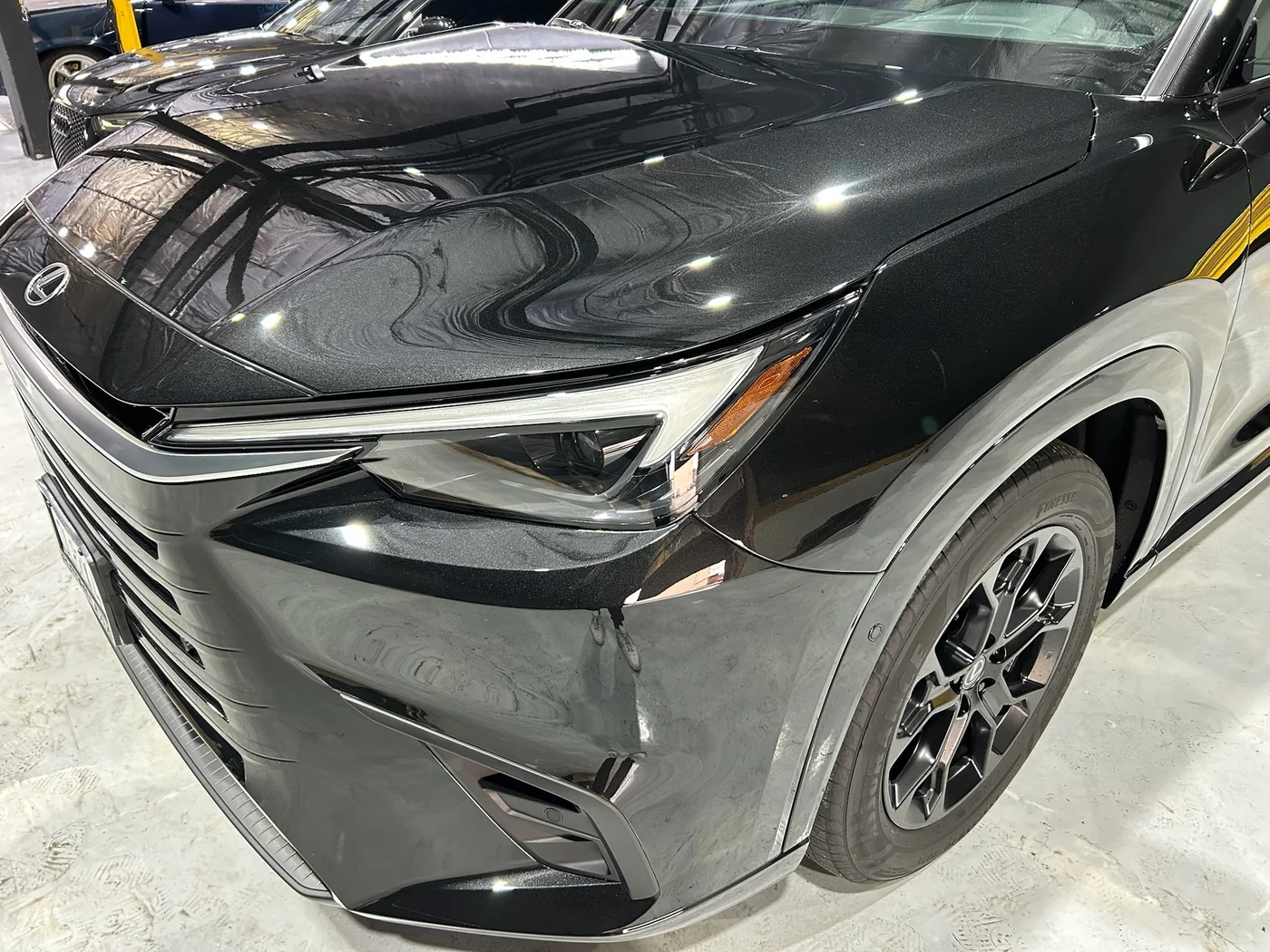
Annual service is a practical time to evaluate the vehicle's exterior condition. Look for fresh chips, lifting edges on existing film, coating performance, water spotting, wheel damage, brake-dust accumulation, and contamination around vents and aerodynamic channels. A tailored detailing and paint-correction plan can address these issues before they become more involved cosmetic repairs.
Interior preservation should be part of the same conversation. Leather, Alcantara, carbon fiber, gloss-black trim, and delicate switchgear all benefit from correct cleaning and conditioning. The right approach is measured, not aggressive. Premium interiors can be damaged by harsh cleaners, excessive moisture, or careless handling just as easily as exterior paint can be marked by improper washing.
Choosing the Right Service Partner
A McLaren deserves a shop that recognizes the difference between general luxury-car maintenance and vehicle-specific care. The right partner should be comfortable working around complex bodywork, low ride height, carbon fiber, sensitive finishes, performance braking systems, and specialized diagnostic requirements. Equally important, the shop should explain what it finds in clear terms, prioritize work intelligently, and respect the vehicle as both a performance machine and a significant asset.
For owners on the San Francisco Peninsula and across the Bay Area, Artec Automotive provides the advantage of a comprehensive relationship: specialty European service and repair alongside paint protection, detailing, coatings, customization, fabrication, and secure vehicle storage. That integrated approach helps prevent the common disconnect between mechanical work and cosmetic preservation.
Keep complete records of every service, inspection, fluid replacement, tire change, alignment, protective-film installation, and repair. Detailed documentation supports informed maintenance decisions now and adds credibility when it is time to sell or trade the vehicle.
The best annual appointment is scheduled before the car gives you a reason to make one. Set it around the same point each year, discuss how the McLaren has actually been driven, and arrive with any small changes in sound, feel, braking, steering, or electronics noted. That level of attention keeps every mile worthy of the badge on the hood.