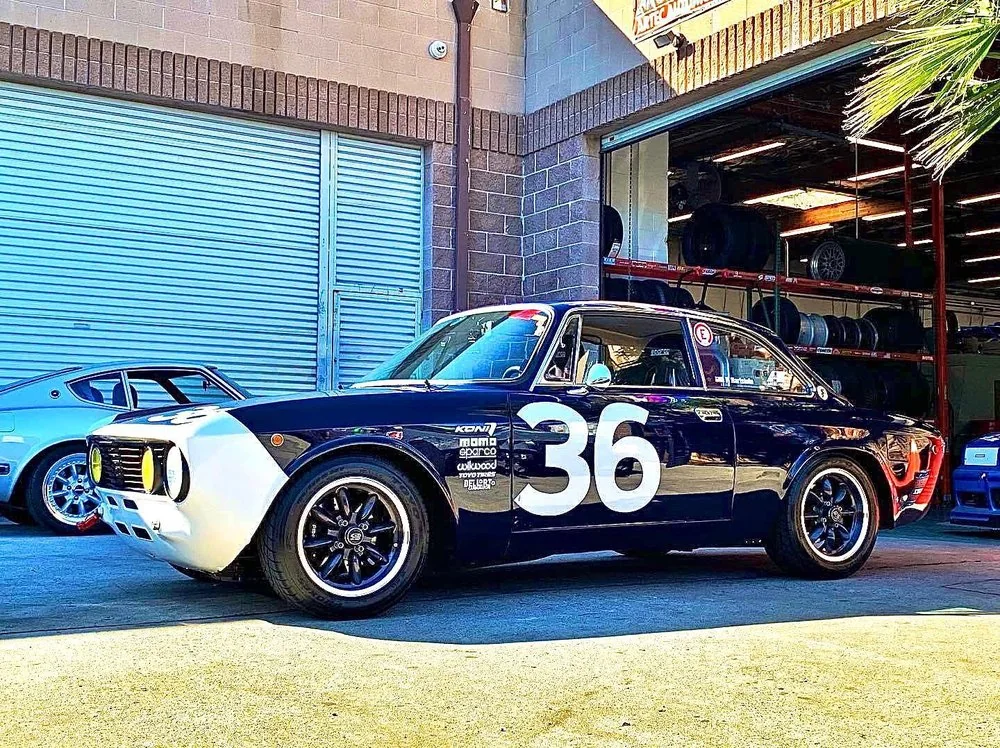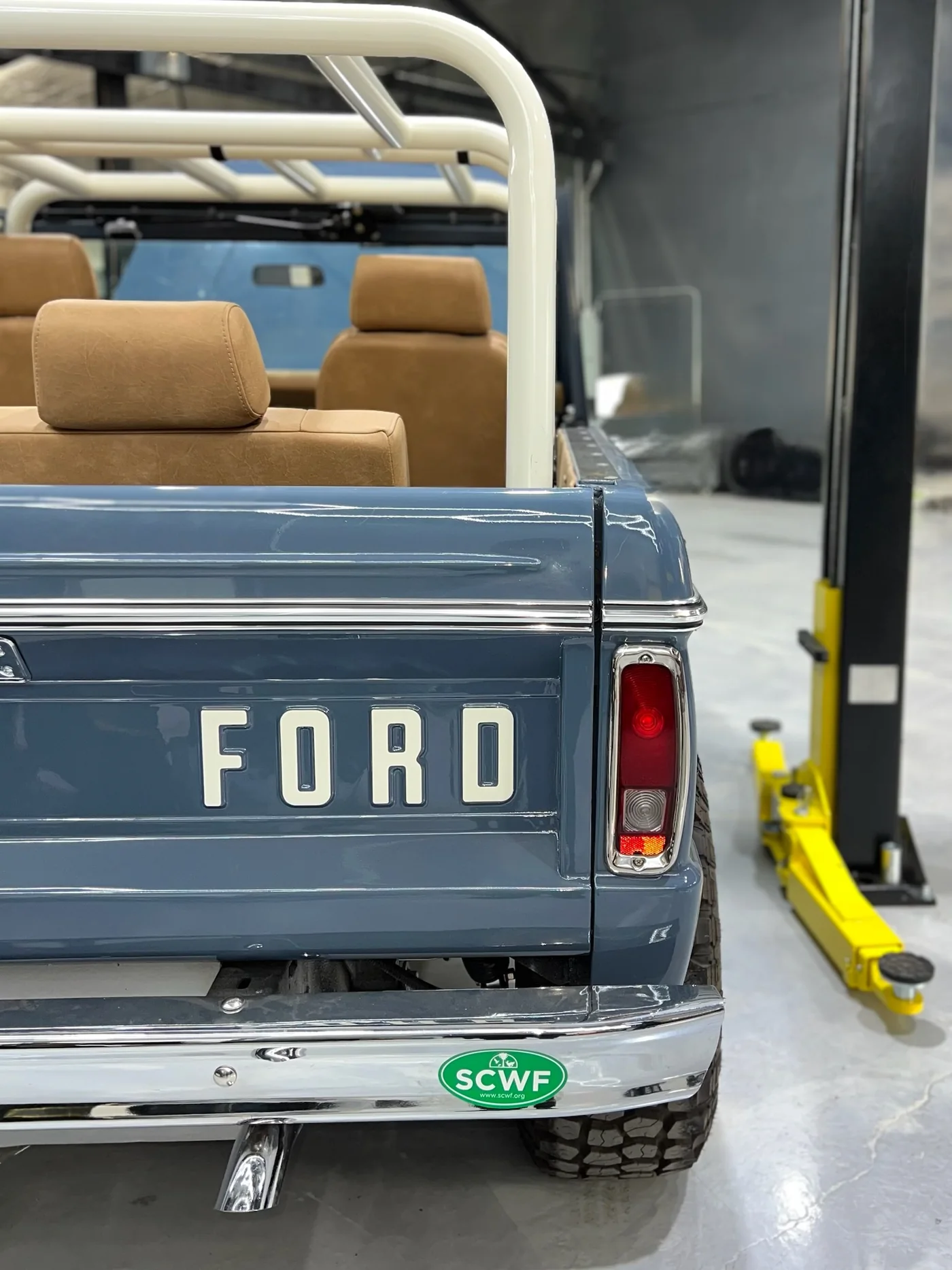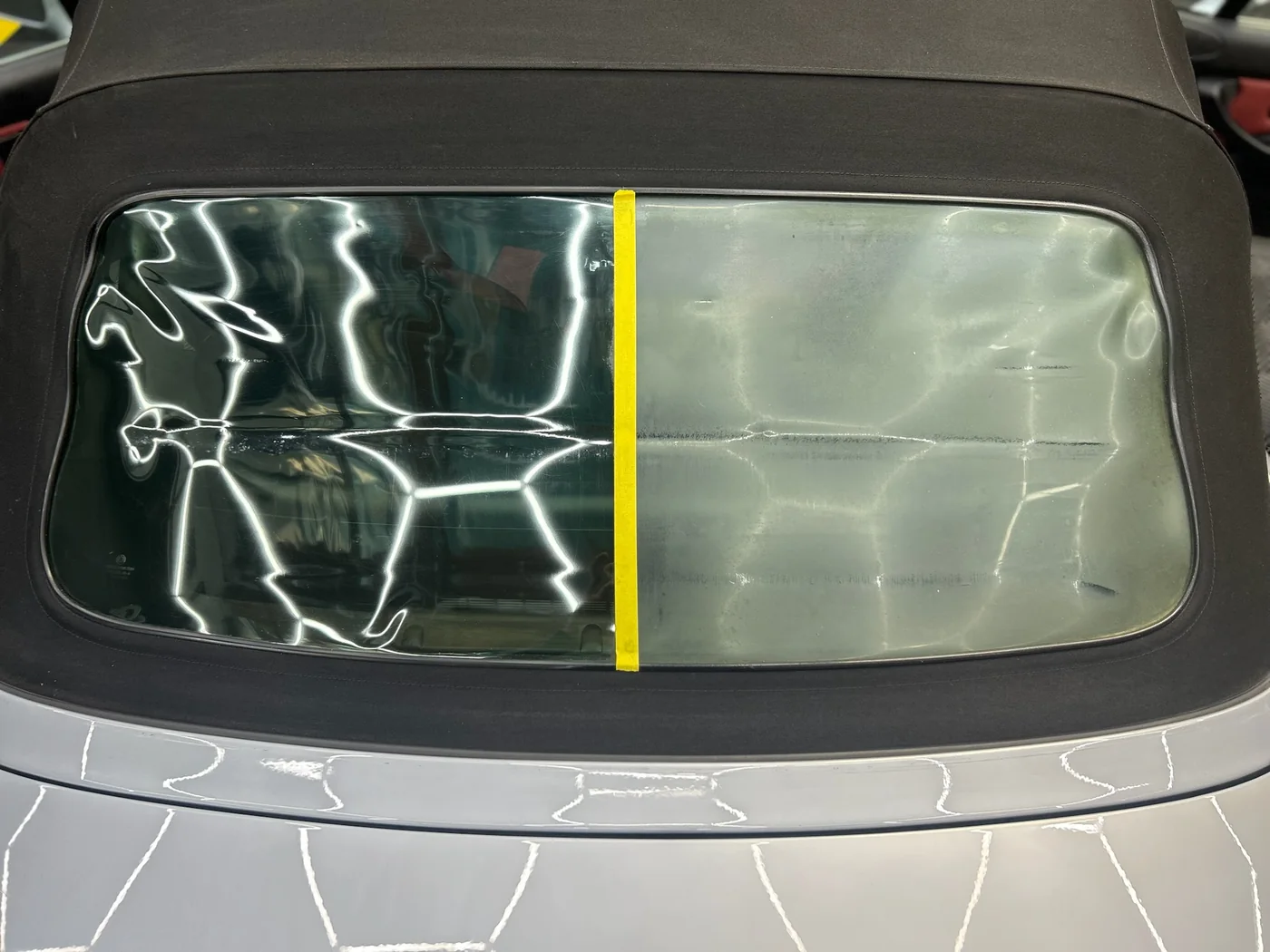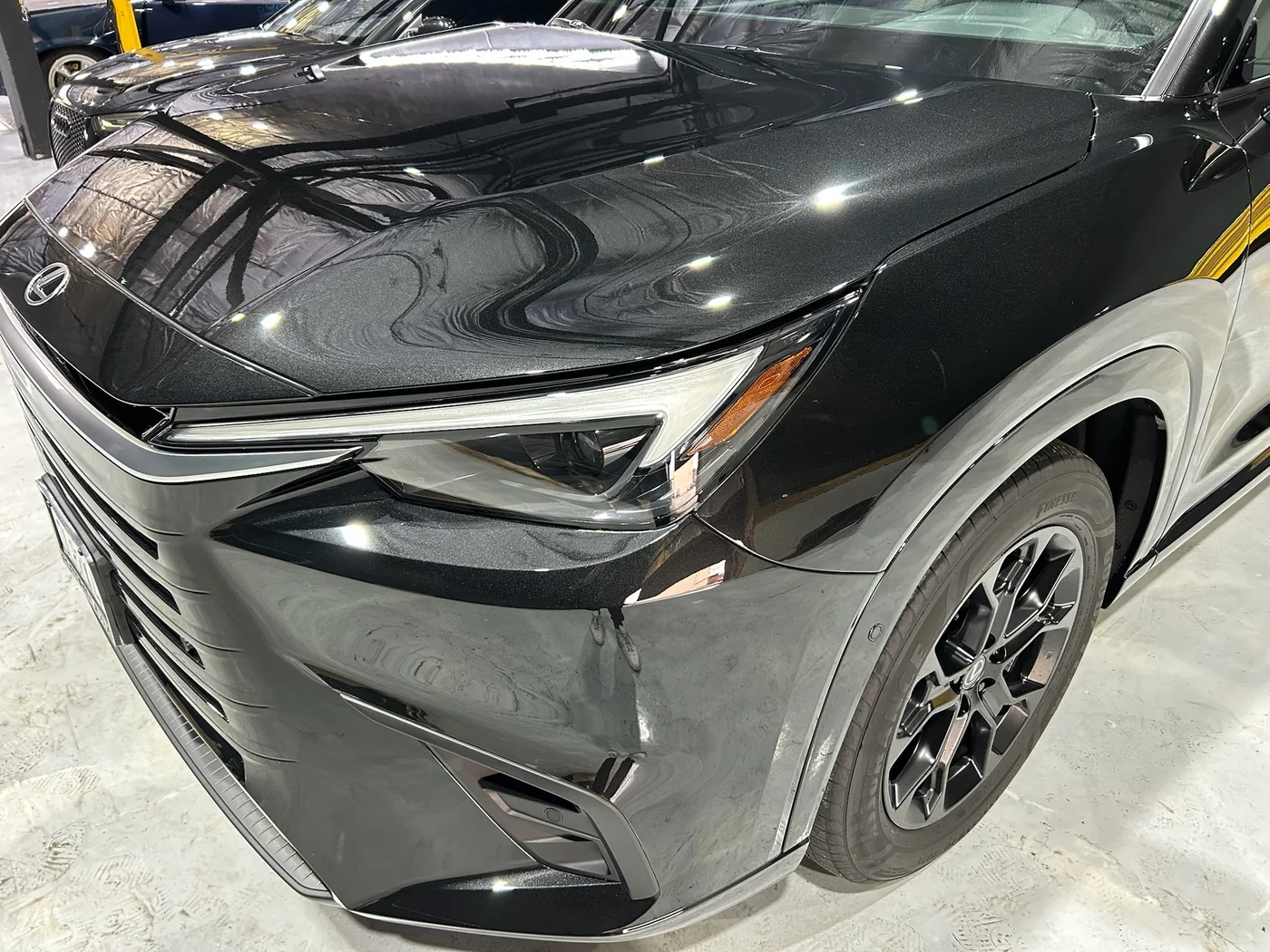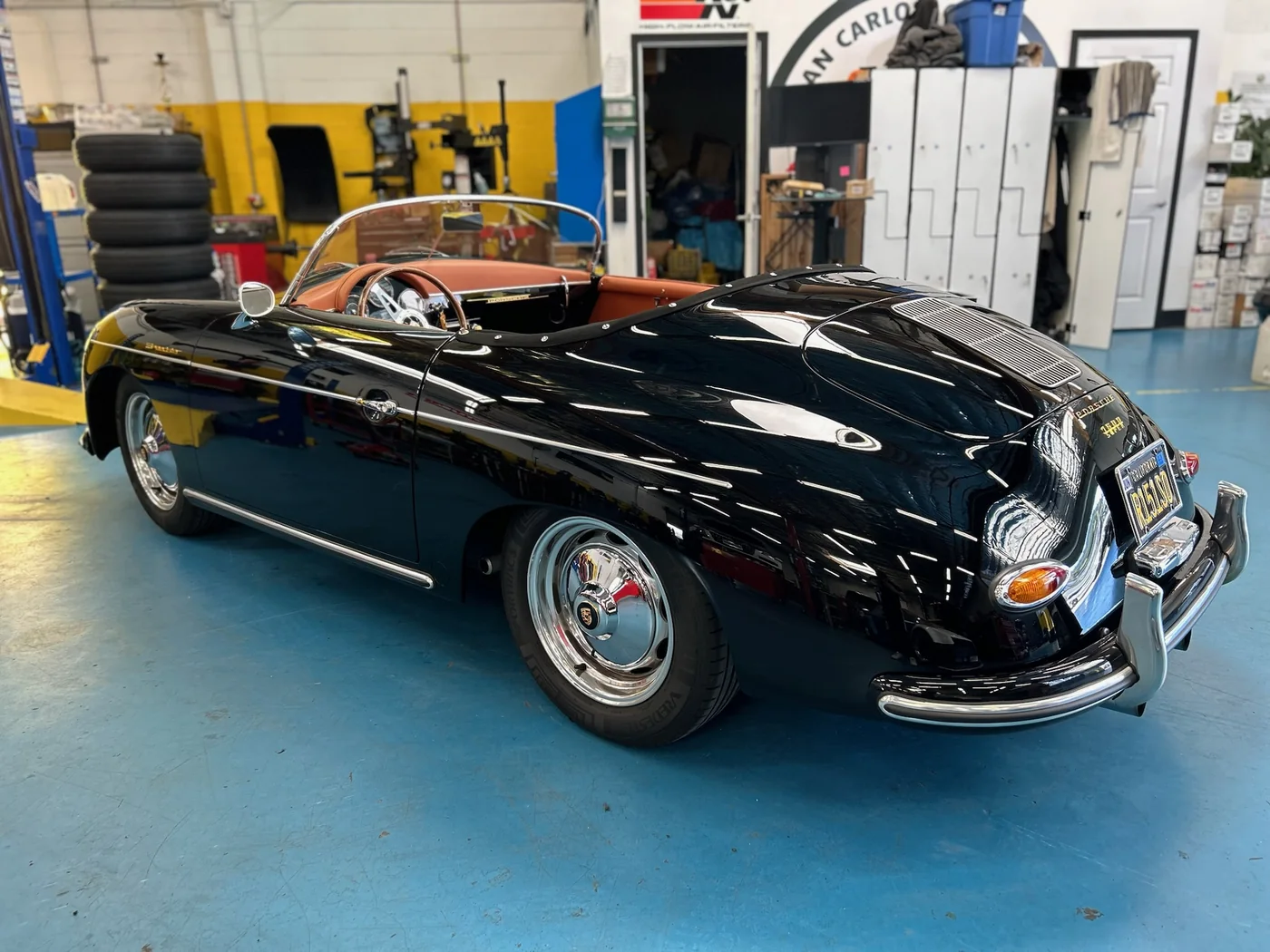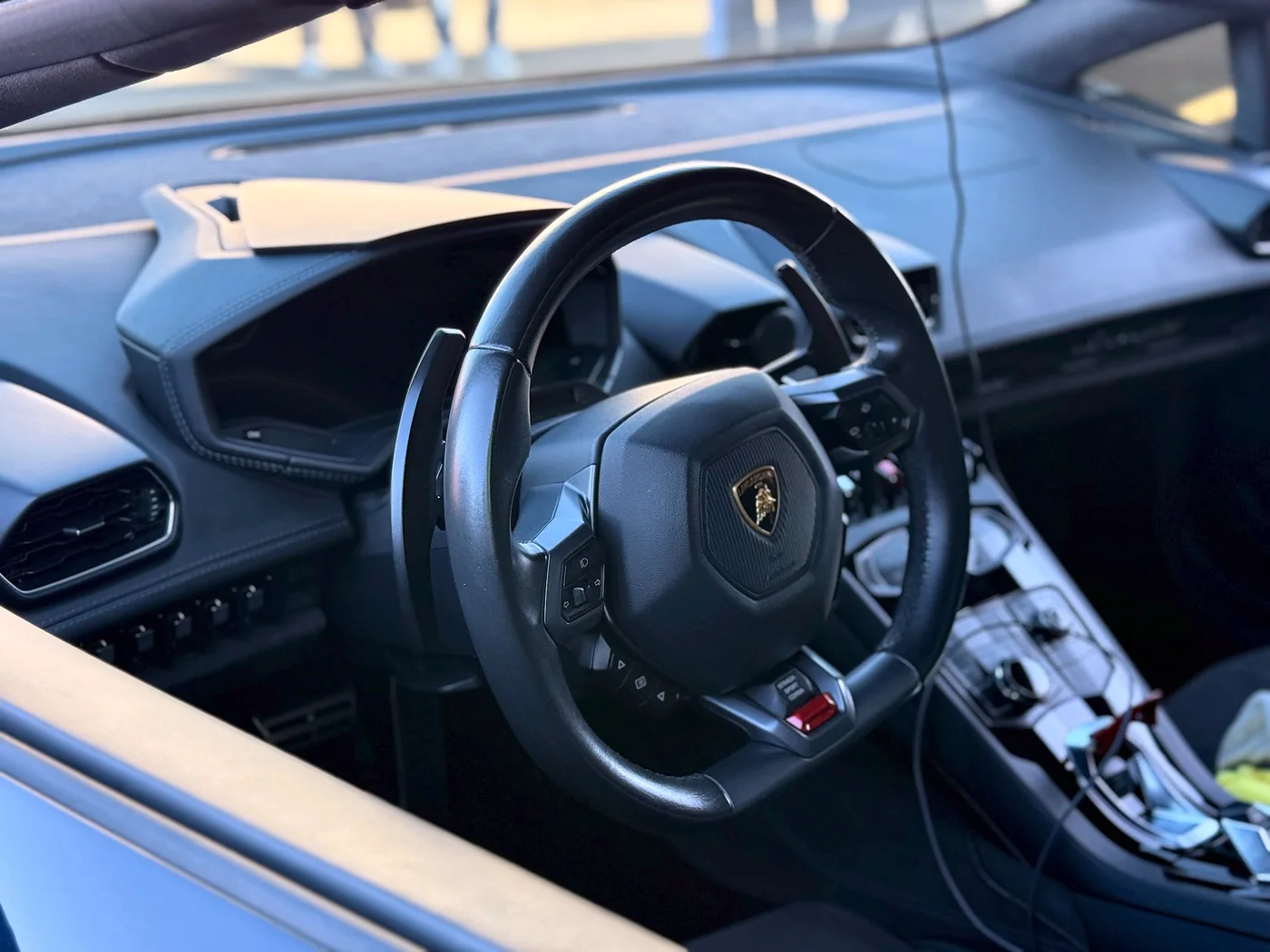

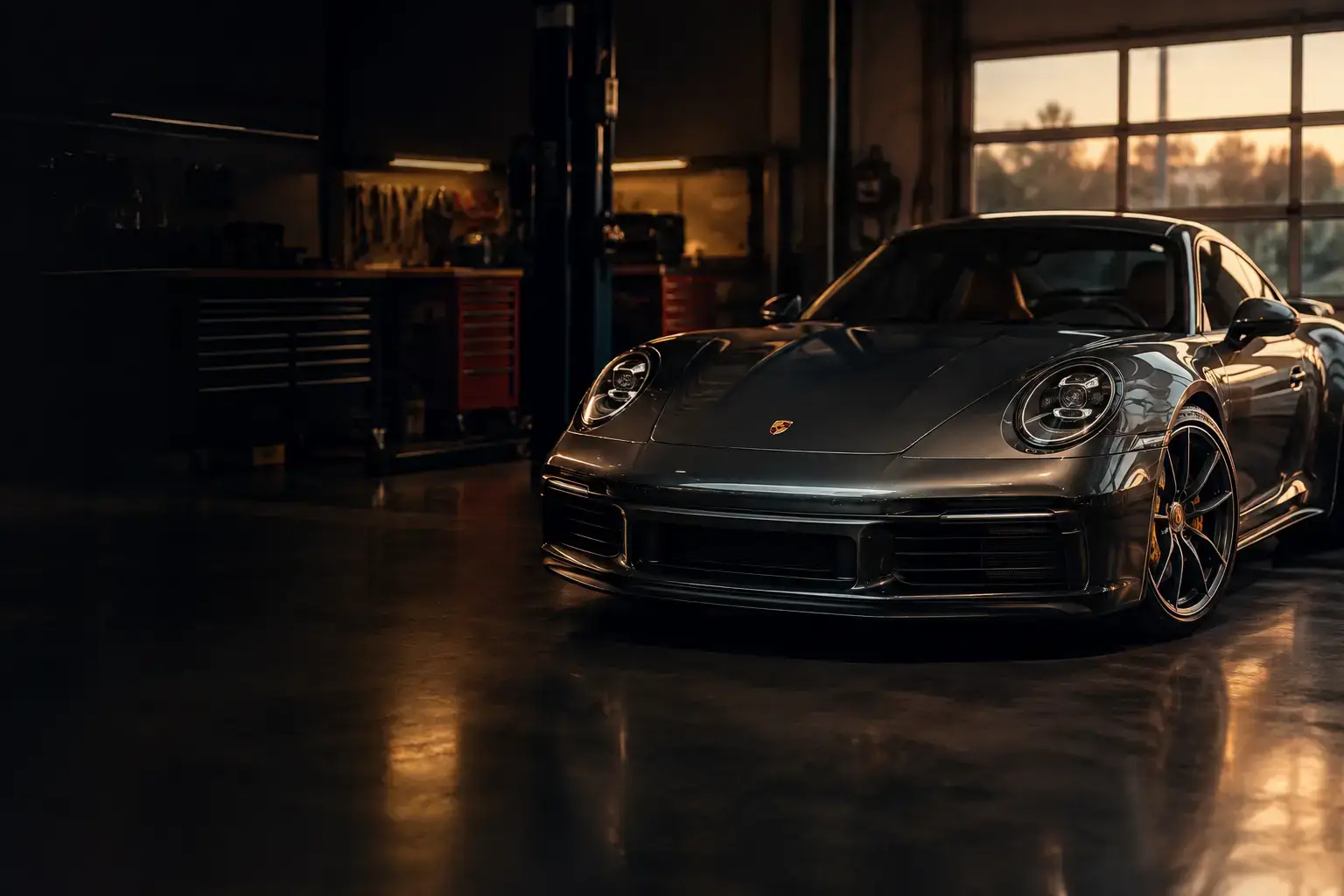
A premium vehicle can lose its edge long before the odometer suggests it should. A chipped front bumper, etched water spots on dark paint, brake dust baked into wheel finishes, or a neglected service warning can quietly diminish the ownership experience and the vehicle’s future value. This luxury vehicle care guide focuses on the details that protect both: the engineering you enjoy behind the wheel and the condition that distinguishes a well-kept vehicle years later.
Luxury care is not simply more frequent washing or a longer list of products. It is a vehicle-specific plan built around how the car is driven, where it is parked, the materials it wears, and the standard you expect every time the garage door opens.
Start With a Protection Strategy, Not a Product
The right protection package depends on exposure. A daily-driven Porsche, BMW, Mercedes-Benz, Audi, Range Rover, or Tesla on Bay Area highways faces a different set of risks than a weekend Ferrari or collector vehicle kept primarily indoors. Highway debris, construction dust, coastal moisture, UV exposure, bird droppings, tree sap, and tight urban parking all leave their mark in different ways.
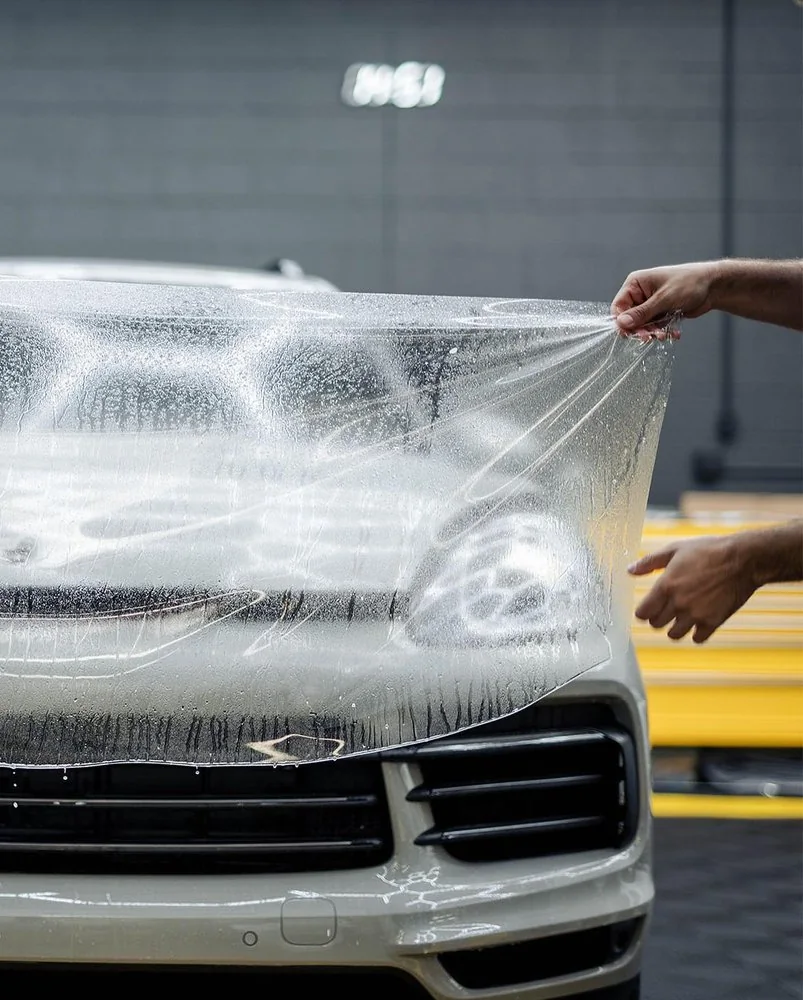
Paint protection film is often the first consideration for vehicles exposed to road debris. A quality film creates a sacrificial layer over vulnerable painted surfaces, particularly the front bumper, hood, fenders, mirror caps, rocker panels, and rear wheel arches. For owners who drive regularly through San Francisco, the Peninsula, or the South Bay, a full-front installation can be a sensible baseline. A full-body application makes more sense when preserving an exotic finish, matte paint, a rare factory color, or a highly customized build.
Ceramic and graphene coatings serve a different purpose. They enhance gloss, make routine washing easier, and improve resistance to contaminants and UV-related degradation. They do not replace paint protection film where rock-chip defense is the priority. The strongest results often come from combining both: film where impacts are likely, coating across the vehicle for easier maintenance and a more consistently refined finish.
Windshield protection deserves similar consideration. Modern luxury windshields can include cameras, radar-related components, acoustic layers, heads-up display compatibility, and complex calibration requirements. A small chip is not always a small issue. Protective film and prompt professional attention can reduce the odds of a costly replacement or interruption to advanced driver-assistance functions.
The Luxury Vehicle Care Guide for Paint and Exterior Trim
Wash technique matters more than wash frequency. Improper washing is one of the fastest ways to create fine scratching and dullness, especially on black, deep metallic, and soft clear-coat finishes. Automated brushes and low-cost tunnel washes may be convenient, but they can trap abrasive debris and leave visible marring over time.
Use a pH-balanced automotive shampoo, clean wash media, separate tools for wheels and paint, and a controlled drying method. If the vehicle has paint protection film, matte paint, satin vinyl, ceramic coating, or exposed carbon fiber, confirm that every cleaner and dressing is appropriate for that material. A product that performs well on standard gloss paint may leave uneven appearance or residue on a specialty surface.
Do not allow contaminants to sit. Bird droppings, bug residue, tree sap, and hard-water minerals can etch clear coat if left in direct sun. Keep a clean microfiber towel and a compatible quick-detail product in the vehicle for spot cleaning when practical. The goal is not obsessive intervention after every drive. It is preventing a minor contaminant from becoming a correction-level problem.
Wheels deserve disciplined care as well. Performance brake systems generate substantial heat and dust, and some wheel finishes are more sensitive than others. Clean wheels when they are cool, use a non-acidic wheel cleaner suited to the finish, and avoid aggressively scrubbing delicate painted, polished, or diamond-cut surfaces. Regular attention also makes it easier to spot tire damage, leaking suspension components, or uneven brake-pad wear early.
Do Not Neglect Seals, Trim, and Drainage
Luxury vehicles are finished with more than paint. Rubber seals, piano-black trim, anodized metal, carbon fiber, convertible-top materials, exterior plastics, and sensor housings all age differently. Treat them with compatible products rather than a single all-purpose dressing.
Keep door jambs, cowl areas, sunroof channels, and drain paths clear of debris. Blocked drainage can lead to water intrusion, odor, electrical concerns, or damage that is far more expensive than routine cleaning. This is especially relevant for vehicles stored outdoors beneath trees or driven through seasonal rain.
Preserve the Cabin Without Overconditioning It
The cabin of a luxury vehicle is where wear becomes personal. Bolster creasing, glossy steering-wheel leather, faded trim, stained headliners, and brittle touchpoints immediately affect how the vehicle feels, even when the exterior still presents well.
Vacuum regularly and remove grit from seams, seat tracks, and carpets before it works deeper into the fibers. For leather, use a cleaner and conditioner designed for automotive hides, but do not overapply conditioner. Excess product can leave seats slick, attract dust, or alter the factory matte appearance. Alcantara and suede require a different approach entirely: gentle brushing and material-specific cleaning, not leather conditioner or harsh interior chemicals.
Window tint supports more than appearance. Quality film can reduce glare, heat load, and UV exposure, helping protect interior materials while making the cabin more comfortable. The ideal shade and film technology depend on the vehicle, local regulations, nighttime visibility preferences, and whether the owner values a subtle factory-plus look or a more dramatic finish.
Avoid hanging air fresheners, silicone-heavy dressings, and unverified cleaners around screens, coated displays, and piano-black surfaces. Modern interiors contain delicate coatings and electronics that deserve more care than a quick wipe with whatever is under the sink.
Respect the Mechanical Side of Ownership
A vehicle can look flawless and still be overdue for the service that protects its performance. European and exotic vehicles often have precise requirements for fluid specifications, brake servicing, battery management, diagnostic procedures, cooling systems, and software-related calibrations. Treating specialty maintenance like generic transportation service introduces unnecessary risk.
Follow the manufacturer’s intervals, but also account for driving style and time. Low annual mileage does not automatically mean low maintenance needs. Brake fluid absorbs moisture, batteries discharge, tires age, seals dry, and fuel can deteriorate while a car sits. A lightly driven collector car may need more deliberate stewardship than a regularly used daily driver.
Pay attention to the early signals: a change in brake feel, an intermittent warning light, a new vibration, uneven tire wear, fluid spots, or a rough cold start. Waiting for a minor concern to become undeniable often turns a contained repair into a larger project. Specialty diagnostics and experienced technicians are especially valuable when the vehicle combines complex European systems, aftermarket performance components, or custom fabrication.
Drive It With Intention
Performance cars benefit from being driven properly, not merely started in the garage. Let fluids reach operating temperature before demanding full power, use high-quality fuel appropriate for the engine, and avoid repeated short trips that never allow the vehicle to warm fully. After an enthusiastic drive, give turbocharged or high-performance systems a measured cool-down period rather than immediately shutting down after heavy load.
The trade-off is straightforward: a car preserved only as a static object may avoid miles, but it can develop its own set of mechanical issues. The best ownership plan balances sensible use with disciplined maintenance.
Store for Condition, Not Just Convenience
Where a vehicle rests between drives directly affects its condition. Outdoor parking accelerates exposure to UV radiation, moisture, falling debris, dust, and temperature swings. A generic storage facility may provide a roof, but not necessarily the battery support, clean environment, security, inspection routine, or discretion expected for a valuable vehicle.
For seasonal, collector, and exotic vehicles, climate-controlled storage with professional oversight is worth considering. Before storage, the vehicle should be cleaned, tires set to appropriate pressure, battery maintained, fuel considered according to the storage duration, and any existing concerns documented. A quality car cover can help in the right environment, but a cover over dust or a damp surface can create more harm than protection.
Artec Automotive approaches long-term care as a connected program, pairing protection, detailing, specialty service, customization, and secure storage when the vehicle and owner call for it. That continuity matters because the team maintaining the car understands its finish, its modifications, and its history.
Build a Schedule You Will Actually Keep
The most effective care plan is one that fits your ownership pattern. A daily driver may need regular safe washes, seasonal decontamination, annual inspections of film and coating, and timely mechanical service. A weekend performance vehicle may need more frequent condition checks despite fewer miles. A collector vehicle may need scheduled exercise, battery monitoring, and pre-drive inspections.
Keep a simple record of services, protection installations, tire dates, alignment results, battery replacements, and cosmetic correction work. Documentation supports resale, helps technicians identify patterns, and gives you a clearer picture of what the vehicle needs next.
The standard is not perfection for its own sake. It is confidence: confidence that the paint still reflects cleanly, the cabin still feels intentional, the mechanical systems are ready when called upon, and every mile in a vehicle you chose carefully remains worthy of the experience.