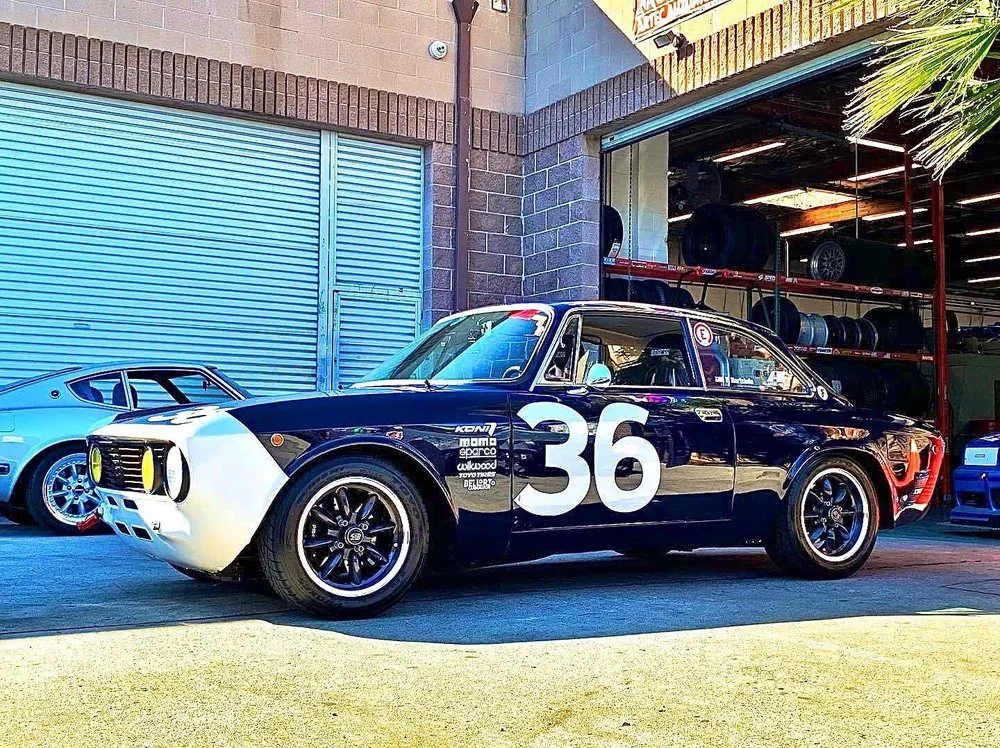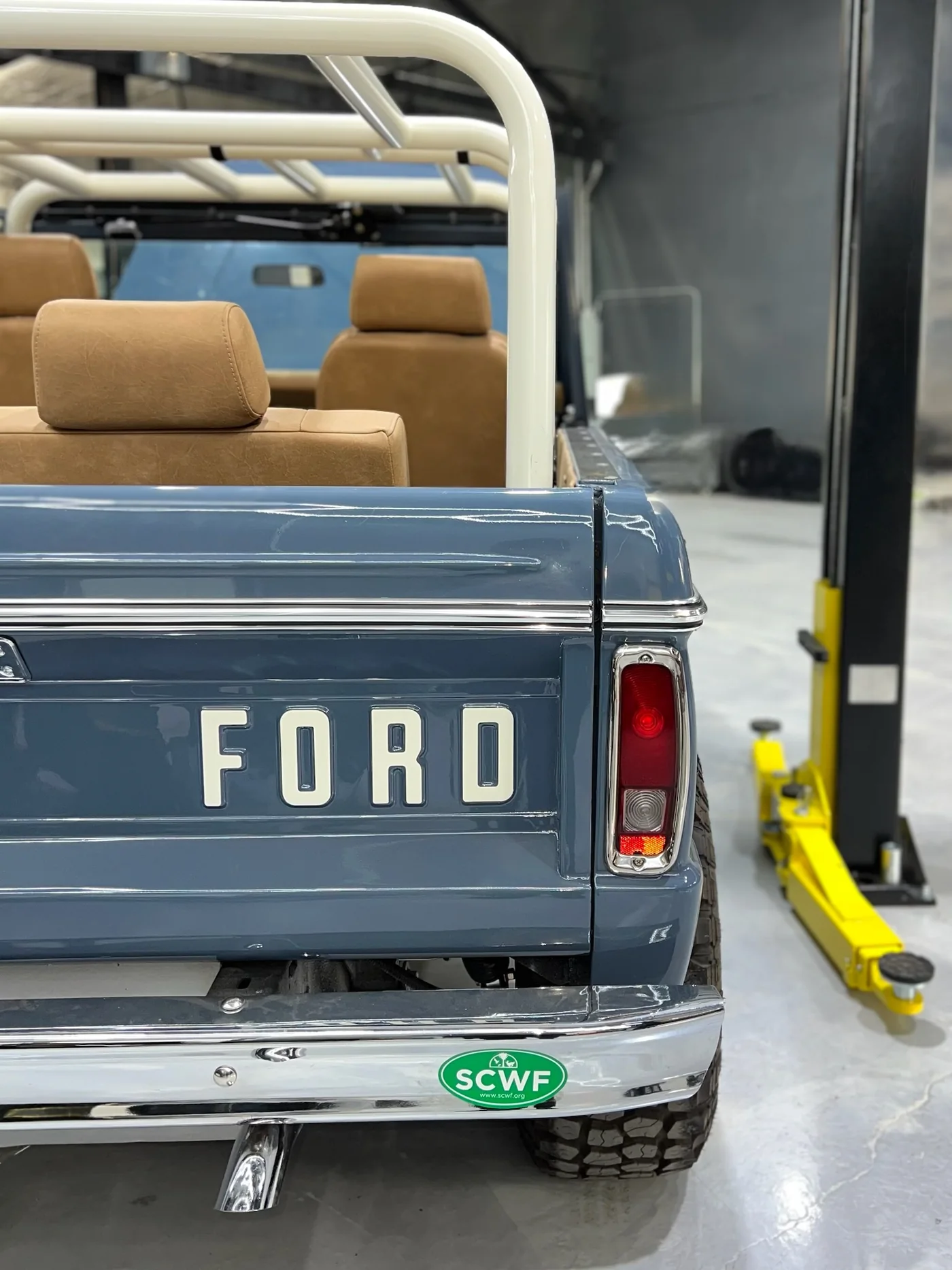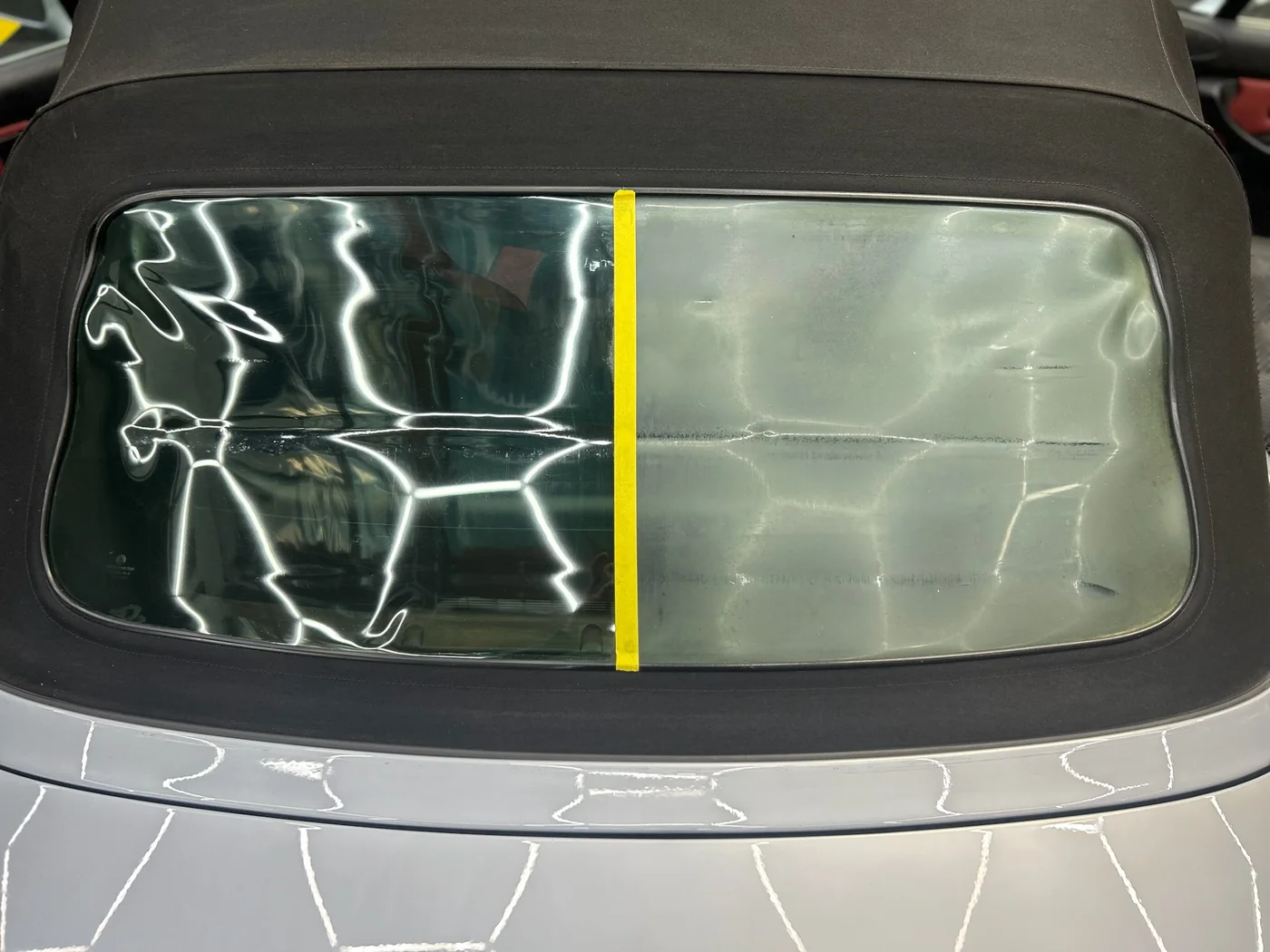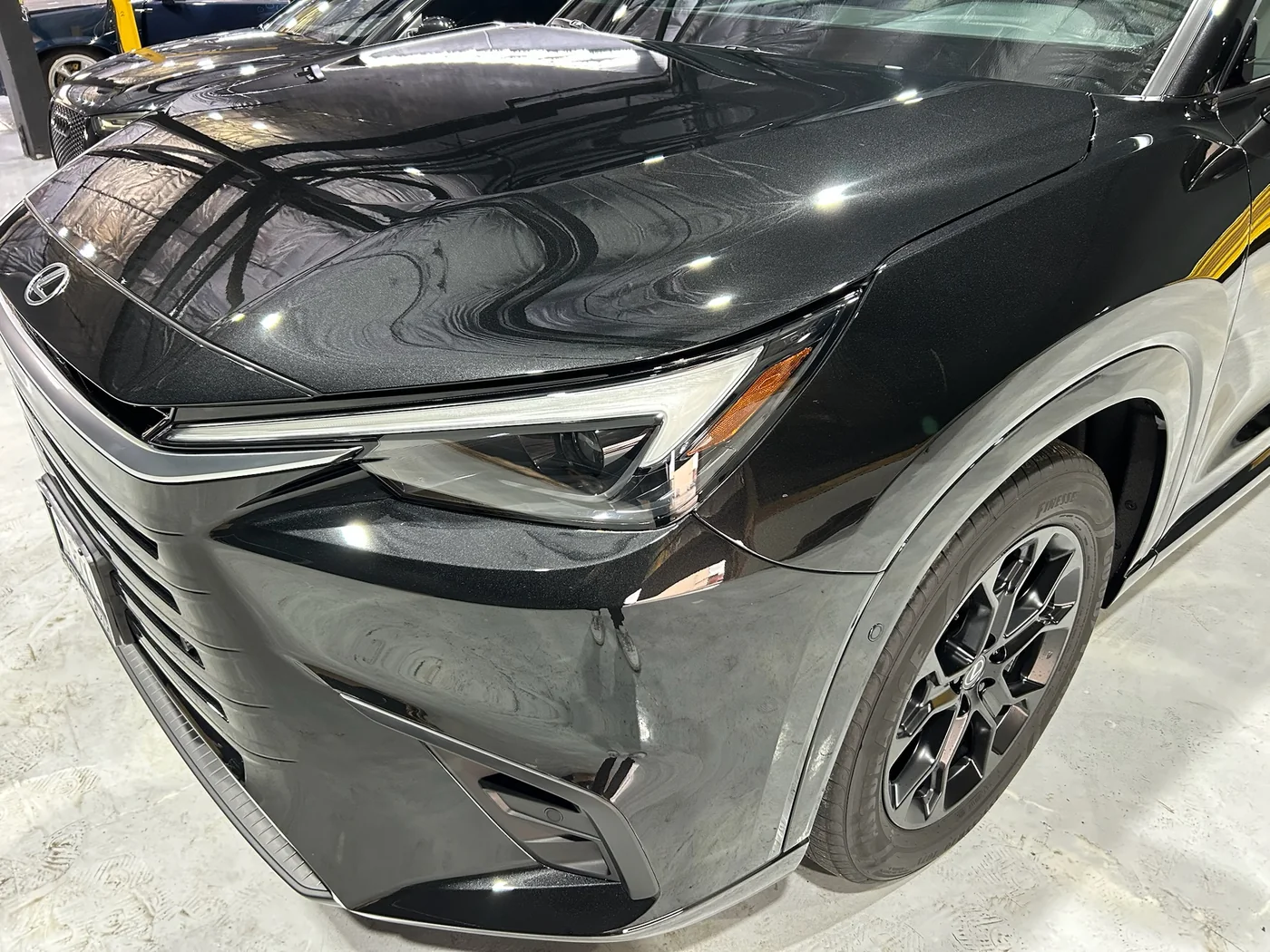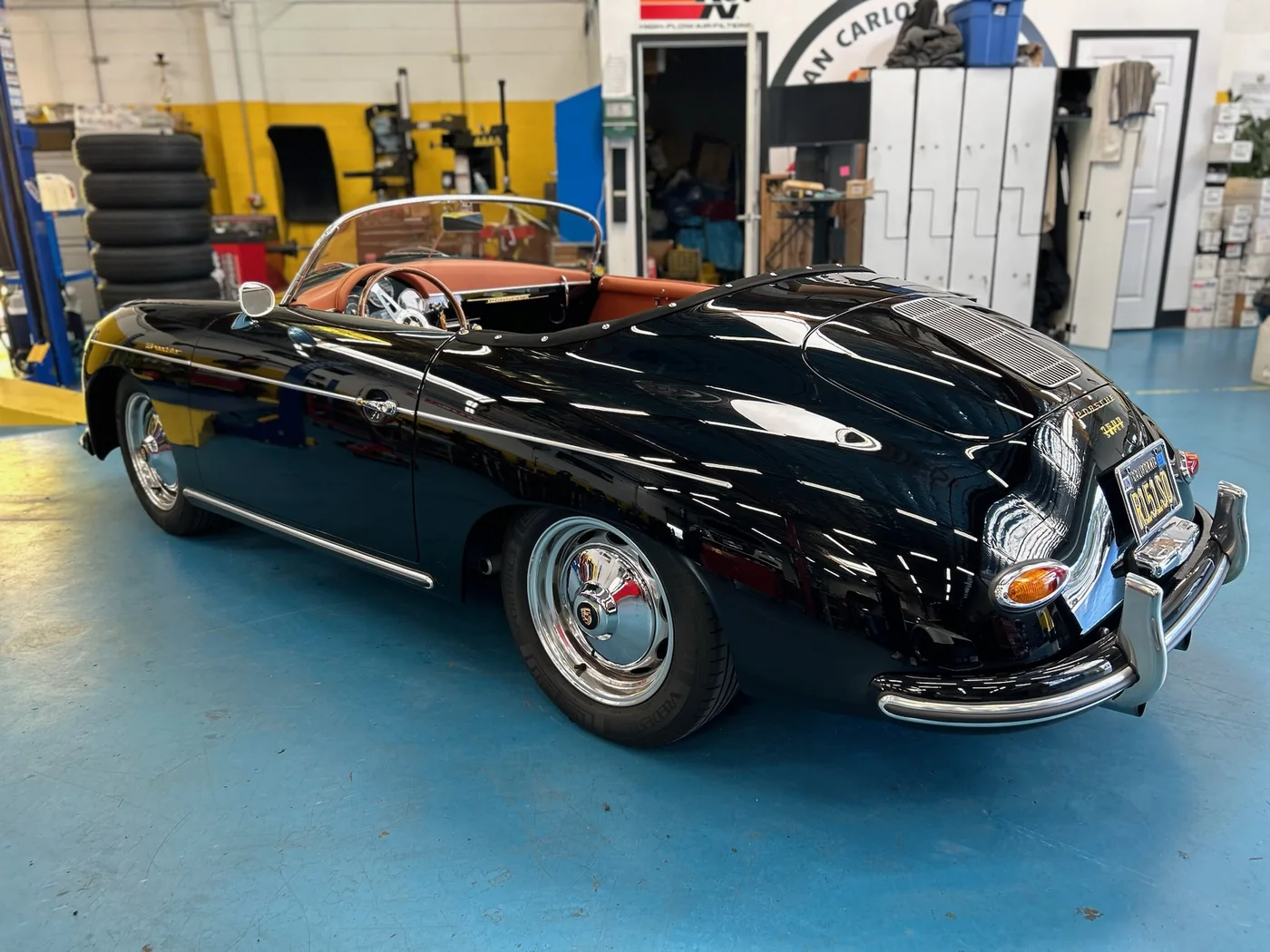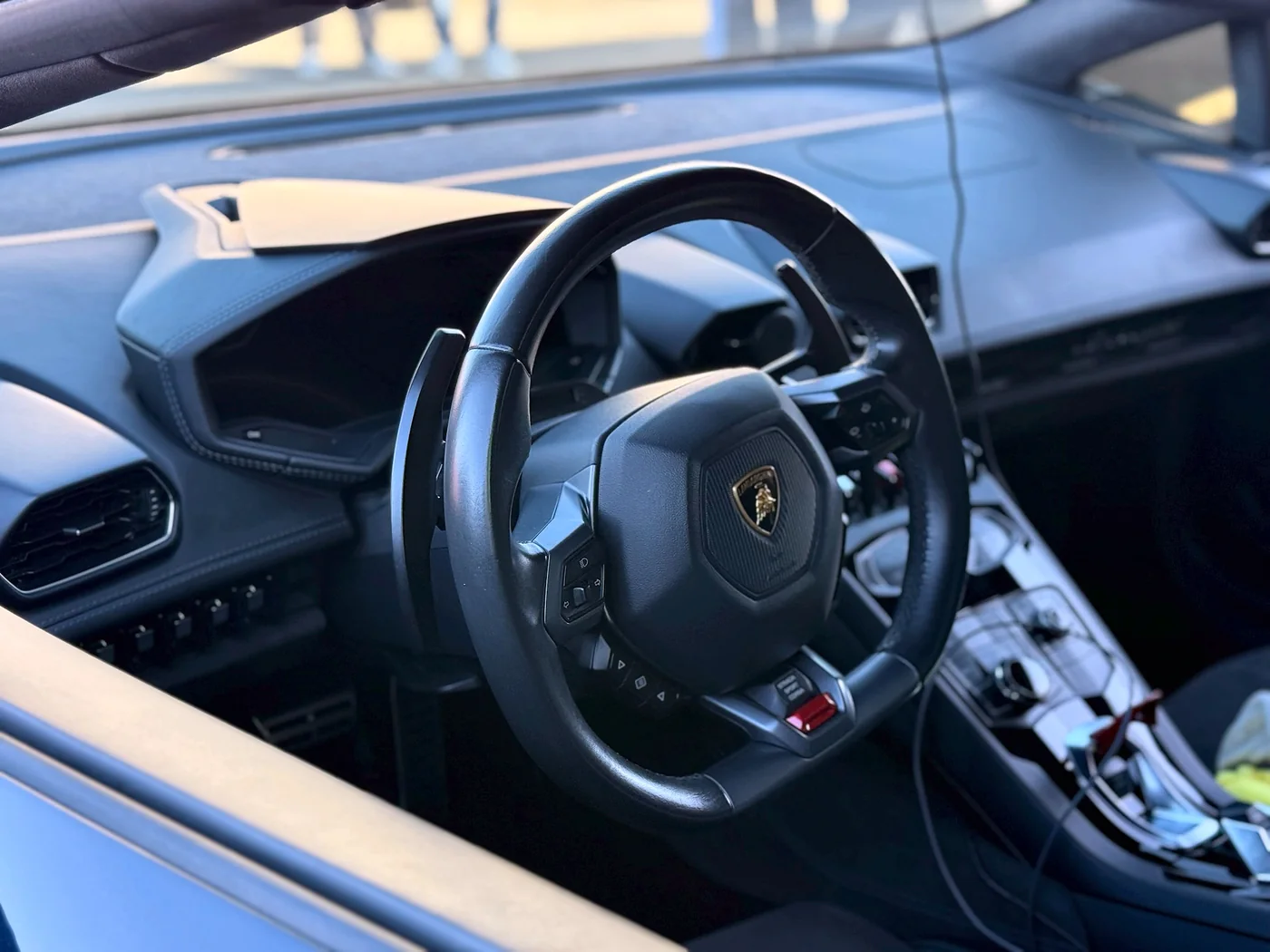


A new luxury vehicle can lose its factory-fresh finish long before it feels old. On Bay Area roads, the threats are rarely dramatic: sand and aggregate thrown from a freeway truck, a tight parking space in San Francisco, relentless UV exposure, mineral-heavy water spots, or a windshield chip that becomes a crack at the worst possible time. The right luxury car protection options preserve more than appearance. They protect the materials, engineering, and resale potential that make a premium vehicle worth owning.
The key is not buying every available treatment. It is choosing a layered plan that matches how you drive, where the vehicle lives, its paint and interior materials, and the level of condition you expect years from now. A weekend-driven Porsche, a daily-driven Mercedes-Benz SUV, and a collector Ferrari stored between events face very different risks.
Start With the Risks Your Vehicle Actually Faces
Protection works best when it is specified before it is installed. A vehicle that spends its life commuting from the Peninsula to San Francisco needs meaningful defense against road debris, door impacts, brake dust, traffic grime, and frequent washing. A car that sees coastal drives or sits outdoors also needs help managing UV exposure, salt air, and contaminants that bond to paint and glass.
The paint color and finish matter as well. Dark colors reveal swirls and water spotting quickly, while matte or satin finishes require products and wash techniques that will not create uneven gloss. Carbon fiber, piano-black trim, polished wheels, soft leather, Alcantara, and high-gloss interior screens each demand their own approach. An experienced protection specialist should inspect these surfaces rather than apply a one-size-fits-all package.
It also helps to think in time horizons. Are you keeping the car for three years, building a long-term collection, or preparing it for high-mileage use? The answer changes where it makes sense to invest. Full-body paint protection film may be the right decision for one owner, while strategic coverage and a premium coating provide better value for another.
Paint Protection Film: The First Line of Defense
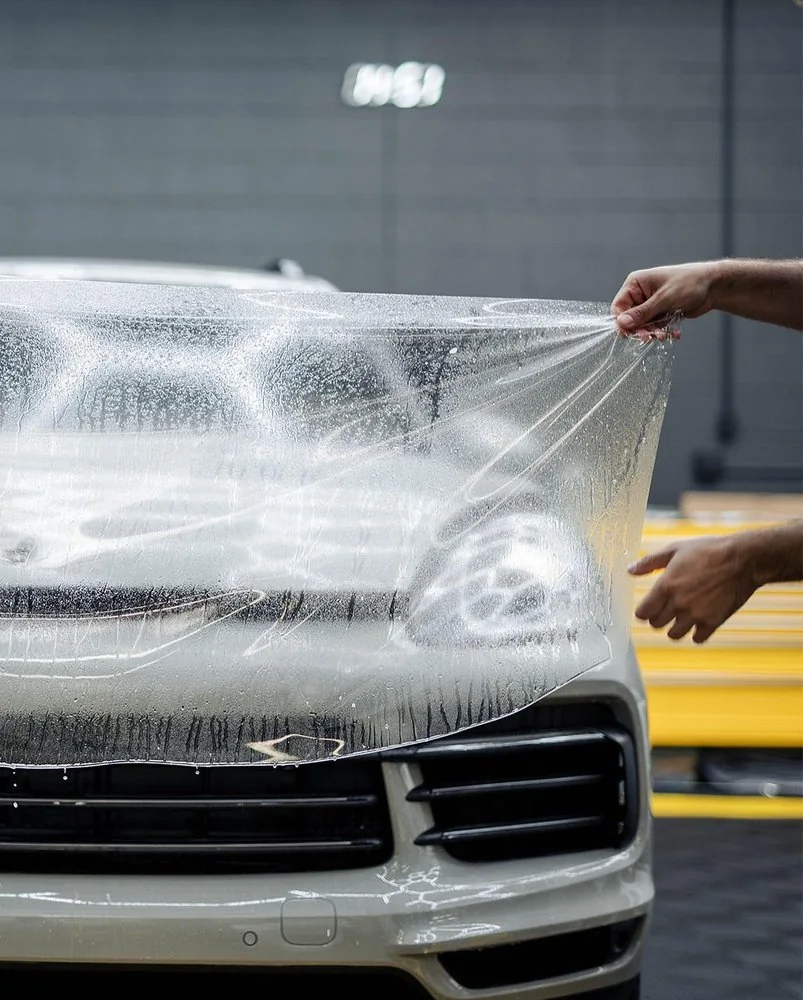
Paint protection film, often called PPF or clear bra, is the most direct answer to physical paint damage. This transparent urethane film absorbs impacts that would otherwise leave chips, scuffs, and abrasion in the clear coat. Premium self-healing films can reduce the appearance of light surface marks with heat, helping high-impact areas retain a cleaner finish between details.
For many performance and luxury vehicles, the front end is the natural priority. The bumper, hood, front fenders, mirrors, headlights, rocker panels, and lower doors are exposed to the debris stream created at highway speeds. Full-front coverage provides a strong balance of defense and investment for a vehicle driven regularly on Interstate 280, Highway 101, or winding Northern California roads.
Full-body PPF offers a different level of confidence. It is especially compelling for exotic cars with complex bodywork, limited-production vehicles, freshly delivered high-value vehicles, and dark paint that shows every imperfection. It also makes sense for owners who want to enjoy their car without treating every parking lot or canyon drive as a calculated risk.
There are trade-offs. Quality film installation requires extensive preparation, precise pattern work, thoughtful edge handling, and controlled installation conditions. A poorly prepared panel can seal in defects, while careless trimming can create avoidable risk. Film is also not invincible. It will not prevent every dent, deep gouge, or collision-related repair. Its purpose is to make routine road wear a replaceable surface event instead of permanent paint damage.
Ceramic and Graphene Coatings for Gloss and Easier Care
Ceramic and graphene coatings serve a different purpose than PPF. They create a chemically resistant, hydrophobic layer that enhances gloss, makes cleaning easier, and helps reduce the adhesion of dirt, bug residue, and environmental fallout. On unprotected paint, a professionally prepared coating can deliver a dramatic improvement in depth and reflectivity. Over PPF, it can simplify maintenance and help the film stay looking its best.
Neither coating should be presented as armor. A coating does not stop rock chips, shopping-cart contact, or scratches from a careless wash. Its value is in surface behavior: water beads and releases more easily, contamination is less likely to cling, and correct wash procedures become more efficient. That matters for owners who expect a consistently sharp finish without excessive polishing.
Graphene coatings are often chosen for their advanced chemical properties and rich visual character, but product selection should follow the vehicle and maintenance plan rather than marketing language. The best coating is one installed over properly corrected paint and supported by appropriate wash habits. Applying a premium coating over swirls, etched water spots, or dealership-installed defects simply preserves those defects beneath a glossy layer.
Window Tint and Windshield Protection Have Daily Benefits
Luxury car protection is not limited to paint. High-quality window tint improves cabin comfort, reduces glare, limits UV exposure, and gives the vehicle a more composed appearance. For vehicles with expansive glass roofs and large side windows, heat rejection can make a noticeable difference in how quickly the cabin becomes uncomfortable during a Bay Area afternoon.
The right film should complement the vehicle rather than make it look overdone. Tint selection involves shade, heat rejection, optical clarity, local legal requirements, and the needs of the driver. A tailored installation considers all of them. It should also protect sensitive interiors. Leather, stitching, wood, carbon fiber, and display surfaces benefit when UV and heat exposure are reduced over time.
Windshield protection film deserves special consideration for cars with costly, difficult-to-source glass or advanced driver-assistance calibration requirements. It adds a sacrificial barrier against pitting and minor road debris damage while preserving visibility when properly installed. It is not a substitute for safe following distance, and it will eventually need replacement, but it can be a smart measure for vehicles regularly exposed to freeway mileage.
Protection Must Include the Surfaces You Touch
A well-kept cabin reinforces the same sense of quality as flawless paint. Leather conditioning, careful cleaning of Alcantara, protection for high-touch trim, and gentle treatment of infotainment screens help prevent the wear that quietly lowers a vehicle’s perceived value. This is especially relevant in premium daily drivers, where entry bolsters, steering wheels, console surfaces, and door panels see constant use.
Wheels and brake components also deserve attention. Ceramic coating on wheels can make brake-dust removal less demanding, while regular professional detailing prevents contamination from becoming baked-on staining. For performance vehicles, this is not merely cosmetic. Clear visibility of wheel condition, tires, and brake hardware supports better ownership habits.
Detailing is the maintenance discipline that keeps every other investment performing. Even the best film and coatings can be diminished by automatic brushes, aggressive chemicals, dirty towels, and rushed wash methods. A maintenance schedule built around pH-appropriate products, safe contact washing, decontamination when needed, and periodic inspections will extend the life and appearance of protected surfaces.
Building the Right Luxury Car Protection Package
The strongest protection plans are layered, not excessive. A daily-driven BMW, Audi, or Porsche might benefit most from full-front PPF, a coating on the protected exterior, performance window tint, and recurring professional maintenance. A low-mileage collector car may warrant full-body PPF, glass protection, interior preservation, secure storage, and a careful pre-drive inspection routine.
For an owner who has already accumulated paint defects, the sequence matters. Correction comes before coating or film. Glass should be evaluated before protection if chips, haze, or wiper damage are present. Mechanical needs should not be ignored in favor of cosmetics either. Reliable specialty service, proper tires, healthy brakes, and correctly functioning cooling systems protect the driving experience and the vehicle’s long-term value just as much as a flawless hood.
At Artec Automotive, protection recommendations are built around the vehicle, its use, and the owner’s standards rather than a generic menu. That integrated perspective matters when a car may need paint preservation, tint, windshield care, detailing, specialized repair, custom work, or secure storage over the course of ownership.
The most satisfying protection plan is the one that lets you use the vehicle as intended. Protect the surfaces most exposed to damage, maintain them with the same precision used to install them, and let every drive feel like an occasion rather than a risk assessment.