
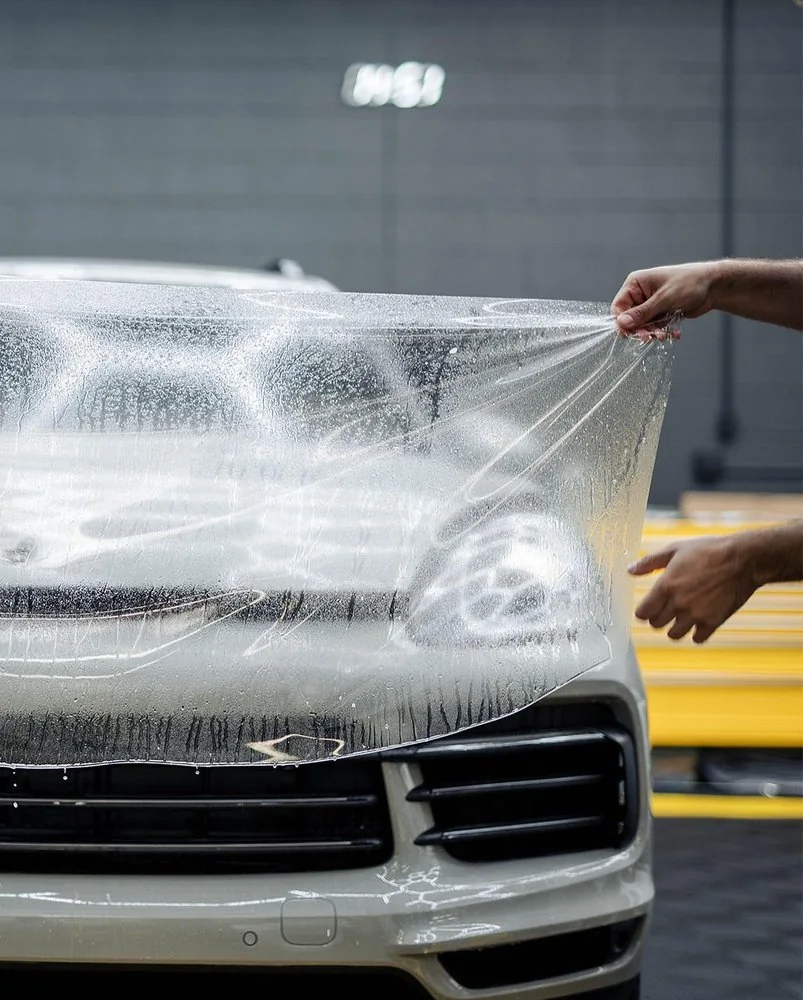

A matte paint protection film finish is intentionally different. Its low-gloss surface gives the vehicle a crisp, technical presence, but it also exposes poor wash habits quickly. Knowing how to wash matte PPF is not about using more aggressive products. It is about removing contamination without polishing, filling, or altering the film’s carefully engineered satin appearance.
For a vehicle protected with matte PPF, the goal is clean, even, and consistent. A shiny patch, streaky residue, or scuffed area can interrupt the entire look of the car. With the right products, water technique, and drying process, routine washing protects both the visual finish and the long-term value of the installation.
Start With the Right Wash Conditions
Wash matte PPF out of direct sunlight whenever possible. A cool surface gives you more working time and reduces the chance of water spots, soap residue, and uneven drying. This matters in the Bay Area, where mineral-heavy water can leave visible deposits on darker matte colors and satin films.
Avoid washing immediately after PPF installation. The film needs time to settle, the edges need time to bond, and any remaining installation moisture needs time to evaporate. Your installer’s recommendation always takes priority, but many installations should not be washed for several days. Do not pressure wash seams or edges during this initial curing period.
Before beginning, make sure the vehicle is cool to the touch. Washing a warm hood, roof, or quarter panel can cause shampoo and minerals to dry before they can be rinsed away.
Use Products Made for Matte Surfaces
The safest wash shampoo for matte PPF is pH-neutral, lubricating, and free of waxes, gloss enhancers, silicones, and fillers. A conventional shampoo may leave behind ingredients designed to make gloss paint look wetter and shinier. On matte film, those same ingredients can create blotchy areas or a sheen that does not match the rest of the panel.
Read the label rather than relying on terms such as “premium” or “ceramic.” Some coating maintenance products are safe for satin and matte finishes, while others are formulated specifically to amplify gloss. If the product does not clearly state that it is suitable for matte paint or matte PPF, choose another option.
You will also want clean microfiber wash mitts, plush microfiber drying towels, two wash buckets with grit guards, and access to low-pressure or filtered water if available. A dedicated electric blower is a worthwhile addition for high-end vehicles because it removes water from mirrors, badges, panel gaps, and film edges without rubbing the surface.
How to Wash Matte PPF Step by Step
Rinse Before You Touch the Film
Begin with a thorough rinse to remove loose dust, road grit, pollen, and brake debris. This first rinse is one of the most important stages of the wash. Matte PPF is durable, but dragging abrasive particles across any film can create fine marks that become more visible under angled light.
Use a gentle stream or a pressure washer at a safe distance. Keep the nozzle moving, stay well back from seams and exposed edges, and never aim directly into an edge. High-pressure water can compromise an edge that is already lifting or damaged.
Pre-Treat Bugs and Bird Droppings Carefully
Bug residue, bird droppings, tree sap, and fuel splatter should not be left on the film longer than necessary. Heat and UV exposure can make these contaminants harder to remove, and bird droppings are especially acidic.
Use a matte-safe bug remover or a mild pre-wash product, then allow it to dwell briefly according to its instructions. Do not scrub a dry contaminant with a towel or fingernail. Saturate the area, let the product soften the residue, and rinse it away. For stubborn contamination, repeat the gentle process rather than escalating to an abrasive pad or harsh solvent.
Wash From the Cleanest Panels Down
Prepare one bucket with shampoo solution and a second bucket with clean rinse water. Load the mitt with plenty of lubricating shampoo, then wash one small section at a time using light, straight-line passes. Start with the roof, glass, hood, and upper body panels before moving to the lower doors, rocker panels, rear bumper, and wheels.
Rinse the mitt in the clean-water bucket after each section, then reload it with fresh shampoo. This reduces the chance of reintroducing road grit to the satin surface. Use separate tools for wheels and tires. Brake dust, particularly from performance-oriented European vehicles, is too abrasive to bring near the painted and protected bodywork.
There is no need to press hard. Quality PPF is designed to absorb everyday impact and preserve the factory finish underneath, but heavy hand pressure during washing does not improve cleaning. It only increases friction.
Rinse Completely and Inspect Before Drying
Rinse each panel thoroughly, then inspect the surface while it is wet. Look for remaining bug marks, tar, or residue before you begin drying. Addressing contamination at this stage is safer than discovering it once the vehicle is dry and rubbing the area repeatedly with a towel.
If water is sheeting unevenly in a localized area, it may be residue from a previous wash product, not a problem with the PPF itself. Avoid trying to correct it with polish or a glossy quick detailer. A professional decontamination service can identify the cause and restore uniformity without changing the finish.
Dry Matte PPF Without Leaving Marks
Drying is where many otherwise careful washes go wrong. First, use a filtered air blower to remove standing water from body lines, emblems, mirrors, door handles, grille openings, and film edges. This limits towel contact and prevents water from dripping out after the vehicle has been put away.
For the remaining water, use a freshly laundered, ultra-soft microfiber towel. Lay the towel flat, blot gently, and pull it lightly across the panel only when necessary. Avoid aggressive circular buffing. Matte finishes do not respond well to repeated rubbing, and circular motion can create uneven marks or visible changes in texture.
Keep several drying towels available. Once a towel becomes saturated or picks up debris, replace it. Reusing a damp, contaminated towel is one of the quickest ways to create streaking and fine wash-induced marring.
Products and Practices to Avoid
Matte PPF does not need traditional waxing, polishing, or compounding. These processes are designed to refine gloss paint, and they can permanently alter the uniform texture of a satin or matte surface.
Avoid the following on matte film:
- Carnauba waxes, gloss sprays, and products marketed to create a wet-look finish
- Abrasive polishes, compounds, scratch removers, and paint correction pads
- Stiff brushes, dirty sponges, chamois, and rough drying towels
- Automatic tunnel washes with brushes or recycled wash media
- Strong degreasers, undiluted all-purpose cleaners, and unknown solvent-based products
Touchless washes can be less risky than brush tunnels, but they are not always ideal. Their chemical cleaners may be stronger than necessary, and the rinse quality varies widely. For a premium matte PPF installation, a controlled hand wash remains the better standard.
What to Do About Water Spots, Tar, and Stubborn Contamination
Do not attack water spots with an abrasive polish. On matte PPF, this can create a glossy spot that cannot be blended back into the surrounding film. Instead, try a matte-safe water spot remover on a small, inconspicuous area first, following the product directions precisely. Rinse and dry immediately.
Tar and adhesive residue require similar restraint. Use a PPF-safe tar remover sparingly on a microfiber applicator, never saturating seams or edges. If the contamination is extensive, especially on a low vehicle that sees frequent highway use, professional treatment is the wiser choice.
Clay bar treatment is another area where experience matters. While certain fine clay systems may be compatible with specific films when used with correct lubrication, improper technique can mar or change the appearance of the surface. Do not treat clay as a routine matte PPF maintenance step. Have a specialist assess bonded contamination first.
Protect the Finish Between Washes
A consistent wash schedule is easier on matte PPF than allowing grime to build up for months. For a regularly driven vehicle, wash every two to four weeks, with quicker attention after long freeway drives, coastal exposure, construction-zone dust, or bird-dropping incidents.
If the film has a matte-safe ceramic or graphene coating, follow the coating maintenance guidance rather than adding layers of generic protection products. The right coating can make routine cleaning easier and reduce staining, but it does not make matte PPF immune to improper washing.
For owners who expect their vehicles to look correct under showroom lighting, weekend sunlight, and every angle in between, maintenance should be as deliberate as the installation. Artec Automotive can evaluate persistent staining, edge concerns, or changes in appearance before a small issue becomes a visible distraction. Treat the finish with patience, use products that respect its character, and matte PPF will continue to make the vehicle look precisely the way it was intended to.