
The first hard braking zone tells the truth. A Porsche that feels exceptional on Skyline Boulevard can reveal soft brake pedal travel, overheated tires, or a neglected fluid service within a few laps at speed. Knowing how to prepare a Porsche for track day is less about adding parts for appearance and more about creating a reliable, predictable car that lets you focus on driving.
A well-prepared Porsche is also easier to enjoy. Whether you are bringing a 718 Cayman, 911 Carrera, GT3, Taycan, or a classic air-cooled model to a high-performance driving event, the objective is the same: arrive with enough mechanical margin to run safely, return home confidently, and preserve the condition of a significant vehicle.
How to Prepare a Porsche for Track Day Starts With an Honest Inspection
Track driving amplifies every weak point in a vehicle. The speed is higher, braking is harder, lateral loads are sustained, and temperatures rise far beyond what most road driving creates. Do not treat a clean dashboard with no warning lights as proof that the car is ready.
Schedule a pre-track inspection early enough to address what it finds. For a Porsche, that inspection should include brake pad thickness and condition, rotor wear and cracking, brake fluid age, tire condition, wheel torque, suspension components, cooling systems, battery security, and a scan for stored faults. A proper inspection also considers model-specific needs. A naturally aspirated GT car, turbocharged 911, mid-engine Cayman, and electric Taycan manage heat and load differently.
Be candid about your experience level and event format. A first-timer running novice sessions at a conservative pace may not need the same hardware as an experienced driver attending a full day at WeatherTech Raceway Laguna Seca. But both drivers need brakes, tires, fluids, and safety systems that are genuinely fit for use.
Address Maintenance Before Adding Performance Parts
The most valuable track upgrade is often deferred maintenance brought current. Fresh engine oil at the correct specification, proper coolant condition where applicable, a healthy serpentine belt, and no fluid seepage under the car are foundational. If a service interval is approaching, complete it before the event rather than hoping it can wait another weekend.
For PDK-equipped cars, make sure transmission service is current and that the car has no shifting irregularities or temperature-related warnings. Manual-transmission cars deserve close attention to clutch operation and gearbox fluid condition. On older Porsches, inspect hoses, engine mounts, wheel bearings, and suspension bushings with particular care. A component that is merely aging on the street can become a track-day issue under repeated load.
If you have recently installed suspension, power, or exhaust modifications, give the car time to prove itself before the event. Track day is not the ideal first drive after a major build. A thorough post-install inspection and road validation can prevent a small adjustment from becoming a lost day.
Brakes Are the Priority System
Porsche braking systems are exceptionally capable, but no street-oriented setup is immune to heat. Pad material, rotor condition, fluid quality, and driver pace all determine how the system performs late in a session.
Start with pad thickness. There is no universal minimum that suits every event, but arriving with pads close to their service limit is a poor calculation. Track use consumes pads quickly, and the inner pad can wear differently from the outer pad. Inspect both. Rotors should be measured against their minimum thickness specification and checked for heat checking, deep grooves, cracking, or a pronounced outer lip.
Brake fluid deserves special attention. Old fluid absorbs moisture, which lowers its boiling point. Under repeated braking, that can create a long or soft pedal and reduce confidence precisely when consistency matters most. Fresh high-temperature brake fluid is a prudent preparation step for many track-driven Porsches, particularly if the existing fluid is more than a year old or its service history is uncertain.
Track-oriented pads can provide better fade resistance, but they involve trade-offs. They may be louder, produce more dust, and offer less refinement when cold. For occasional novice events, a quality performance street pad and fresh fluid may be entirely appropriate. For frequent or advanced driving, dedicated track pads and compatible rotors are often the wiser long-term choice.
Tires, Alignment, and Wheel Preparation Create Confidence
Tires determine whether your Porsche feels composed or vague. Inspect them closely for uneven wear, sidewall damage, exposed cords, puncture repairs, and age-related hardening. A tire with plenty of visible tread is not necessarily track-ready if its compound is old or its shoulders have been overheated.
Check pressures when the tires are cold, using the event organizer's guidance and your Porsche's recommended starting point. Then monitor pressures immediately after each session. Track tires gain pressure as they heat, and a car that feels precise in the first laps can become less responsive as pressures climb. Keep notes on ambient temperature, cold pressures, hot pressures, and handling impressions. That record becomes far more useful than guessing at the next event.
Alignment is equally important, especially on cars that see both road and track use. More negative camber can improve cornering grip and reduce outer-shoulder wear, but aggressive settings can accelerate tire wear during daily driving and may make the car follow road grooves more noticeably. The right compromise depends on mileage, tire selection, driving pace, and how often the car visits the circuit.
Before leaving home, inspect each wheel for damage and confirm lug bolts or wheel nuts are torqued to the factory specification using a calibrated torque wrench. Recheck torque after the first session if your event procedures recommend it. Never rely on an impact gun alone for final wheel torque.
Protect the Car From the Details That End Track Days
A track event requires more than a mechanical checklist. Most organizers inspect the cabin and engine bay, and a loose item can become a hazard under braking or cornering. Remove floor mats unless they are positively retained, empty door pockets and the trunk, and secure anything that remains in the vehicle.
Bring a focused support kit:
- A tire pressure gauge and portable inflator
- A torque wrench and the correct socket
- Blue painter's tape for temporary number panels or vulnerable areas
- Brake cleaner, microfiber towels, and a small spill kit
- Drinking water, sunscreen, and a helmet that meets event requirements
- Your driver's license, event paperwork, and any required technical inspection form
Confirm helmet standards before the event, not at registration. Also verify sound limits, towing rules, passing protocols, fuel availability, and whether the organizer requires a recent brake-fluid change or specific safety equipment. Requirements vary substantially between facilities and clubs.
Fuel strategy matters as well. Do not begin a session with the low-fuel light looming. Hard cornering can expose fuel pickup limitations, and running too low creates needless risk. Fill with the fuel grade your Porsche requires, and give the car time to settle after refueling before heading directly into a hot session.
Preserve Paint, Glass, and Interior Surfaces
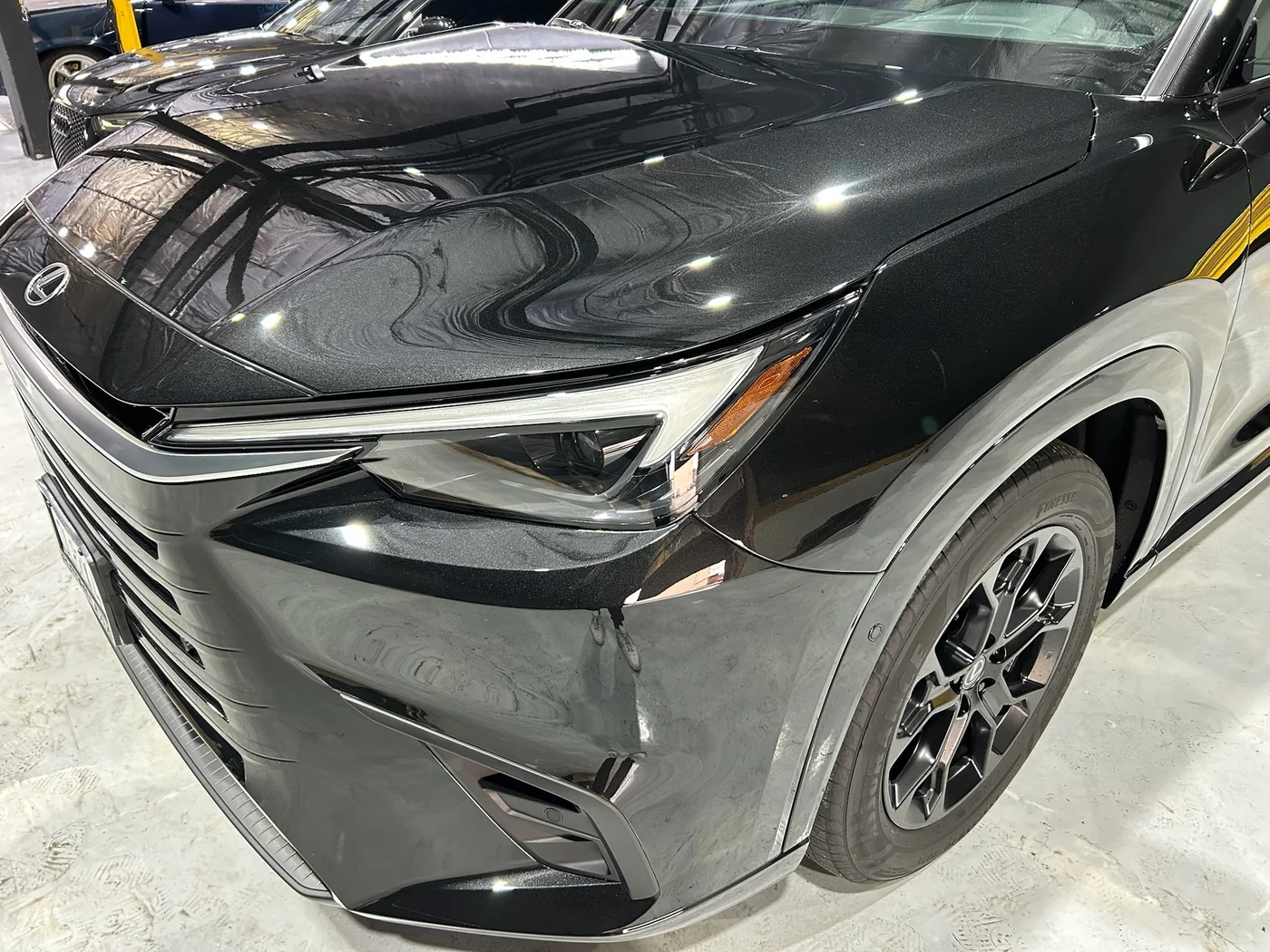
Track days are hard on finish quality. Rubber marbles, gravel, brake dust, insects, and debris from cars ahead can affect paintwork quickly. The front bumper, hood, mirrors, rocker panels, rear quarter panels, and windshield are particularly exposed.
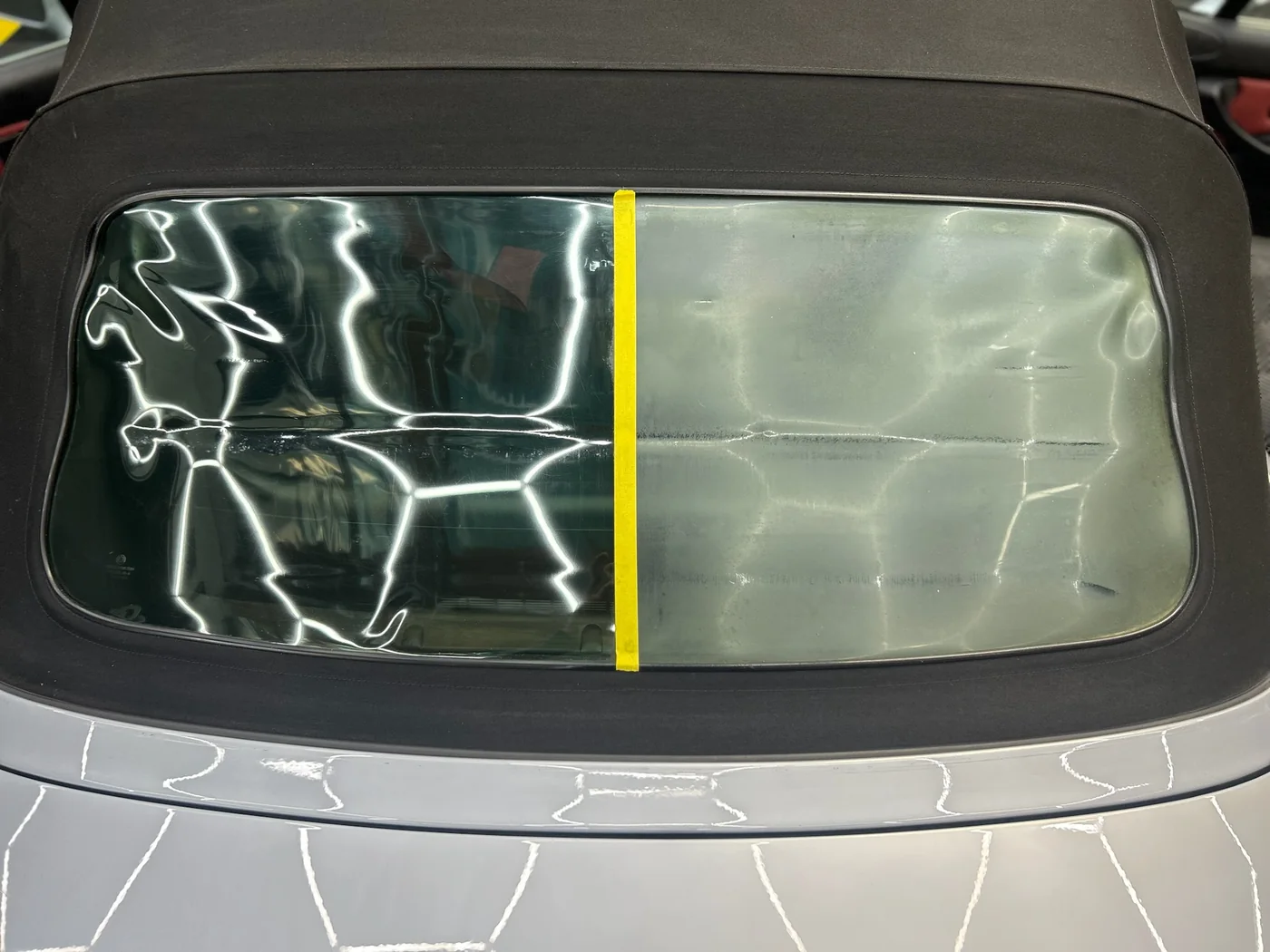
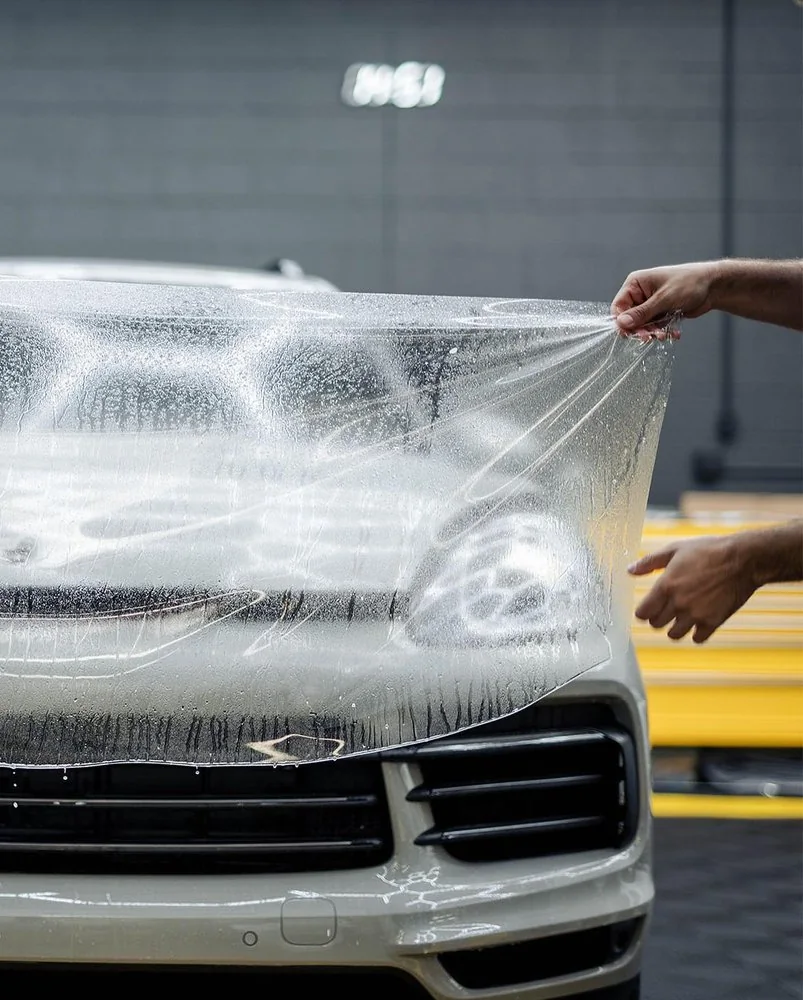
Paint protection film is a practical choice for owners who track a newer Porsche, an exotic model, or a collector-grade vehicle. A properly installed film helps absorb the impact of road debris and makes rubber residue easier to remove. Windshield protection film can also add a sacrificial layer against pitting, though owners should understand that it is a wear item and may need replacement after sustained track use. It is not a substitute for safe following distance or a flawless windshield underneath.
For a car without film, apply a quality protective finish beforehand and clean contaminants promptly after the event. Avoid aggressive rubbing on hot paint or dry wiping brake dust across delicate finishes. Once the car cools, a careful wash and inspection will reveal chips, tire pickup, or residue while it is still manageable.
Inside, protect high-contact areas if you are using a harness, wearing clothing with metal hardware, or carrying a helmet in and out of the cabin. Premium leather, Alcantara, carbon fiber, and piano-black trim can show avoidable wear surprisingly quickly.
Let the Car Cool Down, Then Inspect It Again
The final session is not the end of preparation. Take a cool-down lap at reduced pace, using light braking where safe, to reduce heat gradually. Do not set the parking brake immediately after a demanding session if the brakes are extremely hot. Park in accordance with event procedures, allow the car to cool, and avoid washing hot wheels or rotors with cold water.
Before the drive home, inspect tire condition and pressure, look beneath the vehicle for leaks, and check brake pedal feel. After the event, wash the car, remove debris from the radiators and wheel barrels, and inspect pads, tires, and fluid levels again. If the car was driven hard, an earlier-than-normal oil service or brake-fluid interval may be appropriate.
For Bay Area owners, Artec Automotive can provide a tailored pre-track inspection, performance-focused service, paint protection, and post-event detailing plan built around the way your Porsche is actually used. The right preparation does not make a track day risk-free, but it gives your car the mechanical discipline and cosmetic protection to make every session feel worth the trip.