

A track day exposes every weak point that normal Bay Area driving politely ignores. Brake fluid that felt fine on Highway 280 can boil after a few hard sessions. A tire with plenty of street tread can overheat at the shoulders. A minor fluid seep can become a red flag in the paddock. Knowing how to prep a car for track day is not about turning a road car into a race car overnight. It is about arriving with a mechanically sound, predictable vehicle so you can focus on improving as a driver.
For premium, European, exotic, and performance-oriented vehicles, preparation should be deliberate. The goal is to respect the engineering already in the car while accounting for the heat, load, and repeated braking that a circuit creates.
Start With the Event Requirements
Read the organizer's rulebook before booking parts or scheduling service. Requirements vary by venue, format, and run group. Most events require a helmet meeting a current accepted certification, a completed technical inspection, secure battery mounting, functioning seat belts, and an empty cabin and trunk. Convertibles may need approved rollover protection, while certain high-speed or advanced-group events can have additional rules.
Check sound limits as well. Laguna Seca, for example, is known for strict sound management, and an otherwise well-prepared car can lose track time if its exhaust configuration exceeds the event limit. If you have aftermarket exhaust components, a tuned turbocharged car, or a vehicle with variable exhaust valves, clarify the expected testing procedure in advance.
It is also wise to review your insurance position before the event. Standard road policies often exclude timed competition and may also exclude non-competitive high-performance driving events. The details depend on the policy, not the assumption that there will be no racing.
How to Prep a Car for Track Day: Prioritize Brakes
Brakes are the first system to inspect because they manage the most dramatic energy change on track. Repeated stops from speed generate temperatures far beyond a normal commute, especially on heavier luxury sedans, SUVs, and high-powered cars.
Begin with pad thickness and condition. Do not arrive with pads that are near their wear indicators or show uneven wear, cracking, glazing, or crumbling edges. Street pads can be appropriate for a novice, lower-speed event, but they may fade when pushed hard. A track-capable pad usually offers greater heat tolerance and pedal consistency, but it can create more dust, noise, and rotor wear on the street. The right choice depends on the car, circuit, tire, driver pace, and whether the vehicle must remain comfortable for daily use.
Brake fluid deserves equal attention. If the fluid is old, moisture-contaminated, or of unknown age, have it flushed with a high-quality fluid suited to higher operating temperatures. A firm pedal in the shop does not guarantee a firm pedal after several laps. Inspect rotors for cracks, severe grooves, excessive lip, or heat spotting, and confirm that calipers, hoses, and mounting hardware are in proper condition.
A professional inspection should include a road test when appropriate. Unusual vibration, pulling under braking, or a soft pedal should be corrected before the event, not diagnosed between sessions.
Tires, Wheels, and Alignment Set the Tone
Tires are your only connection to the circuit, and track driving makes their condition impossible to hide. Inspect tread depth across the entire tire, not just the center. Uneven inner-edge wear, sidewall damage, embedded debris, bubbles, and old heat-cycled rubber all warrant attention. A tire that is legal for the road may not be a confident choice for a full day on track.
Check the manufacturing date as well, particularly on collector cars or vehicles with low annual mileage. Rubber hardens with age, reducing grip even when the tread looks excellent. For a first event, a quality max-performance summer tire is often a sensible balance of predictability, wet-weather capability, and road usability. Dedicated track tires can deliver more grip, but they also add expense, wear quickly, and may demand a more disciplined approach to temperature and pressure management.
Set cold pressures according to the tire manufacturer's guidance and the event's expected conditions, then bring an accurate pressure gauge. Pressure rises significantly during a session. Record hot pressures, ambient conditions, and handling impressions after each run. This simple practice helps you identify whether the car is rolling onto the tire shoulder, overheating a corner, or simply asking for a pressure adjustment.
Wheel hardware should be torqued to the vehicle manufacturer's specification using a calibrated torque wrench. Do not guess, and do not rely solely on an impact gun. Recheck torque after the first session if the event organizer or vehicle manufacturer recommends it.
Alignment is not mandatory for every novice day, but it can transform tire life and composure. Performance cars often benefit from additional negative camber for track use, yet aggressive settings can accelerate inner-edge wear during daily driving. A tailored alignment should reflect how often the car will see the circuit rather than chasing a one-size-fits-all number.
Fluids, Cooling, and Mechanical Health
Track use places a sustained demand on the engine, transmission, differential, and cooling system. Start with fresh engine oil at the correct level, using the manufacturer-approved specification. If the service interval is approaching, complete the oil service before the event rather than immediately after it. Confirm coolant level and condition, inspect hoses and clamps, and look for residue around the water pump, radiator, oil cooler, and expansion tank.
For vehicles with dual-clutch transmissions, performance automatics, or all-wheel-drive systems, transmission and differential fluid condition matters as much as engine oil. Some platforms have known thermal limitations, and some benefit from dedicated cooling or more frequent fluid service when used regularly on track. This is where vehicle-specific experience matters. A Porsche, BMW M car, Mercedes-AMG, Audi RS model, or exotic platform may have entirely different service priorities despite similar power figures.
Check for warning lights, stored faults, oil leaks, coolant leaks, driveline vibration, loose heat shields, and worn engine or transmission mounts. If the vehicle has been modified, confirm that the tune, fueling, intercooling, exhaust, and suspension components have been installed and tested properly. Track day is not the place for the first hard pull after a new modification.
Secure the Cabin and Protect the Driver
Remove all loose objects from the cabin, glove box, door pockets, trunk, and cargo area. A water bottle, floor mat, phone mount, or detailing product becomes a projectile under braking. Secure the battery, check that the hood and trunk latch correctly, and verify all exterior lights required by the organizer are operational.
Bring a properly fitted helmet, closed-toe shoes, water, and enough fuel for the schedule. Many performance cars consume fuel quickly under sustained load, and running low can create fuel-starvation issues on certain platforms. Fill up before arriving, but avoid overfilling to the point that expansion or slosh becomes a concern.
Your seating position matters more than most new track drivers expect. Set the seat so your wrists can rest near the top of the steering wheel with a slight bend in your arms. You should be able to fully depress the brake pedal without stretching. Sit upright enough to see clearly through the corner, and secure your seating and belt position before leaving pit lane.
Prepare for the Drive Home, Too
A responsible track-day plan includes the end of the day. Bring a tire gauge, torque wrench, basic hand tools, microfiber towels, windshield cleaner, brake cleaner if needed, and a way to check fluid levels. If the car is heavily modified, has marginal tire life, or will be driven several hours home, arranging transport can be the better decision. There is no trophy for forcing a fatigued car and driver down the freeway after a demanding day.
After your final session, take a cool-down lap, avoid setting the parking brake on extremely hot brakes when conditions make that a concern, and inspect the car before departing. Look at tire shoulders, brake pad material, wheel torque, fluid levels, and any fresh leaks. Listen for new noises. A short post-event inspection can catch an issue before it affects the next drive.
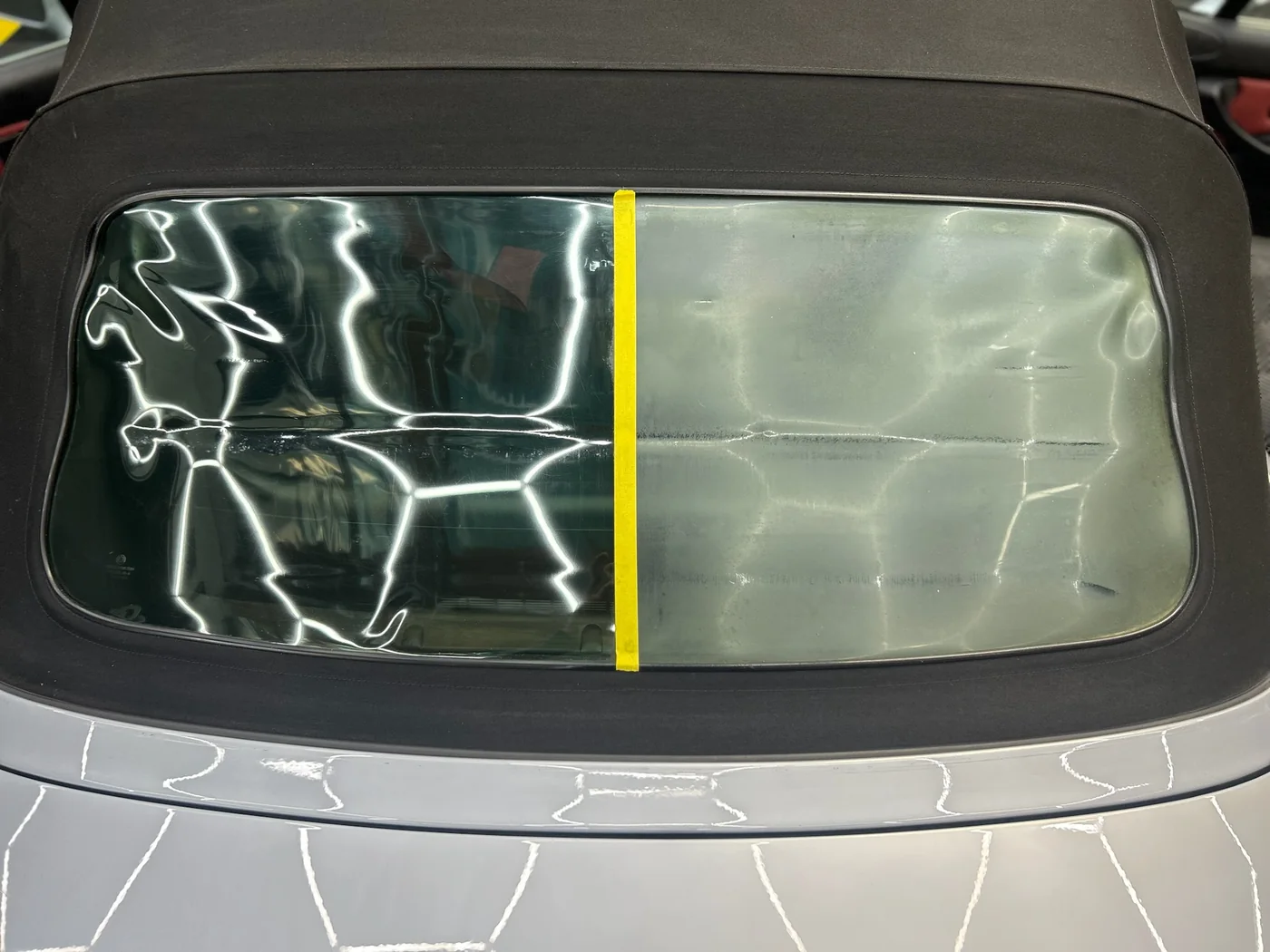
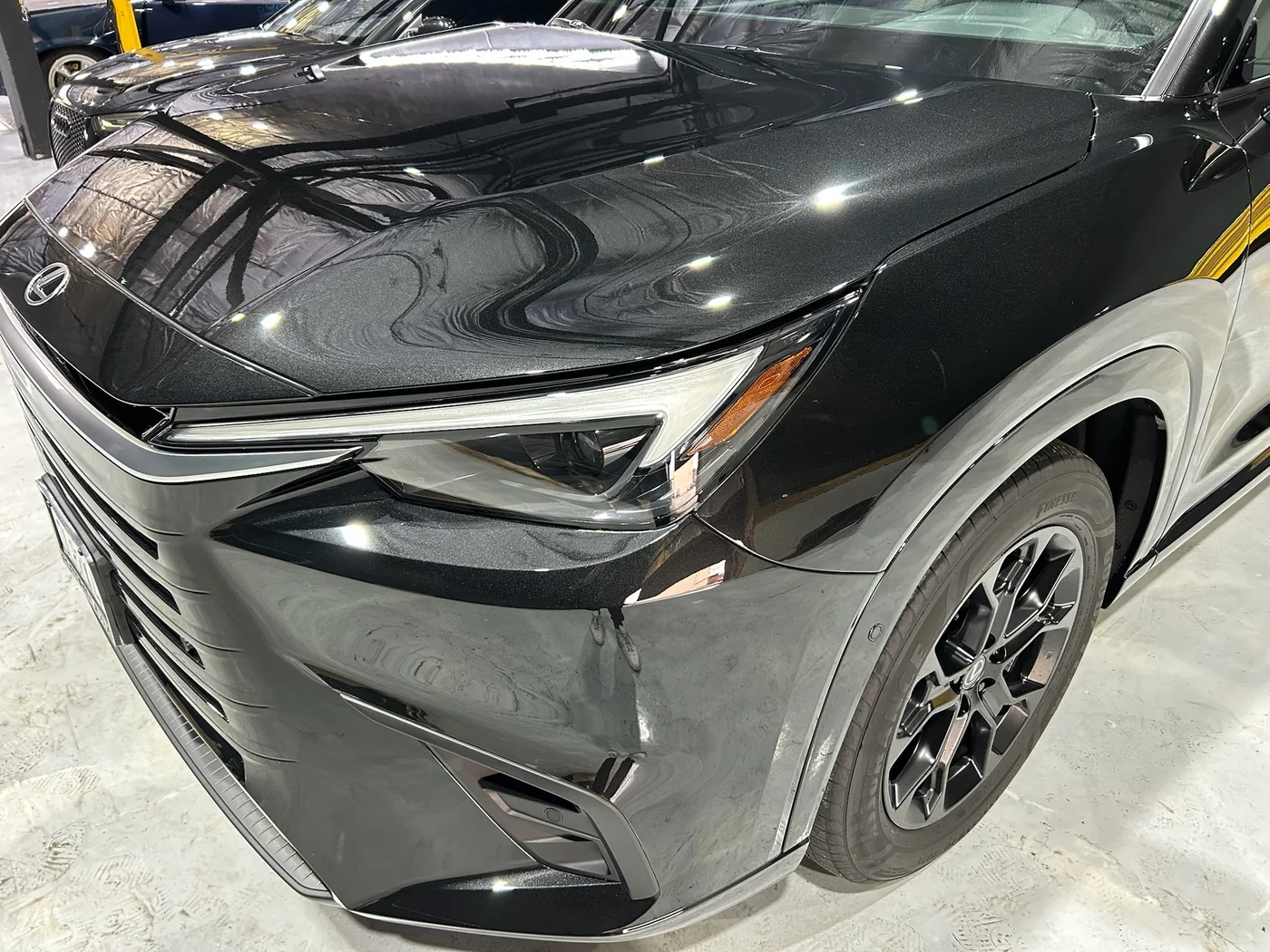
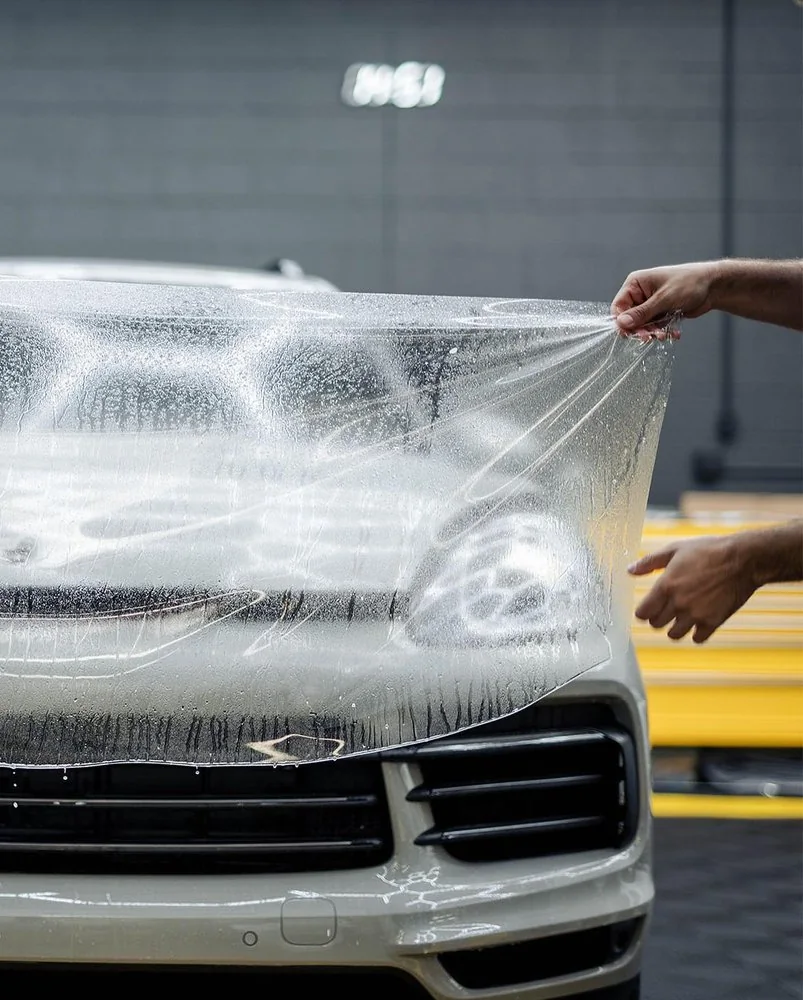
Paint protection film, windshield protection film, and quality detailing will not make a car faster, but they can preserve it against the real-world aftermath of track use: rubber deposits, brake dust, chips, and road debris. The trade-off is that protection should never be mistaken for mechanical preparation. Performance and preservation work best together when each receives the attention it deserves.
The best first track day is not defined by lap time. It is the day you return home with a healthy vehicle, clearer feedback from the chassis, and a stronger understanding of what both you and your car can do.