

A warning light on an exotic vehicle is rarely a simple invitation to replace a part. On a modern Ferrari, Lamborghini, McLaren, Aston Martin, or high-performance European model, one fault can involve networked control modules, heat-sensitive components, active aerodynamics, adaptive suspension, or calibration procedures that demand factory-level equipment. Exotic repairs require a different standard of diagnosis, workmanship, and accountability because the vehicle itself was never engineered as ordinary transportation.
For owners, the stakes go beyond getting back on the road. A repair decision can affect drivability, warranty coverage, future resale, service history, and the confidence to use the vehicle as intended. The right specialist does not merely address a symptom. They consider the complete system, the vehicle’s condition, and the outcome the owner expects.
Why Exotic Repairs Are Different
Exotic vehicles are built around extraordinary performance targets. Lightweight materials, tightly packaged engines, electronically controlled chassis systems, carbon-ceramic braking, dry-sump lubrication, forced induction, and dual-clutch transmissions all deliver a remarkable driving experience. They also create service requirements that are specific to the platform.
A common repair approach can be expensive when applied to an uncommon vehicle. Removing the wrong panel, lifting a vehicle at an improper point, using an incompatible fluid, or overlooking a required adaptation procedure can create issues that were not present when the car arrived. Even cosmetic work demands greater care when carbon fiber, satin finishes, forged wheels, custom paint, and complex body contours are involved.
The most capable shops begin with restraint. Before authorizing repairs, they establish what is actually wrong, what caused it, and whether any related systems should be inspected. That process takes more time than guessing, but it is usually the more efficient route. Replacing components without confirming the root cause can turn one concern into a cycle of unnecessary parts and repeat visits.
Diagnosis Is the Foundation of Precision
Sophisticated vehicles communicate through data, but a scan tool alone does not produce an accurate diagnosis. Fault codes identify an area of concern, not always the failed component. A low-voltage event, intermittent connector issue, sensor deviation, software inconsistency, or mechanical condition may trigger the same warning that appears to indicate a more obvious failure.
Proper diagnosis combines vehicle-specific software with measured testing and experienced interpretation. A technician may need to review live data, verify power and ground circuits, inspect wiring paths, test pressures and temperatures under load, or compare readings against manufacturer specifications. On performance cars, a road test can be equally valuable, provided it is carried out with the discipline and discretion the vehicle deserves.
This is especially relevant for intermittent concerns. A transmission warning that appears only after a heat cycle, a suspension fault during aggressive cornering, or an occasional misfire at high load should not be dismissed because the issue disappears in the service bay. The repair plan should reflect the conditions under which the fault occurs.
The Value of Vehicle-Specific Knowledge
Experience with a particular marque often shortens the path to the correct repair. Certain engines develop predictable oil leaks. Some cooling systems have known weak points. Specific generations may be sensitive to battery condition, actuator wear, software versions, or vacuum leaks. Familiarity is not a substitute for testing, but it helps a specialist know where to look first and which shortcuts to avoid.
It also helps distinguish a true problem from normal vehicle behavior. High-performance powertrains can be louder, firmer, hotter, and more mechanically expressive than a conventional luxury vehicle. An owner deserves a clear explanation of what is normal, what should be monitored, and what requires immediate attention.
Parts, Fluids, and Calibration Matter
The quality of a repair is inseparable from the components and procedures behind it. Genuine OEM parts are often the proper choice for critical systems, particularly where fitment, safety, software compatibility, or long-term reliability is involved. In other cases, an established upgraded component may be the better answer if the original design has a known limitation or the owner has clear performance goals.
There is no universal rule that every exotic repair must use only one type of part. The correct choice depends on the vehicle, its intended use, its warranty status, and the owner’s priorities. A concours-focused collector car calls for a different approach than a regularly driven, modified performance build. What matters is transparency: the owner should understand what is being installed, why it was selected, and how it may affect the vehicle.
Fluids deserve the same attention. Engine oil, transmission fluid, hydraulic fluid, coolant, and brake fluid are engineered to work within specific temperature ranges and material tolerances. Selecting an alternative because it is convenient or broadly compatible is not the same as selecting it because it meets the vehicle’s actual specification.
Many modern repairs also end with calibration. Replacing a battery may require registration. Steering, suspension, ADAS, ride-height, throttle, transmission, or electronic parking brake work may require adaptations or relearning procedures. Skipping this final step can leave a vehicle that appears repaired but does not perform as the manufacturer intended.
Mechanical Repairs Should Protect the Whole Vehicle
A premium vehicle should not leave a repair facility with new mechanical work and fresh cosmetic damage. Protection during service is part of professional workmanship. That includes correct lift procedures, careful interior protection, wheel handling, paint-safe practices, and thoughtful reassembly around delicate trim and finishes.
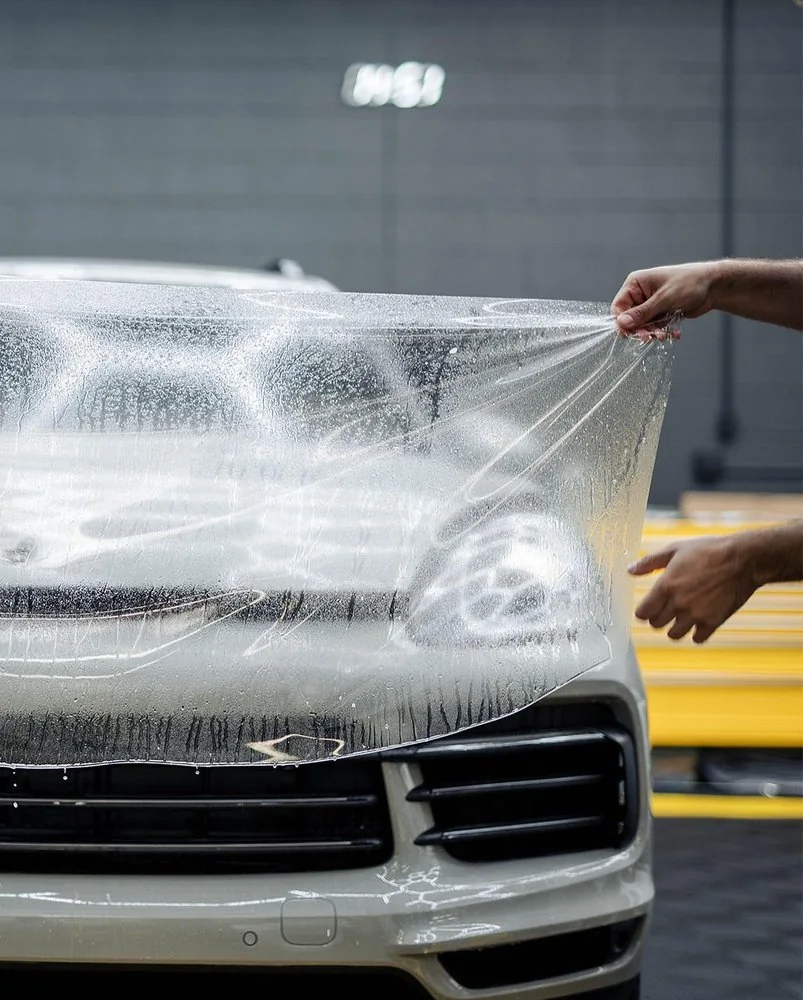
This detail becomes particularly relevant in the Bay Area, where many owners combine mechanical service with paint protection film, ceramic coatings, detailing, windshield replacement, and custom modifications. A shop that understands the full vehicle can coordinate these needs rather than treating each service as an isolated task. If a bumper must be removed for cooling-system or front-end work, for example, it may be the right time to assess paint protection film condition, alignment, sensors, and hidden road damage.
At Artec Automotive, that integrated mindset is central to caring for vehicles whose performance, appearance, and long-term value are closely connected. The goal is not to sell every available service. It is to identify the work that genuinely supports the vehicle and the way its owner plans to enjoy it.
When Preventive Service Is the Better Repair
Waiting for a failure is not always the most economical strategy. Exotic vehicles can have age-related concerns even when mileage is low: tires harden, seals dry, fluids degrade, batteries weaken, and heat cycles affect hoses and electrical connectors. A car that spends much of its life in storage still needs deliberate inspection and maintenance.
Preventive service is most valuable when it is informed rather than automatic. Replacing every component simply because a vehicle has reached a certain age can be wasteful. Ignoring known service intervals or early warning signs can be equally costly. The right plan weighs factory recommendations, documented history, usage patterns, climate, and the owner’s expectations for reliability.
For a weekend car, battery health, tire age, fluid condition, and proper exercise may deserve more attention than annual mileage suggests. For a vehicle driven frequently through Peninsula traffic or over demanding roads, cooling performance, brakes, suspension wear, and windshield condition can become higher priorities. A tailored inspection creates a more useful ownership plan than a generic checklist.
Choosing the Right Shop for Exotic Repairs
The best question is not simply whether a shop works on exotic cars. Ask how it approaches diagnosis, documentation, parts sourcing, testing, and quality control. A specialist should be comfortable explaining the repair in direct terms without reducing a complex issue to vague language.
Look for a facility that respects the condition of the vehicle from check-in through delivery. Clear estimates, photographs when appropriate, organized communication, and a documented record of work all contribute to a better experience and a stronger ownership file. For collectors and future buyers, service history is evidence of care.
It is also reasonable to ask whether the shop has the right equipment and experience for the specific vehicle. Specialty scan tools, alignment capability, fabrication resources, programming access, secure storage, and carefully trained technicians can make a meaningful difference. Not every repair needs every capability, but complex vehicles benefit from a shop that can see the larger picture.
The most useful next step is simple: address unusual noises, warning lights, leaks, vibration, shifting changes, and battery concerns early, while the issue is still contained. A precise inspection today can preserve far more than performance tomorrow - it can protect the confidence that makes an exceptional vehicle worth owning.