

A premium EV can feel almost effortless to own. There are no oil changes, no spark plugs, and no exhaust system to manage. Yet EV maintenance is not optional. It is simply different - and on a high-performance electric vehicle, the systems that do require attention carry enormous weight in safety, driving precision, range consistency, and long-term value.
For Bay Area owners, that distinction matters. Steep grades, stop-and-go traffic, uneven pavement, coastal moisture, intense sun, and high-speed weekend driving all place demands on tires, brakes, cooling systems, suspension components, and exterior finishes. The right service strategy respects both the sophistication of the vehicle and the way it is actually driven.
EV Maintenance Starts With the Systems That Work Hardest
The absence of an internal-combustion engine eliminates many familiar maintenance items, but it does not eliminate wear. Electric vehicles are typically heavier than comparable gasoline vehicles because of their battery packs. Instant torque also loads the tires more aggressively, particularly on dual-motor and performance models.
That makes tire service one of the most consequential parts of EV ownership. Correct tire pressure supports range, grip, ride quality, and even tire life. A few pounds of pressure below specification can affect efficiency, while overinflation can compromise ride and reduce the tire's contact patch. Premium EVs should have their tires inspected regularly for uneven wear, sidewall damage, embedded debris, and tread depth.
Rotation intervals depend on the vehicle, tire design, wheel setup, and driving style. Staggered performance tires often cannot be rotated front to rear, so alignment and suspension condition become even more important. Owners who enjoy spirited driving through the Peninsula or regularly carry passengers and cargo may see tire wear accelerate sooner than expected.
Alignment Is More Than a Tire-Saving Service
An EV with a slight alignment issue may still feel composed during a casual drive, but its tires may tell a different story. Inner-edge wear, steering that no longer centers cleanly, a pull under braking, or a steering wheel that sits off-center are all reasons to schedule an inspection.
Performance EVs often use sophisticated suspension geometry and low-profile tires. A pothole, curb contact, or repeated travel over damaged roads can alter alignment enough to affect handling and consume an expensive set of tires prematurely. Precise alignment protects the calm, planted character that premium electric vehicles are engineered to deliver.
Brakes Need Less Service, Not Less Attention
Regenerative braking reduces reliance on conventional friction brakes, which is one of an EV's real maintenance advantages. Brake pads and rotors can last considerably longer than they would on a gasoline-powered vehicle. The trade-off is that pads and calipers may see less frequent use, especially for drivers who favor strong regenerative settings.
In damp or coastal conditions, brake rotors can develop surface corrosion. In more serious cases, caliper hardware can bind, brake pads can wear unevenly, and rotors can become noisy or rough despite having plenty of material remaining. Periodic brake inspections confirm that the system remains free-moving and ready to perform when regenerative braking alone is not enough.
Brake fluid still ages and absorbs moisture over time. Follow the manufacturer's specified replacement interval rather than judging the fluid by appearance. This is particularly relevant for heavy EVs, where consistent hydraulic braking performance matters during emergency stops and long downhill descents.
Protect the Battery by Caring for Its Environment
The high-voltage battery is the heart of an EV, but owners should avoid treating every small range fluctuation as evidence of battery failure. Weather, cabin climate control, driving speed, elevation changes, tire pressure, and charging habits can all affect displayed range. A cold morning, for example, will produce different results than a temperate afternoon drive.
Most modern EV battery packs are designed with sophisticated thermal management systems. Those systems use coolant circuits, pumps, valves, sensors, and heat exchangers to keep the battery and power electronics within their preferred operating range. They require professional inspection according to the vehicle manufacturer's service plan.
Battery coolant is not a do-it-yourself fluid. High-voltage systems require proper safety procedures, vehicle-specific equipment, and trained technicians. If an EV displays a thermal-system warning, reduced-power message, charging fault, or sudden and persistent range change, it deserves prompt diagnosis rather than guesswork.
Good charging habits also support long-term battery health. The ideal routine varies by manufacturer and battery chemistry, but many owners benefit from reserving full charges for trips rather than leaving the vehicle at 100 percent for extended periods. Likewise, arriving at a charger with an extremely low state of charge on every cycle is not necessary. Use the charging limits and scheduling tools built into the vehicle, then follow the guidance provided for that specific model.
Do Not Overlook the 12-Volt Battery
Even the most advanced EV relies on a conventional low-voltage battery to wake up computers, operate accessories, and initiate key vehicle functions. When this battery weakens, the symptoms can be confusing: warning lights, intermittent electronic faults, charging problems, or a vehicle that will not start despite having a well-charged traction battery.
The 12-volt battery is a common overlooked service item, particularly on vehicles that are driven infrequently or kept in storage. Routine testing can identify declining capacity before it becomes an inconvenient no-start situation. For collector-grade, exotic, or secondary vehicles, proper storage management and battery support are part of preserving reliable ownership.
Filters, Wipers, and Climate Control Still Matter
A quiet electric cabin makes minor noises and odors easier to notice. A neglected cabin air filter can reduce airflow, allow dust and pollen into the interior, and contribute to musty odors when the climate-control system is used heavily. This is especially relevant for owners who commute through varied Bay Area microclimates or frequently use recirculation in traffic.
Replace cabin filters at the appropriate interval, and inspect wiper blades before winter rain arrives. Washer fluid, wipers, and a clear windshield may sound ordinary, but visibility is a performance and safety issue. On vehicles equipped with driver-assistance cameras and sensors, clean glass and a properly functioning windshield are even more critical.
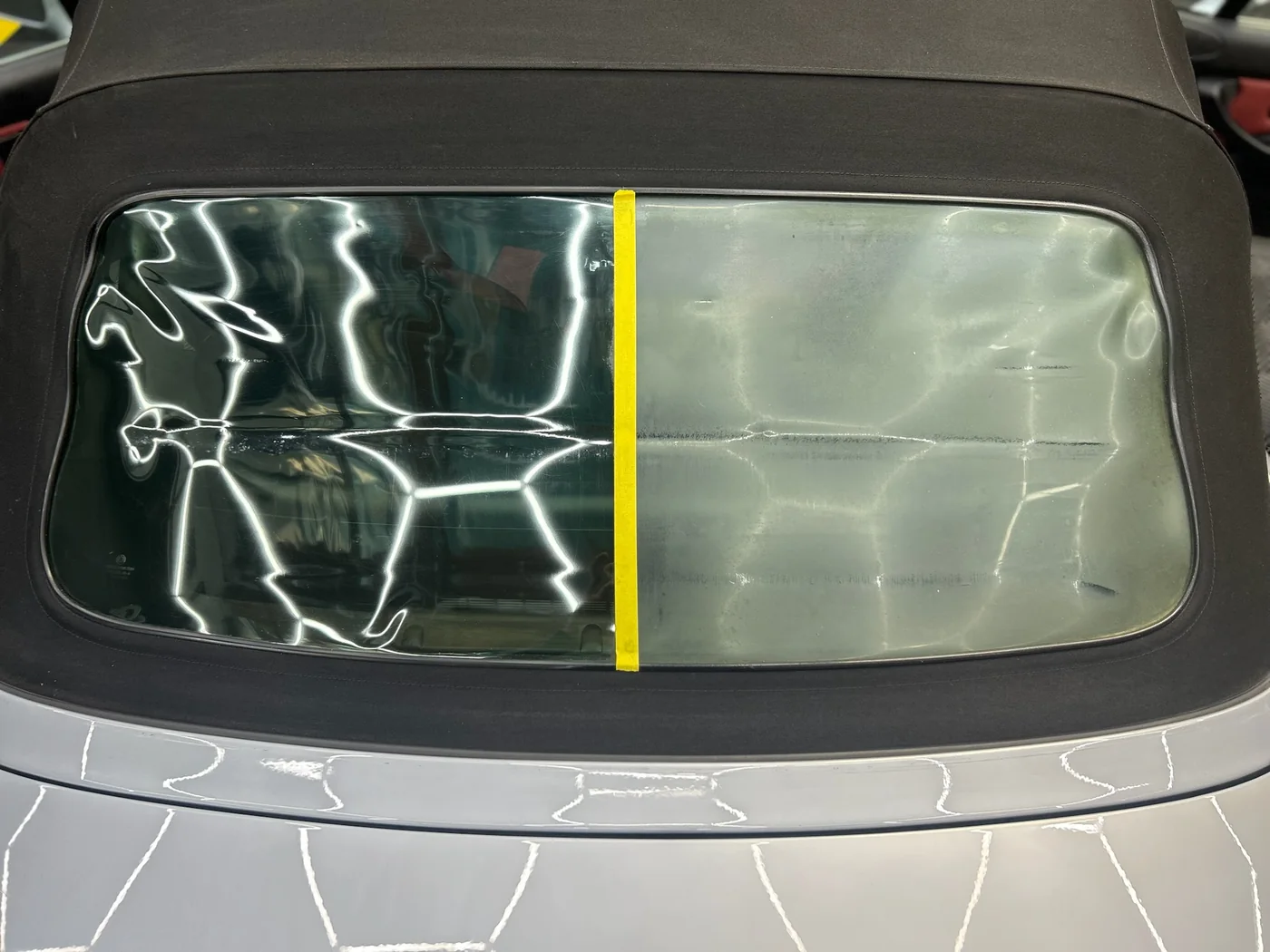
Windshield damage should be assessed early. A small chip can spread with temperature swings, road vibration, or a sudden change in cabin temperature. When replacement is necessary, proper camera calibration and careful handling of surrounding trim are essential to restoring the vehicle's intended safety systems.
EV Exterior Protection Is Part of Value Preservation
Electric vehicles often have expansive painted surfaces, low front ends, aerodynamic wheels, and glass-heavy cabins. Those design elements look exceptional when new, but Bay Area highway debris, parking exposure, UV radiation, and frequent washing can leave their mark quickly.
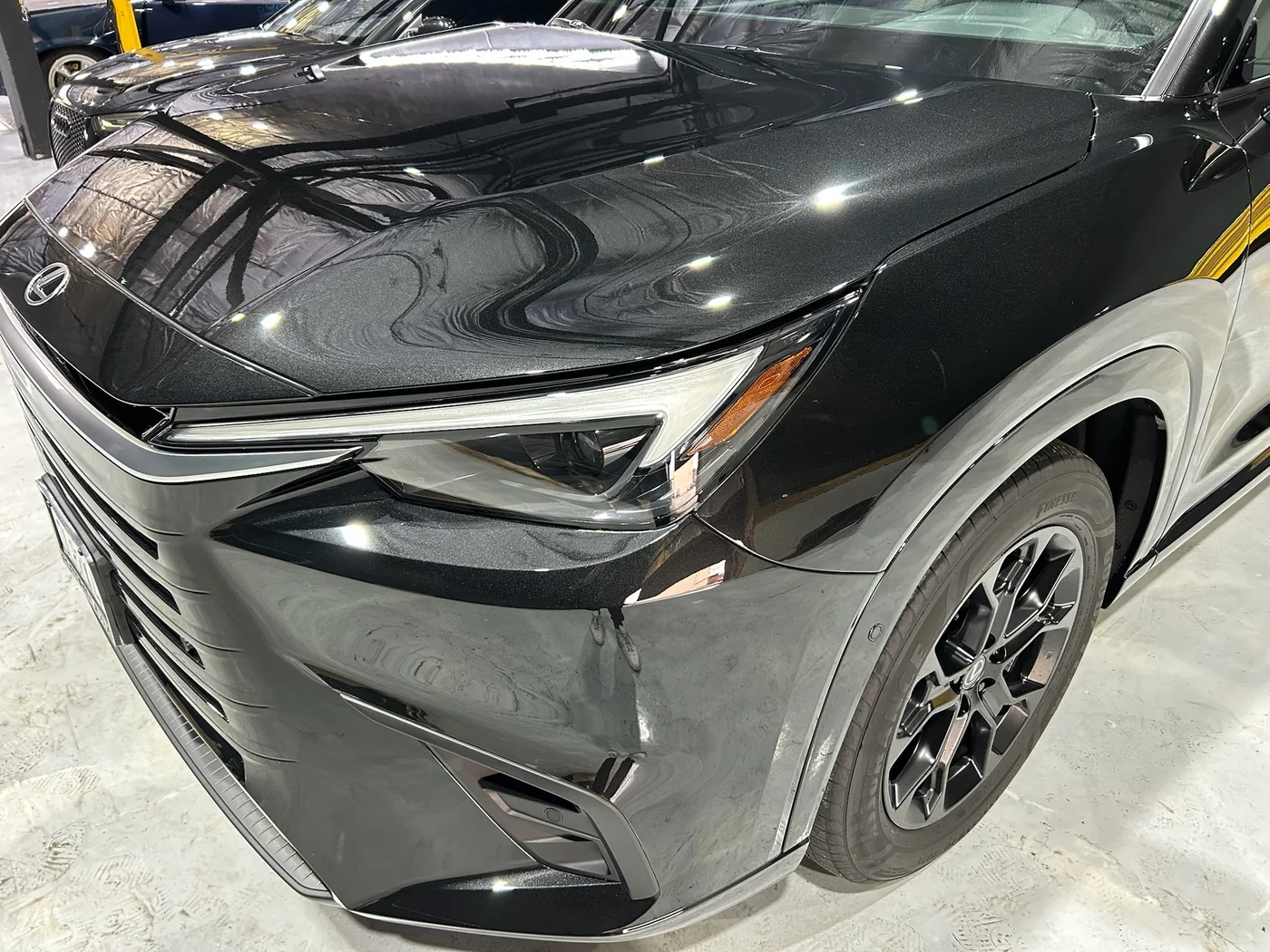
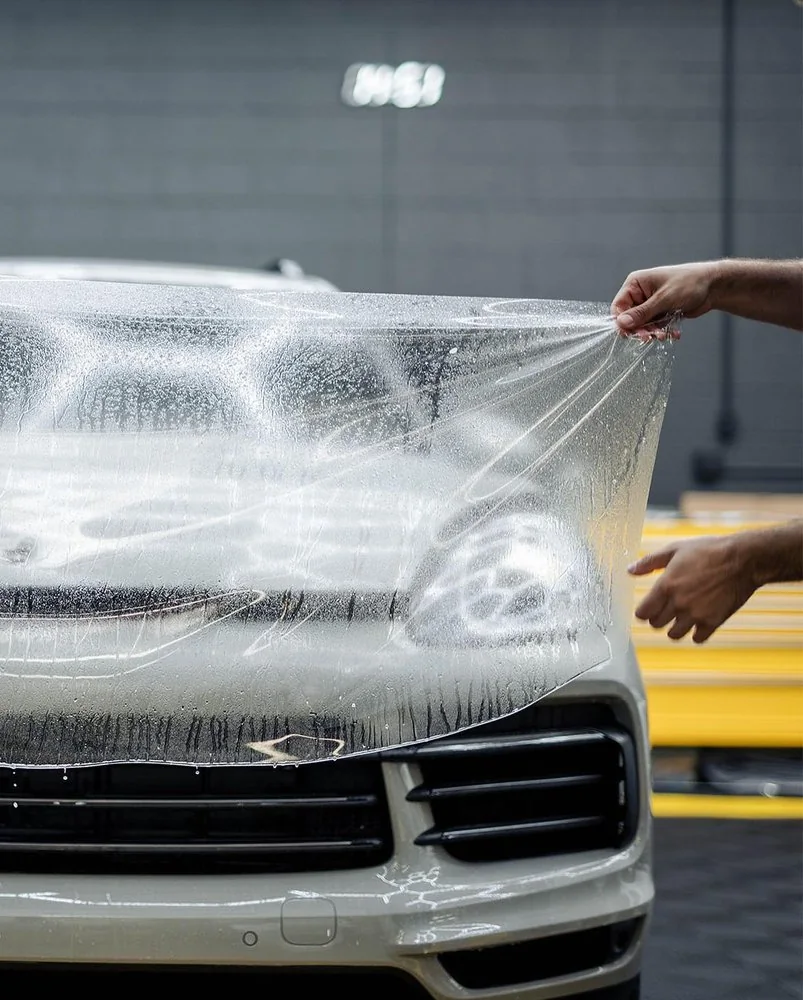
Paint protection film can help defend high-impact areas from rock chips and road rash, while windshield protection film may reduce damage risk from everyday debris. Ceramic or graphene coatings can make routine cleaning easier and support a more consistent finish, though they are not a substitute for paint protection film where physical impact resistance is the priority. The right choice depends on the vehicle, its use, the owner's expectations, and whether originality and resale preservation are central goals.
Detailing also deserves a place in the maintenance conversation. Proper wash methods, decontamination, interior conditioning, and wheel care preserve more than appearance. They help identify new paint damage, tire issues, fluid leaks, and trim deterioration before those concerns become more involved corrections.
Create a Service Plan Around How You Drive
The factory maintenance schedule is the baseline, not always the complete ownership plan. A low-mileage weekend car, a daily-driven luxury EV, and a performance model used for spirited mountain driving will not need the same level of inspection at the same time.
A thoughtful plan includes manufacturer-required service, tire and alignment monitoring, brake inspections, low-voltage battery testing, cabin filter replacement, and regular cosmetic preservation. It should also account for charging habits, storage periods, wheel changes, and any modifications that affect suspension, wheels, tires, or vehicle electronics.
For owners who want one specialist relationship for protection, detailing, European service, repair, and tailored upgrades, Artec Automotive approaches each vehicle as a complete system rather than a collection of disconnected appointments.
The most satisfying EV ownership experience comes from staying ahead of small details. Keep the tires properly managed, respect the battery system, inspect what regenerative braking hides, and protect the surfaces that make the vehicle feel exceptional every time you approach it.