
A European vehicle rarely asks for attention at a convenient time. A cooling-system warning may appear on a warm commute across the Peninsula, a brake sensor can interrupt a weekend drive, or a faint vibration can take the confidence out of an otherwise exceptional car. The right European car service is not simply about clearing a warning light. It is about understanding the systems, materials, software, and driving character that make the vehicle worth owning in the first place.
For Bay Area owners, that level of care matters. Dense traffic, steep grades, stop-and-go heat cycles, coastal moisture, and long highway miles all place distinct demands on performance and luxury vehicles. Whether you drive a BMW M car, Porsche, Mercedes-Benz, Audi, Volkswagen, Land Rover, MINI, or another European platform, thoughtful maintenance is the foundation for preserving performance, refinement, and long-term value.
Why European Cars Need a Different Service Approach
European manufacturers engineer their vehicles around tightly integrated mechanical and electronic systems. Engine management, transmission behavior, brake wear monitoring, suspension calibration, climate control, driver-assistance features, and battery charging strategy often communicate through vehicle-specific modules. A general repair approach may identify the symptom, but it can miss the condition behind it.
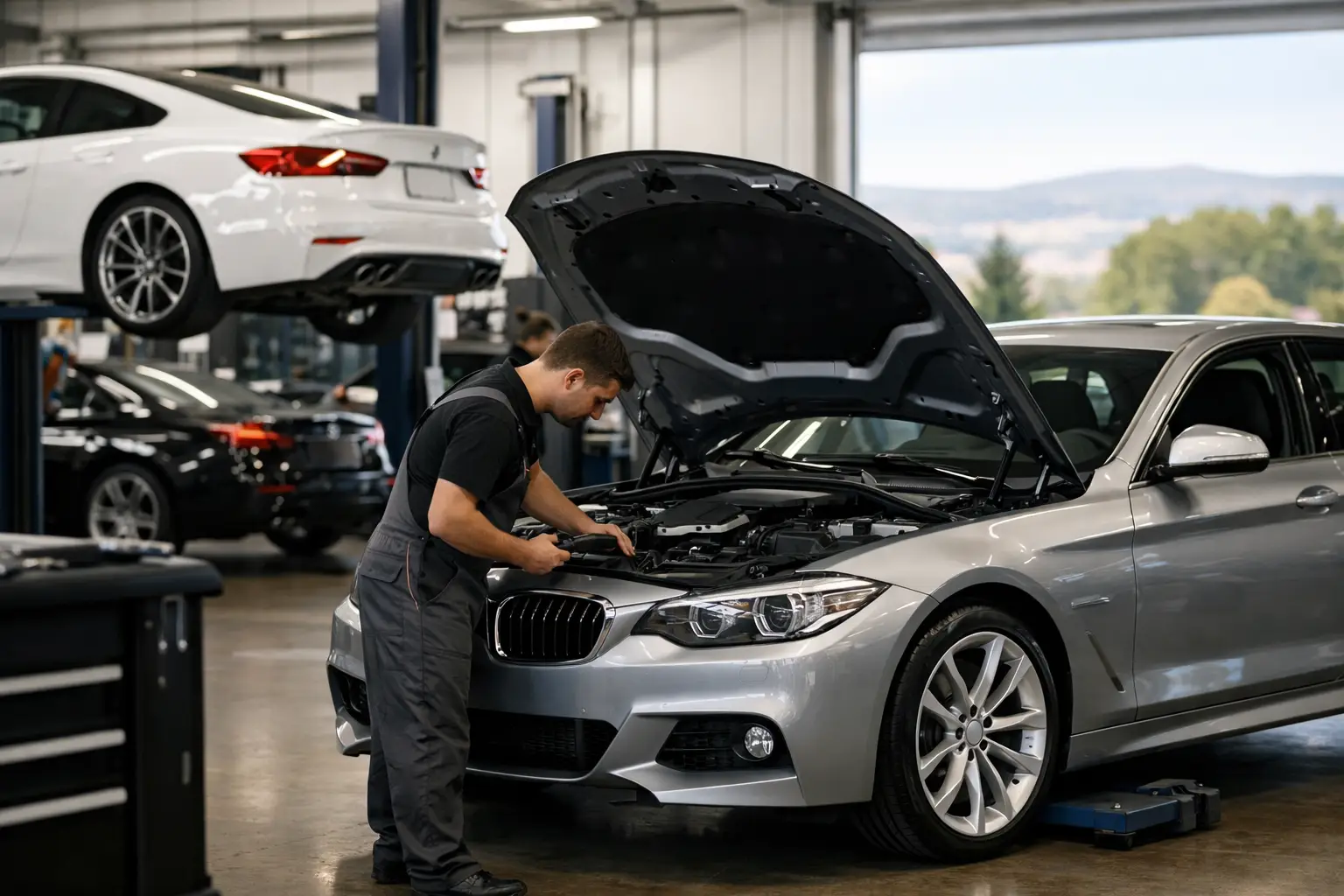
Specialized service begins with proper diagnostic equipment and technicians who know how to interpret the information it provides. Fault codes are useful, but they are not a complete diagnosis. A code can point to a sensor, for example, while the actual cause may be a wiring issue, vacuum leak, failing component, software adaptation, or voltage irregularity. Replacing parts without verifying the root cause is an expensive way to maintain a premium vehicle.
The same principle applies to service intervals. Factory recommendations provide a useful baseline, yet the best schedule depends on the vehicle, mileage, model year, driving habits, and previous maintenance history. A lightly driven collector car and a daily-driven performance SUV may share an engine family, but they do not necessarily need identical attention.
What Quality European Car Service Should Include
A premium service experience should be precise without becoming performative. The goal is not to sell every possible repair. It is to inspect the vehicle carefully, identify what is needed now, explain what should be monitored, and build a maintenance plan that makes sense for how you use it.
Diagnostics That Look Beyond the Dashboard
Modern European cars can store a considerable amount of vehicle data, even when no warning light is present. A comprehensive inspection may uncover intermittent faults, battery health concerns, misfire counts, adaptation values, sensor irregularities, or communication issues between modules.
This is particularly valuable when a vehicle feels different but has not yet produced an obvious failure. Delayed shifts, a rough cold start, reduced ride quality, inconsistent braking feel, or a slight loss of power deserve informed investigation. Addressing these changes early can prevent a small service item from becoming a larger mechanical repair.
Factory-Appropriate Parts, Fluids, and Procedures
Not all engine oils, transmission fluids, filters, brake components, or coolants are interchangeable. European manufacturers often specify exact fluid approvals, component standards, and service procedures because tolerances matter. Using the correct materials protects more than reliability. It preserves the way the vehicle was designed to perform.
There are trade-offs, of course. Original-equipment parts are often the right choice for fitment, durability, and consistency, especially for critical systems. In other cases, a high-quality aftermarket component may offer a practical alternative or a meaningful performance benefit. The right decision depends on the application, the owner’s goals, and whether the vehicle is being maintained for daily use, spirited driving, collecting, or a future sale.
Brake, Tire, and Suspension Attention
Performance is not only measured in horsepower. Braking confidence, tire condition, alignment, and suspension response define how a European vehicle behaves every mile. Bay Area roads make this especially relevant, with uneven pavement, potholes, tight urban turns, and high-speed highway transitions exposing worn bushings, dampers, wheel bearings, and alignment issues.
Brake service should account for rotor condition, pad wear, fluid age, caliper operation, and sensor status. Tires deserve the same level of attention. Proper fitment, pressure, tread depth, and alignment protect handling and help avoid uneven wear on expensive performance tires. If a vehicle pulls, wanders, vibrates, or feels unsettled under braking, it is worth inspecting before the concern affects other components.
Maintenance That Protects Value, Not Just Reliability
Premium ownership is more satisfying when maintenance is proactive. Waiting for a warning light can be tempting, particularly when the car still feels normal. Yet many of the most costly issues begin as small leaks, worn seals, aging hoses, declining batteries, neglected fluid intervals, or early suspension wear.
A documented service history also carries weight. For a future buyer, records demonstrate that the vehicle was cared for by people who understood it. For an owner, those records make it easier to track patterns, prioritize upcoming work, and make informed decisions about repair versus replacement.
This does not mean every vehicle needs an aggressive maintenance schedule. Some owners drive only a few thousand miles per year, while others accumulate highway miles quickly. Time-based service still matters for low-mileage vehicles, especially where fluids, seals, batteries, and tires are concerned. A tailored plan is more valuable than a generic checklist.
When Service and Protection Belong in the Same Conversation
Mechanical condition and cosmetic condition are closely connected for luxury and performance vehicles. A car that is properly maintained but carries damaged paint, a chipped windshield, stained interior surfaces, or neglected trim does not present like a well-kept asset. Conversely, protection work is most effective when the vehicle is mechanically sound and ready for years of confident use.
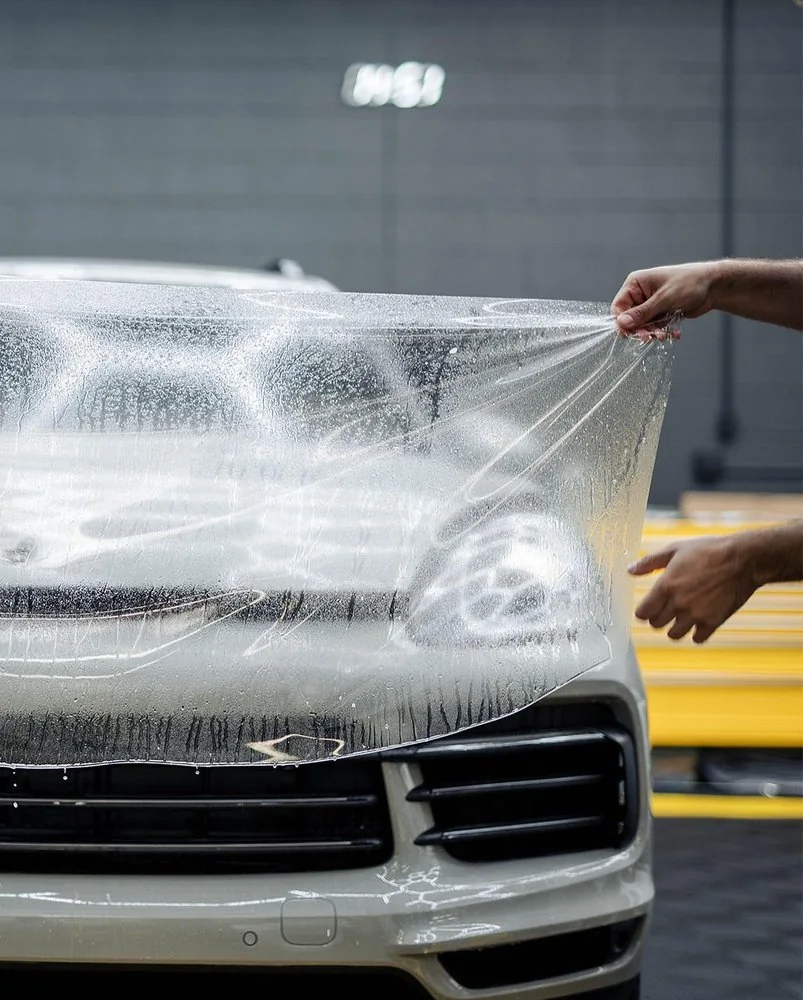
This is where a comprehensive shop relationship can simplify ownership. Scheduled maintenance may reveal a windshield that needs replacement before windshield protection film is installed. A suspension repair may be the right time to discuss a more purposeful wheel and tire setup. A newly acquired vehicle may benefit from baseline mechanical inspection before receiving paint protection film, ceramic coating, window tint, or detailing.
At Artec Automotive, the advantage is a connected view of the vehicle: mechanical service, repair, protection, aesthetic refinement, custom modifications, fabrication, and secure storage can be considered as part of one ownership strategy. That is particularly valuable for clients who want their vehicle prepared for daily use, a special event, track-oriented driving, or long-term preservation without coordinating multiple vendors.
Signs It Is Time to Schedule European Vehicle Service
Some service needs are obvious, such as a warning light, fluid leak, overheating concern, or brake noise. Others are easier to overlook. Pay attention to new vibrations at highway speed, a steering wheel that sits off-center, slow crank times, a change in exhaust smell, inconsistent cabin cooling, rough idle, or a transmission that shifts differently than it once did.
Do not assume these symptoms are normal simply because the vehicle is older or has accumulated mileage. Age and mileage change what a car needs, but they should not lower the standard for how it drives. A well-maintained European vehicle can remain composed, responsive, and rewarding long after its original warranty has ended.
Before authorizing work, expect clear communication about the diagnosis, recommended repairs, timing, and priorities. The best service partner will distinguish between an immediate safety or reliability concern, a condition to address soon, and an item to monitor. That clarity lets you invest in your vehicle with confidence rather than reacting to surprises.
A European car is engineered to reward attention. Give it service that respects the details, and every drive has a better chance of feeling exactly as its designers intended.