
A clear Bay Area afternoon can feel deceptively mild from behind the wheel, yet the sun is still working on your leather, trim, and skin through the glass. So, does tint block UV? High-quality automotive window film can block up to 99% of harmful UV rays, but the level of protection depends on the film itself, the glass already installed on your vehicle, and where that film is applied.
For owners who expect their vehicle to remain as refined years from now as it is today, window tint is not simply a styling decision. It is a carefully selected layer of comfort, privacy, and long-term interior preservation.
Does Tint Block UV? Yes, but Film Quality Matters
Not all window tint performs at the same level. Quality window films are engineered to reject the vast majority of ultraviolet radiation, particularly UVA rays. UVA is the wavelength most associated with gradual skin aging and the fading, drying, or discoloration of interior materials. It passes through ordinary glass more readily than many drivers realize.
A premium ceramic tint can provide strong UV protection without relying on the deep, dark appearance many people associate with tint. That matters for luxury and performance vehicles where visibility, clean aesthetics, and electronic compatibility are just as important as shade.
Lower-grade dyed films may darken a window effectively, but darkness alone does not define UV performance. A film can look nearly clear and still offer substantial UV rejection. Conversely, a dark, inexpensive film may deliver inconsistent protection, fade over time, or introduce visual distortion that does not belong on a finely engineered vehicle.
The specification to look for is UV rejection, often stated as a percentage. When a film is rated to block 99% of UV radiation, it is designed to reduce exposure significantly across the treated glass. The remaining 1% is not usually the deciding factor. Proper installation, film quality, and choosing the right glass surfaces to treat are.
UV Protection Is Different From Heat Rejection
UV protection and cabin heat reduction are related benefits, but they are not the same thing. This distinction is especially relevant in California, where a vehicle can become uncomfortably hot even when the outside temperature is moderate.
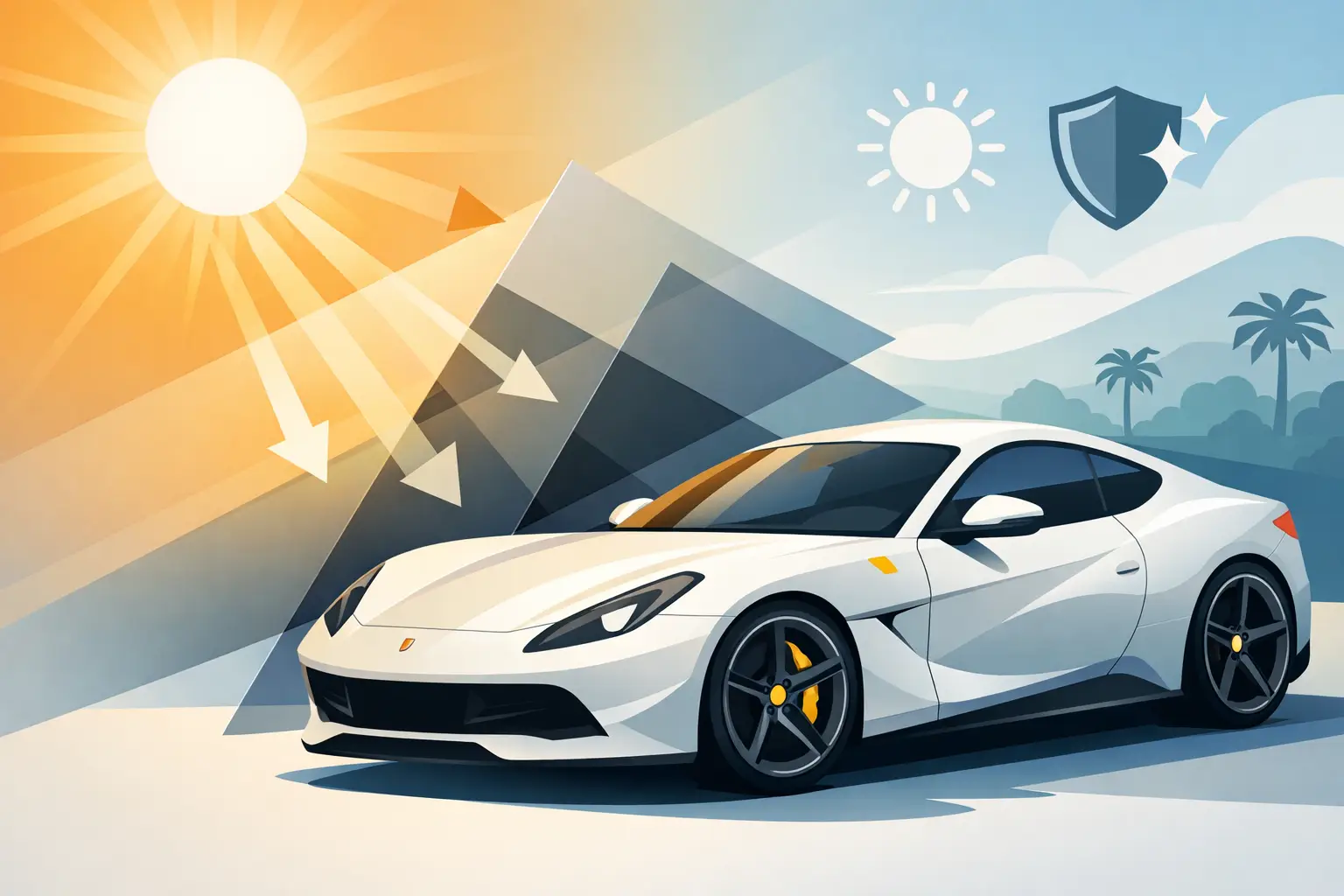
Ultraviolet rays contribute to material damage and skin exposure. Infrared energy is a major contributor to the heat you feel on your arm, face, and cabin surfaces. Visible light is what determines how bright or dark the window appears. A sophisticated window film manages these elements independently.
Ceramic films are prized because they can reject substantial infrared heat while maintaining a lighter, factory-appropriate appearance. This is useful for drivers who want a more comfortable cabin without making the glass excessively dark. It is also a strong fit for vehicles with black leather, Alcantara, carbon fiber, piano-black trim, or other materials that show heat-related wear over time.
A darker shade can improve privacy and reduce glare, but it does not automatically mean better heat rejection. Film construction matters more than color alone. When comparing options, ask about UV rejection, infrared rejection, total solar energy rejection, and visible light transmission. Each measurement answers a different ownership question.
What Factory Glass Already Blocks
Most modern windshields are laminated, meaning two layers of glass are bonded around a protective interlayer. Laminated windshields typically offer meaningful UV filtration, especially compared with untreated side glass. That is one reason your windshield may already provide more UV protection than you expect.
Side windows and rear glass are often tempered rather than laminated. Their inherent UV performance varies by manufacturer, model year, glazing package, and factory privacy treatment. Privacy glass, common on SUVs and luxury vehicles, may look dark from the outside but is not necessarily equivalent to premium window film for UV or infrared rejection.
This is where a vehicle-specific assessment matters. The correct tint strategy for a Porsche, BMW, Mercedes-Benz, Range Rover, Tesla, or collector vehicle should account for the glass configuration, cabin materials, electronics, and the owner's priorities. A driver focused on preserving a light-colored leather interior may choose a different film than an owner building a more private, heat-managed executive SUV.
The Windshield Question Requires More Care
The windshield is the largest piece of glass in front of the driver and the most important for visibility. It is also governed by stricter tint regulations than rear and side windows.
Clear protective films and select nearly transparent window films can provide UV and heat-management benefits while preserving an open driving experience. However, any windshield treatment should be selected with careful attention to California requirements, visibility, nighttime driving, and the vehicle's advanced driver-assistance systems.
Cameras, sensors, heads-up displays, and heated or acoustic windshields add complexity. The wrong product or installation technique can create distortion, interfere with a sensor area, or compromise the visual precision expected from premium glass. A professional installer should inspect these details before recommending a windshield solution.
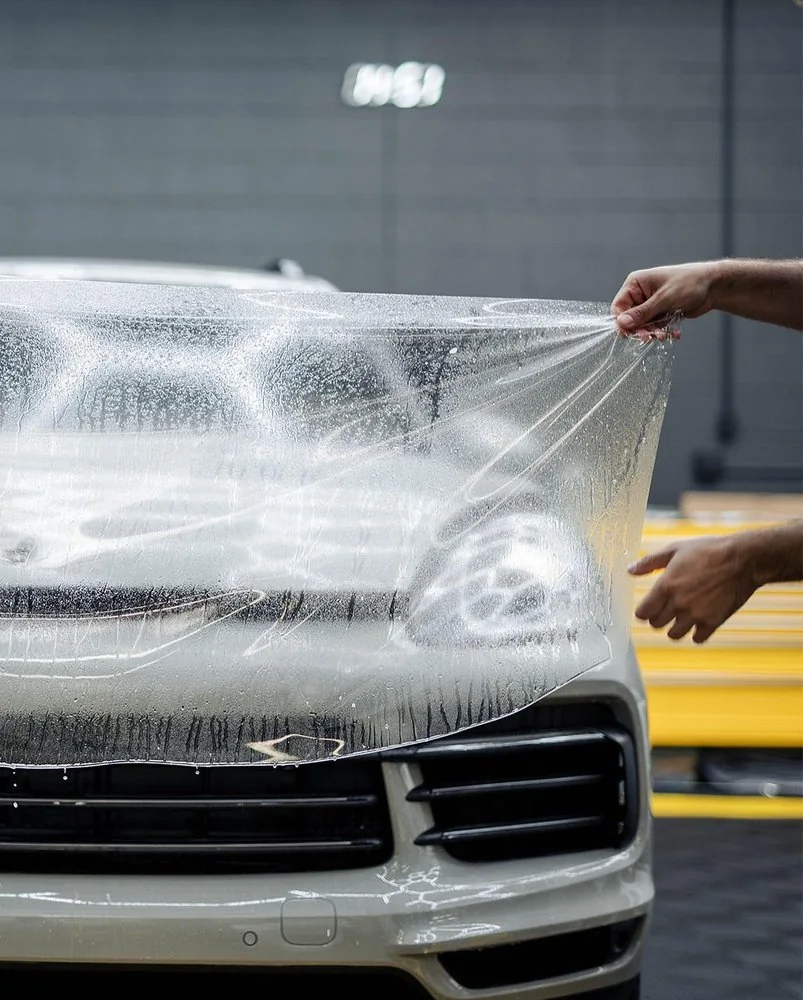
Window tint should also not be confused with windshield protection film. Tint is primarily chosen for solar control, UV reduction, appearance, and privacy. Windshield protection film is designed to help defend the exterior glass surface from road debris, pitting, and minor impacts. For Bay Area drivers who spend time on Highway 101, I-280, or mountain roads, the two services can complement one another, but they solve different problems.
Protecting the Interior You Paid For
UV exposure is cumulative. You may not notice its effects after a few drives, but years of parked commutes, weekend coastal trips, and sunny highway miles can slowly change the appearance and feel of interior materials.
Leather can lose suppleness, stitching can fade, wood veneers can shift in tone, and plastics can become dry or brittle. Screens, instrument panels, and delicate trim pieces are also exposed to repeated solar load. Even a meticulously detailed vehicle can show premature aging if the cabin spends enough time in direct sunlight without protection.
Window film reduces that exposure without asking you to compromise the character of the car. It can preserve a more consistent cabin temperature, lessen glare across displays, and make long drives more comfortable for occupants. For a vehicle intended to retain its condition, resale appeal, or collector-grade presentation, those benefits are practical rather than cosmetic.
Of course, tint is one layer of a complete preservation plan. Parking in covered areas when possible, using a windshield sunshade, maintaining interior surfaces with appropriate products, and considering secure climate-conscious storage all help protect a vehicle over the long term.
Choosing the Right Tint Shade and Technology
The best tint is rarely the darkest available option. It is the film that meets your priorities while remaining legal, visually refined, and appropriate for how you drive.
For many premium vehicles, ceramic tint offers the most balanced result. It provides strong UV filtering and heat rejection, does not rely on metal particles that may affect radio, GPS, cellular, or keyless-entry signals, and is available in a range of shades. A lighter ceramic film can be an excellent option for drivers who want protection and comfort with a subtle, OEM-plus appearance.
The installation itself deserves equal attention. Precision cutting, clean glass preparation, proper edge finishing, and careful work around defroster lines, sensors, and complex window seals separate a lasting installation from one that becomes a distraction. Bubbles, contamination, lifting edges, or inconsistent coverage have no place on a vehicle built to exacting standards.
California tint law also needs to be part of the conversation. Requirements can depend on the window location and visible light transmission, particularly for the front side windows and windshield. A knowledgeable shop can help you select an option that aligns with your goals while respecting applicable regulations. It is worth addressing this before installation, rather than discovering a visibility or compliance issue later.
A Better Standard for Solar Protection
The right window film should disappear into the ownership experience. You notice it when the cabin is more composed after a long afternoon outside, when your interior retains its finish, and when harsh glare no longer competes with the road ahead.
At Artec Automotive, tint recommendations are tailored to the vehicle and the driver, because a daily-driven luxury sedan, an exotic weekend car, and a family performance SUV each deserve a different level of consideration. Choose the film for what it protects, not merely for how dark it looks.