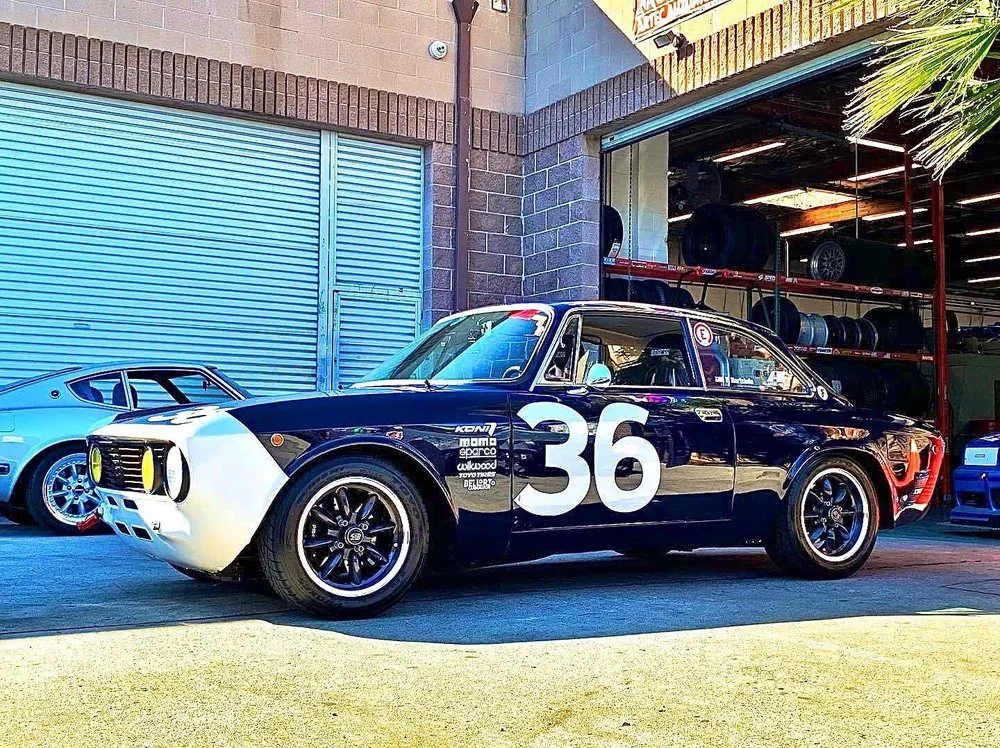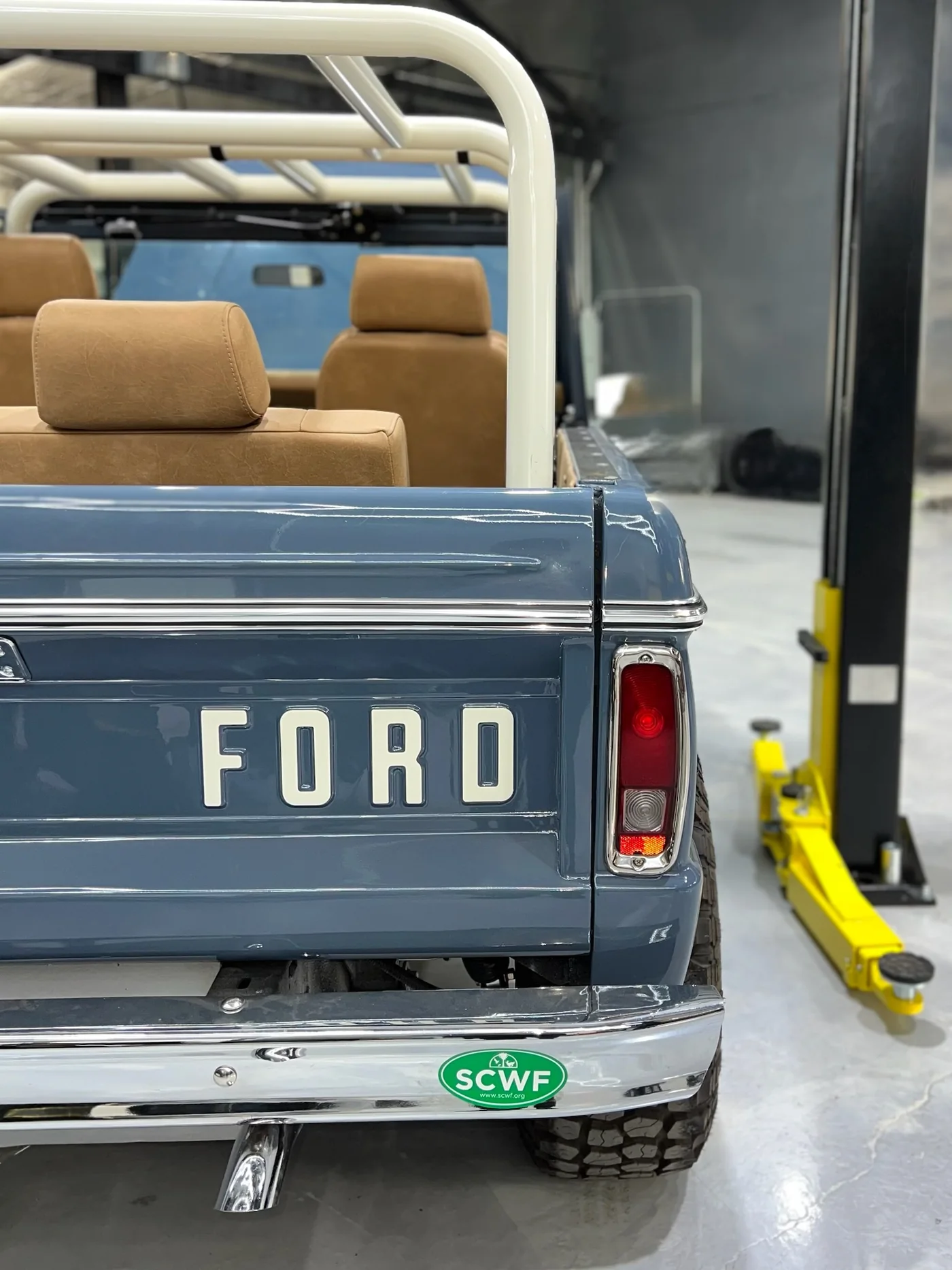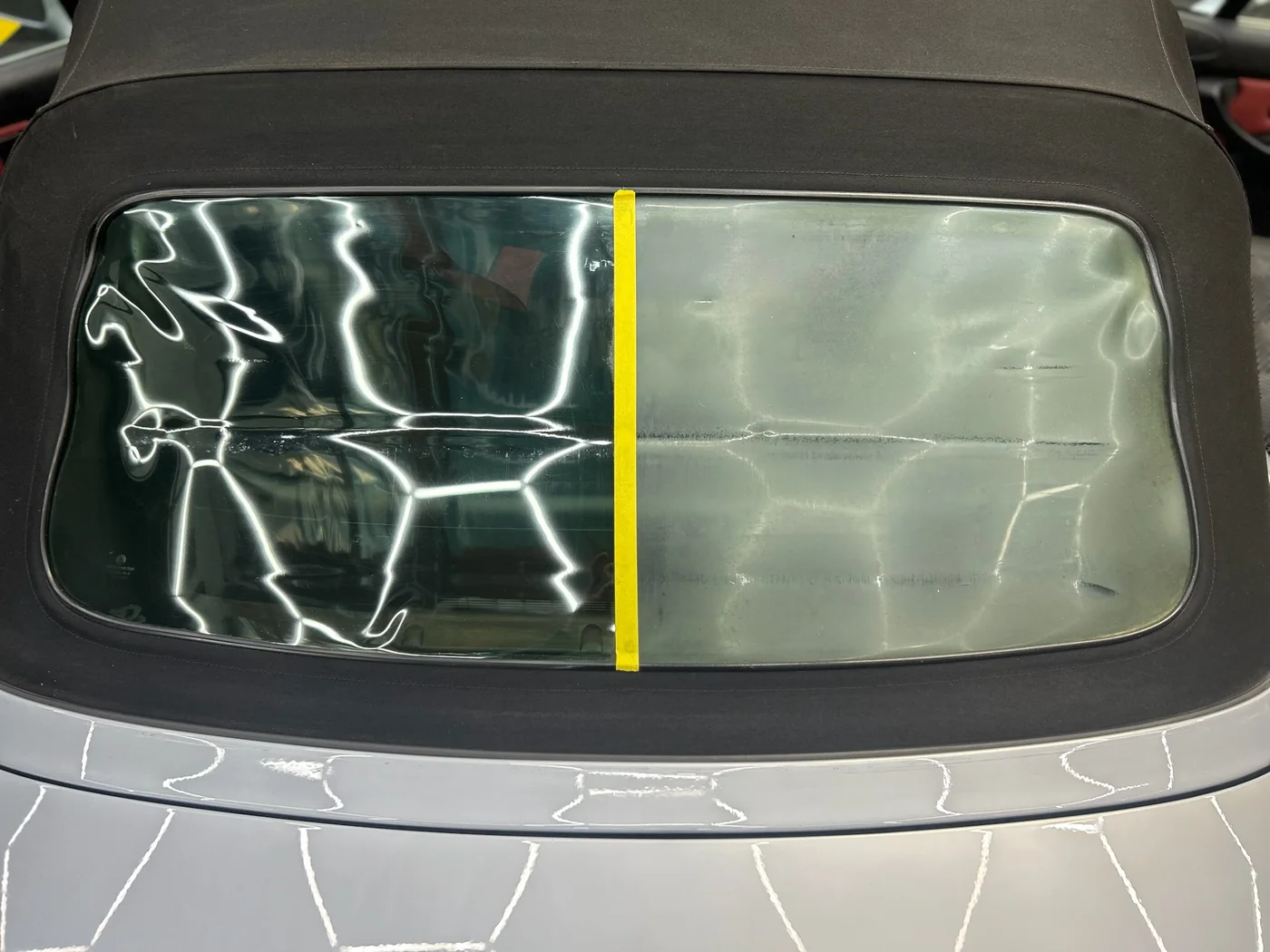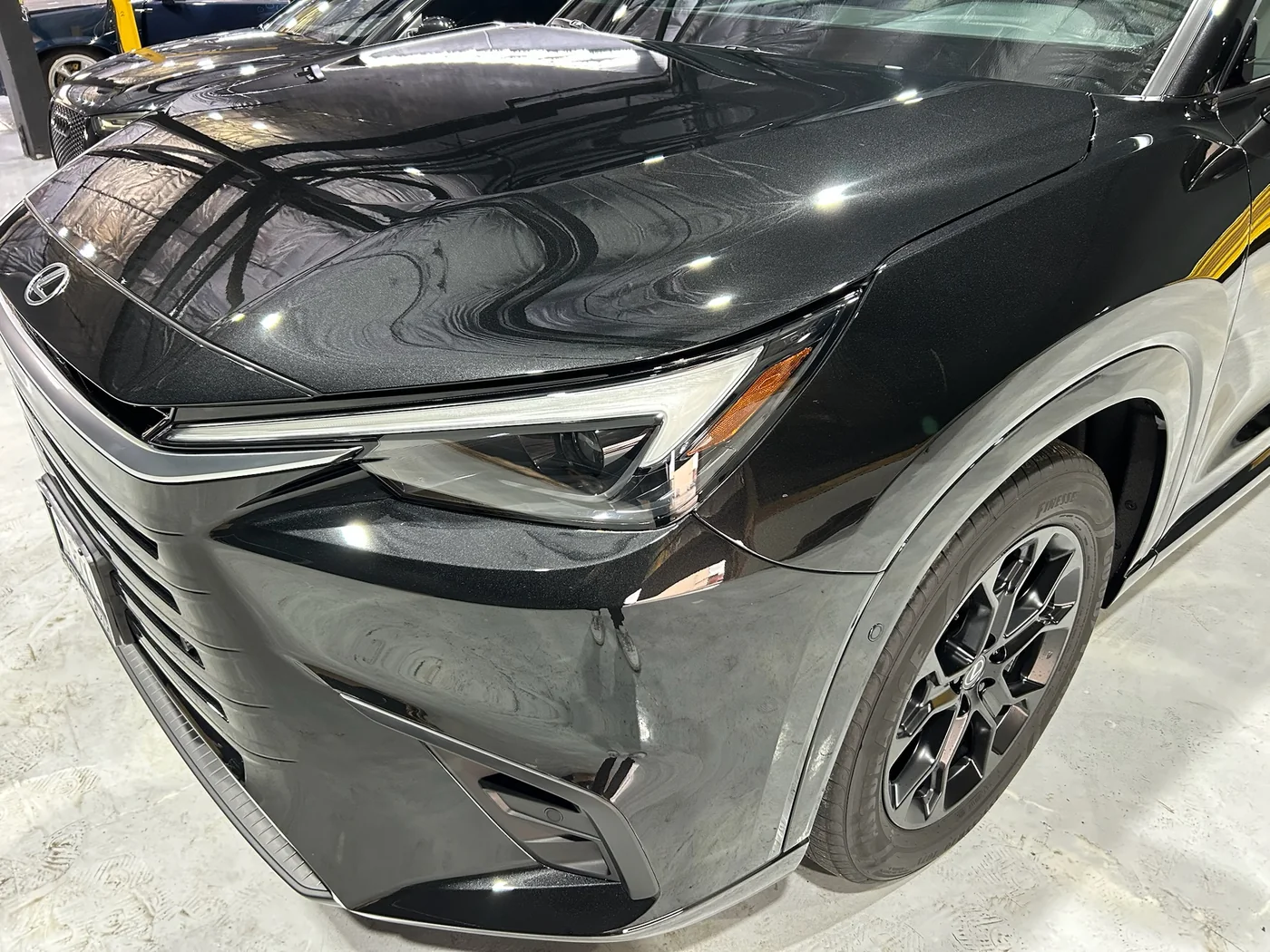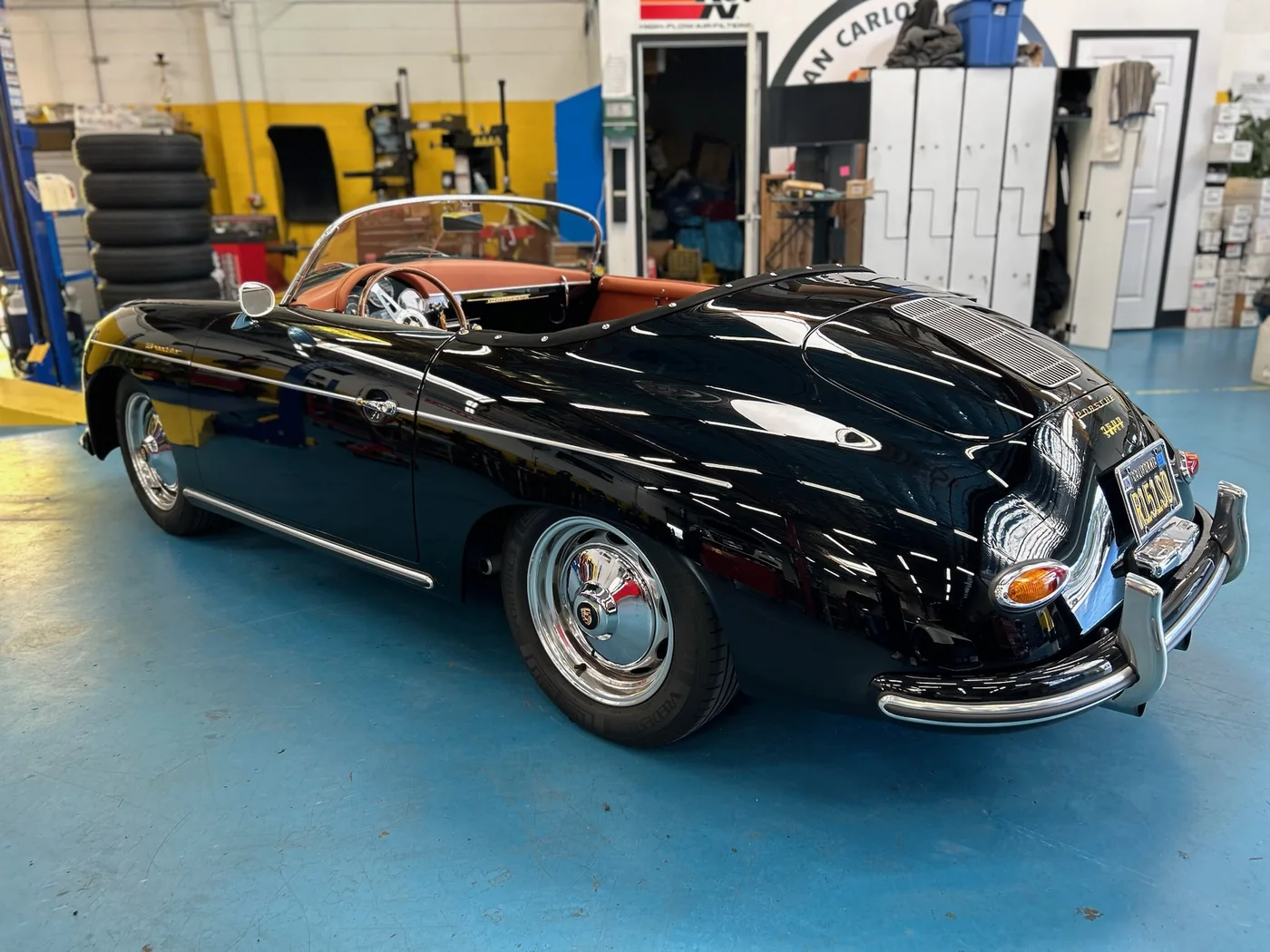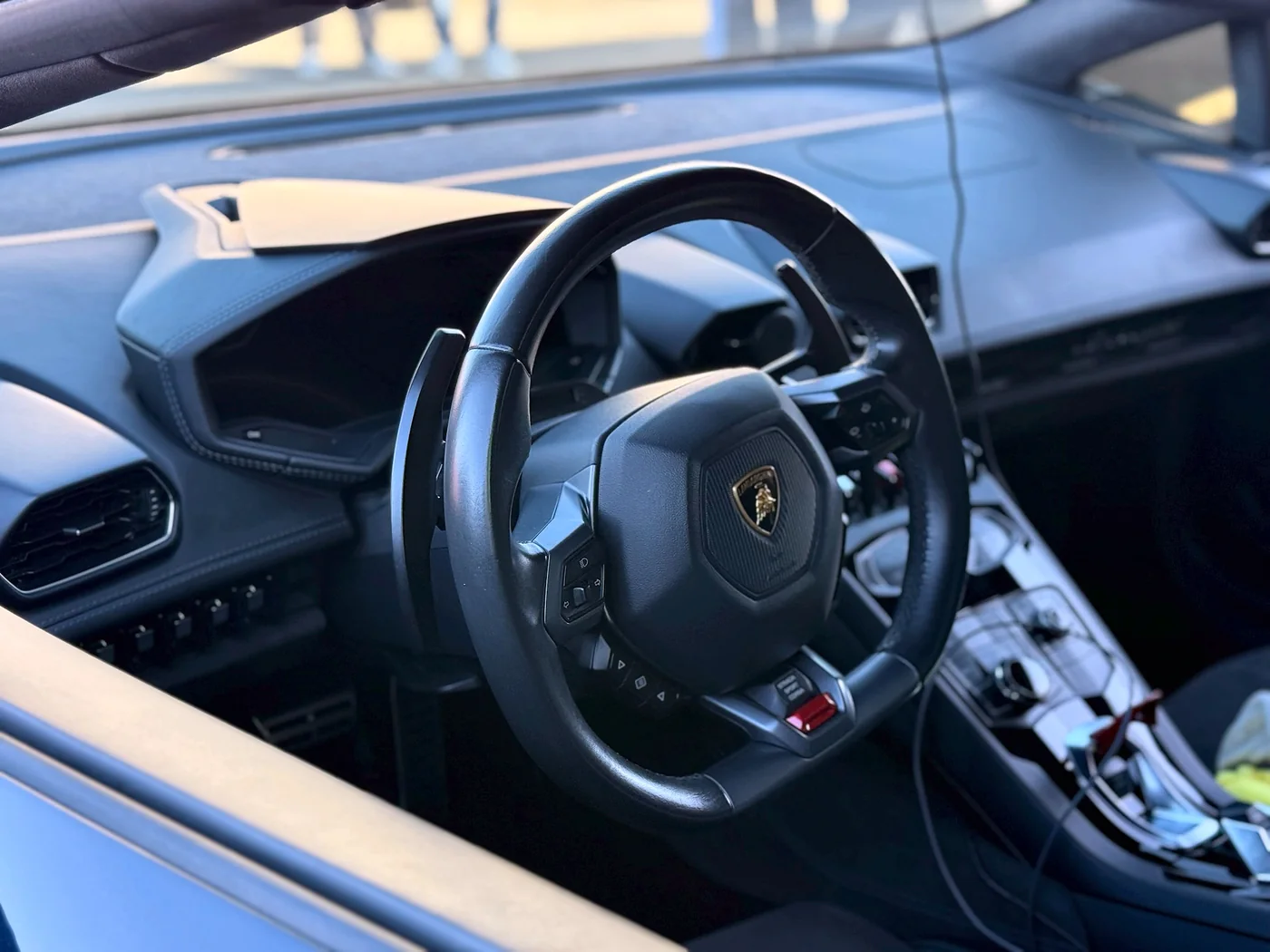

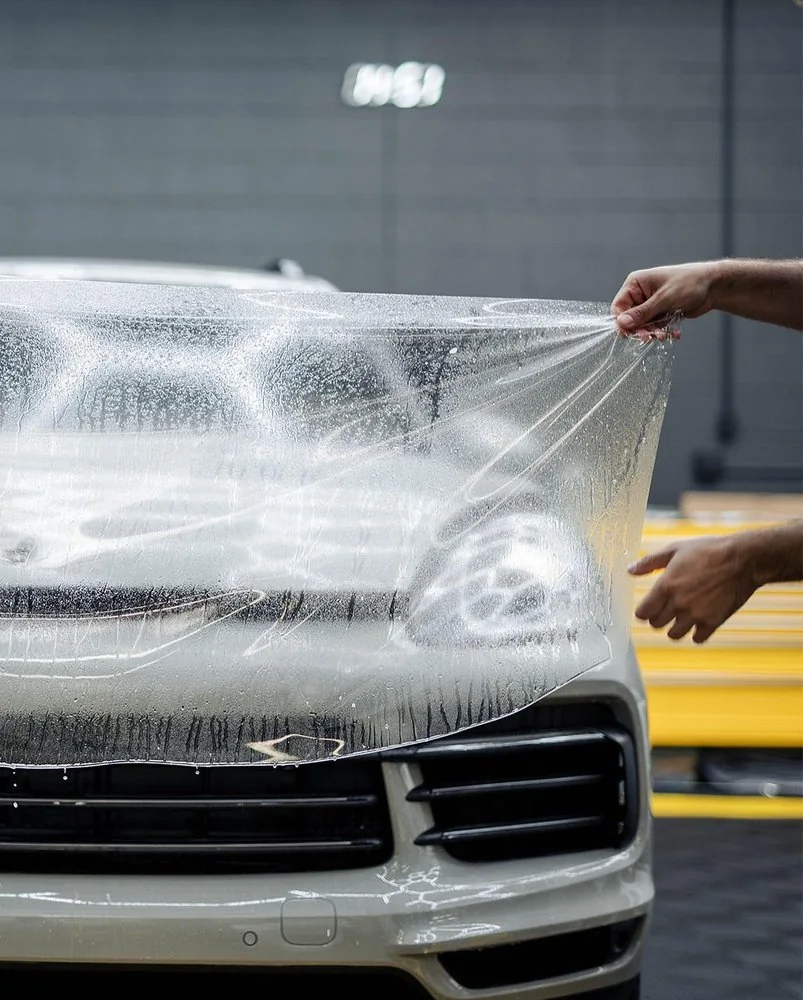

A pristine front end tells a story before a prospective buyer starts the engine. On a Bay Area freeway, that story is often written in rock chips, road rash, and sun-worn paint. So, does PPF affect resale? For most premium, exotic, and performance vehicles, professionally installed paint protection film can support resale value by preserving the original finish and giving the next owner confidence in the car’s condition. The value is not automatic, however. Film quality, installation standards, documentation, age, and removal all shape how a buyer sees it.
Does PPF Affect Resale Value?
PPF generally has a positive effect on resale when it has done its job quietly: the film is clean, clear, properly fitted, and protecting exceptional factory paint underneath. It is not typically a dollar-for-dollar return on the original installation cost. A buyer may not pay the full price of a full-front or full-body package on top of market value. Instead, PPF helps protect the condition that commands a stronger asking price and makes the vehicle easier to sell.
That distinction matters. A protected Porsche, BMW M car, Mercedes-AMG, Ferrari, or Range Rover may present with fewer chips across the bumper, hood, fenders, mirrors, rocker panels, and rear arches. Those are the areas buyers inspect closely because repainting them correctly can be expensive, time-consuming, and difficult to match perfectly. Original paint in outstanding condition is often more compelling than a recent cosmetic repaint, particularly for discerning buyers and collectors.
PPF also gives a seller a credible answer to a common concern: how was the vehicle used? A car can have been driven and enjoyed without looking neglected. When the film has absorbed ordinary road damage, the underlying paint can retain the depth, gloss, and consistency that signals careful ownership.
Why Original Paint Carries Weight
Factory paint is part of a vehicle’s history. On late-model luxury vehicles, it affects visual appeal and buyer confidence. On limited-production, collector-oriented, and high-value vehicles, original panels and original paint can carry even more significance.
A buyer evaluating a used performance car is often looking beyond the odometer. They are checking panel gaps, paint consistency, bumper condition, the leading edge of the hood, and lower areas that take repeated abuse. Heavy chipping can suggest frequent highway use, track use, deferred care, or simply an owner who did not prioritize preservation. None of those conclusions is always fair, but resale decisions are emotional as well as analytical.
Quality PPF preserves the evidence that a vehicle was cared for. It can reduce the need for paint correction, spot repair, or repainting before sale. That helps the car present honestly. A buyer sees original paint protected from the environment rather than paint that has been cosmetically refreshed to hide its history.
For California owners, the benefit is especially practical. Daily driving can mean gravel from construction zones, dense freeway traffic, coastal salt air, harsh sun exposure, and tight urban parking. A tailored protection package is less about keeping a car unused and more about keeping its finish ready for the next chapter of ownership.
What Buyers Look for in a PPF-Protected Vehicle
Experienced buyers do not simply ask whether a vehicle has PPF. They assess the work. Clear, precise installation supports the vehicle’s premium presentation; visible shortcuts can do the opposite.
The strongest resale case usually includes high-quality, self-healing film installed with clean edges, careful panel preparation, and vehicle-specific coverage. Film should sit naturally on the panel, without trapped debris, lifted corners, excessive stretch marks, or obvious seams in prominent areas. On complex bumpers and carbon-fiber components, pattern accuracy and installer technique are especially visible.
Documentation helps as well. Retaining the invoice, film brand and coverage details, warranty information, and installation date gives a buyer useful context. It shows what was protected and establishes that the work was performed as a deliberate preservation measure, not as a last-minute attempt to conceal damage.
Clear communication is equally valuable when selling. Tell the buyer which panels are covered, when the film was installed, and whether any sections have been replaced. A knowledgeable buyer will appreciate straightforward records. A less technical buyer may simply appreciate learning that the paint beneath high-impact areas has been protected since early in the vehicle’s life.
Full-Body Coverage Versus High-Impact Coverage
A full-body installation often carries the strongest visual and practical appeal on an exotic, a matte-finish vehicle, or a vehicle with complex bodywork and high replacement costs. It provides broad protection and makes care more consistent across the entire exterior.
That said, a full-body package is not required for PPF to be worthwhile at resale. Full-front coverage, with protection on the bumper, hood, fenders, mirrors, and often rocker panels, is a highly sensible configuration for many luxury and performance vehicles. It targets the surfaces most likely to show road damage while keeping the investment focused.
The right level of coverage depends on the vehicle and how it is used. A low-mileage collector car may benefit from broad protection because every cosmetic detail matters. A daily-driven sport sedan may gain the most from a strategically designed high-impact package paired with regular detailing and paint-safe maintenance.
When PPF Can Raise Questions
PPF does not enhance resale simply because it exists. Poor installation can become a negotiation point. Yellowed film, staining, damaged edges, adhesive failure, and contamination around the film line make a vehicle look less cared for, even if the paint underneath is sound.
Older generations of film earned some of their mixed reputation because they could discolor or become difficult to remove over time. Modern premium films are far more advanced, with improved clarity, stain resistance, self-healing properties, and manufacturer-backed warranties. Still, no material is maintenance-free forever. Film exposed to years of sun, harsh chemicals, and neglected washing may need replacement before a sale.
Buyers may also be cautious if the film appears to hide accident repairs. PPF should never be used as a substitute for transparent disclosure. If a panel was repainted, repaired, or replaced, disclose that history and provide the relevant records. Film can protect repaired paint, but it should not be presented as proof that a vehicle has never had cosmetic work.
Matte and satin finishes deserve special attention. The correct film can protect the finish while preserving its intended appearance, but a mismatched gloss level or poorly selected product can alter the vehicle’s character. Premium vehicles reward precision. The film should complement the finish, not compete with it.
Removal Before Selling: Is It Worth It?
There is no universal rule that PPF must be removed before listing a vehicle. If the film is in excellent condition, installed professionally, and supported by documentation, leaving it in place can be a selling advantage. It lets the next owner benefit from the remaining protection and inspect a well-kept exterior.
Removal makes more sense when the film has reached the end of its useful life, has visible damage, or distracts from an otherwise exceptional vehicle. Done correctly, professional removal should reveal protected paint in excellent condition. Attempting to remove aged film without proper technique, heat control, and adhesive management can create unnecessary risk, particularly around repainted surfaces or delicate trim.
Before listing, have the vehicle evaluated honestly. Sometimes replacing a damaged bumper section of film or refreshing a few high-wear areas is all that is needed. In other cases, full removal and paint refinement will create the best presentation. The decision should be based on the condition of the film, the vehicle’s market position, and what a buyer at that price level expects to see.
PPF Is Part of a Larger Resale Strategy
Protection film works best as part of a consistent ownership standard. Clean paint beneath PPF will not offset worn leather, neglected wheels, cloudy headlights, overdue maintenance, or a thin service file. Premium buyers want a complete picture of care.
Keep installation records alongside maintenance invoices, inspection reports, and any detailing or coating documentation. Wash the vehicle with film-safe methods, address contamination promptly, and inspect vulnerable areas periodically. If the vehicle has ceramic or graphene protection over the film, maintain it according to the product and installer guidance rather than relying on the coating as a replacement for careful washing.
For modified vehicles, presentation becomes even more important. High-quality PPF can help reinforce that a build was executed with intent, particularly when paired with disciplined fabrication, proper service records, and tasteful component selection. Conversely, cosmetic protection cannot overcome modifications that limit the buyer pool or lack documentation.
The strongest result comes from making protection decisions early, before high-impact miles accumulate. Artec Automotive approaches PPF as a tailored preservation system, accounting for the vehicle’s paint, finish, driving pattern, and long-term ownership plan. Whether a vehicle stays in the collection for years or moves on to its next owner sooner than expected, the goal remains the same: let its condition speak clearly for itself.
A buyer may not reimburse every dollar spent on protection, but they will notice the difference between a car that has merely been driven and one that has been carefully preserved.