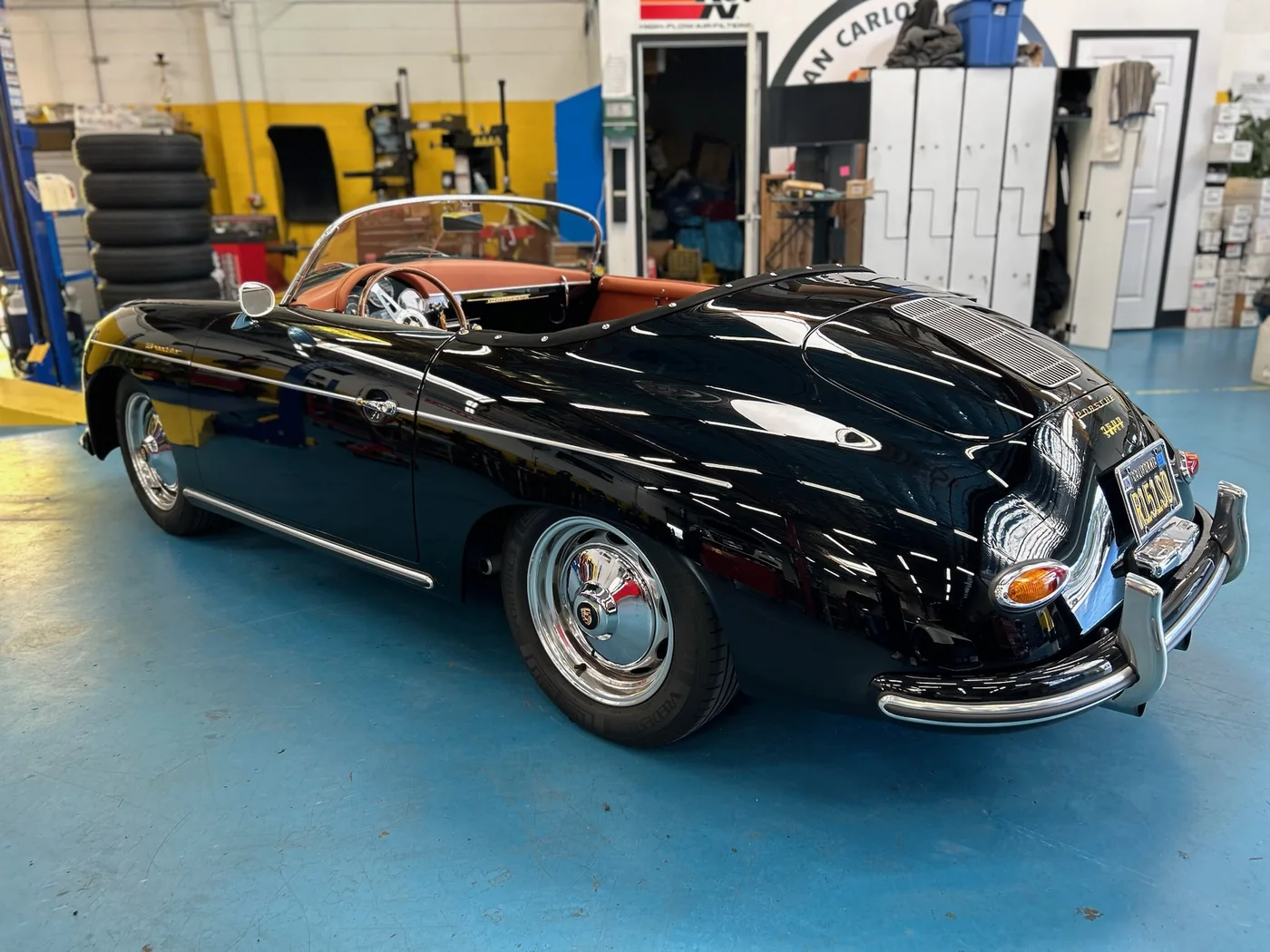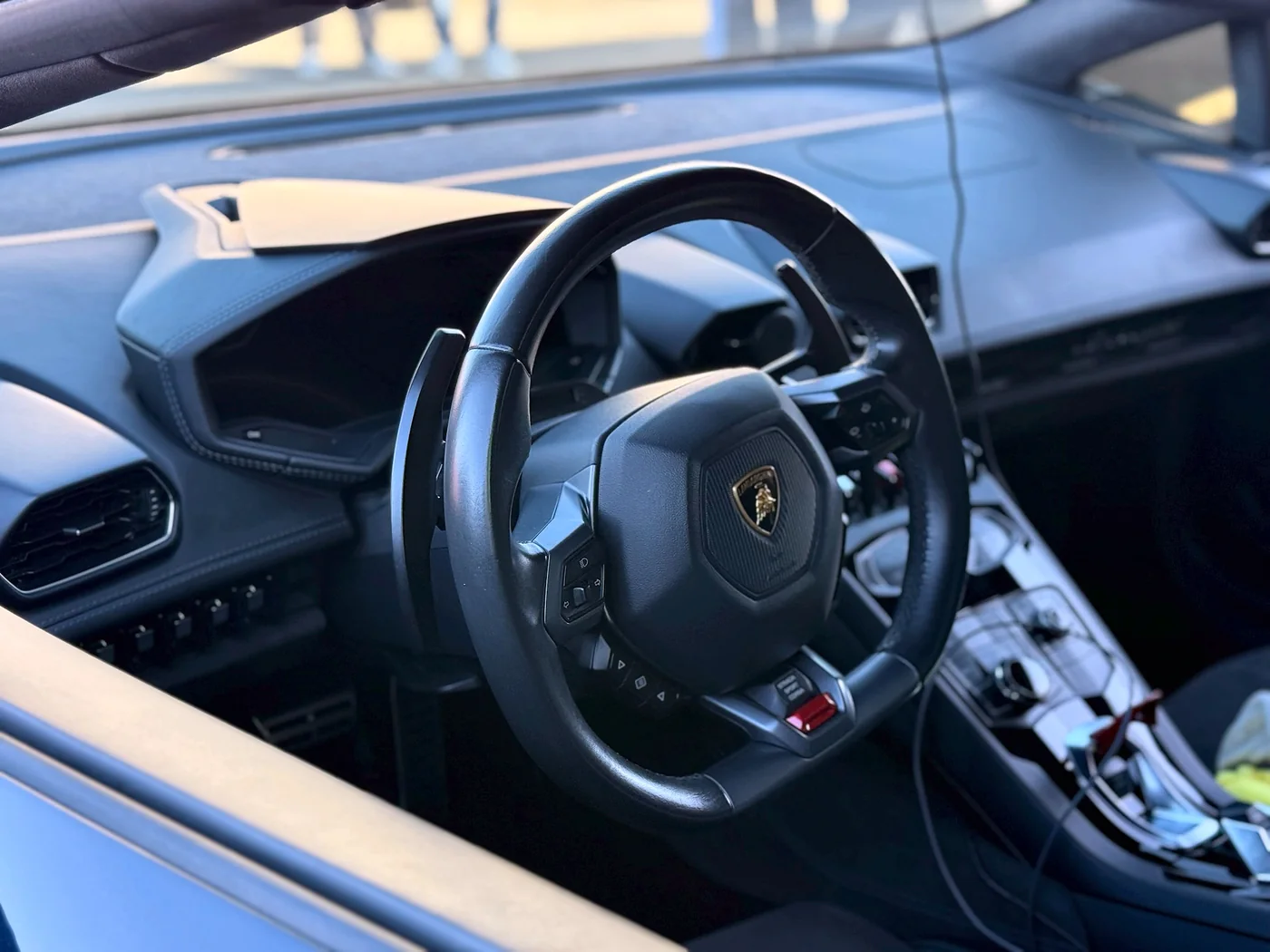

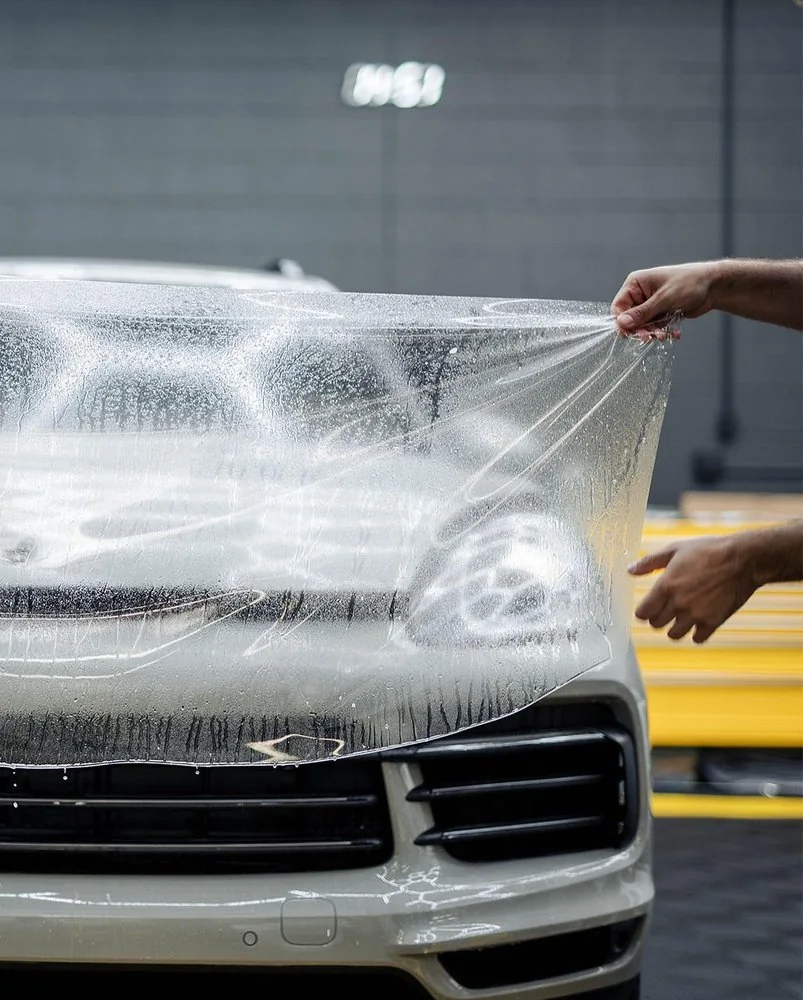
A black leather steering wheel left in Bay Area sun can become uncomfortable to touch long before the drive begins. So, do ceramic tints reduce heat in a meaningful way? Yes. A quality ceramic window film can noticeably lower the solar heat entering the cabin, reduce harsh glare, and protect interior materials from UV exposure. But the best result depends on more than the word “ceramic” on a film box.
For a premium vehicle, window tint is not simply a darker look. It is a carefully selected layer of thermal management and interior preservation. The film’s infrared performance, visible-light transmission, glass coverage, installation quality, and California tint regulations all shape what you will feel behind the wheel.
How Ceramic Tint Reduces Cabin Heat
Sunlight carries visible light, ultraviolet energy, and infrared energy. Infrared is the portion most associated with the radiant heat you feel on your skin and on cabin surfaces. Ceramic films use non-metallic, nano-ceramic particles engineered to reject a substantial amount of this infrared energy before it enters the vehicle.
That is why a properly selected ceramic film can make a car feel less punishing after it has been parked outside and more comfortable while driving in direct sun. The cabin will still warm up - vehicles have large glass areas, dark dashboards, heat-conducting body panels, and limited ventilation when parked. Ceramic tint does not turn a vehicle into a refrigerator. It reduces the solar load that the air conditioning system must overcome.
For owners of performance cars, luxury sedans, SUVs, and EVs, that difference matters. The climate-control system can reach a comfortable temperature with less strain, rear-seat passengers experience less direct radiant heat, and leather, Alcantara, carbon fiber, wood, and trim receive an additional layer of protection from the sun.
Do Ceramic Tints Reduce Heat Better Than Regular Tint?
Usually, yes. Dyed and basic carbon films can provide shade, privacy, and some heat reduction, but high-quality ceramic films are designed to deliver stronger infrared rejection at a range of shades. This is the critical advantage for owners who want a refined, factory-appropriate appearance without giving up meaningful heat performance.
A common misconception is that darker tint always means cooler glass. A darker film can reduce more visible light, which can make the cabin feel less bright and may help with comfort. Yet darkness alone does not define heat rejection. A lighter ceramic film can often reject more infrared energy than a much darker entry-level film.
The specifications worth discussing are total solar energy rejected, infrared rejection, ultraviolet rejection, and visible light transmission. Each describes a different aspect of performance. Total solar energy rejected, often called TSER, is especially useful because it reflects the film-and-glass system’s overall ability to reduce solar energy. Infrared rejection can be impressive on a specification sheet, but it should be considered alongside TSER and the exact measurement range used by the manufacturer.
Premium film selection is therefore less about choosing the darkest possible shade and more about matching the right film series and shade to the vehicle, the glass, and the owner’s priorities.
Shade Still Changes the Experience
A 70% ceramic film is very light and often selected for windshields where permitted, or for owners who value maximum visibility and a nearly invisible finish. It can still offer substantial UV and infrared performance.
A 35% or 20% ceramic film creates a more pronounced appearance, reduces glare further, and offers greater daytime privacy. For many Bay Area owners, this is where aesthetics, comfort, and visibility find a balanced middle ground. The appropriate choice depends on the vehicle, driving habits, and legal requirements.
Very dark film may suit a particular look or provide greater privacy, but it can reduce nighttime visibility. That trade-off deserves serious consideration on roads with poor lighting, during rain, or in areas where cyclists and pedestrians are common. The best installation is not merely dramatic. It is precise, lawful, and appropriate for how the vehicle is actually driven.
What Ceramic Tint Can and Cannot Do
Ceramic window film is highly effective at reducing solar heat through the side and rear glass. It also blocks virtually all UV radiation with reputable premium films, helping limit fading, discoloration, and premature wear in the cabin. In a convertible, a grand touring coupe, or a high-glass SUV, this protection is particularly valuable because the interior is such a visible part of the ownership experience.
It cannot eliminate every source of heat. Heat can transfer through untreated glass, the roof, doors, floorpan, and windshield areas that may have different film restrictions. A panoramic roof can be a major heat source, especially on darker-colored vehicles. The same is true of a windshield, which occupies a large visual and thermal area but must remain clear and compliant with applicable law.
Ceramic tint also does not replace a functioning climate-control system, a quality windshield sunshade, or sensible parking choices. When a vehicle sits sealed in full sun for hours, the interior will still become hot. The benefit is that the temperature rise is moderated and the cabin begins from a more manageable point once the air conditioning is engaged.
Why Installation Quality Matters as Much as Film Technology
On a premium vehicle, the difference between acceptable tint and exceptional tint is visible at the edges, around dot matrix areas, near sensors, and in the way each window operates after installation. Modern vehicles add complexity through laminated glass, acoustic glass, frameless windows, advanced driver-assistance cameras, defroster lines, and tight door-panel tolerances.
A professional installer evaluates the glass before recommending a film. They account for factory tint, existing privacy glass, windshield sensors, antenna locations, and the way a chosen shade will appear against the vehicle’s paint, interior, and trim. The goal is an installation that looks intentional rather than applied.
Clean preparation is equally important. Dust, debris, fingerprints, poor edge work, and unnecessary trimming can compromise the finish. Some minor moisture haze or small water pockets can be normal while a fresh installation cures, particularly in cooler or humid conditions. A seasoned installer will explain what is expected during curing and what should be inspected afterward.
Ceramic films are also non-metallic. That can be an advantage for vehicles that rely heavily on GPS, mobile reception, radio, keyless entry, and other wireless systems. While every vehicle and film construction differs, ceramic technology is generally preferred when owners want high heat performance without the signal-interference concerns associated with certain metallic films.
California Compliance and Windshield Considerations
Heat rejection does not excuse noncompliant tint. California rules governing front side windows, windshield applications, reflectivity, and medical exemptions should be part of the consultation from the start. Regulations can be nuanced, and vehicle owners should verify the requirements that apply to their specific setup.
For many vehicles, the rear side and rear windows provide the greatest flexibility for shade, while the front windows and windshield require more careful treatment. A lighter, high-performing ceramic option may provide the comfort and UV benefits an owner wants while preserving outward visibility and a refined visual balance.
Windshield film is a separate discussion. A virtually clear ceramic windshield film, where legally permitted, can be one of the most effective ways to reduce radiant heat because the windshield is such a large source of solar gain. Yet this application requires exact material selection and a clear understanding of local law, sensor placement, and visibility expectations.
Selecting Ceramic Tint for Your Vehicle
The right recommendation begins with how and where the vehicle is used. A daily-driven European sedan that crosses the Peninsula at midday has different needs than a weekend exotic, a family SUV with a panoramic roof, or a collector car kept in secure storage and brought out for special occasions.
Consider the look you want, but start with comfort and visibility. Determine whether the priority is heat reduction, glare control, daytime privacy, interior preservation, or a combination of all four. Then compare film performance at the shades that are appropriate for the intended windows. A high-quality ceramic film can make a light shade perform far beyond what its subtle appearance suggests.
At Artec Automotive, a tailored tint consultation should respect both the engineering and the visual character of the vehicle. The best result is a finish that feels factory-level in execution while making every mile more comfortable. When the sun is on the glass, the value of ceramic tint is not just a cooler cabin - it is the confidence that your interior, visibility, and driving experience were considered as one system.