
A warning light on a European performance car is rarely just a warning light. It may point to a sensor, a software issue, a cooling-system concern, or a fault that only appears under load. That is why the dealership versus specialist repair decision deserves more thought than simply choosing the closest appointment. The right facility can protect your vehicle’s reliability, driving character, and long-term value. The wrong one can turn a focused repair into a costly cycle of parts replacement and repeat visits.
For Bay Area owners of BMW, Porsche, Mercedes-Benz, Audi, Land Rover, Ferrari, McLaren, and other premium vehicles, the answer is not that one option always wins. Dealerships and independent specialists serve different purposes. The intelligent choice comes down to the vehicle, the issue, warranty status, and the level of care the work requires.
What a Dealership Does Well
A franchised dealership is built around a specific manufacturer. Its technicians have access to factory service information, brand-specific diagnostic platforms, technical bulletins, software updates, and original equipment parts channels. For a newer vehicle with an active factory warranty, this can be a meaningful advantage.
Warranty repairs, safety recalls, and certain emissions-related campaigns generally belong at the dealership. If a manufacturer has issued a repair procedure or software calibration for a known concern, the dealer can document the work directly in the brand’s system. That paper trail matters when a vehicle is leased, when coverage depends on factory authorization, or when a future goodwill claim may be needed.
Dealerships can also be the appropriate choice when a repair requires a manufacturer-controlled procedure. Modern vehicles increasingly rely on encrypted modules, online programming, calibration routines, and security access that may be limited to the factory network. A late-model vehicle with a complex infotainment, hybrid, or advanced driver-assistance issue may benefit from that direct connection.
There is another practical advantage: consistency of process. A large dealership typically has defined inspection steps, manufacturer parts availability, loaner policies, and repair documentation. For an owner who wants factory service from a single brand ecosystem, that structure can be reassuring.
Where the Dealership Model Can Fall Short
Factory access does not automatically equal a better ownership experience. Dealership service departments are designed to manage high volume across a broad range of vehicles, from routine maintenance commuters to high-specification enthusiast cars. The experience, communication, and technician assignment can vary considerably.
A dealership may follow a prescribed repair path even when a seasoned specialist can identify a more precise cause. That is not a criticism of factory procedures. It reflects the reality that warranty operations, flat-rate labor structures, and time targets often favor standardized solutions. On an aging European vehicle, a factory replacement recommendation may solve the immediate fault without addressing the heat damage, worn connector, vacuum leak, oil contamination, or installation issue that caused it.
The dealership also may not be the natural home for modifications, custom fabrication, paint preservation, bespoke detailing, or performance-oriented planning. An owner with a lowered Porsche, modified BMW M car, collector Mercedes, or track-focused Audi needs a team that understands how every change interacts with the vehicle as a whole. A generic inspection checklist is not enough.
Why Specialist Repair Earns Its Place
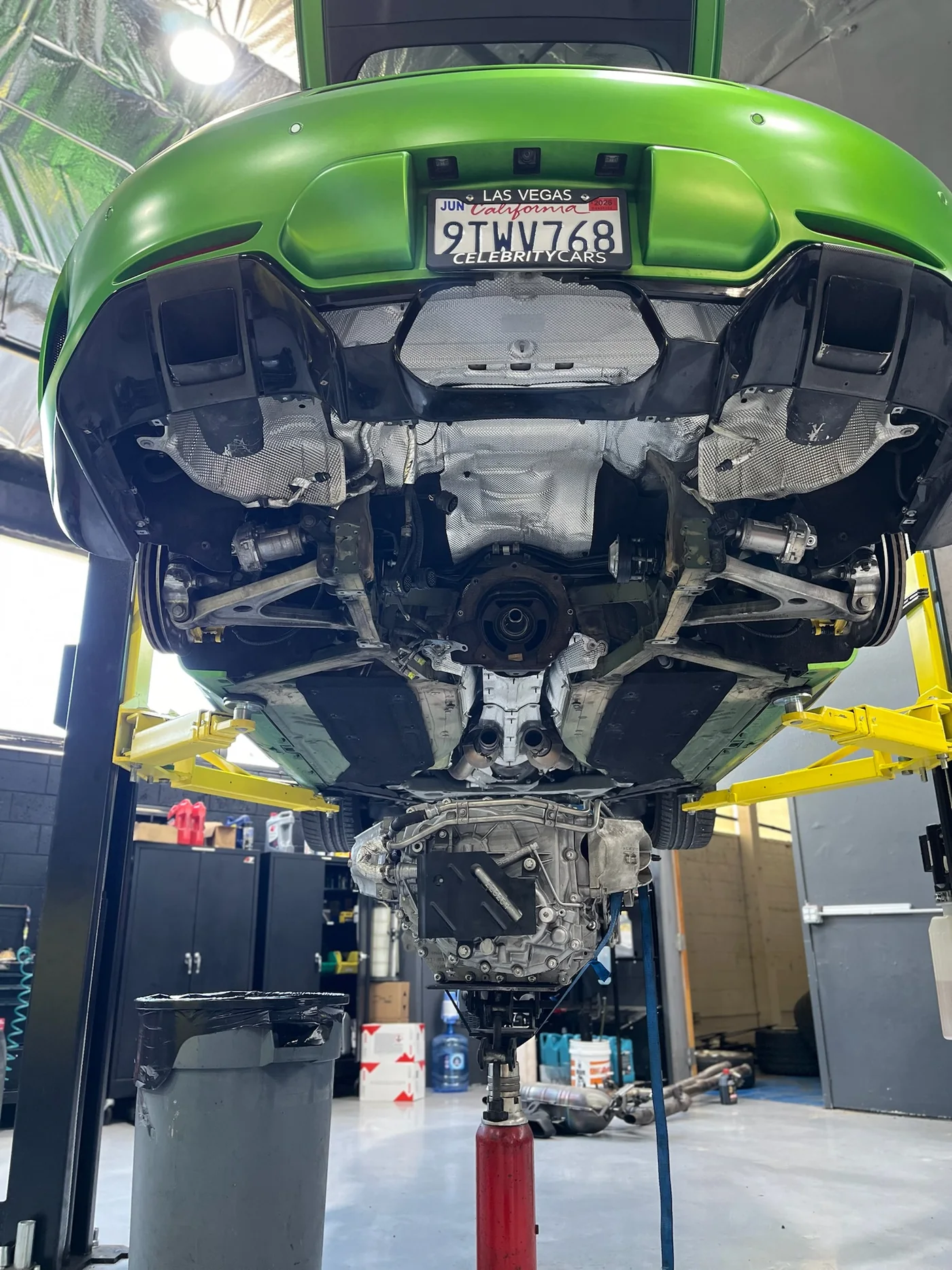
A true specialist repair facility focuses on the engineering patterns, common failure points, and ownership realities of specific makes or vehicle categories. That depth is earned through repetition. Technicians who work on European and performance vehicles every day learn what a fault code means in context, not just what it says on a scan tool.
This can make diagnosis more efficient and repairs more thoughtful. Rather than replacing an expensive assembly at the first sign of trouble, a specialist may inspect related systems, test the component under the conditions where the problem occurs, and distinguish between the failed part and the source of the failure. That level of diagnosis is especially valuable on vehicles that are out of warranty, modified, driven enthusiastically, or maintained for long-term ownership.
Specialists also tend to offer a more tailored conversation. The owner of a ten-year-old Porsche 911 may want a repair plan that prioritizes preventative work while access is open. The owner of a leased Mercedes may reasonably want only what is necessary to keep the vehicle factory-correct. Neither approach is wrong. A knowledgeable specialist can help define the right scope instead of treating every car the same.
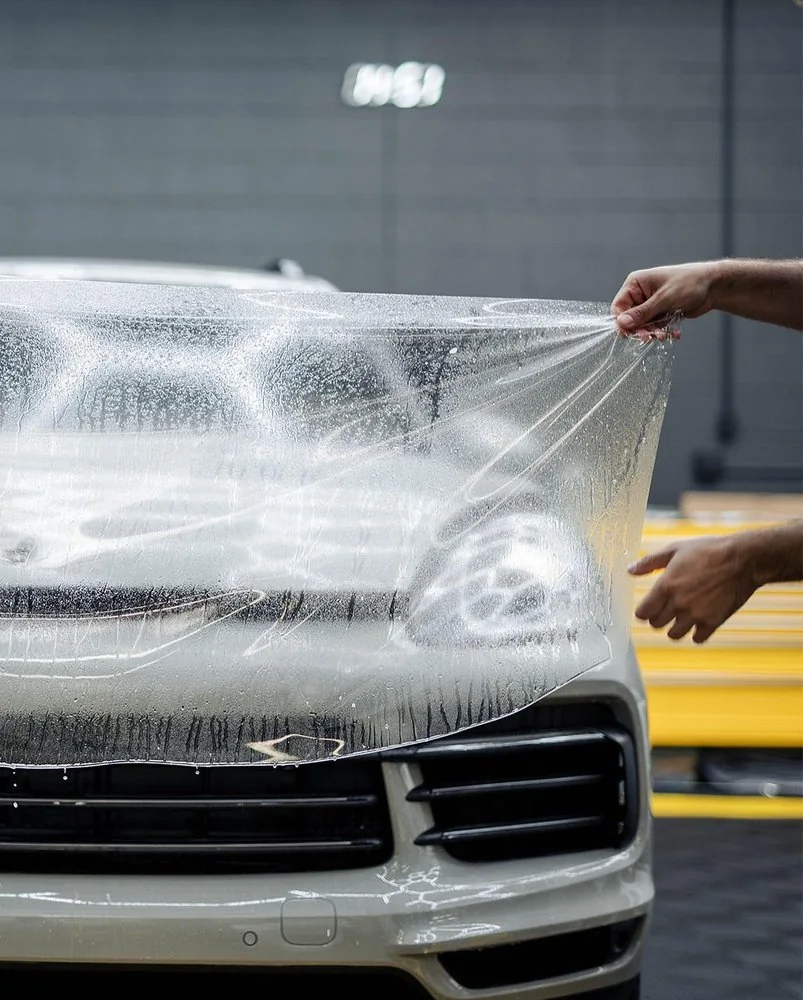
For premium vehicles, the surrounding care matters as much as the mechanical repair. Proper battery maintenance, clean interior protection, safe lifting points, careful wheel handling, and respect for paintwork are not cosmetic extras. They are part of disciplined vehicle stewardship. At a comprehensive facility such as Artec Automotive, mechanical service can also be considered alongside detailing, paint protection film, window tint, coatings, fabrication, and secure storage. That creates a more complete view of the vehicle’s condition and future needs.
Dealership Versus Specialist Repair: The Key Questions
The decision becomes clearer when you move beyond price. Ask whether the work is warranty- or recall-related, whether the facility has proven experience with your exact platform, and whether the proposed repair explains the diagnosis rather than simply listing recommended parts.
Is Your Vehicle Still Under Factory Warranty?
If the concern is covered by the original warranty, a dealer visit is often the cleanest path. The same applies to recalls and manufacturer service campaigns. Keep in mind, however, that routine maintenance does not always need to be performed at a dealership to preserve warranty coverage. Independent shops can service a vehicle using the correct parts and procedures, provided records are retained. For specific warranty questions, review your coverage terms and discuss the situation with the service provider before authorizing work.
Is the Problem Routine or Highly Vehicle-Specific?
An oil service, brake replacement, tire concern, or battery issue may be handled well by either facility if the shop has the proper equipment and experience. Complex intermittent faults are different. Cooling-system issues, electrical diagnosis, suspension calibration, drivability concerns, engine oil leaks, and transmission behavior demand platform familiarity.
The key is not the sign above the door. It is whether the technicians can explain their testing process, recognize the vehicle’s known patterns, and perform the repair without compromising adjacent systems.
Are You Maintaining, Restoring, or Building the Car?
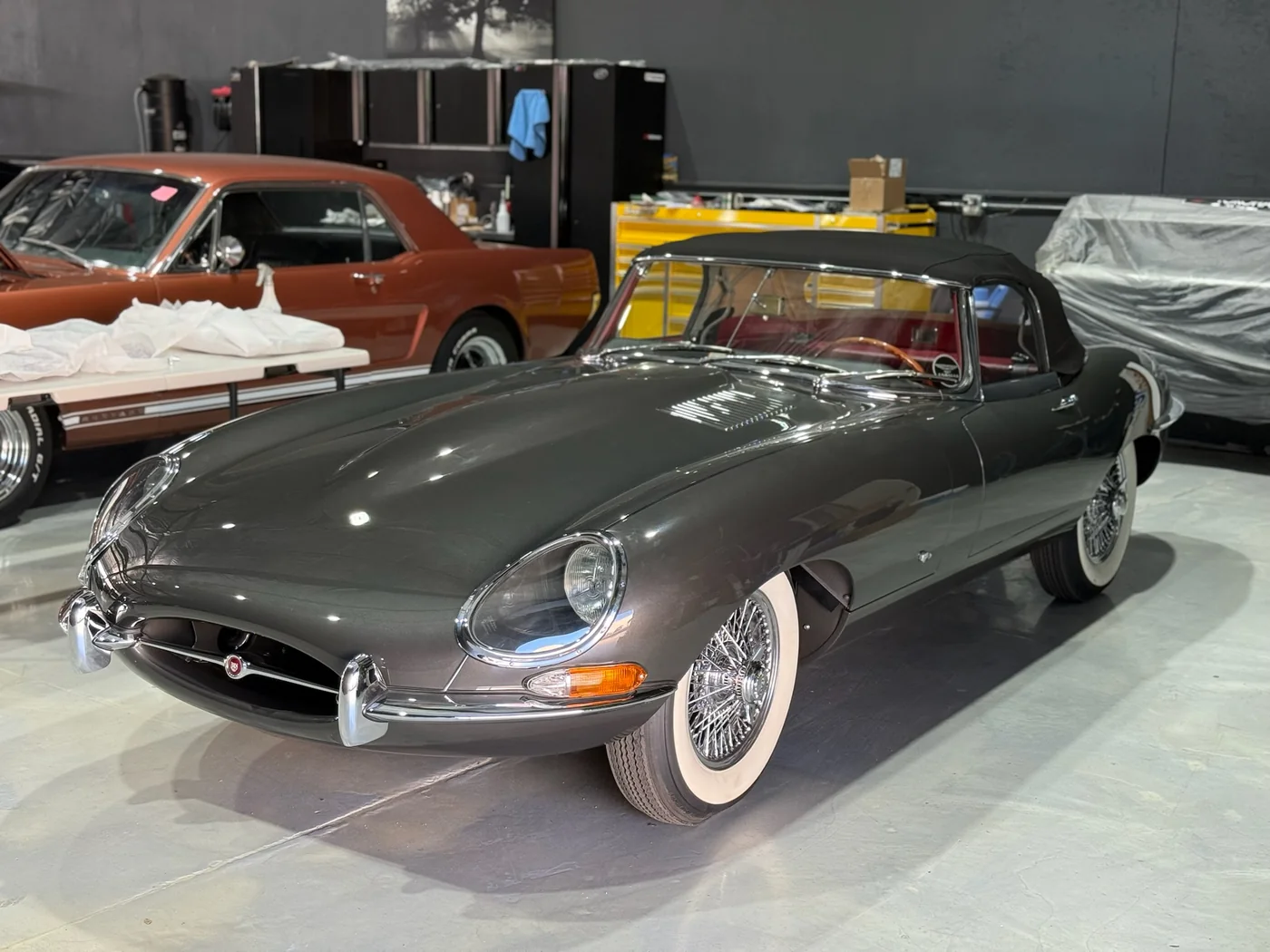
A dealership is generally optimized to return a vehicle to factory specification. A specialist can be better positioned when the goal extends beyond standard service. That includes preventative maintenance on a collector vehicle, a street-and-track alignment, upgraded brakes, custom exhaust work, suspension setup, restoration-sensitive repairs, or fabrication for a unique build.
Owners should be transparent about prior modifications. Software tuning, aftermarket downpipes, suspension components, non-OE wheels, and electrical accessories can change diagnostic paths. A specialist who welcomes that conversation can avoid assumptions and build a repair plan around the car as it actually exists.
Cost Is About More Than the Labor Rate
Dealership labor rates are often higher, particularly in major metropolitan markets, but the final invoice is not determined by hourly rate alone. Diagnostic accuracy, parts selection, labor overlap, and the likelihood of completing the repair correctly the first time have greater impact on total cost.
A specialist may offer options between original equipment, OEM-supplier, and carefully vetted aftermarket components where appropriate. That flexibility can be valuable on an out-of-warranty vehicle, but it should never become an excuse for inferior parts. On safety-critical systems, complex electronics, and high-performance applications, the right component specification matters more than a lower line item.
Ask for an estimate that separates diagnosis, required repairs, preventative recommendations, and elective improvements. Clear prioritization gives you control. It also lets you make sensible decisions when a vehicle needs substantial work without treating every observation as urgent.
Documentation Protects Resale Value
Luxury and enthusiast buyers look closely at service history. Complete records from either a dealership or respected specialist can support resale confidence, especially when invoices describe the work performed, parts used, mileage, and inspection findings.
For collector and performance vehicles, a detailed specialist history can be particularly compelling. It shows that the car was maintained by people who understand its platform rather than processed as a routine service ticket. Keep digital copies of every invoice, alignments, inspection reports, paintwork documentation, and records for protection-film or coating installations. The next owner may value that evidence as much as the work itself.
Choose the Team That Matches the Moment
There is no virtue in loyalty to a dealership when a specialist is better equipped for the work, and no advantage in avoiding the dealership when factory warranty coverage or manufacturer programming is the right answer. Premium vehicle ownership is about making precise decisions at each stage of the car’s life.
Choose a repair partner that listens carefully, diagnoses before replacing, communicates in plain terms, and treats your vehicle as more than transportation. The best service relationship leaves you with more than a repaired car. It leaves you confident to enjoy every mile ahead.