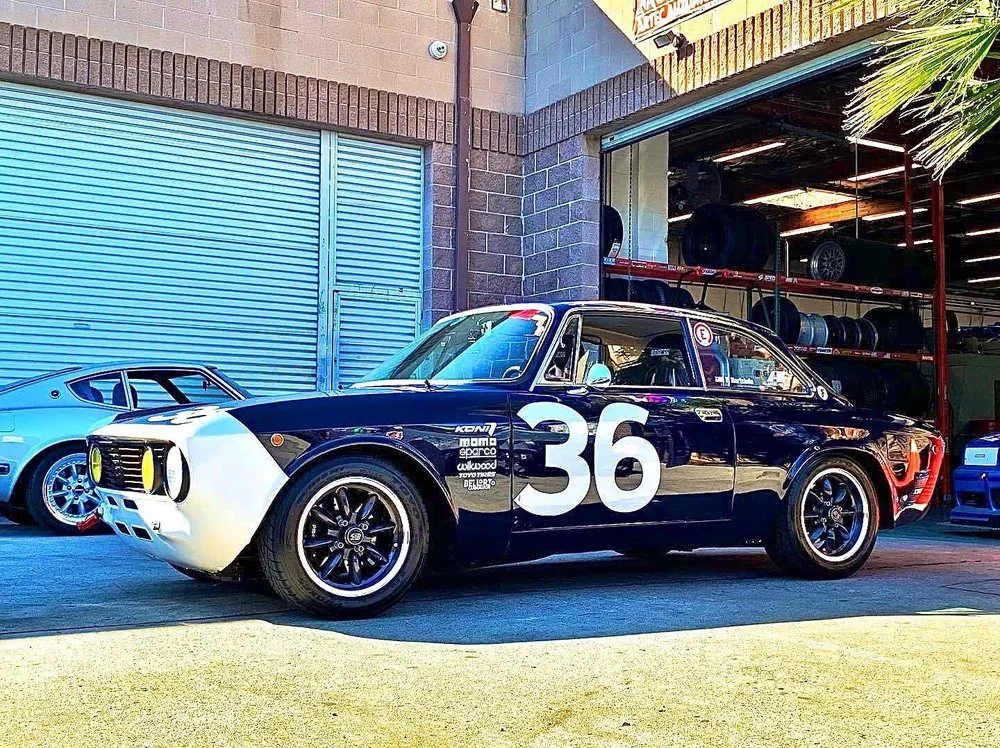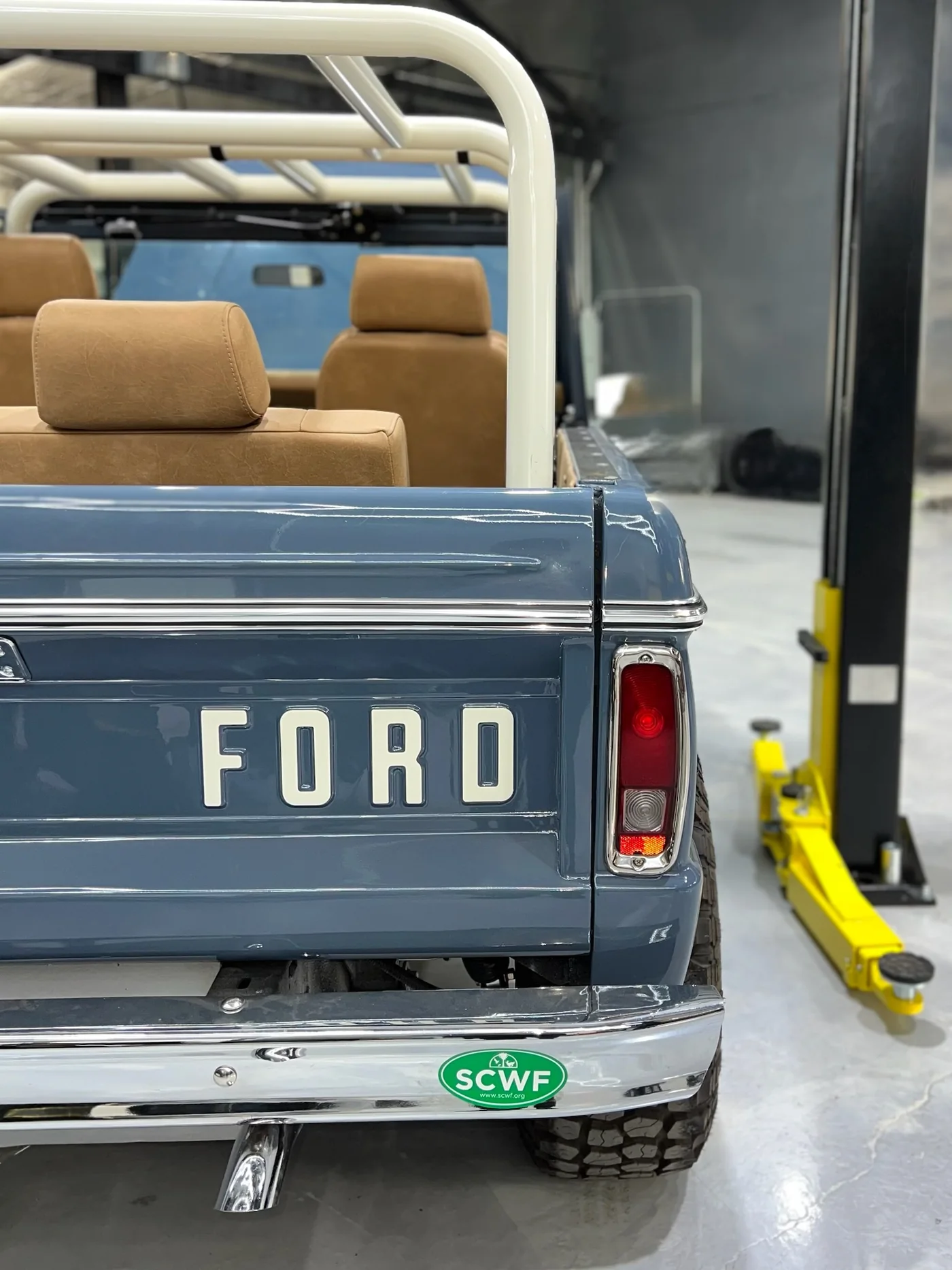



A custom exhaust fabrication shop does far more than make a vehicle louder. When the work is properly engineered, it can sharpen throttle response, manage heat, reduce unnecessary weight, refine the exhaust note, and create fitment that respects every line beneath a premium vehicle. For European, exotic, collector, and performance cars, the difference between a generic exhaust installation and true fabrication is visible, audible, and measurable.
The exhaust system is one of the few modifications that touches performance, drivability, acoustics, appearance, and long-term serviceability at once. That makes material selection, routing, weld quality, clearance, and tuning strategy as important as the finished sound. A well-built system should feel like it belongs on the car from the factory, only more purposeful.
What Custom Exhaust Fabrication Actually Means
Custom fabrication begins with the vehicle in the shop, not a universal box on a shelf. The technician evaluates the existing exhaust layout, power goals, intended use, suspension travel, underbody packaging, and the owner’s preferences before deciding how the system should be built.
This may involve modifying or replacing a section of exhaust, creating a complete cat-back system, building bespoke downpipes or mid-pipes where appropriate, installing high-flow components, or engineering a valved setup that offers two distinct personalities. On some vehicles, the priority is a cleaner, deeper tone. On others, it is increased flow for a turbocharged build, improved durability for track use, or a tailored exhaust exit that complements a custom rear diffuser.
The distinction matters because no two builds have exactly the same requirements. A Porsche driven through Bay Area traffic needs a different acoustic strategy than a weekend McLaren, a supercharged BMW, or a classic Mercedes undergoing a full restoration. A quality fabricator treats those differences as engineering inputs, not inconveniences.
Precision Fitment Protects the Entire Vehicle
An exhaust that appears acceptable on a lift can become a problem once the car is driven. Heat cycles expand metal. Engine and transmission mounts allow movement. Suspension compression changes clearances. A poorly routed pipe can contact a brace, rattle against a heat shield, sit too close to a fuel line, or vibrate against a carbon-fiber diffuser.
Precision fabrication accounts for those real-world conditions. Correct hanger placement supports the system without preloading it. Carefully planned bends preserve flow while maintaining clearance around driveshafts, axles, undertrays, and sensitive components. Properly placed flex sections manage movement and help prevent fatigue cracks. Exhaust tips are aligned with the rear bumper or diffuser so the finished vehicle looks intentional from every angle.
This is particularly valuable on lower vehicles, wide-body builds, cars with aftermarket aero, and high-performance platforms with tightly packaged underbodies. Factory-style tolerances are not merely cosmetic. They prevent noise, wear, heat damage, and frustrating service issues later.
Materials Are a Performance and Longevity Decision
The right material depends on the vehicle, the desired finish, the climate it sees, and the budget allocated to the project. Stainless steel remains an excellent choice for many premium street builds because it offers strong corrosion resistance, durability, and a clean finish. It is a practical, high-quality foundation for systems that will see regular road use.
Titanium can reduce weight substantially and carries a distinctive visual and acoustic character. It is often an excellent fit for high-end performance and track-focused applications, but its cost and fabrication requirements are higher. Inconel offers exceptional heat resistance and strength for demanding turbocharged or motorsport-oriented builds, though it is a specialized material best reserved for applications that justify it.
Material alone does not determine quality. Tube thickness, weld penetration, transitions, flange design, and hardware all influence how a system performs and how well it ages. A beautifully polished exhaust with poor joints or weak mounting points is still a compromised build.
Sound Should Be Designed, Not Left to Chance
Many owners arrive with a simple request: more sound. The better question is what kind of sound, at what engine speed, and under what driving conditions.
A refined exhaust note has character without turning every commute into a compromise. It should complement the engine’s natural voice rather than bury it under harshness, rasp, or uncontrolled volume. The goal could be a deeper V8 tone, a more mechanical flat-six note, a cleaner turbocharged sound, or a stronger induction and exhaust presence without excessive cabin intrusion.
Drone is one of the most common disappointments with poorly planned exhaust modifications. It is not simply a matter of a system being loud. Drone occurs when frequencies resonate inside the cabin at common cruising RPM, creating a persistent pressure or booming sensation. The answer may involve resonator selection, pipe diameter, muffler design, routing changes, or carefully engineered Helmholtz-style solutions. It depends on the platform and the owner’s driving habits.
Valved exhaust systems can be especially effective for owners who want range. With valves closed, the vehicle can remain composed for early departures, highway miles, and client-facing travel. With valves open, the car can deliver a more engaging experience when the road and setting are right. The quality of the valve hardware, integration, and calibration matters as much as the pipes around it.
Performance Gains Require a Complete View
Exhaust work can support performance, but larger pipes are not automatically better. Pipe diameter must suit the engine’s displacement, forced-induction setup, RPM range, and supporting modifications. An oversized system can reduce gas velocity or introduce unwanted sound characteristics, while an undersized system can create restriction and heat.
A fabrication plan should consider the whole vehicle. Intake upgrades, turbochargers, engine calibration, cooling capacity, fueling, and transmission behavior may all affect the ideal exhaust approach. On a naturally aspirated engine, the goal may be carefully managed scavenging and tone. On a turbocharged vehicle, lowering backpressure downstream of the turbine may be more significant, but that can also introduce volume and emissions-related considerations.
For this reason, the most successful builds begin with a clear conversation about how the car will be used. A canyon-driven street car, a show vehicle, a track machine, and a long-distance grand tourer may share a platform while requiring very different decisions.
Emissions Compliance Cannot Be an Afterthought
In California, exhaust modifications must be approached with particular care. Components that affect factory emissions equipment can create legal, inspection, warranty, and drivability concerns. A responsible shop helps owners understand the distinction between aesthetic or cat-back changes and modifications that may affect emissions controls.
For road-registered vehicles, preserving compliant operation should be part of the project from the beginning. The right recommendation may be a refined cat-back system, an approved component solution, or a different performance path altogether. Track-only applications are their own category, but that does not make a street-driven car exempt from applicable requirements.
This is where experienced guidance protects both the vehicle and the owner. A short-term sound or power gain is not worth creating a recurring registration problem or compromising the long-term value of a highly desirable vehicle.
Choosing a Custom Exhaust Fabrication Shop
The best fabrication work is difficult to evaluate through photos alone. Clean welds matter, but they are only one part of the standard. Ask how the shop plans fitment, manages heat, supports the system, and handles future service access. Discuss whether the vehicle will be measured and test-fitted throughout the process rather than built to assumptions.
It is also wise to choose a team that understands the complete vehicle. Exhaust routing can affect aerodynamic panels, underbody protection, suspension components, and future maintenance. On luxury and exotic vehicles, a shop should have the technical discipline to protect finishes, respect factory systems, and return the car without introducing warning lights, rattles, or avoidable compromises.
At Artec Automotive, in-house fabrication is approached as part of a larger commitment to unmatched automotive performance and aesthetics. That integrated perspective is valuable when a project also includes performance upgrades, custom modifications, protective film, detailing, or long-term vehicle care.
The right exhaust should reward every start-up and every open stretch of road, while remaining properly engineered for the miles in between. Choose the craftsmanship that lets your vehicle sound, perform, and present itself exactly as it should.