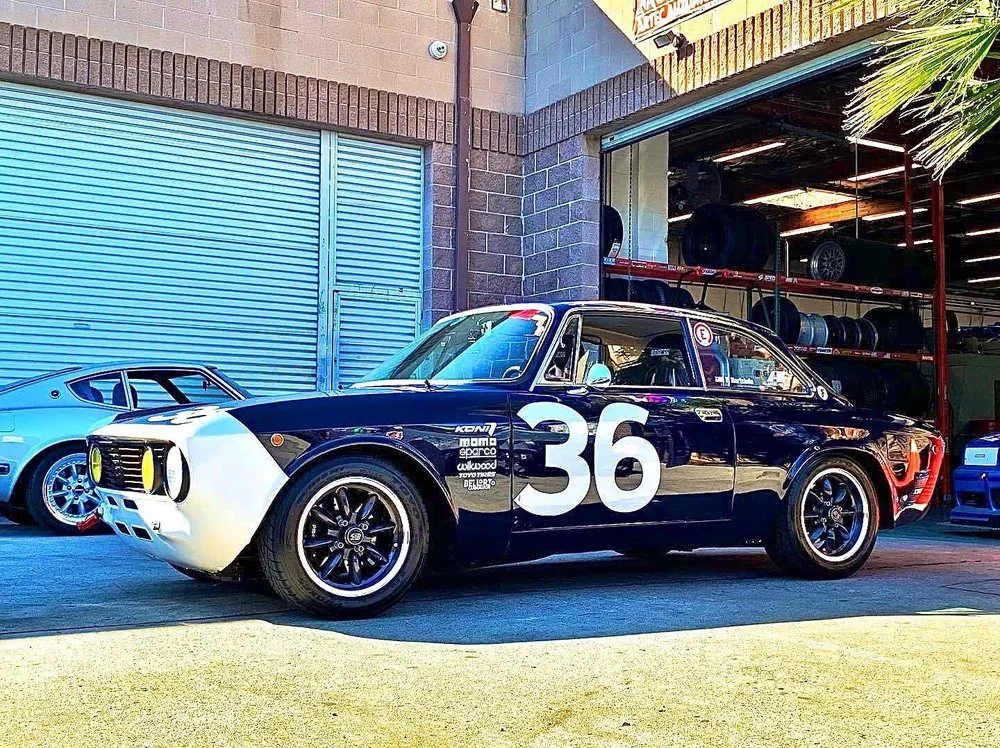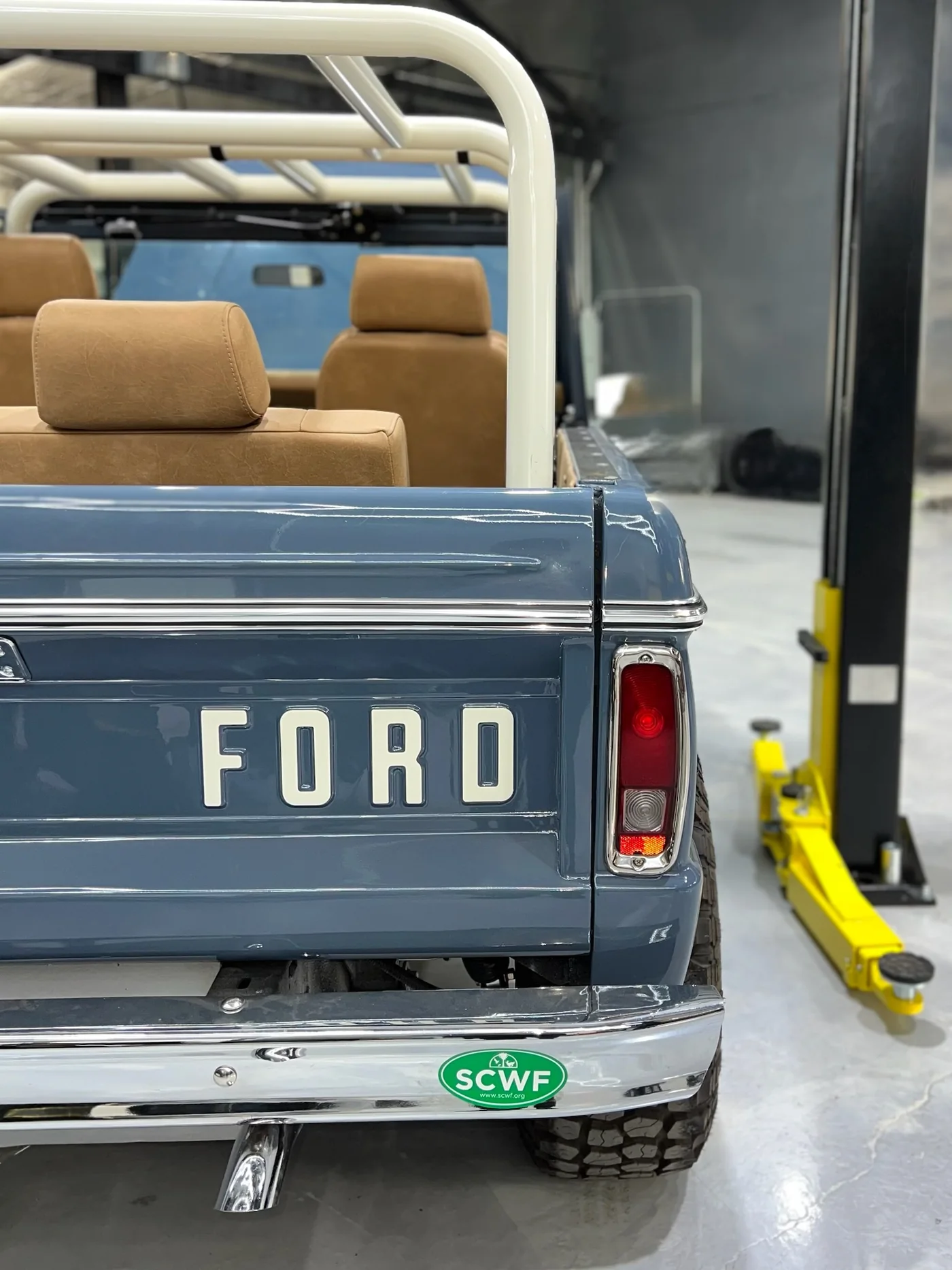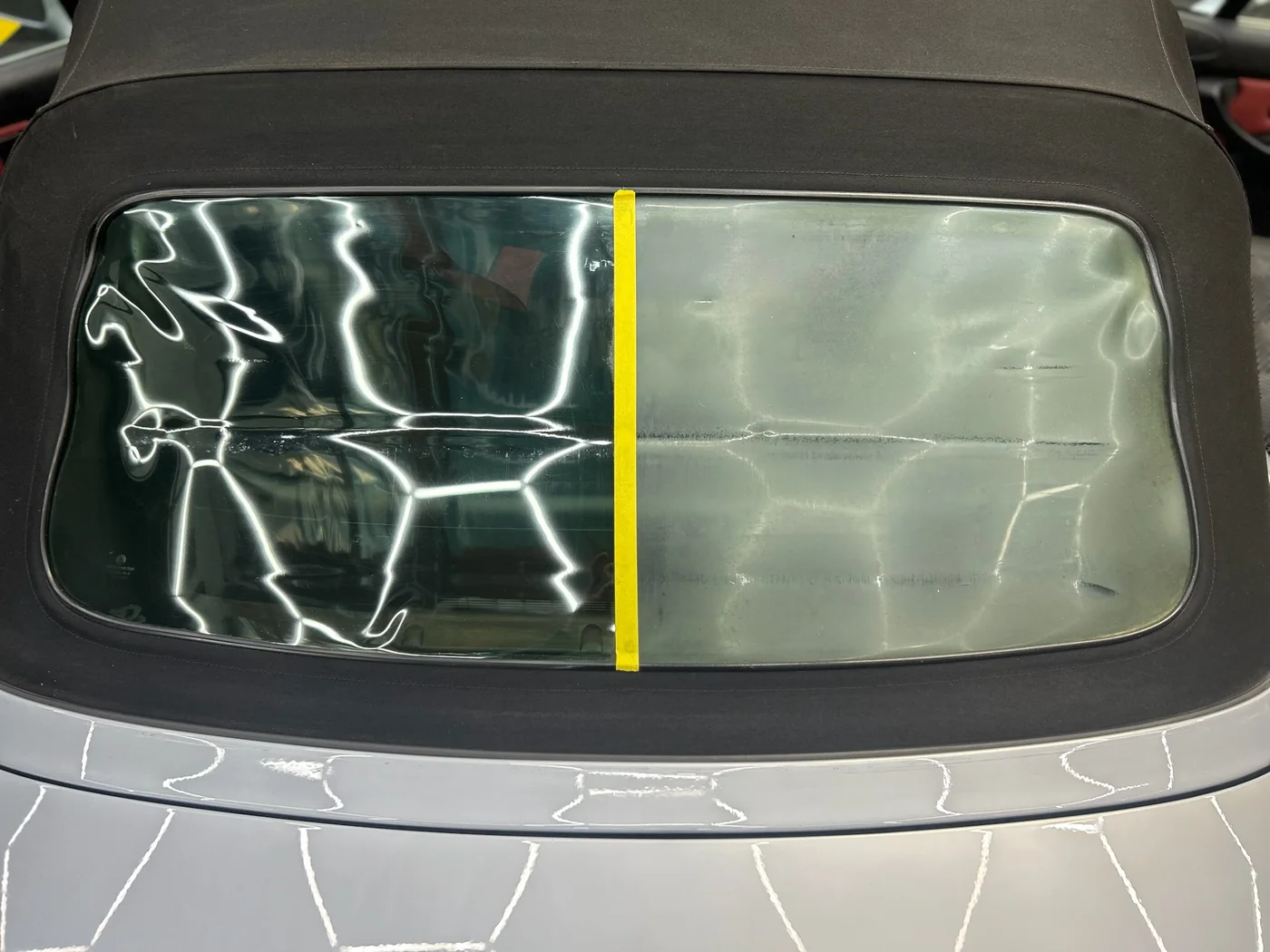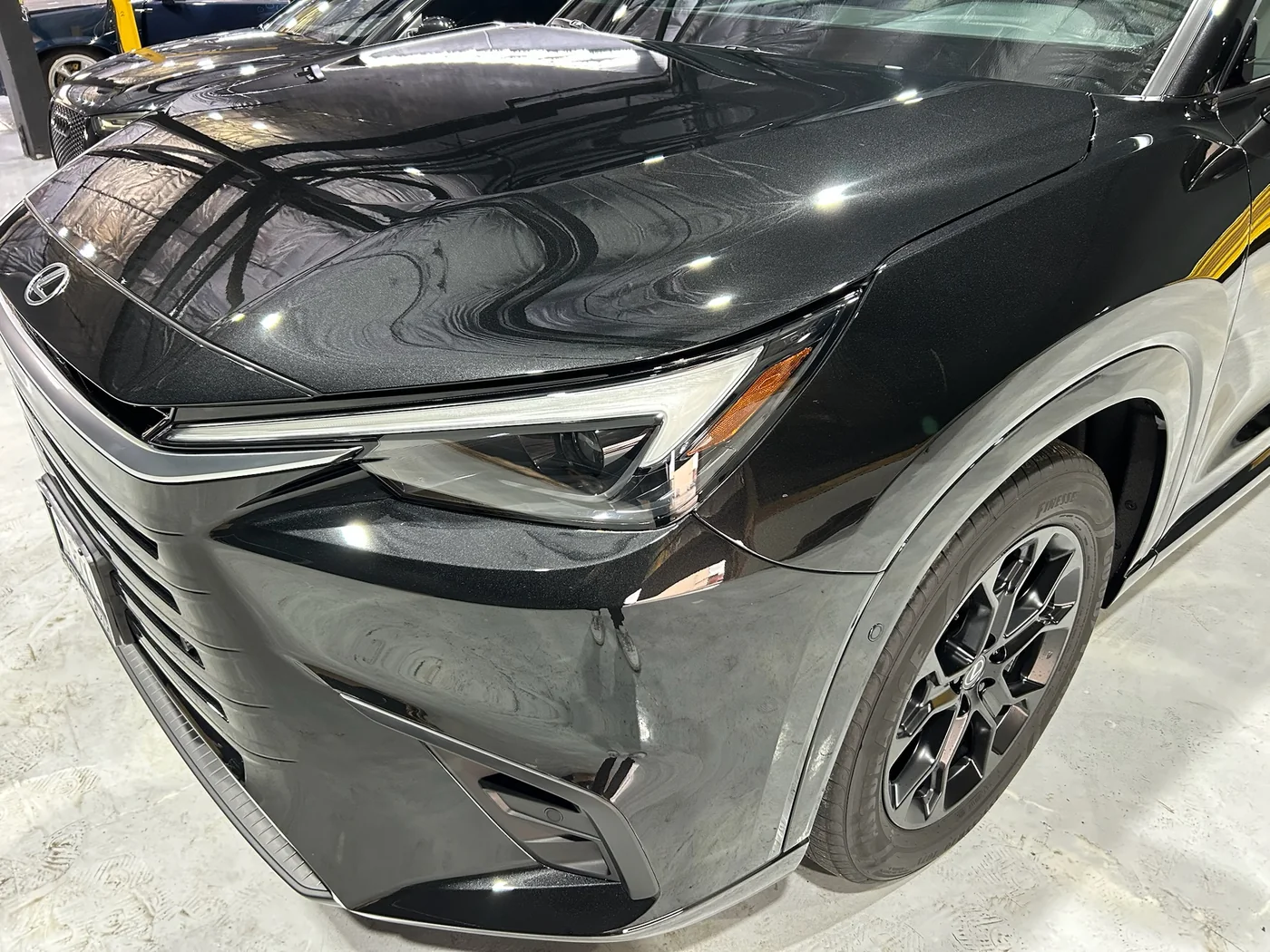

A low-slung front bumper can collect a surprising amount of road damage in a single Bay Area commute. Highway construction debris, gravel on canyon roads, tight parking spaces, and the constant wash cycle of coastal and urban driving all leave their mark. Choosing PPF coverage options is not simply a matter of covering as much paint as possible. It is about identifying where your specific vehicle is most exposed, how you drive it, and how long you intend to enjoy or retain it.
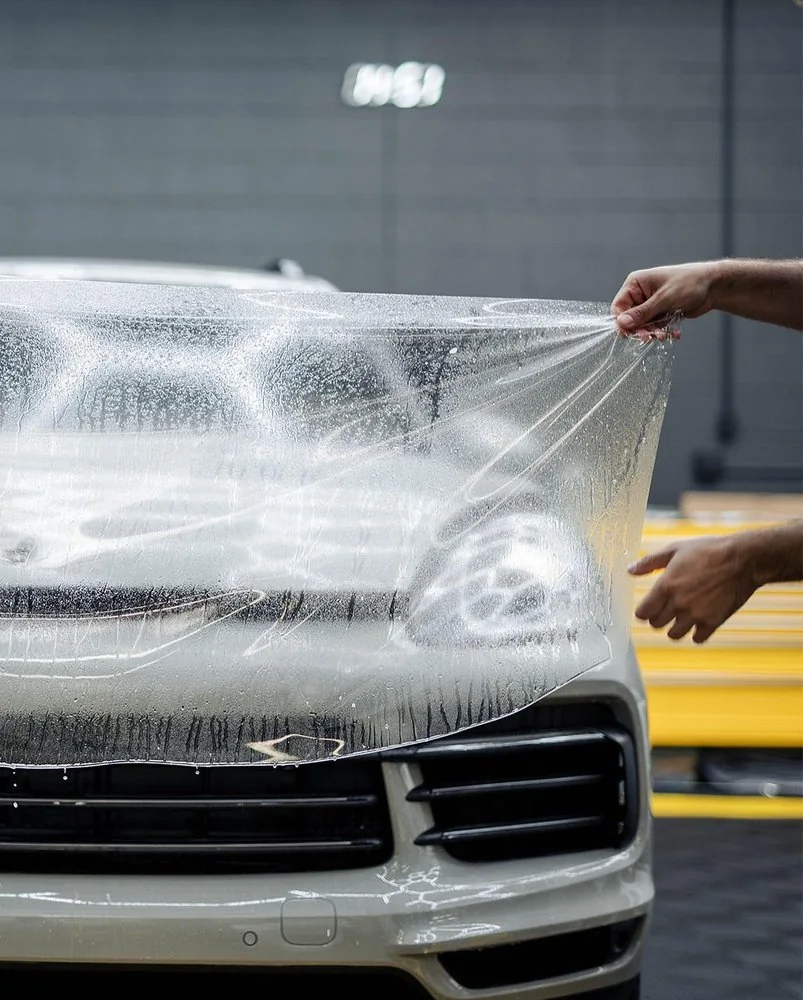
Paint protection film is a precision-applied urethane barrier designed to absorb the chips, abrasions, and surface wear that would otherwise reach factory paint. The right coverage plan should preserve the visual integrity of the vehicle without treating every ownership situation as identical. A weekend-driven 911, a daily-driven G-Class, and a collector Ferrari stored between events each deserve a different conversation.
Start With the Areas That Take the Impact
The front of a vehicle is the first priority for most owners because it absorbs the highest concentration of road debris. The bumper, hood, front fenders, headlights, mirrors, and rocker panels are all exposed to direct impacts at speed. On performance vehicles with aggressive aero, splitters, canards, wide arches, and deep side skirts, those components may be even more vulnerable than the traditional impact zones.
Coverage should also account for the vehicle's proportions. A long hood creates a larger target for chips. Flared rear quarters can collect debris thrown from wide performance tires. SUVs and trucks may need special attention around lower doors, rear wheel arches, and loading areas. The best plan follows the bodywork and the way airflow, tire spray, and road debris move around it.
Partial Front Coverage
Partial front coverage generally protects a portion of the hood and fenders, along with the bumper and mirrors. It can provide meaningful protection at a lower initial investment, particularly for owners with limited annual mileage or vehicles used primarily in city settings.
The trade-off is the visible transition line across the hood and fenders. On some paint colors, body shapes, and lighting conditions, that edge can be more noticeable than owners expect. Partial coverage also leaves the upper hood and fender areas exposed to long-term wear. It is a practical option, but it is rarely the most refined choice for a premium vehicle where uninterrupted appearance matters.
Full Front Coverage
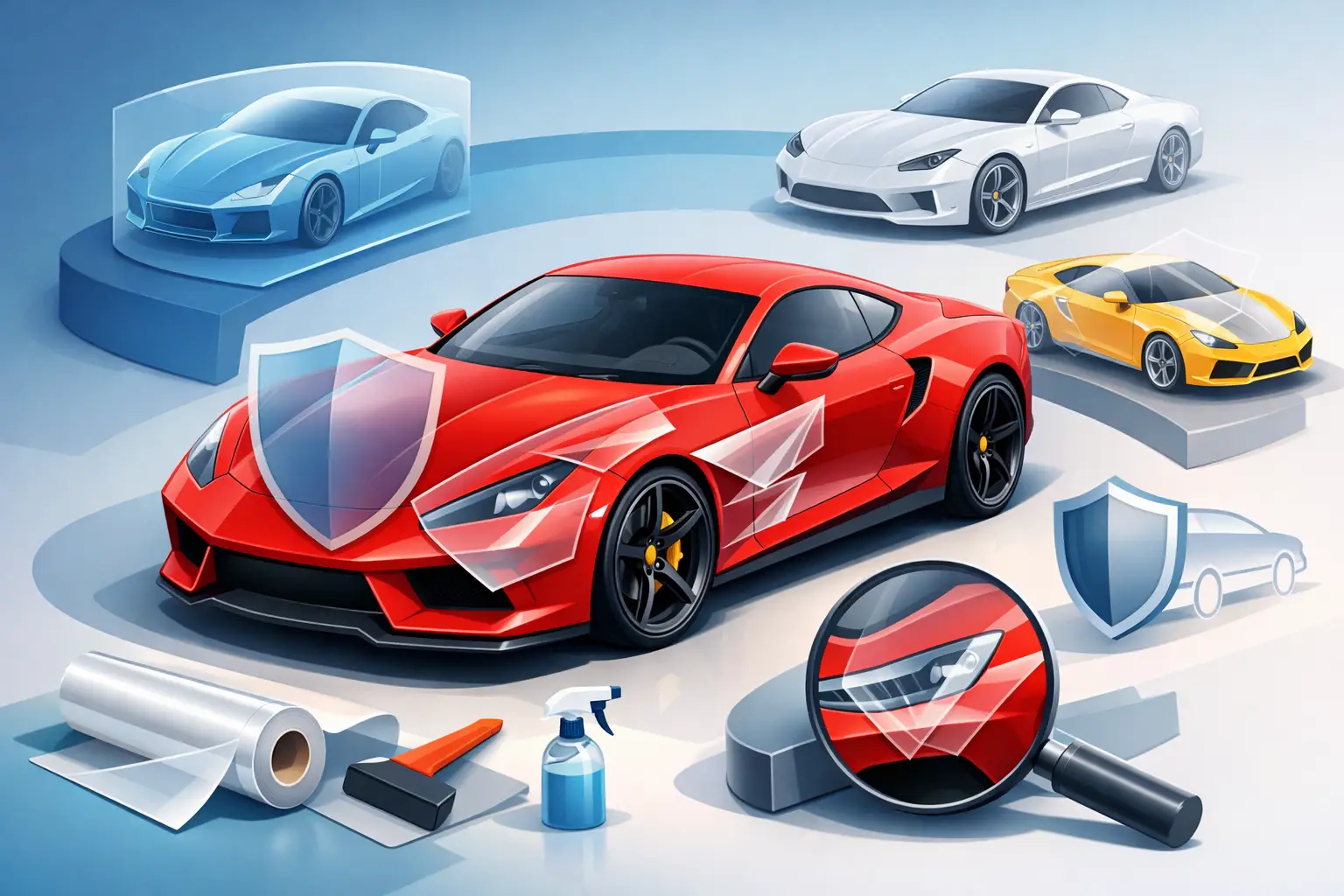
For many luxury and performance vehicles, full front coverage is the most balanced PPF configuration. It typically includes the full bumper, full hood, full front fenders, mirrors, headlights, and often high-impact areas around the lower body.
By wrapping complete panels rather than stopping mid-panel, full front protection avoids the prominent film line associated with partial coverage. It is particularly well suited to owners who drive regularly on Interstate 280, Highway 101, or other high-speed routes where fine debris becomes a constant threat. It also makes sense for dark paint, metallic finishes, and highly sculpted bodywork, where even small chips are easily visible.
Full front coverage does not mean the rest of the vehicle is immune to damage. It simply concentrates the investment where most paint damage begins. For many owners, it is the right foundation for a more tailored package.
Choosing PPF Coverage Options Beyond the Front End
The decision becomes more specific once the front end is protected. This is where driving habits, vehicle design, paint finish, and ownership goals should direct the next step.
Rocker panels are one of the most valuable additions to a front-end package. They sit directly in the path of tire-thrown debris and often receive a steady stream of sand, gravel, and road grit. On low sports cars, the risk is amplified by wide tires and reduced ground clearance. Protecting the rockers and lower rear quarters helps prevent the peppered, worn appearance that can develop behind the front wheels.
Rear wheel arch protection is equally worthwhile on vehicles with broad rear fenders, exposed body contours, or sticky performance tires. A Porsche, BMW M car, Mercedes-AMG, or exotic vehicle with substantial rear haunches can experience noticeable impact damage in these areas, even when the front paint remains well protected.
Door edges, door cups, trunk ledges, and loading sills are smaller coverage additions with a different purpose. They are not primarily for highway debris. They protect against the repeat contact of daily ownership: fingernails behind door handles, luggage at the trunk opening, garage-wall incidents, and passengers who are less careful than the owner. These details are especially useful for daily-driven luxury vehicles and SUVs.
When Full-Vehicle PPF Is the Right Decision
Full-vehicle PPF is the most comprehensive answer for owners who want the entire painted surface protected against chips, scratches, staining, and routine surface wear. It is often the preferred choice for exotic, collector, and newly delivered vehicles where original paint condition is central to long-term value and enjoyment.
The case for full coverage is strongest when the vehicle has complex, expensive-to-refinish bodywork; a rare or difficult-to-match factory color; exposed carbon-fiber components; or a high-gloss black finish that shows every imperfection. It also makes sense for owners who plan to keep the vehicle for years, attend driving events, or regularly travel through conditions that place paint at risk.
There is a financial trade-off. Full-body installation requires substantially more material, panel preparation, disassembly where appropriate, and installation time. It should be viewed as a preservation decision rather than a cosmetic accessory. For a vehicle that will be driven hard, retained long term, or eventually sold to a discerning buyer, the ability to remove the film and reveal well-preserved original paint can be meaningful.
For a leased vehicle or one likely to be traded within a short period, full coverage may not be the best allocation of resources. A full front package with rocker panels and targeted rear protection can deliver a more proportionate result. The correct answer depends on the vehicle's role in your life, not a one-size-fits-all package menu.
Consider Paint Color, Finish, and Existing Condition
Paint color changes how damage presents itself. Black, deep blue, and other dark finishes tend to reveal fine scratches, water spotting, and rock chips quickly. White and silver can hide minor chips more effectively, but contrast can still become obvious when dark contamination or damaged primer appears beneath the surface.
Matte and satin factory finishes require particular care. They cannot be polished in the same way as gloss paint, so correcting a scratch or blemish may be far more complicated. A properly selected film can protect the original finish while preserving its intended appearance. Gloss paint can also be transformed with a matte or satin PPF treatment, but that decision should be deliberate because it changes the vehicle's visual character.
Condition matters just as much as color. PPF locks in the surface beneath it, so paint correction and careful preparation should happen before installation when needed. Installing film over chips, etched water spots, heavy swirl marks, or prior repair imperfections does not erase them. A premium result begins with an honest assessment of the paint, panel by panel.
Do Not Overlook Windshield and High-Wear Surfaces
Paint protection is only one part of the exposure equation. Windshields are highly susceptible to pitting and cracks from road debris, particularly on vehicles that spend time at highway speeds. Windshield protection film can be considered alongside body PPF for owners seeking a more complete defense against daily driving hazards.
High-wear surfaces may also include gloss-black pillars, piano-black trim, carbon-fiber aero pieces, painted grilles, and the leading edges of roof panels. These areas are easy to overlook in a standard package discussion, yet they can be expensive or difficult to restore once damaged. A vehicle-specific inspection reveals whether these details warrant protection.
Choose Installation Quality, Not Just Film Coverage
Two vehicles can receive the same nominal coverage and leave with very different results. Coverage level matters, but installation quality determines how well the film follows intricate curves, wraps edges, aligns around sensors, and maintains a clean, nearly invisible appearance.
Look for an installer who understands the construction of premium vehicles and treats each panel accordingly. Modern luxury vehicles often combine sensitive trim, advanced driver-assistance hardware, complex bumper geometry, and finishes that demand disciplined preparation. Careful pattern selection, edge management, controlled installation conditions, and post-install inspection are part of protecting the vehicle properly.
At Artec Automotive, the objective is not to push every owner toward maximum film coverage. It is to build a protection strategy that respects the vehicle's design, driving environment, and future value. The most satisfying PPF decision is the one that lets you drive with confidence while keeping the paint as intentional as the day you chose the car.