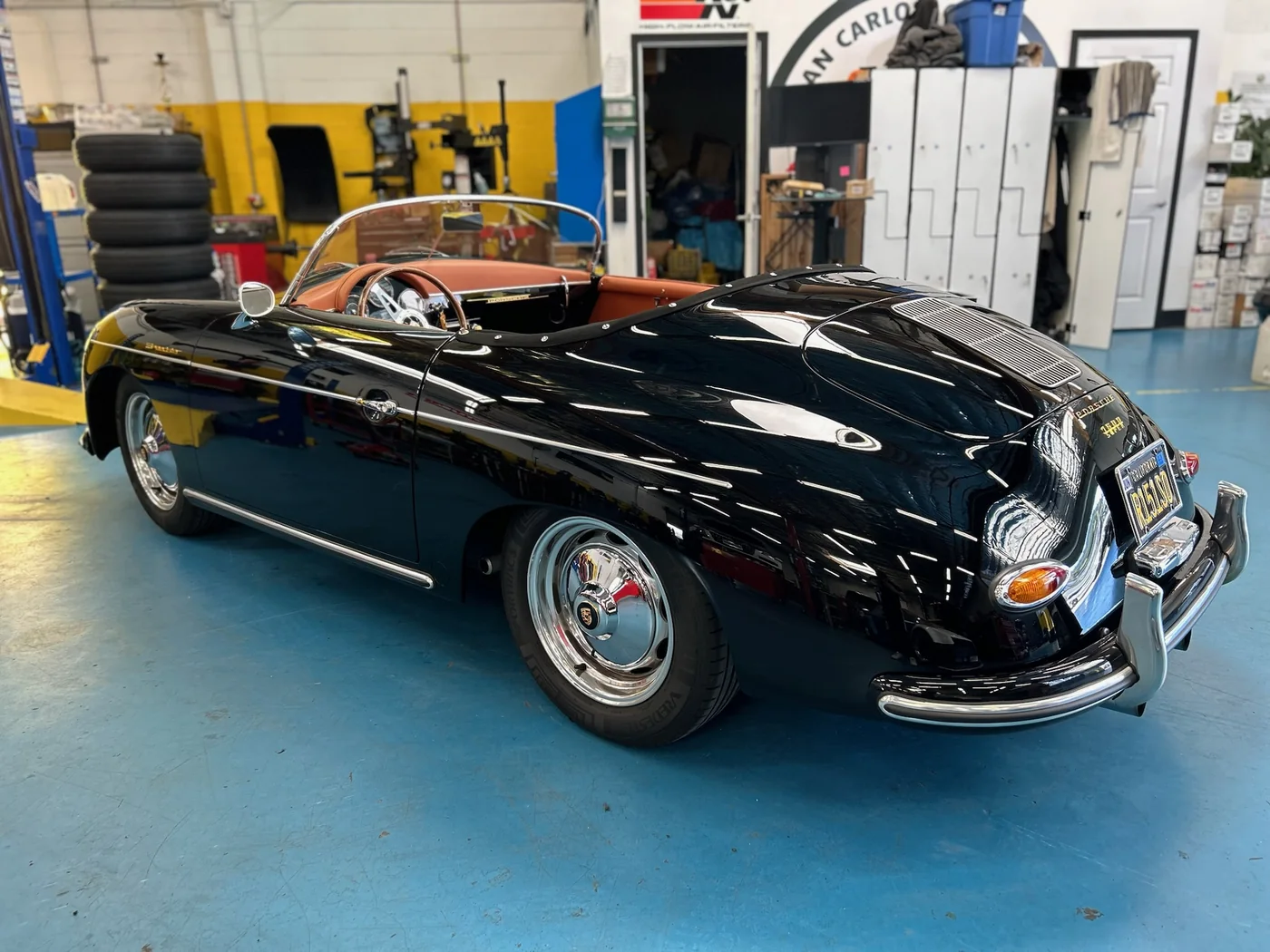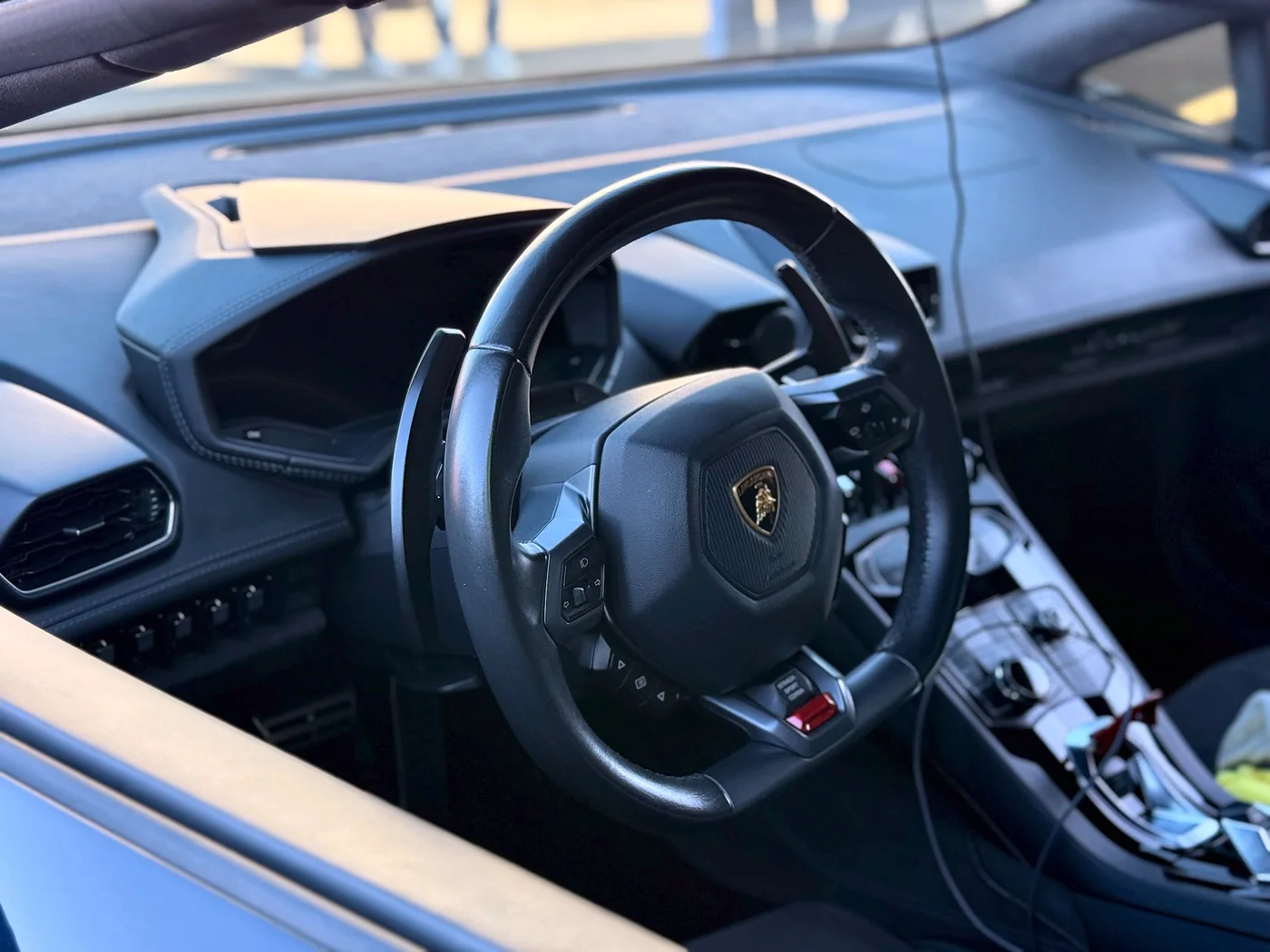

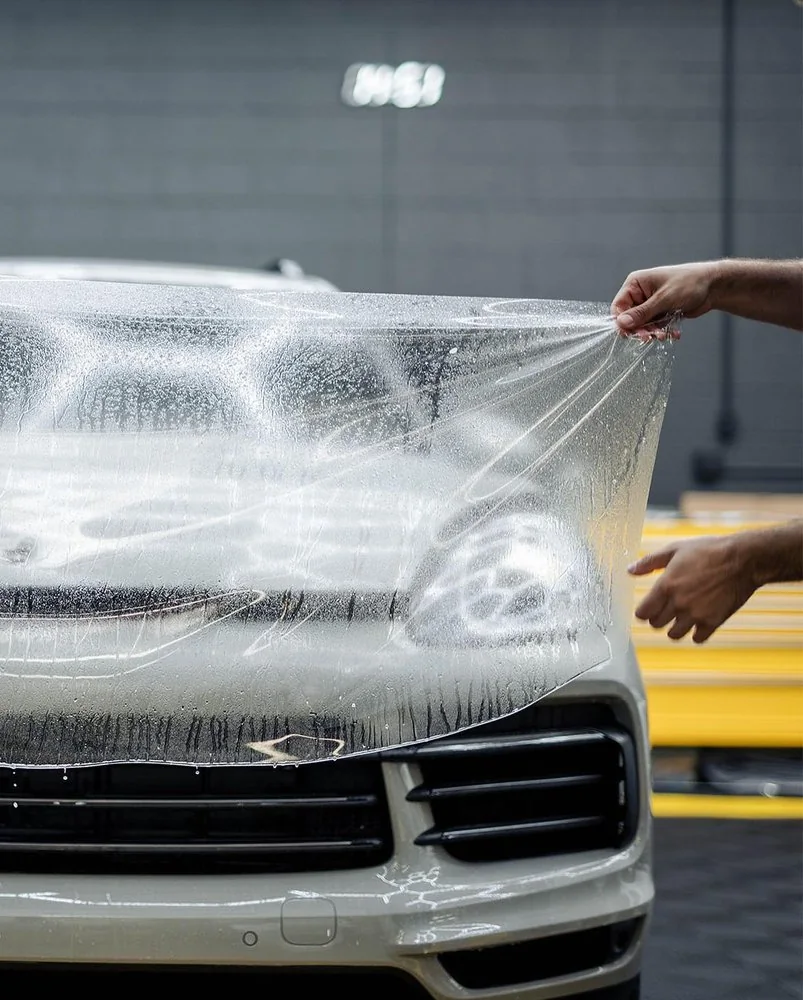
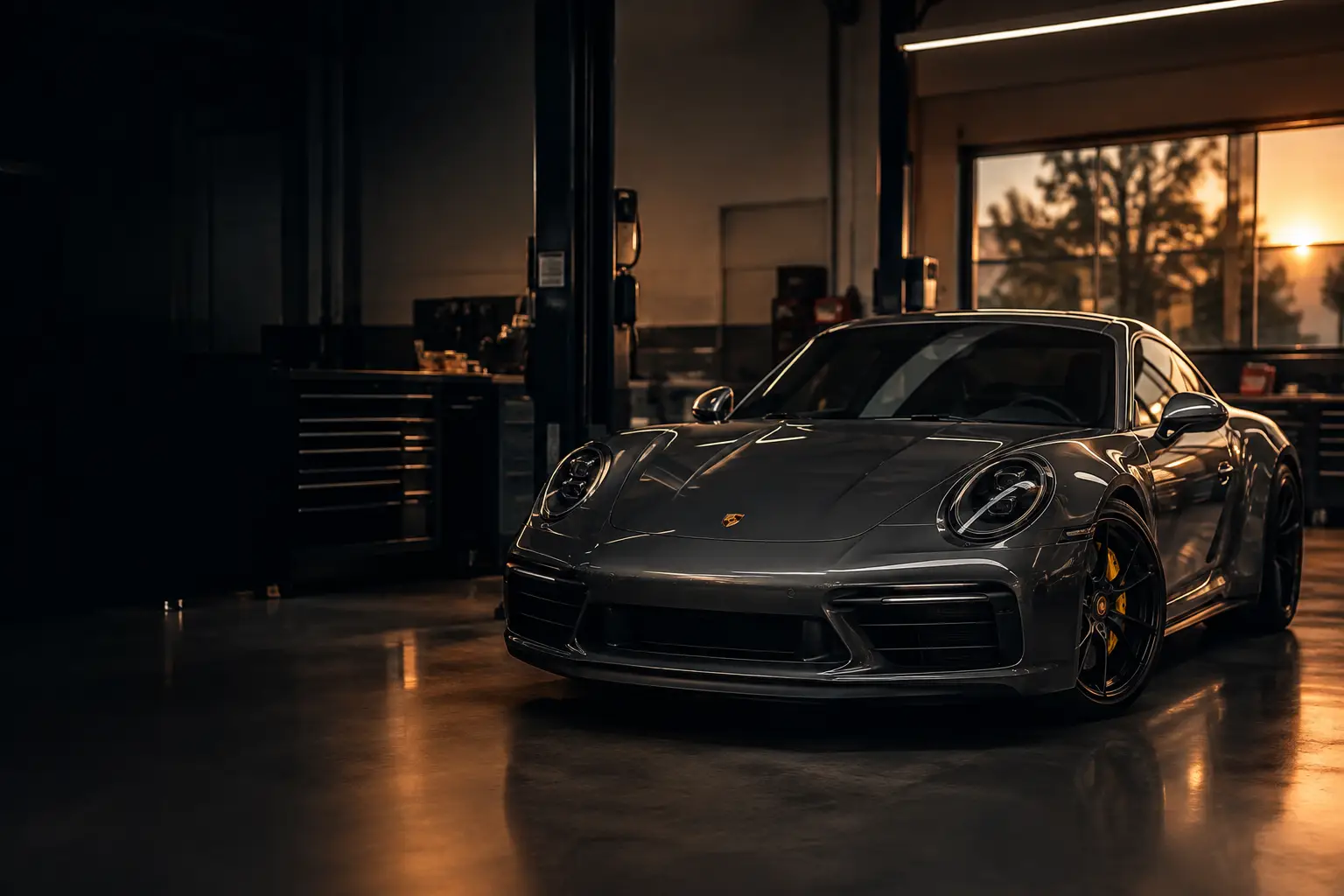
A black interior parked on the Peninsula can feel punishing within minutes, even when the air conditioning is working hard. That is why ceramic tint reviews deserve more than a quick star rating or a claim that one film is “cooler” than another. The real value of ceramic window tint is measured in cabin comfort, visibility, signal compatibility, finish quality, and how well the installation respects the vehicle.
For luxury, European, exotic, and performance vehicles, window film is not simply a cosmetic upgrade. It is a precision protection decision. The right film can reduce solar load, protect interior materials, improve privacy, and give the glass a more intentional appearance. The wrong choice can create night-driving frustration, uneven color, visible contamination, or legal issues that outweigh the initial savings.
What Ceramic Tint Reviews Often Get Right
Most favorable ceramic tint reviews focus on heat rejection, and for good reason. Ceramic films use non-metallic ceramic particles to manage solar energy without the signal interference historically associated with some metallic films. For vehicles that depend on GPS, mobile connectivity, satellite radio, keyless entry, and integrated driver-assistance systems, that non-metallic construction is a meaningful advantage.
Quality ceramic films also provide strong ultraviolet rejection. UV exposure contributes to fading, drying, and premature aging of leather, Alcantara, plastics, wood trim, and other refined interior surfaces. While a tint film cannot eliminate every source of interior wear, it adds another layer of defense for a cabin that may spend years under California sun.
Owners also tend to notice a reduction in glare. This can make a late-afternoon commute along 101 or a long drive through open South Bay roads less fatiguing. The benefit is particularly noticeable in vehicles with expansive glass, panoramic roofs, light-colored interiors, or dark dashboards that reflect into the windshield.
Still, a review that says “the car feels much cooler” is useful only as a starting point. Film performance depends on the exact product line, shade, glass area, vehicle color, windshield angle, climate, and expectations of the owner. Ceramic tint improves heat management, but it does not replace a properly functioning climate-control system or make a glass-heavy cabin immune to sun.
The Numbers Behind Ceramic Window Tint
A better way to assess ceramic tint is to look beyond the marketing language. Several specifications appear in product literature, but they do not carry equal weight.
Visible light transmission, commonly called VLT, describes how much visible light passes through the finished window. A 50% film allows more visible light through than a 20% film. It is the number most closely related to how dark the glass appears, although factory-tinted privacy glass and the vehicle’s original glass must be considered together. The final VLT is not simply the number printed on the film box.
Total solar energy rejected, or TSER, offers a broader picture of heat-control performance because it accounts for multiple parts of the solar spectrum. When comparing films at similar shades, TSER is often more helpful than a single infrared-rejection percentage.
Infrared rejection can be impressive, but it requires context. Some manufacturers cite infrared performance across a narrow range of wavelengths, which can make one film sound dramatically better than another without representing total heat performance. A high infrared figure is not meaningless, but it should not be the only specification guiding the decision.
Finally, quality ceramic film should provide strong UV rejection. This is a practical long-term benefit, especially for vehicles with delicate interior trim or collector-grade condition standards. Ask for specifications for the specific series and shade being installed, not generic claims associated with a brand’s premium line.
Darker Is Not Always Cooler in the Ways That Matter
A common assumption is that the darkest film is automatically the best heat-control choice. Darker tint can reduce visible light and glare, but a lighter ceramic film may still reject substantial solar energy while preserving a more open cabin and better nighttime visibility. This matters for owners who drive canyon roads, commute after dark, or prefer a discreet factory-plus appearance.
For example, a light ceramic film on the front windows paired with a moderately darker rear treatment may create a balanced result: controlled glare and heat without making the front cabin feel closed in. The ideal combination is vehicle-specific. A black-on-black SUV can support a different aesthetic than a silver sedan with a cream leather interior.
Installation Quality Is Part of the Product
Even the best ceramic film can look average when installed carelessly. Window tinting is a finish-sensitive service, and premium vehicles leave little room for shortcuts. Clean glass preparation, precise pattern cutting, thoughtful panel removal when appropriate, and disciplined moisture management all affect the final result.
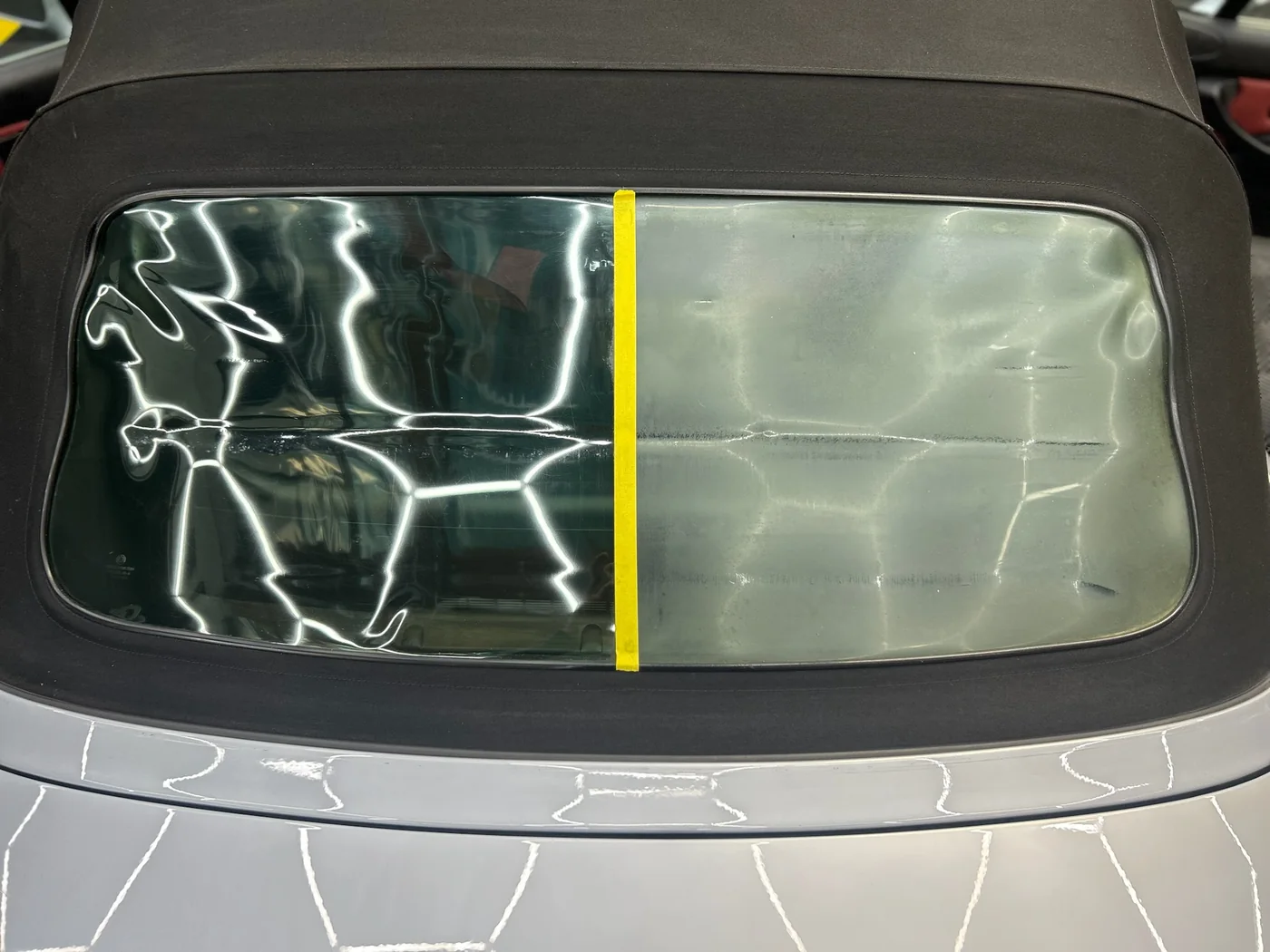
Small specks, water pockets, edge contamination, light gaps, uneven shrink lines, and damaged trim are not details to dismiss on a high-value vehicle. Some minor moisture haze can be normal during the curing period, particularly in cooler or humid conditions. It should resolve as the film dries. Debris trapped beneath the film, rough edges, or persistent bubbles are different issues and should be addressed.
The installation process should also account for the vehicle’s construction. Frameless doors, tight weather seals, laminated acoustic glass, complex rear windows, and sensitive electronics require technician judgment. A Tesla, Porsche, Mercedes-Benz, BMW, Range Rover, or Ferrari may each present different access and fitment considerations. The objective is not merely dark glass. It is an installation that looks integrated with the vehicle from every angle.
At Artec Automotive, that standard matters because window tint often sits alongside paint protection film, ceramic coatings, detailing, and other preservation work. The vehicle should leave with every surface and detail working together, not with one upgrade compromising another.
How to Read Reviews With a Critical Eye
The most helpful reviews describe the vehicle, the film shade, the driving conditions, and the installer’s workmanship. “Great tint” is positive, but it does not tell you whether the film was installed on a full-size SUV, a coupe with a steep rear glass, or a sedan used primarily at night.
Look for comments about clarity rather than darkness alone. Optical quality matters, especially through side glass at night and in wet conditions. A film that appears fine in a parking lot may reveal haze, distortion, or excessive reflectivity when headlights and streetlights hit it after sunset.
Pay attention to reviews written weeks or months after installation. Immediate reactions usually focus on appearance. Longer-term ownership feedback can reveal whether the film has remained color-stable, whether edges have held cleanly, whether the cabin is more comfortable during warm weather, and how the shop handled any follow-up concerns.
Reviews should also be evaluated in relation to the shop’s communication. A specialist installer will discuss shade options, performance differences, curing expectations, and applicable regulations before beginning work. A shop that pushes the darkest available film without asking how and where you drive is selling a generic result, not a tailored solution.
California Compliance Deserves a Real Conversation
California window-tint rules are a practical factor, particularly for front side windows and windshield applications. Requirements can be more nuanced than a simple “legal” or “illegal” label, and factory glass affects the final result. Medical exemptions, windshield strip placement, and enforcement can add further variables.
A responsible recommendation begins with the owner’s priorities: privacy, heat rejection, nighttime visibility, appearance, and intended use. A track-focused weekend car, executive daily driver, family SUV, and collector vehicle do not necessarily need the same film strategy. The best installer explains the trade-offs clearly rather than treating compliance as an afterthought.
Choosing the Right Ceramic Tint for Your Vehicle
Start with how you use the vehicle. If it is a daily-driven luxury sedan that spends hours outdoors, prioritize high solar rejection and clear night visibility. If it is an SUV carrying family, clients, or valuable equipment, privacy and rear-cabin comfort may carry more weight. If it is a weekend performance car, the goal may be a refined visual finish that preserves outward visibility and complements the paint color.
Then consider the glass as a complete system. The windshield admits a significant amount of heat, but windshield film options require special care around visibility, regulations, sensors, and camera systems. A panoramic roof can also be a major source of solar load. Addressing only the side windows may be sufficient for some owners, while others benefit from a more comprehensive approach.
The strongest ceramic tint decision is rarely based on the darkest sample card or the lowest quote. It comes from matching a proven film to your vehicle, your driving habits, and the level of finish you expect. When the glass remains clear, the cabin stays more composed, and the installation looks factory-intentional, you notice the difference every time the sun comes out.