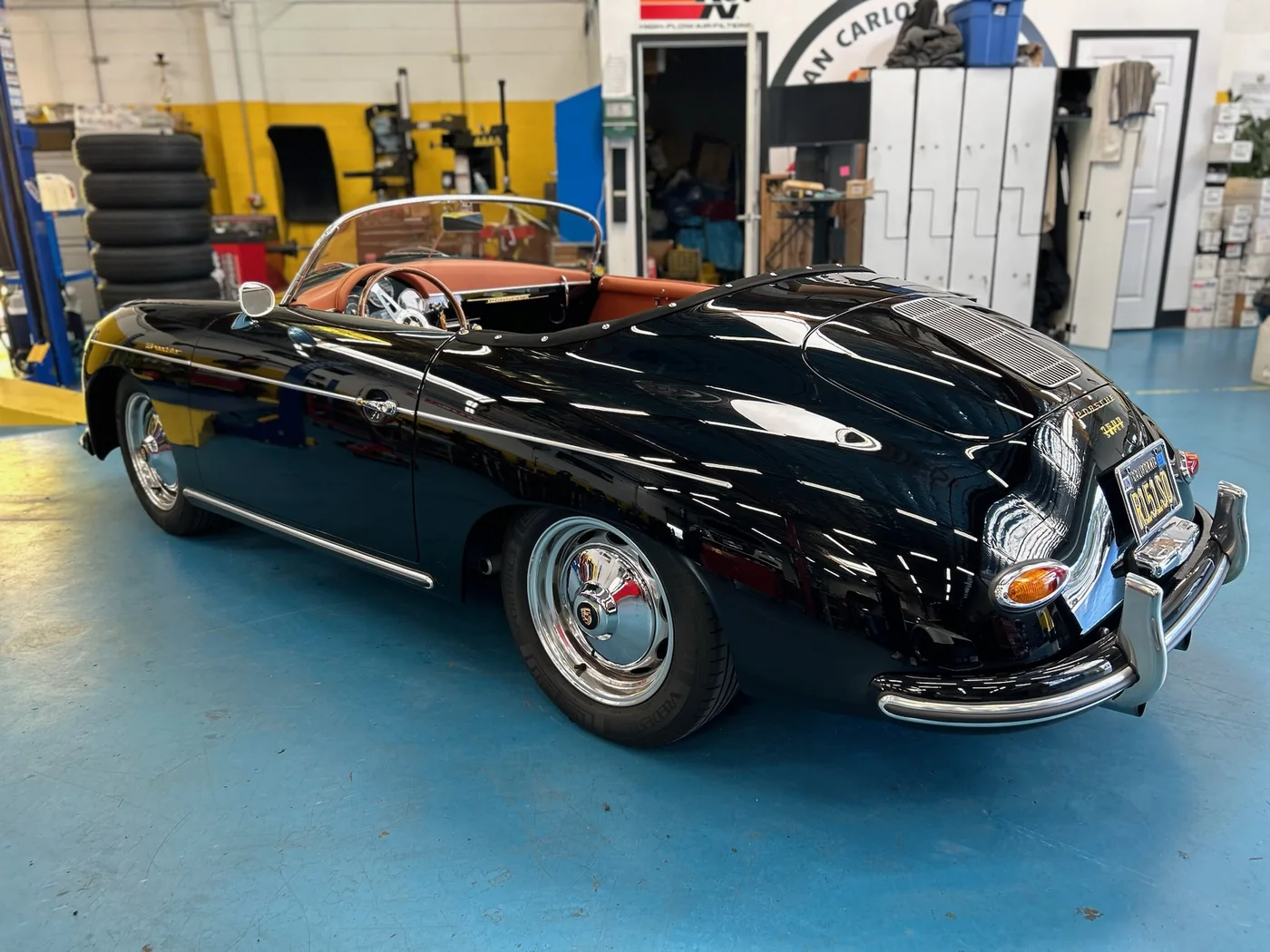

A black Porsche parked outside a San Francisco restaurant can collect salt air, construction dust, UV exposure, and careless fingerprints in a single afternoon. That reality makes ceramic coating versus wax more than a cosmetic question. The right protection strategy affects how your paint looks after every wash, how much effort it takes to maintain, and how confidently you can enjoy a vehicle built to be driven.
Wax still has a place in professional vehicle care. Ceramic coating delivers a different level of durability and chemical resistance. Neither is a substitute for paint protection film when impact damage is the concern, and neither can correct existing paint defects on its own. The better choice depends on your vehicle, its finish, where it is driven, and the ownership experience you want.
Ceramic Coating Versus Wax: The Core Difference
Carnauba and synthetic waxes sit on top of the clear coat as sacrificial layers. They enhance gloss, create water beading, and provide a measure of protection from contaminants and UV exposure. Their appeal is immediate: a freshly waxed vehicle can look exceptionally rich, particularly on deep metallic colors and dark paint.
A ceramic coating is a liquid polymer that chemically bonds with the paint or a properly prepared surface. Once cured, it creates a more durable protective layer with pronounced water behavior, strong chemical resistance, and a crisp, glass-like finish. Professional coatings are designed to remain effective for years rather than weeks or months, provided the vehicle is maintained correctly.
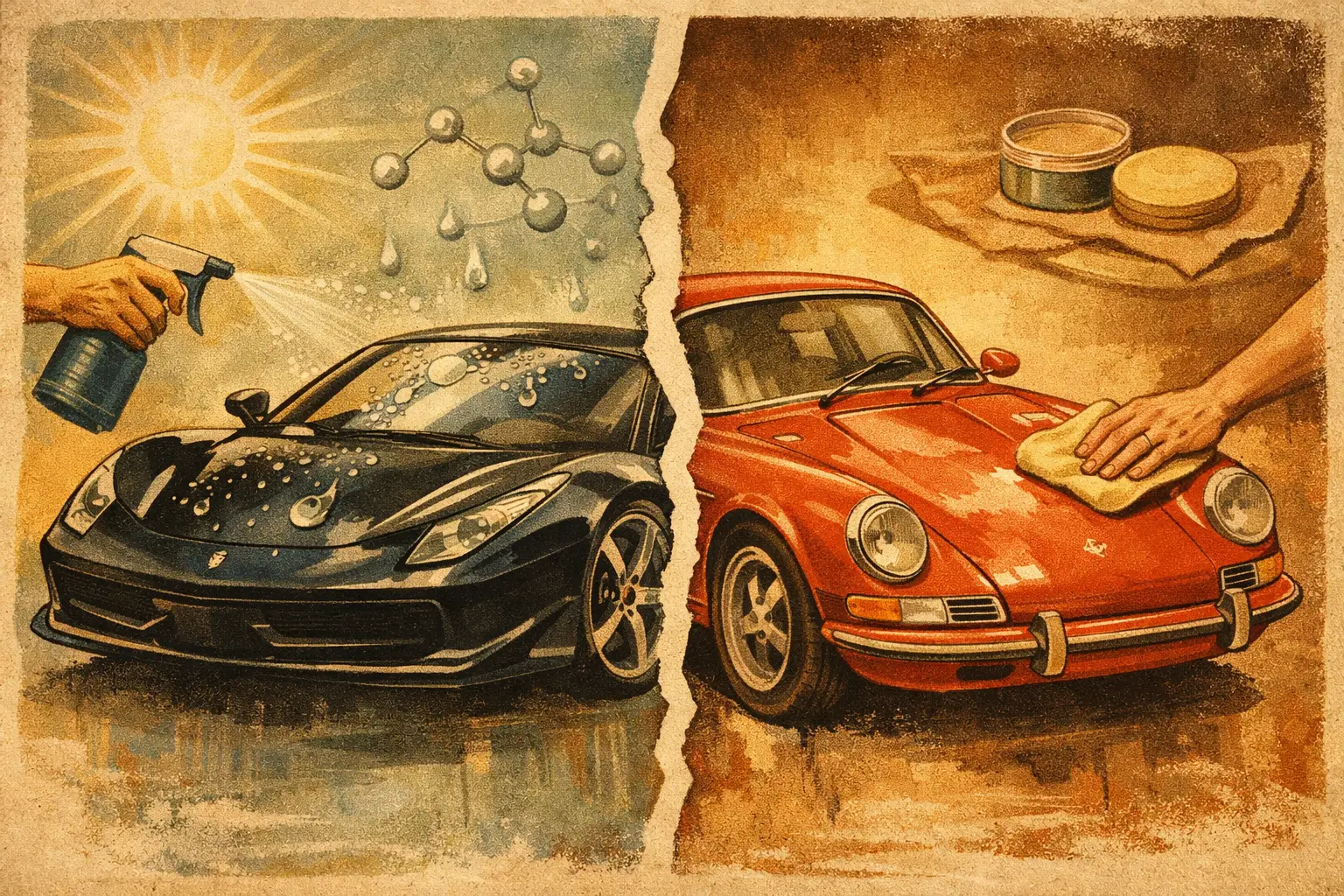
The distinction is not simply that ceramic is “better.” Wax is a temporary enhancement product. A ceramic coating is a long-term preservation system. That difference changes the preparation required, the investment involved, and the expectations an owner should bring to the service.
What Wax Does Well
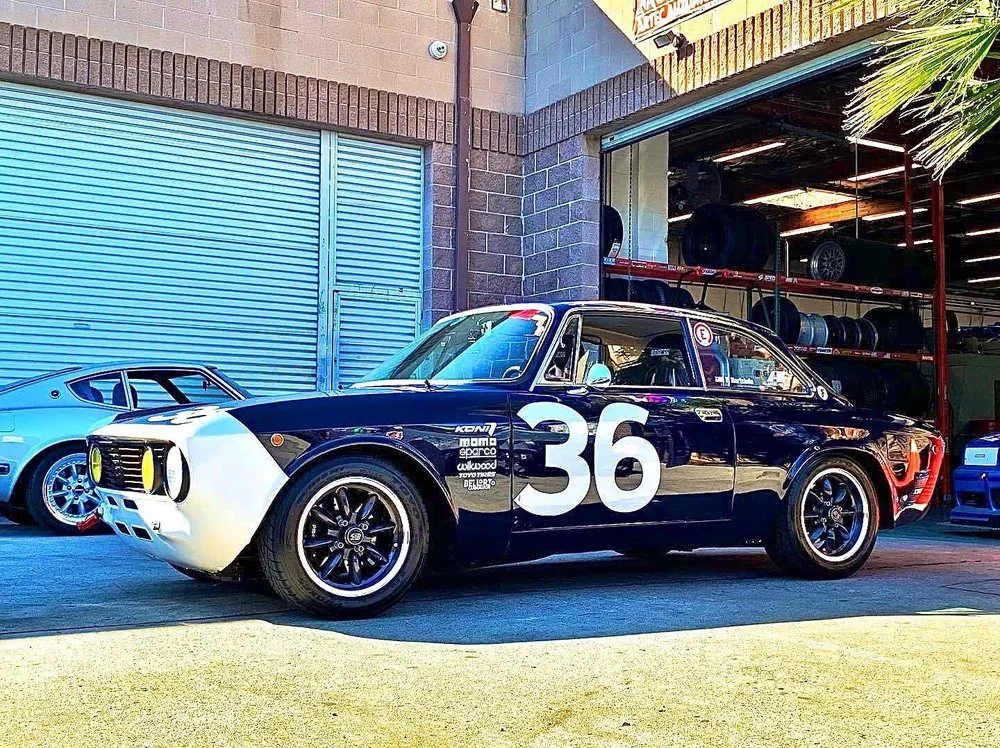
Wax is an excellent choice for owners who enjoy frequent hands-on detailing, keep a vehicle mostly garaged, or want to enrich the appearance of paint before a special event, show, or weekend drive. It can add visual warmth and depth that many enthusiasts appreciate, especially on classic cars with single-stage paint or carefully maintained collector vehicles.
Because wax is relatively easy to apply and remove, it also offers flexibility. An owner can test a new product, refresh protection regularly, or tailor the finish to a particular vehicle without making a long-term commitment. High-quality synthetic sealants can extend durability beyond traditional carnauba wax while retaining an accessible maintenance routine.
Its limitation is endurance. Bay Area sun, coastal moisture, routine washing, road film, bird droppings, and traffic grime steadily degrade wax. Depending on the product, storage conditions, and wash habits, meaningful protection may last only a few weeks to several months. The shine fades gradually, water behavior weakens, and contaminants become more likely to cling to the surface.
For a daily-driven BMW, Mercedes-Benz, Audi, Tesla, or Range Rover, that means wax often becomes a recurring commitment. There is nothing wrong with that if regular professional detailing is part of the plan. It is simply not the lowest-maintenance solution.
Where Ceramic Coating Earns Its Value
Ceramic coating is engineered for owners who want their vehicle to remain easier to clean and visually disciplined between detailing appointments. Its hydrophobic surface encourages water to bead and release more readily. Dirt, pollen, bug residue, and road grime generally have a more difficult time bonding to a properly coated finish, reducing the effort required to maintain a clean appearance.
The coating also provides stronger resistance to chemical staining and environmental fallout than wax. That matters in the Bay Area, where a vehicle may encounter marine air near the coast, tree sap in residential neighborhoods, industrial dust on commutes, and intense UV exposure on open roads. Prompt removal of contaminants is still necessary, but a coating gives the clear coat a more capable defensive layer.
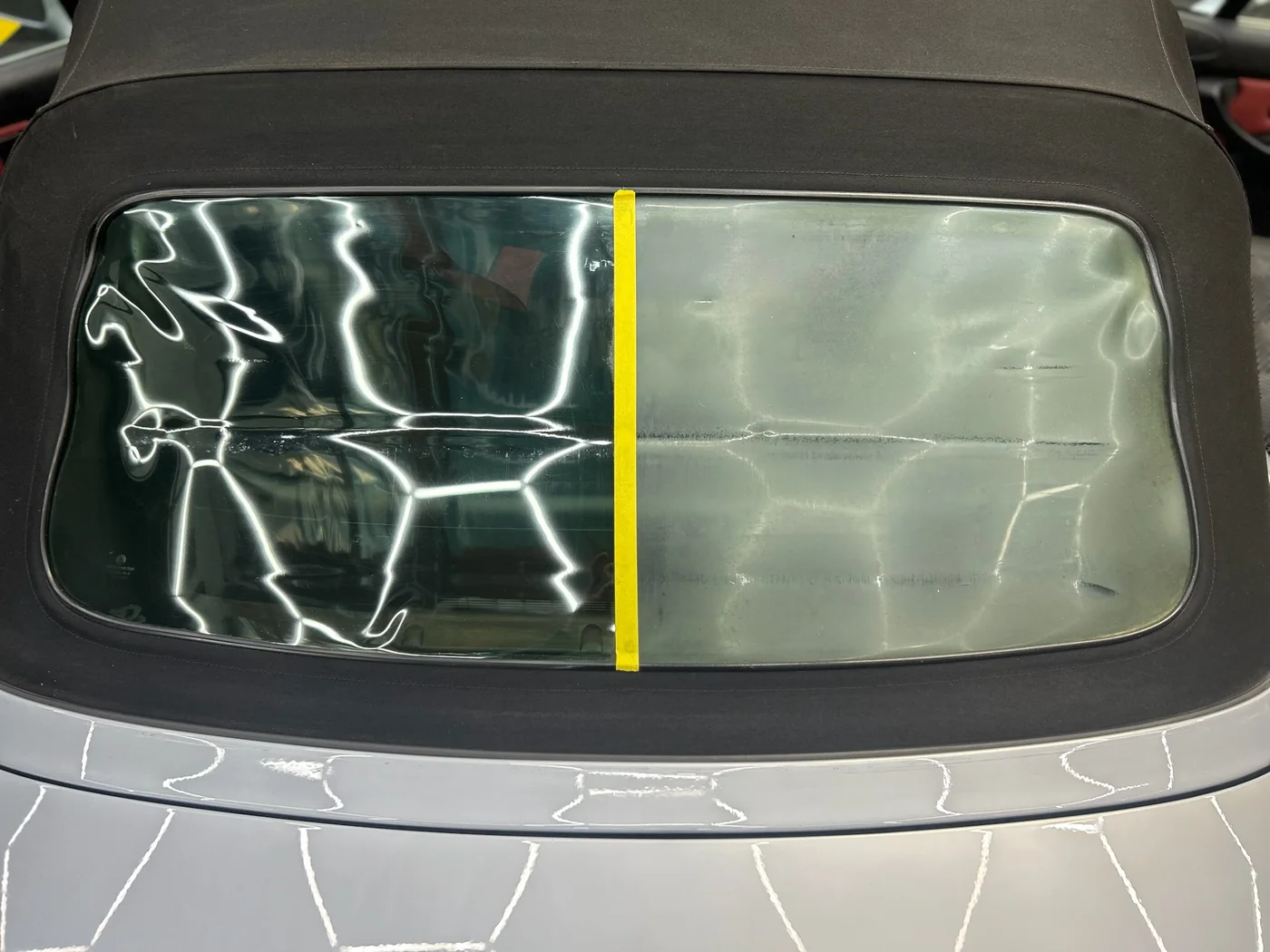
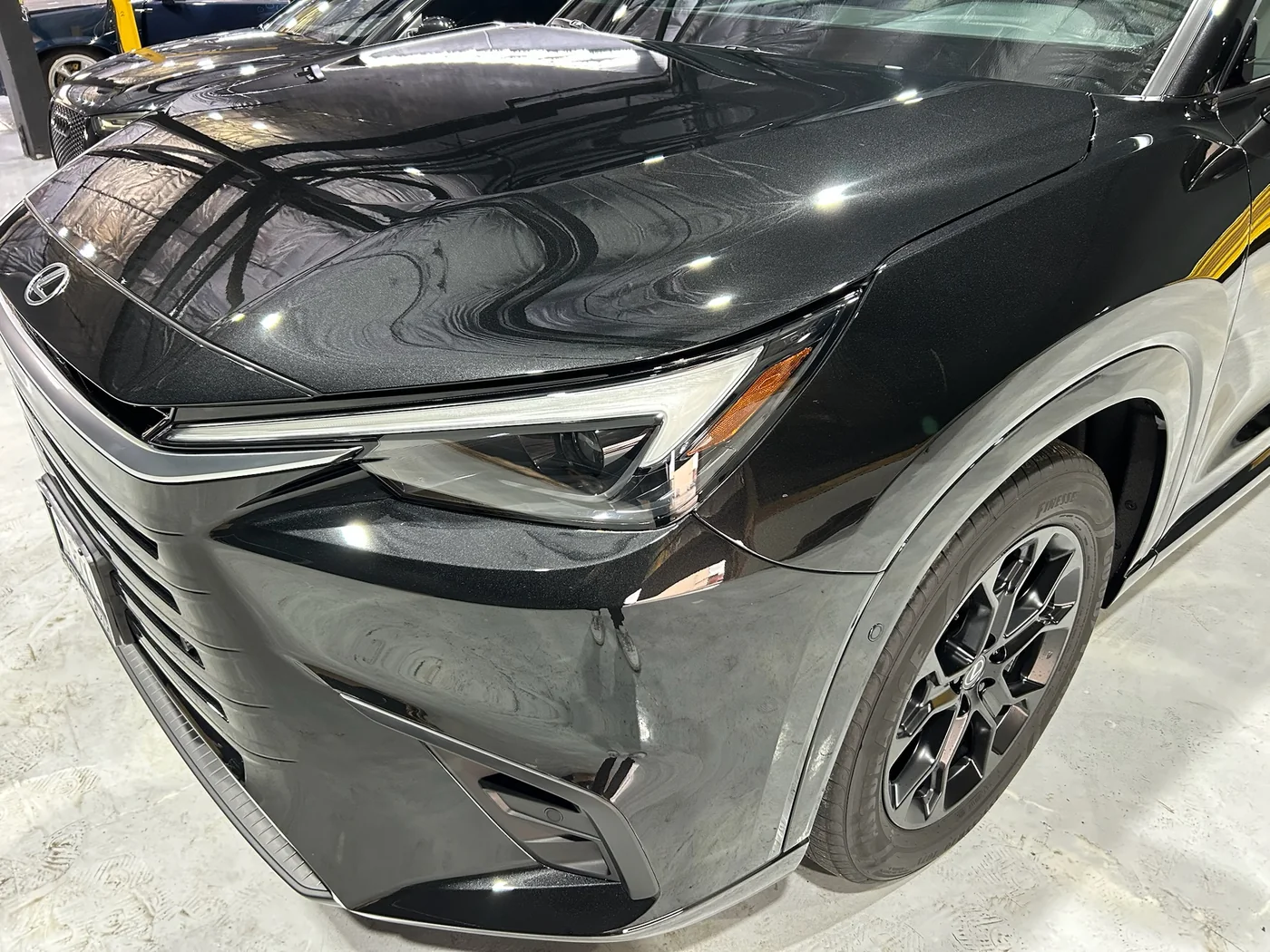
A properly installed ceramic coating also amplifies paint clarity. On a vehicle that has received professional paint correction, the coating locks in a sharper, more reflective finish. Metallic flake appears more defined, gloss reads more evenly across body panels, and dark colors gain a liquid-like depth without the constant need to reapply protection.
This is particularly valuable for premium and performance vehicles with complex bodywork. Sculpted fenders, carbon-fiber trim, piano-black accents, and intricate wheel designs can be difficult to clean consistently. Coating these areas helps streamline maintenance while protecting surfaces that are expensive to refinish or replace.
Preparation Determines the Result
The most overlooked part of ceramic coating is what happens before the bottle is opened. A coating will preserve the condition beneath it. It does not hide swirl marks, rock chips, etching, oxidation, or poor previous repairs. In some lighting, it can make defects appear more obvious because it adds gloss and reflectivity.
That is why professional decontamination and paint correction are central to a premium installation. The process may include a detailed wash, iron removal, clay treatment, measurement of paint thickness where appropriate, and controlled machine polishing. The goal is not always to chase absolute perfection. On an original collector car or a thin factory finish, preserving paint thickness may be more important than removing every trace of age.
A tailored assessment is essential. A newer exotic may warrant extensive correction before coating. A daily-driven luxury SUV may benefit from a measured one-step polish that meaningfully improves gloss while keeping the project efficient. Skilled technicians match the process to the vehicle rather than applying a one-size-fits-all package.
Durability Does Not Mean Invincibility
Ceramic coating is often marketed with dramatic hardness claims, which can create the wrong expectation. A coating is not armor. It will not stop rock chips, prevent door dings, or make a vehicle scratch-proof. Improper washing with abrasive towels, tunnel-car-wash brushes, or contaminated wash mitts can still introduce marring.
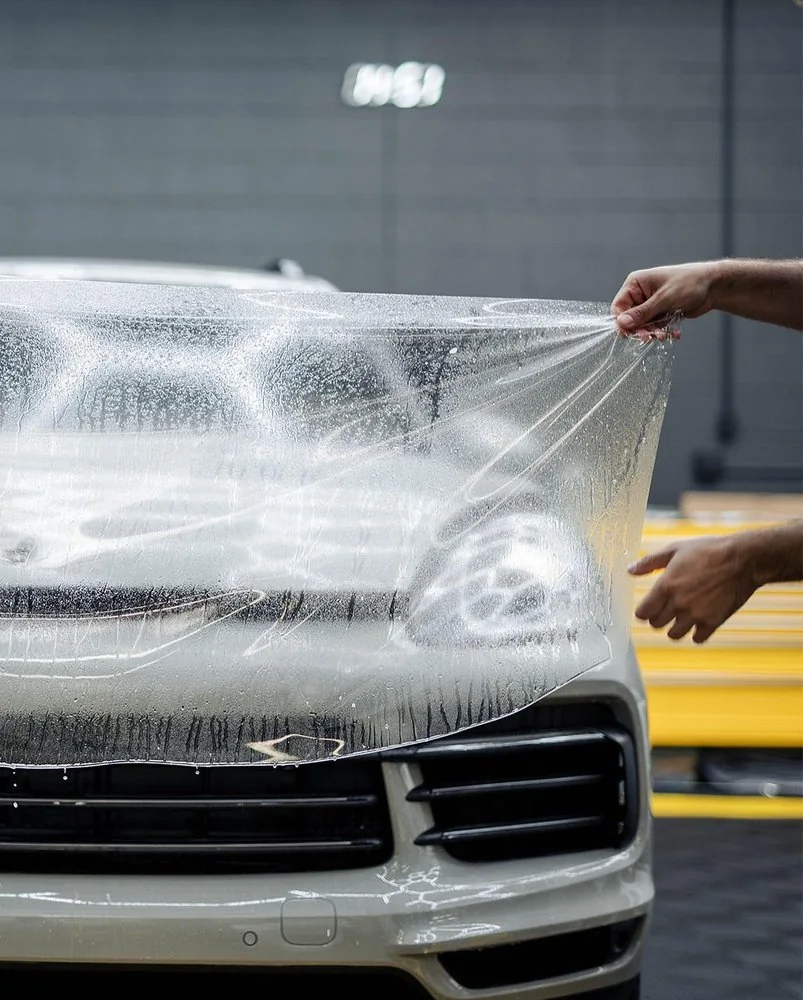
For high-impact areas, paint protection film remains the more appropriate solution. Film is designed to absorb and self-heal from many forms of light surface damage while offering a physical barrier against road debris. On a vehicle that sees freeway miles, canyon drives, or frequent highway travel, protecting the front bumper, hood, fenders, mirrors, rocker panels, and other exposed areas with film can be the smarter first step.
Ceramic coating and paint protection film work exceptionally well together. The film handles impact risk, while coating can improve ease of cleaning and surface behavior across painted panels, film, wheels, glass, and trim. This layered approach is often the most complete answer for clients preserving a high-value vehicle from day one.
Maintenance Is Still Part of Protection
A ceramic-coated vehicle does not need to be babied, but it does deserve correct care. Regular hand washing with pH-balanced products, clean microfiber towels, and safe drying techniques will preserve the finish far better than aggressive automated washes. Bird droppings, tree sap, bug residue, and fuel spills should be removed promptly, even from coated surfaces.
Waxed vehicles need the same careful washing, plus more frequent renewal of the protective layer. Many owners enjoy that ritual. Others would rather spend their weekends driving Highway 1, attending Cars and Coffee, or simply seeing a consistently polished vehicle in the garage without scheduling protection every few months.
Coating maintenance can also include periodic inspections and professional decontamination. Water spots, mineral deposits, and embedded fallout are not always removed by a routine wash. Addressing these issues early protects the coating's performance and prevents damage from reaching the clear coat.
Which Choice Fits Your Vehicle?
Wax is sensible when the vehicle is a lightly driven classic, a seasonal show car, or an enthusiast-owned weekend vehicle whose owner values frequent detailing and a traditional finish. It is also a practical option for someone who wants an immediate visual improvement without committing to paint correction and a multi-year coating service.
Ceramic coating makes more sense for newer luxury vehicles, performance cars, daily drivers, and collector-grade vehicles where long-term appearance and lower maintenance effort matter. It is especially compelling after paint correction, on difficult-to-maintain colors such as black or deep blue, and for owners who want a finish that stays cleaner-looking through demanding real-world use.
The decision should not be driven by a durability claim alone. Consider how the car is stored, how often it is washed, the condition of the paint, and whether it faces regular freeway debris. An indoor-kept Ferrari that travels sparingly has different needs than a daily-driven Porsche Macan or a Tesla used across the Peninsula every week.
At Artec Automotive, protection recommendations begin with the vehicle in front of us, not a predetermined package. The best result may be a refined wax service, a corrected and coated finish, or a combined film-and-coating strategy built around how you actually drive.
Your paint is one of the first things you notice every time you approach your vehicle. Choose the protection that lets you enjoy that moment more often, while respecting the engineering, value, and character that made the vehicle worth owning in the first place.