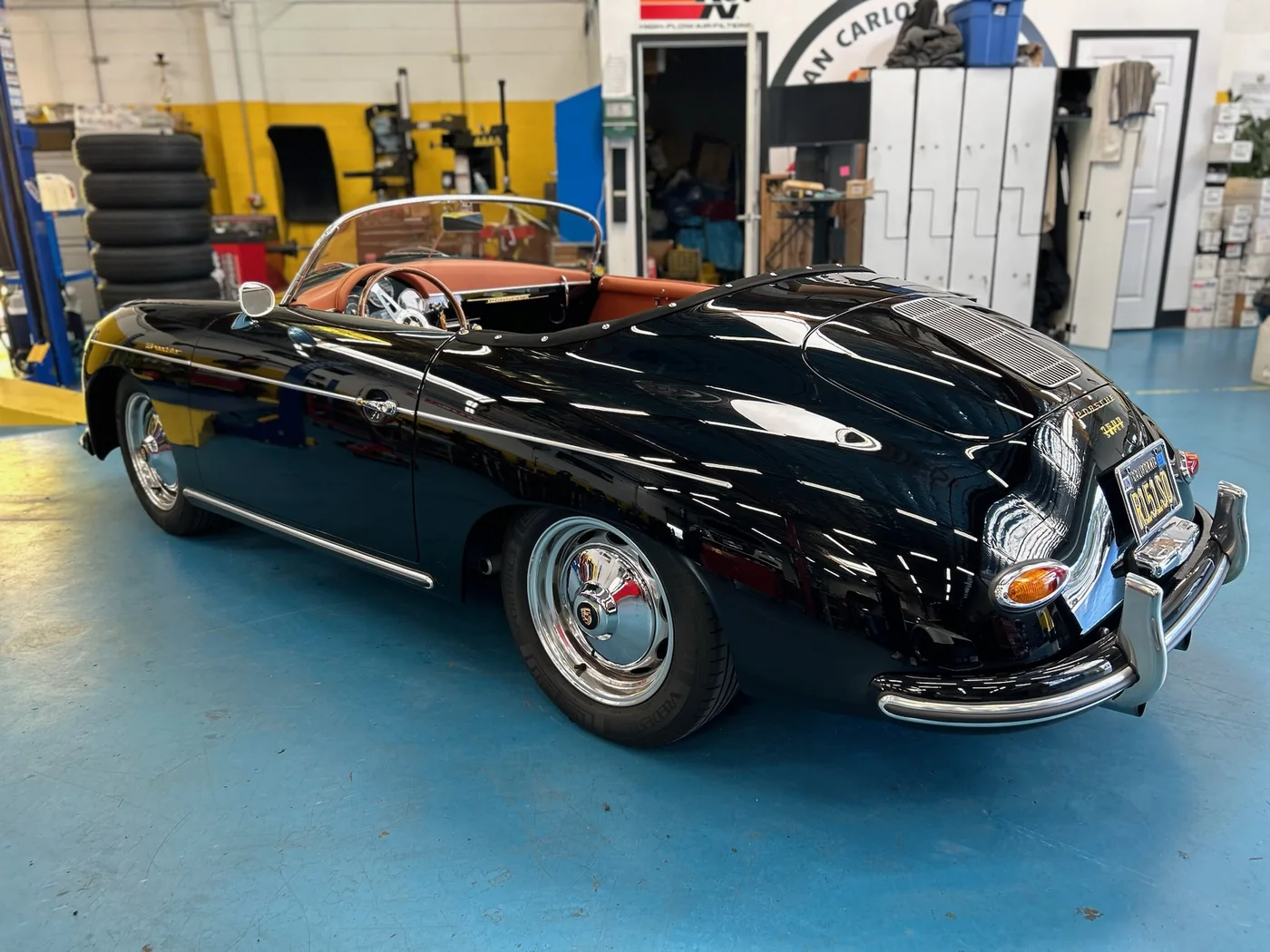

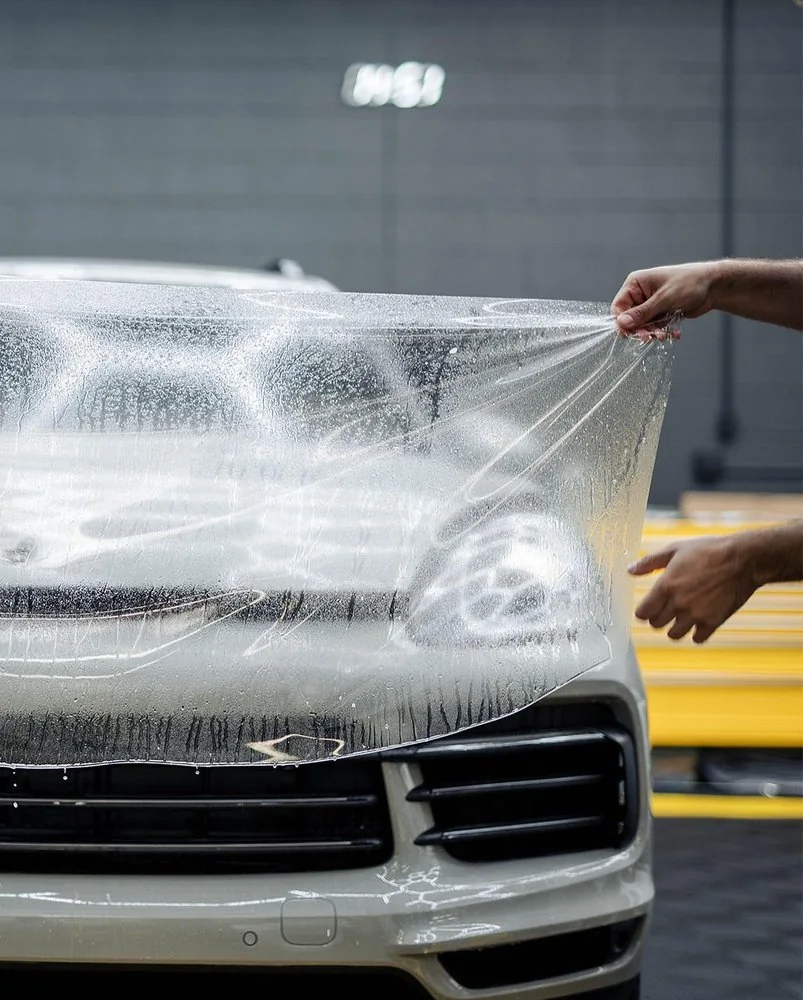

A properly coated vehicle should look distinctly easier to live with: water gathers into tight beads, road film releases with less effort, and the paint retains the crisp depth that made the coating worthwhile. Ceramic coating maintenance is what keeps those benefits working as intended. For Bay Area luxury, European, exotic, and collector vehicles, that means responding to real conditions - marine air, intense UV exposure, tree sap, construction dust, and long stretches of highway driving - rather than treating a coating as a permanent, maintenance-free finish.
A ceramic coating is a high-performance protective layer, not a force field. It adds chemical resistance, gloss, and hydrophobic behavior to properly prepared paint, but it can still collect mineral deposits, become contaminated, or suffer abrasion from improper washing. The ownership habits that follow installation determine whether the finish continues to perform at a premium level.
What Ceramic Coating Maintenance Actually Protects
The visible benefit of a ceramic coating is its water behavior, but beading alone is not the full story. A maintained coating helps limit the bond between contaminants and the painted surface, making routine cleaning safer and more efficient. This matters on dark paint, complex body lines, and vehicles with expensive paintwork where every avoidable wash mark becomes apparent in direct California sunlight.
Maintenance also preserves the coating's intended gloss and clarity. When mineral deposits, traffic film, or oily residue sit on the surface, they can mask the hydrophobic properties owners expect from a ceramic-coated vehicle. Many people assume the coating has failed when water stops beading. Often, the coating is still present but needs a proper decontamination wash or professional inspection.
There is a practical value consideration as well. Clean, well-preserved paint supports a stronger presentation when it is time to sell, trade, show, or add the vehicle to a collection. Ceramic coating does not eliminate the need for care, but it creates a more manageable path to preserving original paint and maintaining exceptional aesthetics.
The Right Wash Routine for a Coated Vehicle
Frequency depends on how and where the vehicle is used. A weekend-driven sports car kept in a climate-controlled garage may need a careful wash every few weeks. A daily-driven SUV that crosses the Bay Bridge, parks outdoors, or travels through construction corridors may need attention weekly or whenever road film begins to build. The goal is not aggressive washing. It is removing contamination before it has time to bond to the surface.
Start with a gentle pre-rinse
A thorough rinse removes loose dust, sand, and debris before a wash mitt touches the paint. This is one of the simplest ways to reduce wash-induced marring. Use a controlled stream of water rather than a pressure nozzle held too close to panel edges, badges, fresh paint, or paint protection film seams.
For vehicles with heavy road film, a quality pH-neutral pre-wash can help soften contamination. Avoid household degreasers, dish soap, or harsh alkaline cleaners. They may strip maintenance products, dry exterior trim, and create a needlessly aggressive wash process.
Use pH-neutral shampoo and clean wash media
A pH-neutral automotive shampoo is the correct baseline for coated paint. It cleans without relying on harsh chemistry that can compromise the coating's behavior over time. Work from the upper panels downward, frequently rinsing the wash mitt and using separate tools for lower rocker panels, wheels, and exhaust areas.
The wash media matters as much as the soap. Premium microfiber mitts and towels should be clean, free of embedded debris, and replaced when they no longer feel safe against delicate paint. A single contaminated towel can introduce fine scratches that no coating can prevent.
Dry the vehicle before water spots form
Bay Area water conditions vary, but mineral spotting is a consistent risk wherever water dries on warm panels. After rinsing, use clean, high-quality microfiber drying towels with light pressure. A filtered-air blower is especially useful around mirrors, grilles, emblems, wheel hardware, and body seams where trapped water can drip later.
If the vehicle is washed in direct sun, work panel by panel and do not allow soap or rinse water to dry. The ideal wash environment is shaded and cool. It is a small operational detail that protects the clarity of the coating and reduces the need for corrective polishing later.
Contaminants That Need Fast Attention
Not every mark needs immediate intervention, but some contaminants should never be left to sit. Bird droppings, bug splatter, tree sap, fuel spills, hard-water spots, and fresh tar can etch or stain if ignored long enough, particularly on hot paint. The coating gives you more time to respond, not unlimited time.
Keep a clean microfiber towel and a dedicated quick-detailing product approved for coated surfaces in the vehicle. For light fresh contamination, gently saturate the area, allow the product to loosen the residue, and lift it away without scrubbing. If the contaminant has hardened, do not attack it with a dry towel or fingernail. A professional detailer can remove it with the right chemistry and technique while protecting the finish underneath.
Tree sap deserves special attention for cars parked in residential neighborhoods or near trailheads, golf courses, and office campuses. It often appears harmless at first, then becomes difficult to remove after heat cycles. Covered parking and a quality car cover can be worthwhile for a vehicle that spends extended time outdoors, although the cover must be clean and properly fitted to avoid abrasion.
Ceramic Coating Maintenance Is Not the Same as Waxing
Traditional waxes and many sealants are not necessary for a coated car, and applying them indiscriminately can alter the slickness and water behavior of the surface. A coating-specific maintenance topper can be useful after washing, but only when it is compatible with the installed coating and used sparingly. More product is not automatically better.
The same restraint applies to automated car washes. Brush tunnels can rapidly create swirls and dull the appearance of even the finest ceramic-coated finish. Touchless washes are less abrasive, but their strong chemicals can be too aggressive for frequent use. For a premium vehicle, a careful hand wash or professional maintenance detail remains the better choice.
When Water Beading Changes
Water behavior is a helpful indicator, but it is not a perfect diagnostic tool. A coated surface may sheet water instead of forming dramatic beads depending on the coating type, panel angle, contamination level, and rinse conditions. Focus on how easily the vehicle cleans and whether the paint still feels smooth, glossy, and protected.
If beading noticeably slows, start with a proper wash. If the surface still feels rough or water spots remain after cleaning, the vehicle may need chemical decontamination or a light clay treatment performed by a trained professional. Improper clay use can create marring, and aggressive polishing can reduce the coating thickness or remove it entirely.
This is where an experienced shop adds value. The correct response may be a coating refresh, targeted spot treatment, or a maintenance detail rather than a full correction. Artec Automotive approaches each vehicle according to its paint condition, coating history, driving environment, and the owner's expectations for appearance and preservation.
Plan Professional Inspections Into Ownership
For enthusiast and collector vehicles, professional coating checkups are a sensible part of long-term care. An inspection can identify embedded contamination, early water spotting, neglected wheel finishes, or areas exposed to unusual wear before they become larger cosmetic projects. Vehicles with paint protection film benefit from this same attention, since the film, coating, trim, wheels, and glass all age differently.
A professional maintenance service is particularly valuable before a major event, seasonal storage, a road trip, or a resale listing. It restores a vehicle's presentation without relying on unnecessary correction work. For vehicles stored for extended periods, begin with a clean, dry surface and avoid sealing in moisture, dust, or organic contamination beneath a cover.
The best ceramic coating maintenance plan is not complicated. Wash with the right chemistry, dry with care, remove contaminants promptly, and bring in a specialist when the finish no longer responds as it should. That discipline keeps the vehicle looking as intentional on an ordinary drive through the Peninsula as it does under the lights at a weekend gathering.