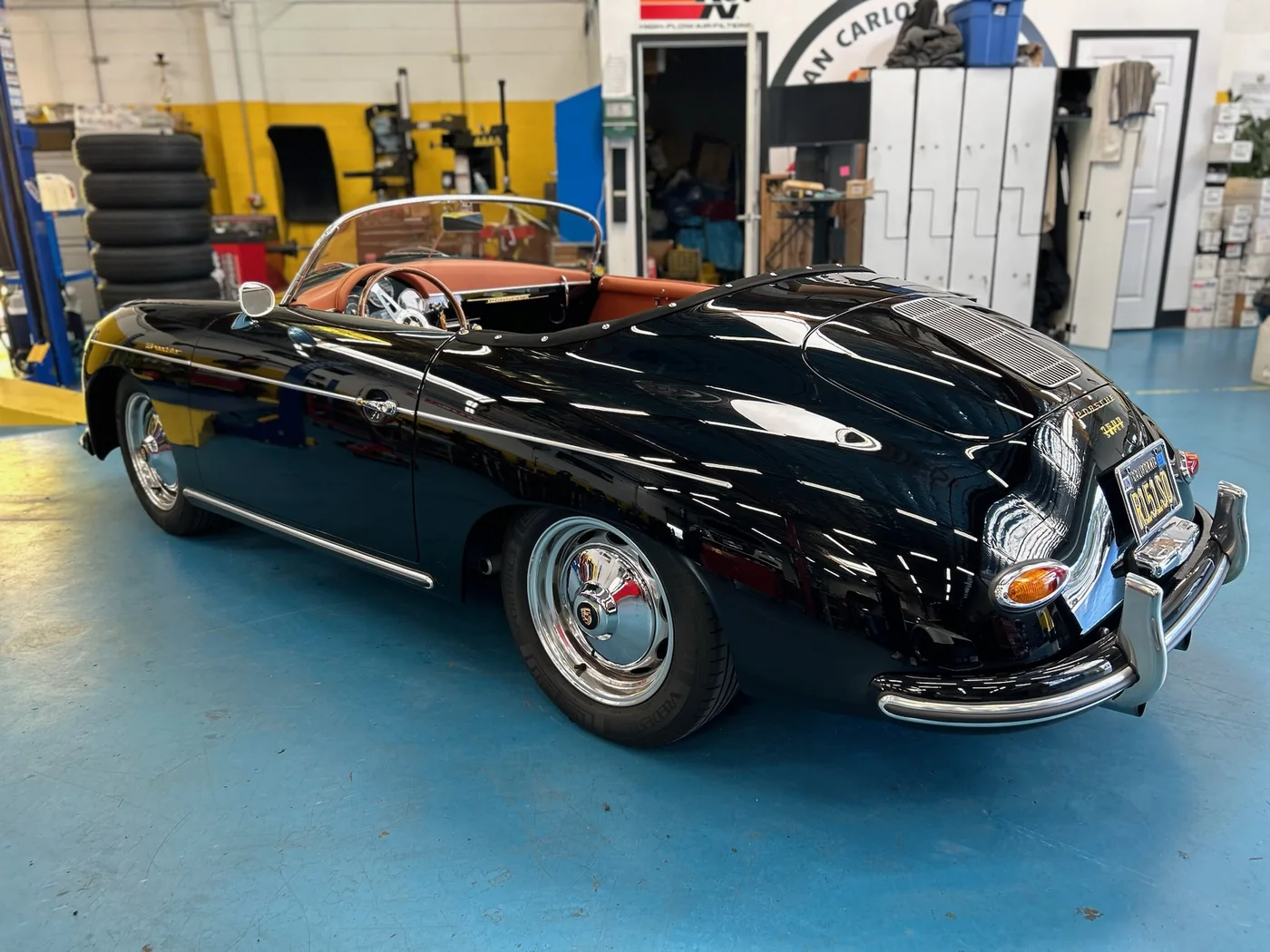

A dark-painted 911 parked outside in San Carlos can look exceptional on delivery day, then quickly reveal water spotting, fine wash marks, and a duller finish after a few Bay Area seasons. For owners considering ceramic coating cars, the real question is not whether a coating makes paint shiny. It is whether the coating is being used as part of a precise preservation strategy for a vehicle that deserves more than a quick detail.
A professionally installed ceramic coating creates a durable, chemically resistant layer over properly prepared paint. It enhances gloss, makes routine washing more efficient, and helps contaminants release before they become lasting defects. On luxury, exotic, collector, and performance vehicles, those benefits matter because condition is part of both the ownership experience and the vehicle's long-term value.
What Ceramic Coating Actually Does
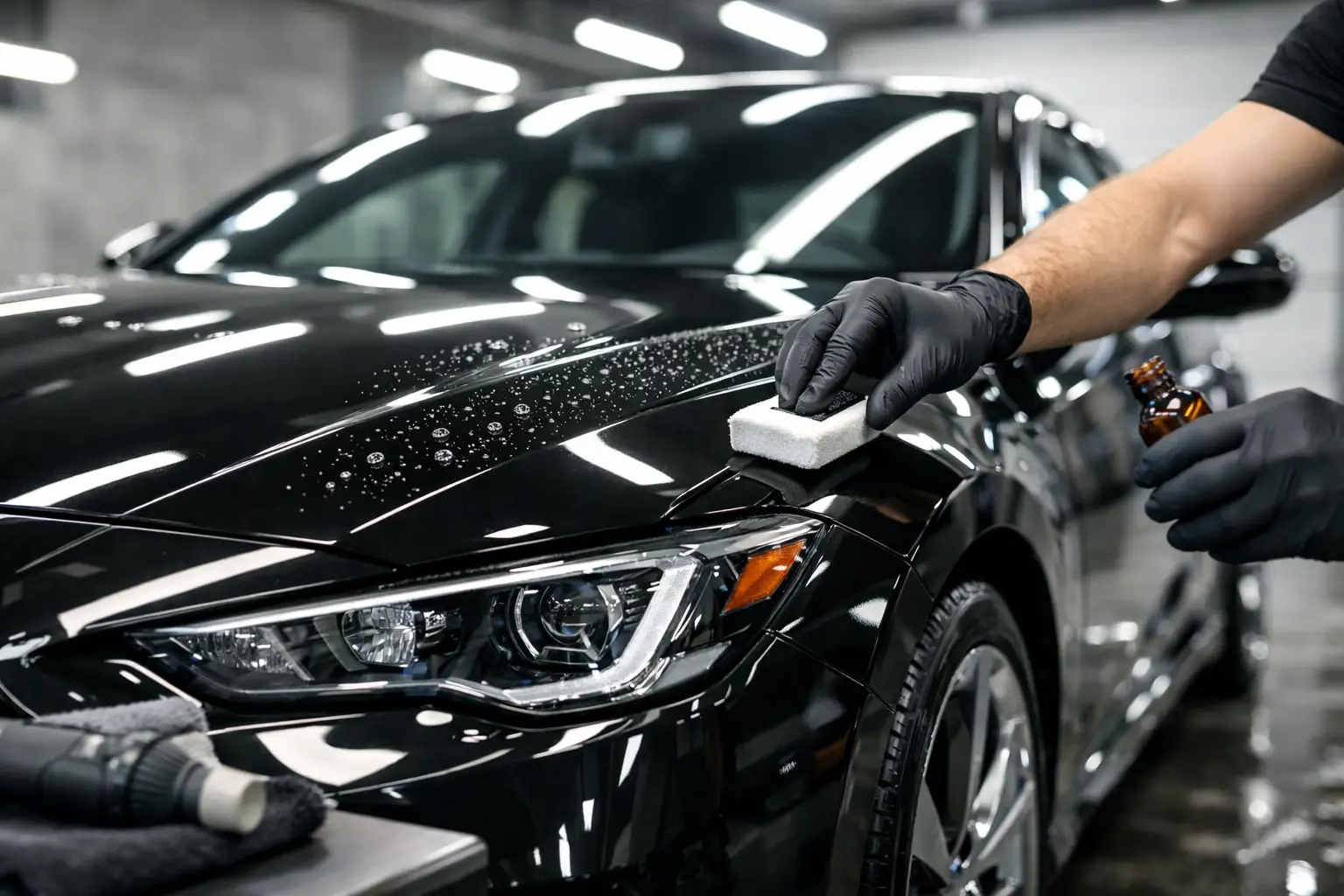
Ceramic coatings use advanced chemical technology to bond with a vehicle's clear coat. Once cured, the coating forms a slick, hydrophobic surface that changes the way water, road film, dust, bugs, and other contaminants interact with the paint. Water beads and sheets more readily, washing requires less friction, and the finish retains a richer, cleaner appearance between appointments.
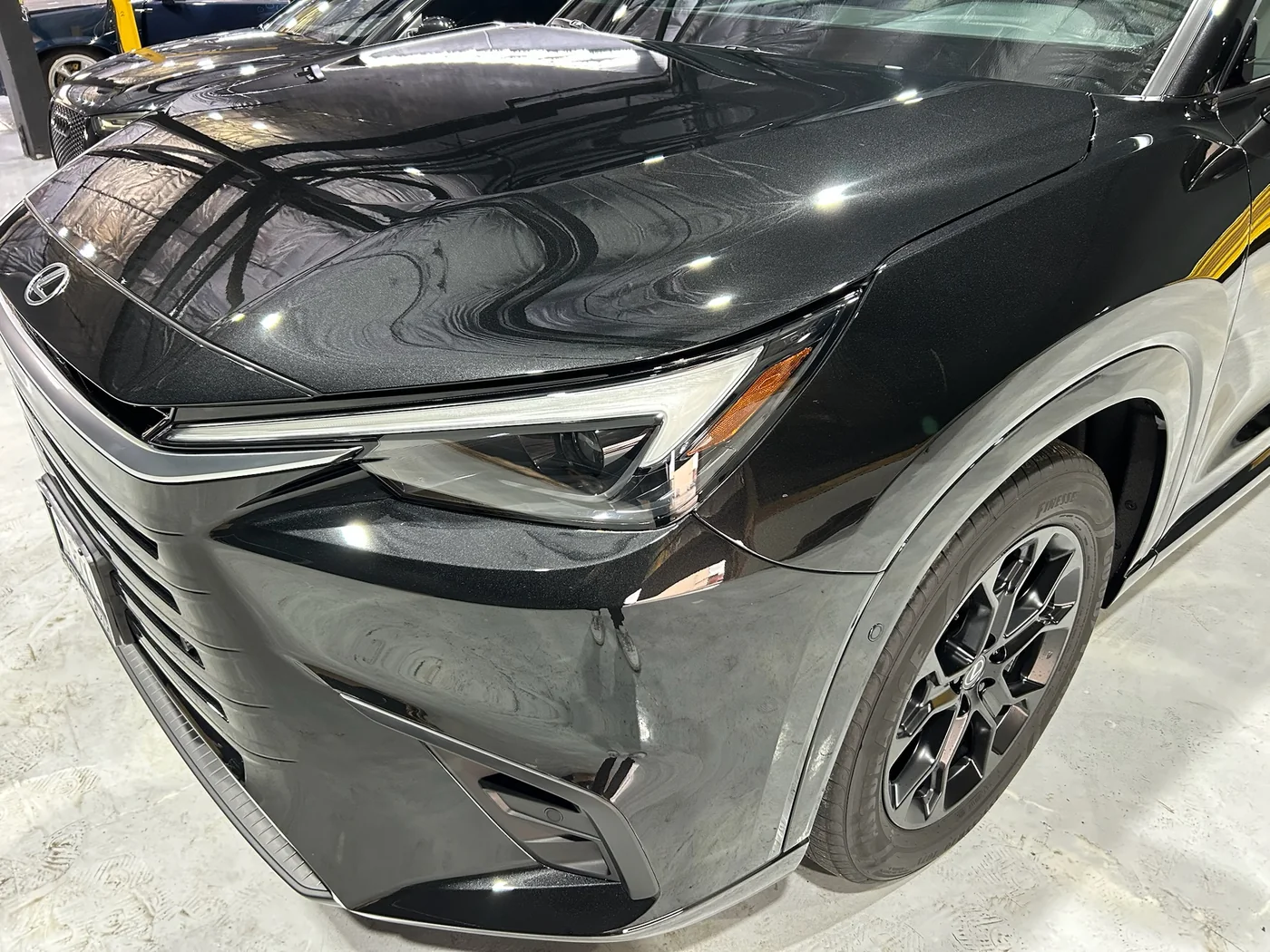
The visual improvement is often the first thing an owner notices. A quality coating can add depth to black paint, sharpen metallic flake, and give solid colors a more refined, liquid-like gloss. That result is especially compelling on vehicles with sculpted bodywork, carbon-fiber details, piano-black trim, and intricate wheels, where a clean finish highlights the design rather than hiding it beneath haze.
The practical advantage is equally valuable. Coated paint is easier to maintain because contaminants are less likely to bond aggressively to the surface. Bird droppings, bug residue, tree sap, mineral deposits, and road grime still need prompt attention, but the coating provides valuable time and reduces the effort required to clean the vehicle correctly.
What It Does Not Protect Against
A ceramic coating is not a substitute for paint protection film. It will not prevent rock chips, deep scratches, parking-lot impacts, or abrasions from road debris. It also cannot correct existing chips, oxidation, sanding marks, or clear-coat failure. Any shop that presents a coating as an invisible shield against every form of damage is setting the wrong expectation.
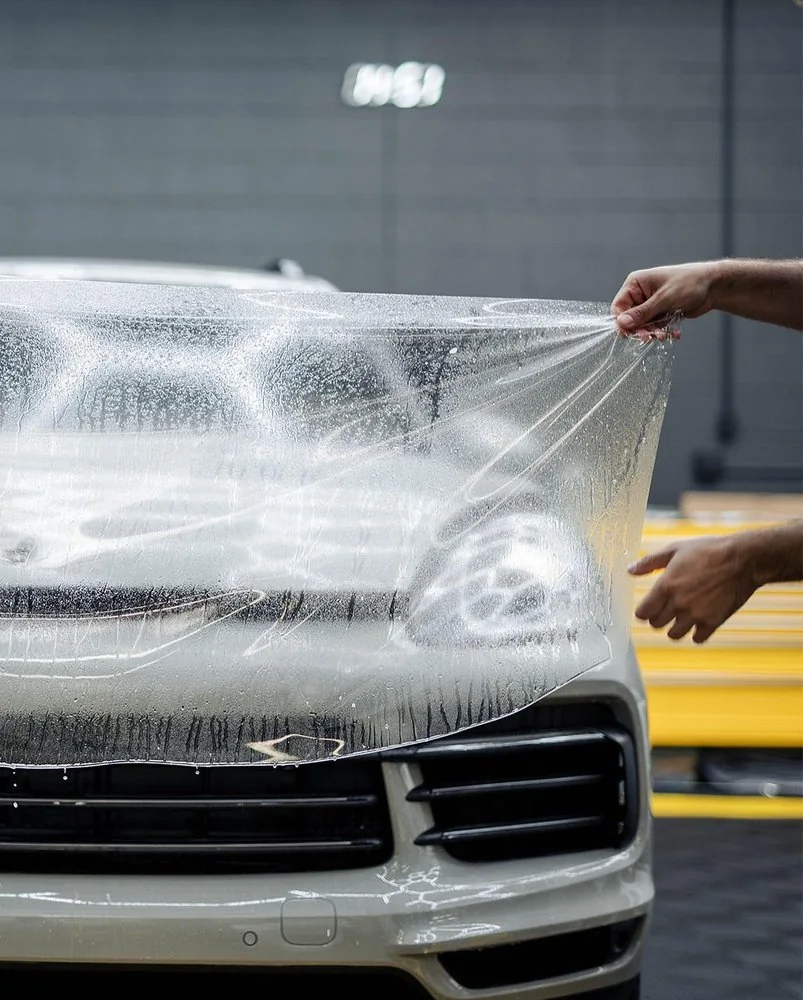
For vehicles driven regularly on Highway 280, Highway 101, or Bay Area back roads, paint protection film is the better defense for high-impact areas. A tailored installation can protect the front bumper, hood, fenders, mirrors, rocker panels, and other exposed surfaces from physical damage. Ceramic coating can then be applied over the film and painted panels to improve gloss and make the entire vehicle easier to maintain.
That combination is often the right answer for a new high-performance vehicle, a freshly restored classic, or an exotic with expensive paintwork. Film manages the impact risk. Coating supports appearance, cleaning efficiency, and chemical resistance. Each treatment performs a different job, and the best protection plan recognizes the distinction.
Preparation Determines the Result
The quality of a ceramic coating installation is decided well before the coating is applied. Coating over contamination, embedded fallout, swirl marks, and improper wash damage can lock those defects beneath a highly reflective finish. The surface may be protected, but it will not look exceptional.
Professional preparation begins with a careful assessment of paint condition, paint type, panel history, and the vehicle's intended use. The process can include decontamination, clay treatment, iron removal, precise polishing, and paint correction to remove or reduce defects safely. The goal is not to chase perfection at the expense of clear-coat thickness. It is to achieve the strongest possible finish through measured, vehicle-specific correction.
This matters greatly on premium vehicles. Factory finishes vary, repainted panels can react differently, and soft clear coats found on some European models demand a controlled approach. A trained technician evaluates the paint rather than applying a one-size-fits-all procedure. That level of care is where a premium coating service separates itself from an express application.
Paint Correction Before Coating
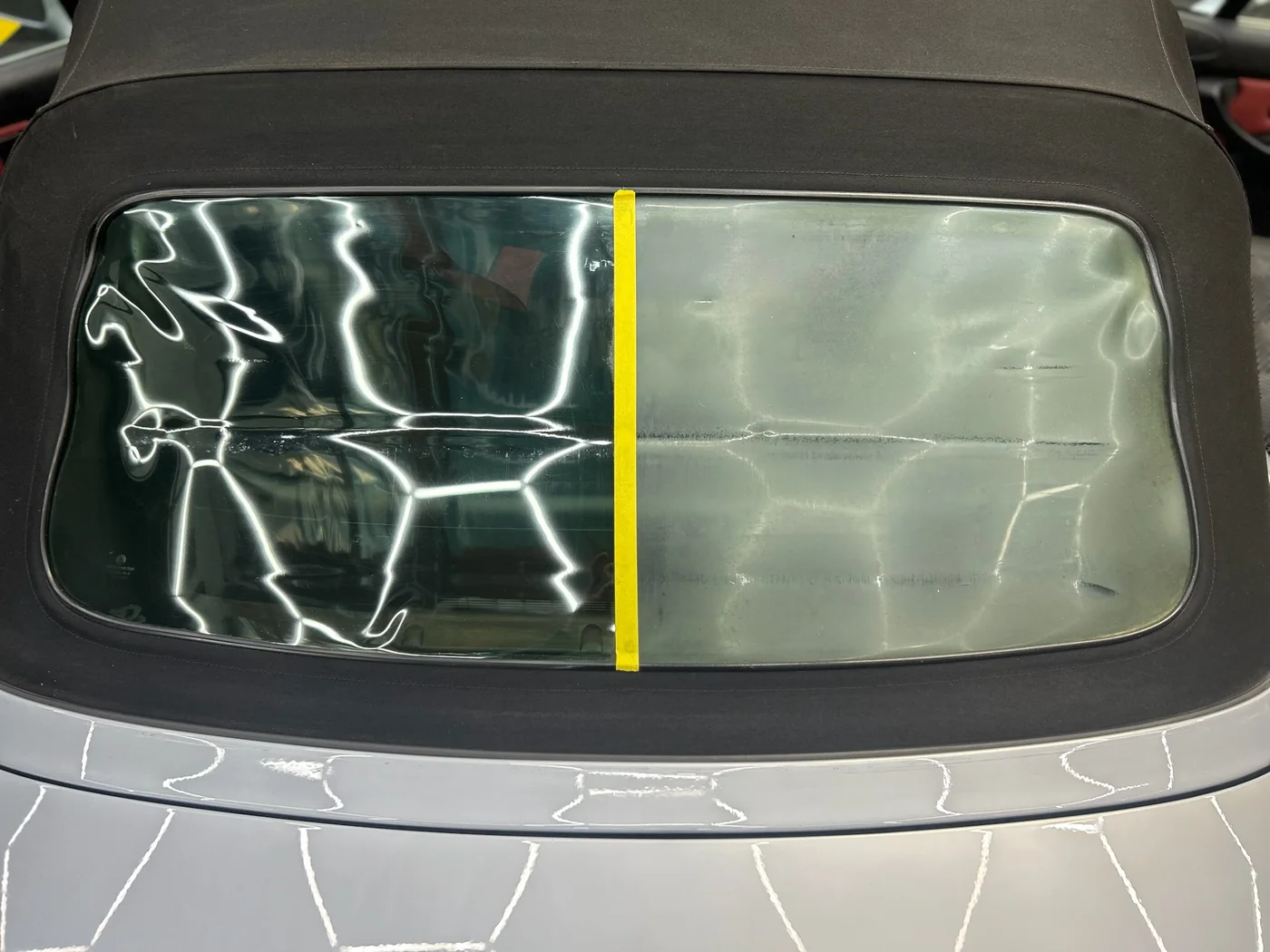
A new vehicle is not automatically free of defects. Dealership washing, transport film removal, and lot exposure can introduce fine marring before the owner takes delivery. Older vehicles may carry years of wash-induced swirls that only become more visible after the gloss of a coating amplifies the finish.
Paint correction is the opportunity to reset the appearance of the vehicle before protection is installed. Depending on the paint and desired outcome, that may involve a light refinement polish or a more extensive multi-stage correction. The right scope depends on the vehicle, not a preset package.
Ceramic Coating Cars in the Bay Area
Northern California presents a unique mix of conditions for fine automotive finishes. Strong sunlight and UV exposure can be hard on paint, plastics, and trim. Coastal moisture, salt air, construction dust, tree debris, wildfire residue, and hard-water minerals add their own challenges. A ceramic coating does not make a vehicle maintenance-free, but it helps owners manage these exposures without constantly subjecting the paint to aggressive cleaning.
It is particularly useful for owners who want their vehicle to look freshly detailed more often without scheduling a full correction every year. The hydrophobic surface encourages regular, gentle maintenance. When the wash process is correct, there is less need for repeated heavy polishing, which helps preserve the integrity of the clear coat over time.
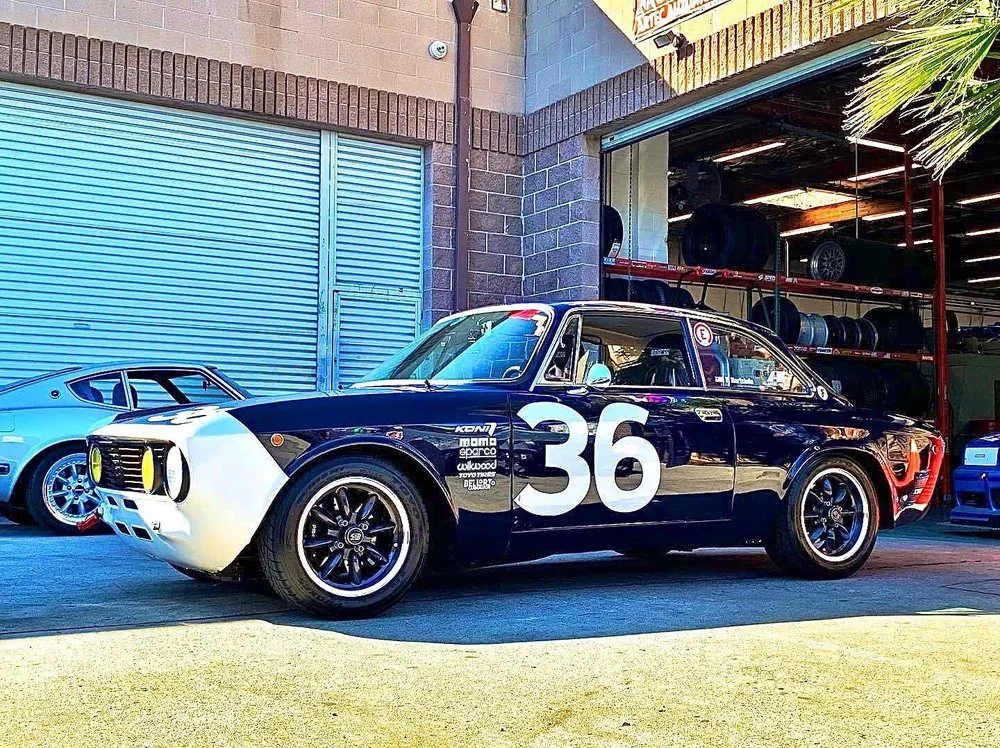
Garage-kept collector vehicles can benefit as well. Even limited-use cars accumulate dust, fingerprints, airborne contaminants, and garage humidity effects. A coating provides a more stable, easier-to-care-for finish while keeping the vehicle ready for a weekend drive, show, or private event.
Choosing the Right Coating Plan
The ideal coating package depends on how the vehicle is driven, stored, washed, and valued. A daily-driven luxury SUV may need a complete exterior treatment focused on practical maintenance and protection from frequent exposure. A supercar may benefit from front-end paint protection film, a coating over the protected surfaces, wheel-face protection, and carefully selected treatment for trim and glass.
For a collector car, the conversation may focus more on paint correction, controlled storage, infrequent but exacting maintenance, and preserving original finishes. There is no single duration claim or product label that replaces this evaluation. The best recommendation considers the real ownership pattern, including whether the car sees city commuting, long highway miles, canyon drives, track events, or climate-controlled storage.
Artec Automotive approaches these decisions as part of comprehensive vehicle care. Protection, detailing, window tint, mechanical service, custom work, and storage can all affect how a vehicle should be maintained. A cohesive plan reduces the chance that one service compromises the finish protected by another.
How to Maintain a Ceramic-Coated Vehicle
A coating rewards proper care but does not eliminate it. Wash the vehicle regularly using pH-neutral products, clean microfiber towels, and techniques that minimize friction. Avoid automatic brushes, harsh degreasers, and contaminated wash equipment. These can abrade the coating, induce swirls in the paint below, and diminish the clarity that made the coating worthwhile.
Mineral-rich water should not be allowed to dry on the surface, especially in direct sun. Quick drying with quality microfiber towels or filtered air helps prevent water spots. Bird droppings, tree sap, fuel spills, and bug residue should be removed as soon as practical. The coating adds chemical resistance, not unlimited immunity.
Periodic professional maintenance is also worthwhile. A specialist can inspect the coating's behavior, decontaminate the surface safely, address isolated staining, and restore hydrophobic performance where necessary. This is particularly valuable for vehicles with paint protection film, matte finishes, or complex carbon-fiber components that demand product-specific care.
Is a Ceramic Coating Worth It?
For an owner who treats a vehicle as a serious asset and a personal statement, ceramic coating is usually worth considering. It delivers the greatest value when the paint is properly corrected, the product is selected for the vehicle's needs, and maintenance remains disciplined. It is less compelling for a vehicle that will be run through brush washes, left unwashed for months, or expected to resist physical damage without film.
The best outcome is not simply a dramatic first-day shine. It is a finish that remains easier to clean, more resistant to environmental wear, and consistently worthy of the machine beneath it. Start with an honest evaluation of your paint, driving habits, and protection priorities, then build a plan that lets the vehicle keep looking as intentional as it feels behind the wheel.