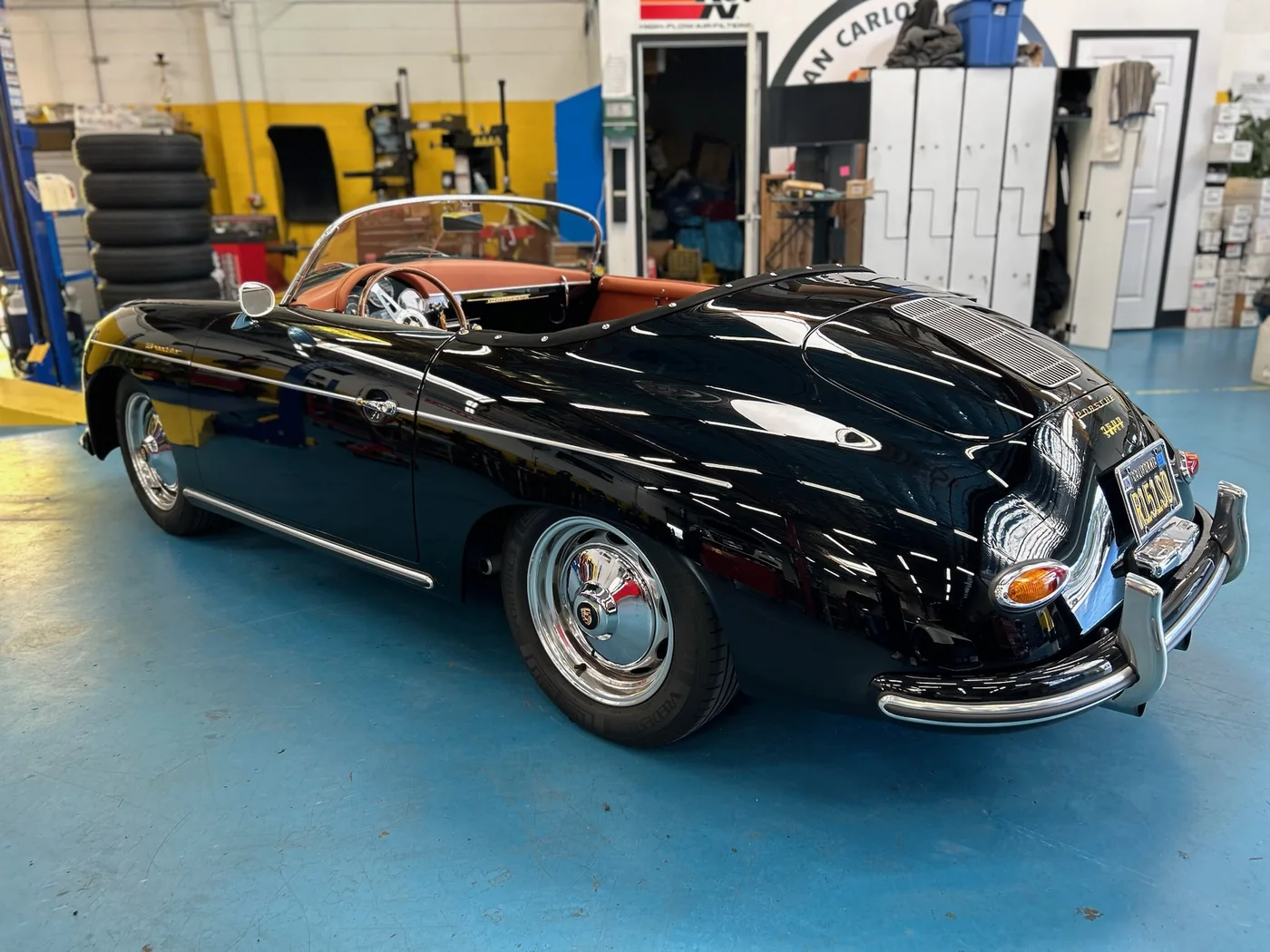

A black vehicle can look flawless when it leaves the garage and visibly tired by the end of a single Bay Area commute. Coastal moisture, construction dust, brake debris, tree sap, UV exposure, and rushed tunnel washes all leave their mark. Professional car detailing is not simply about making a vehicle look clean for the weekend. It is a precise process of decontaminating, correcting, preserving, and maintaining the materials that define its condition and value.
For owners of European, exotic, collector, and performance vehicles, that distinction matters. Paint, leather, carbon fiber, Alcantara, polished metal, satin trim, and intricate wheel finishes all respond differently to heat, chemicals, abrasion, and neglect. The right detailing approach protects the character of the vehicle without introducing unnecessary risk.
What Professional Car Detailing Actually Does
A proper detail begins with assessment, not a menu of generic add-ons. A specialist evaluates the paint's current condition, identifies prior coating or paint protection film, checks for bonded contamination, measures where appropriate, and considers how the vehicle is used. A weekend-driven 911 stored indoors needs a different maintenance strategy than a daily-driven Range Rover that sees Highway 101, school drop-offs, and frequent outdoor parking.
The process generally addresses three layers of condition. First is cleaning: safely removing loose dirt, road film, brake dust, insects, salt residue, and interior debris. Second is correction: reducing paint defects such as wash marring, light scratches, oxidation, water-spot etching, and haze when the paint has enough healthy material to support it. Third is protection: applying the appropriate protectant to preserve the corrected surface and make future maintenance safer and easier.
The difference between a basic wash and detailing is control. Professional work relies on clean tools, vehicle-safe chemistry, proper dwell times, separate procedures for wheels and paint, and careful drying techniques. That discipline is especially valuable on dark colors, soft clear coats, matte finishes, and vehicles with complex bodywork where dirt gathers around trim, vents, badges, and panel edges.
Paint Correction Is About Restraint, Not Perfection at Any Cost
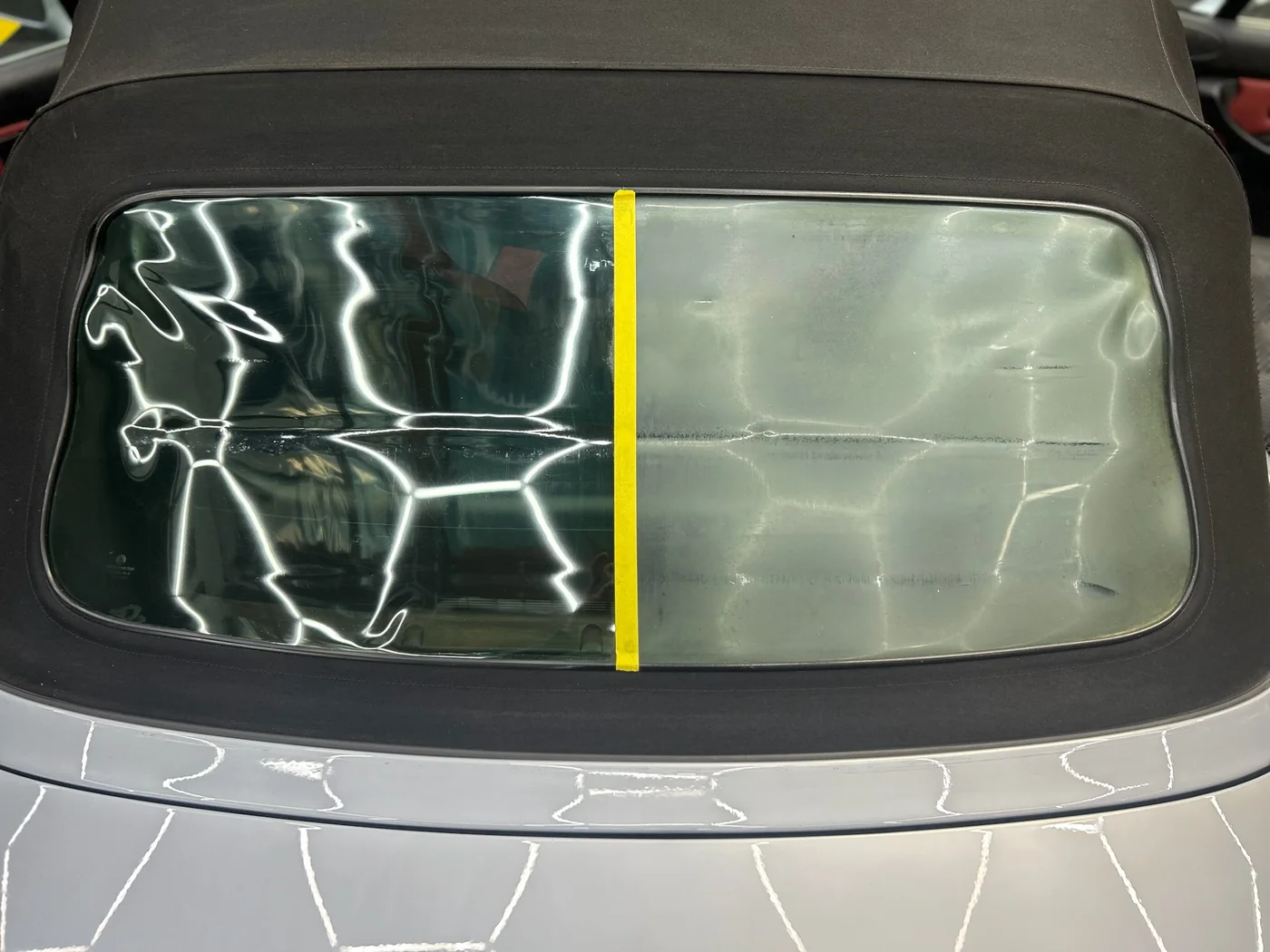
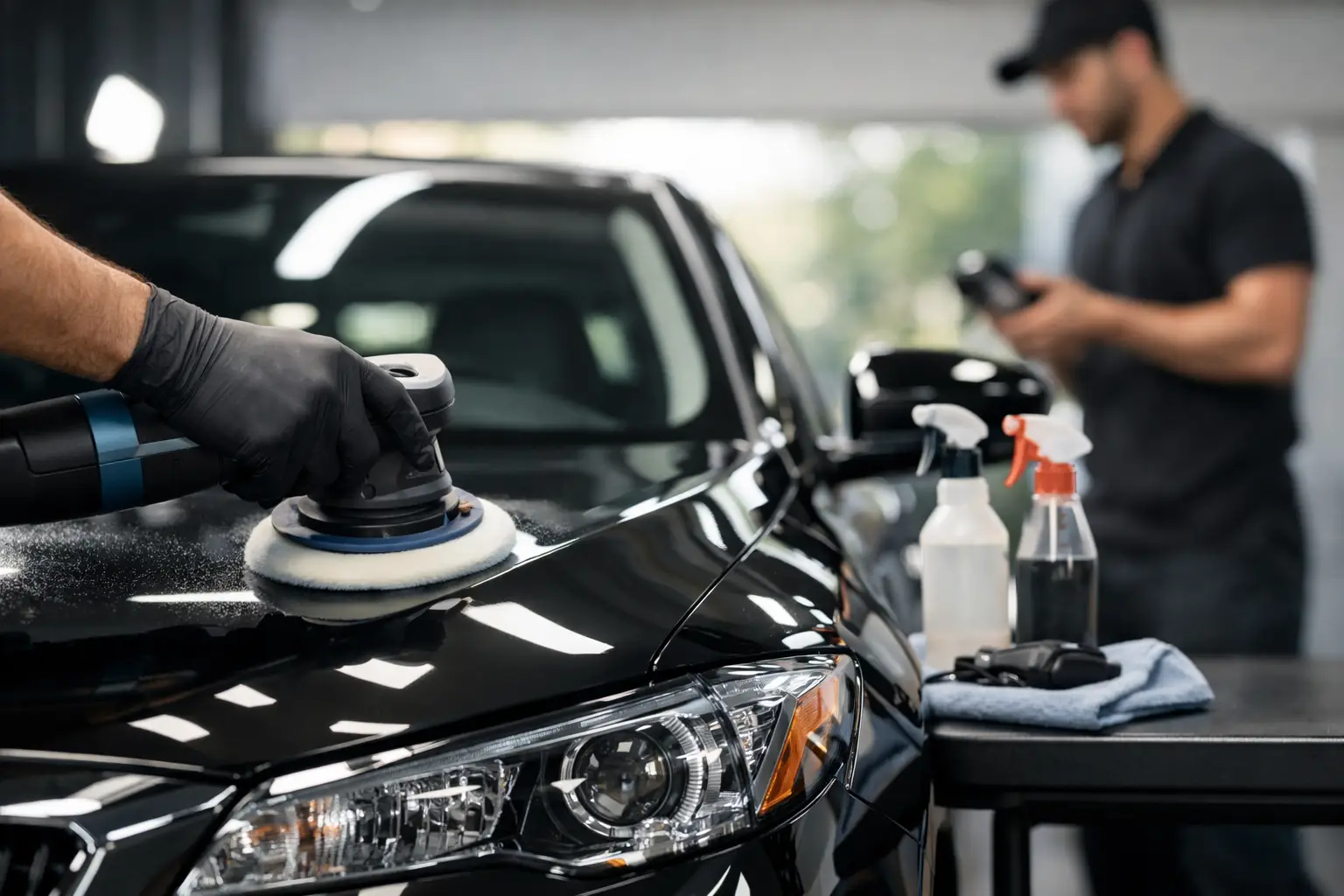
Paint correction is often misunderstood as a promise to erase every visible mark. In reality, it is a measured refinement process. Most swirl marks and light scratches are defects in the clear coat, and polishing levels the surrounding finish to reduce their visibility. Because clear coat is finite, the goal is to achieve an exceptional visual improvement while preserving as much of the factory finish as possible.
A one-step polish may be ideal for a newer vehicle with mild wash marring. A multi-stage correction can be appropriate for more heavily neglected paint, especially before applying a ceramic or graphene coating. Yet deeper scratches, rock chips, sanding marks from prior repairs, and etched spots may require a different solution - or may be best left partially visible rather than aggressively chased.
That judgment separates premium detailing from cosmetic overcorrection. A vehicle intended for concours display has different expectations than a frequently driven performance car. The best result is not always the maximum amount of polishing. It is the finish that looks dramatically better, remains healthy, and suits the owner's real-world use.
Decontamination Comes Before Polishing
Even paint that appears clean can hold embedded contaminants. Industrial fallout, rail dust, overspray, mineral deposits, and road grime bond to the surface over time. If polishing begins before those contaminants are safely removed, they can interfere with the work and potentially create additional marring.
A thorough preparation process typically includes a pH-appropriate wash, chemical decontamination for iron particles and other residues, and mechanical decontamination when needed. The exact method depends on the vehicle's finish and existing protection. On paint protection film, matte paint, or delicate vintage surfaces, technique and product selection become even more critical.
Interior Detailing Preserves the Cabin Experience
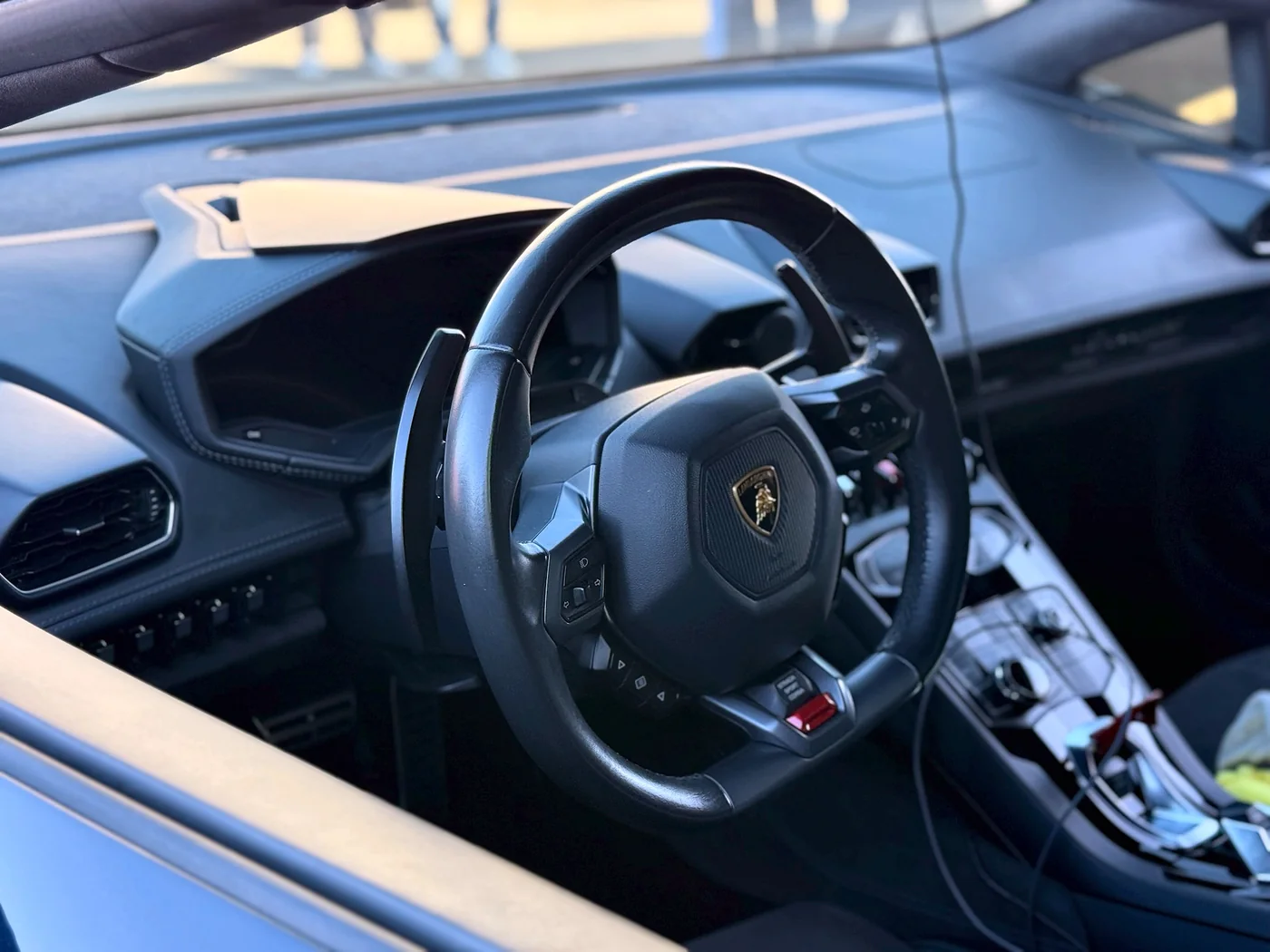
The interior of a premium vehicle is not an afterthought. It is where the owner experiences the engineering and craftsmanship every mile. Leather can dry or discolor, gloss black trim can scratch, Alcantara can become matted, and touchpoints accumulate oils that slowly change their appearance. A detailed interior should feel composed and original, not artificially shiny or heavily fragranced.
Professional interior care uses material-specific methods. Leather needs gentle cleaning before conditioning is considered. Alcantara requires controlled brushing and low-moisture cleaning to restore its texture. Displays, piano-black surfaces, carbon fiber, wood veneers, and anodized trim demand soft tools and residue-free products. Floor mats, carpets, seat rails, door jambs, and the spaces around controls receive attention because these are the places that reveal whether a vehicle has truly been cared for.
The trade-off is time. Quick interior services can improve presentation, but they rarely address accumulated contamination in a meaningful way. For a vehicle being prepared for sale, returning from long-term storage, or recovering from family use and frequent commuting, a more comprehensive interior detail is usually the better investment.
Protection Should Match the Vehicle and Its Use
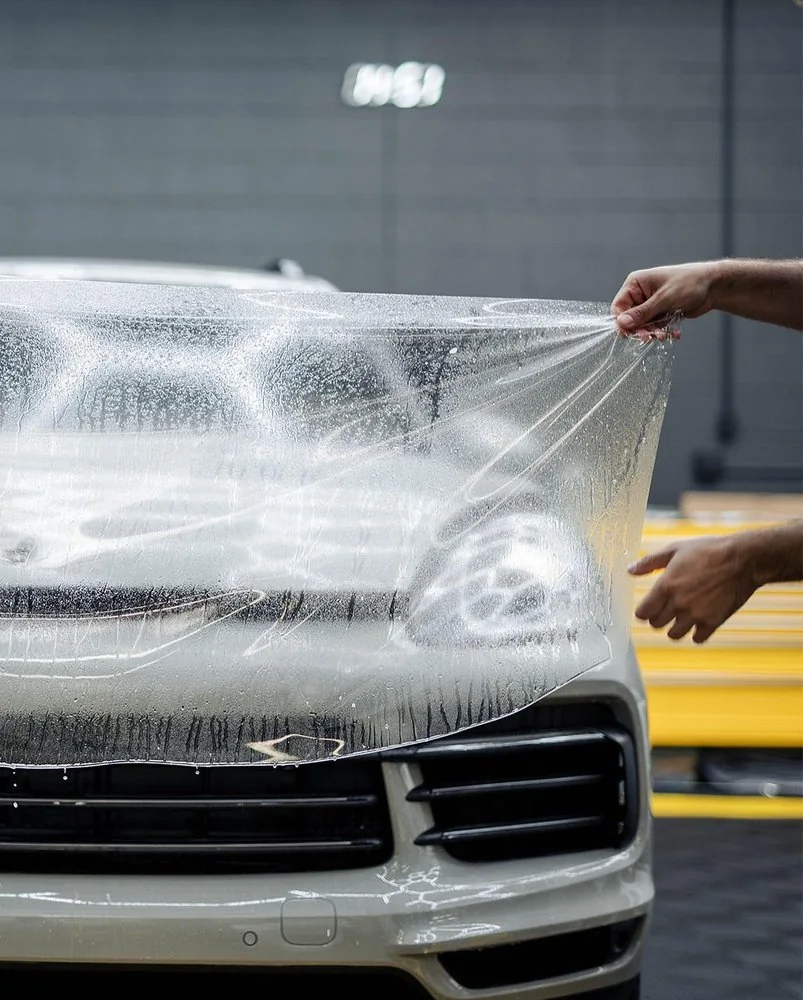
After paint correction, protection preserves the result. But no single option is right for every owner. Traditional sealants offer a clean gloss and shorter-term defense. Ceramic and graphene coatings provide durable chemical resistance, enhanced gloss, and easier cleaning when properly maintained. Paint protection film provides a physical sacrificial barrier against rock chips, road debris, and abrasion in high-impact areas or across the entire vehicle.
These services work best as a system, not as competing choices. Paint protection film can defend vulnerable panels such as the front bumper, hood, fenders, mirrors, rocker panels, and rear arches. A coating can then enhance gloss and simplify care on exposed paint, film, wheels, glass, and trim. Window tint and windshield protection can further improve comfort and defend surfaces that take constant exposure.
A coating does not make paint invincible, and film does not eliminate the need for proper washing. Both still benefit from skilled maintenance. Harsh brushes, automatic car washes, abrasive towels, and strong chemicals can reduce the appearance and service life of any protective treatment. The practical value of protection is that it gives contaminants less opportunity to bond and makes safe maintenance more predictable.
The Most Common Detailing Mistakes Are Repeated, Not Dramatic
Condition usually declines through small habits. A dirty drying towel used one too many times, a drive-through wash with aggressive brushes, bird droppings left on the hood for a hot afternoon, or wheel cleaner sprayed onto a warm surface can create damage that is expensive to reverse.
Owners who want to protect a premium finish should avoid using the same tools on wheels and paint, wiping dust from dry paint, and relying on household cleaners inside the cabin. They should also avoid treating every surface with the same product. Tires, leather, matte trim, clear-coated paint, bare metal, and Alcantara each have different needs.
Between professional appointments, a simple maintenance routine makes the largest difference. Wash when the vehicle is cool, use clean microfiber towels, dry with minimal pressure, and remove bird droppings or bug residue promptly. If the vehicle has a coating or paint protection film, use products that are compatible with that installation rather than assuming any car-care product will do.
When a Detail Is Worth Scheduling
A comprehensive detail is valuable before applying a coating or paint protection film, after purchasing a pre-owned vehicle, before a major event, or when a vehicle is entering or leaving secure storage. It is also worthwhile after a long road trip, a season of outdoor parking, or any period when regular washing has been inconsistent.
For many Bay Area owners, the most effective plan is not an occasional rescue detail. It is a tailored maintenance schedule built around mileage, storage conditions, parking habits, and the vehicle's protection package. A low-mileage collector car may need careful periodic preservation. A daily-driven luxury SUV may need more frequent exterior and interior attention to keep its materials from accumulating wear.
At Artec Automotive, detailing is approached as part of a broader vehicle-care strategy. The condition of the paint, cabin, glass, wheels, and protective surfaces informs the recommendation, whether the next step is correction, coating, film, maintenance, or simply a careful reset.
A premium vehicle should not have to look neglected to earn expert attention. The right detail keeps small imperfections from becoming permanent ones, protects the materials you interact with every day, and lets the vehicle continue to reflect the standard that led you to own it in the first place.