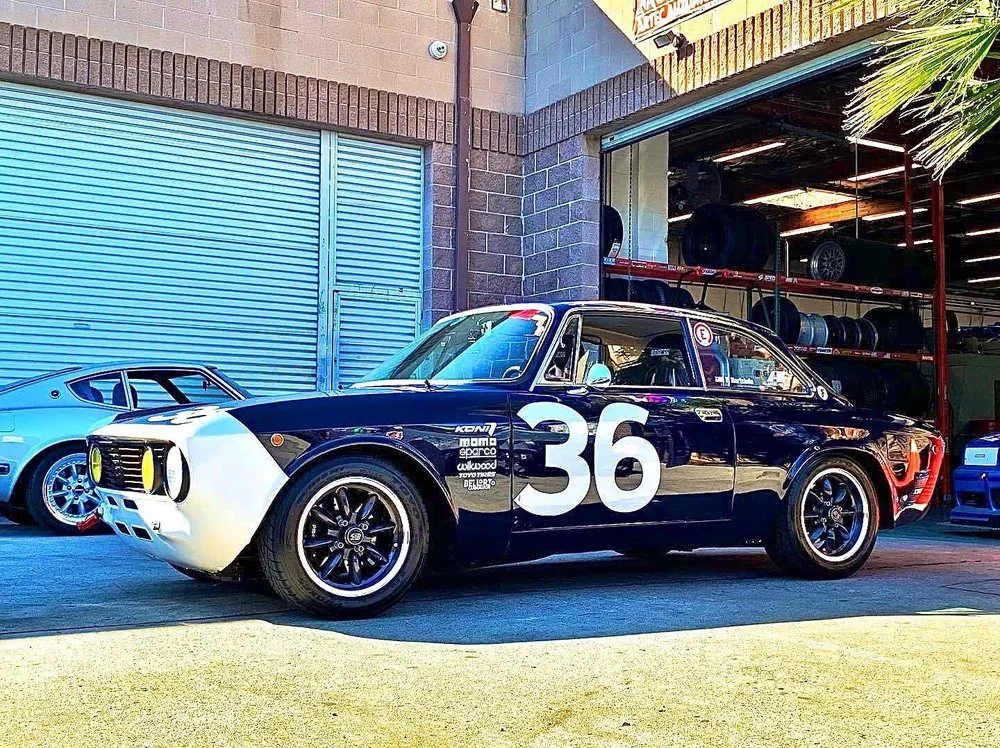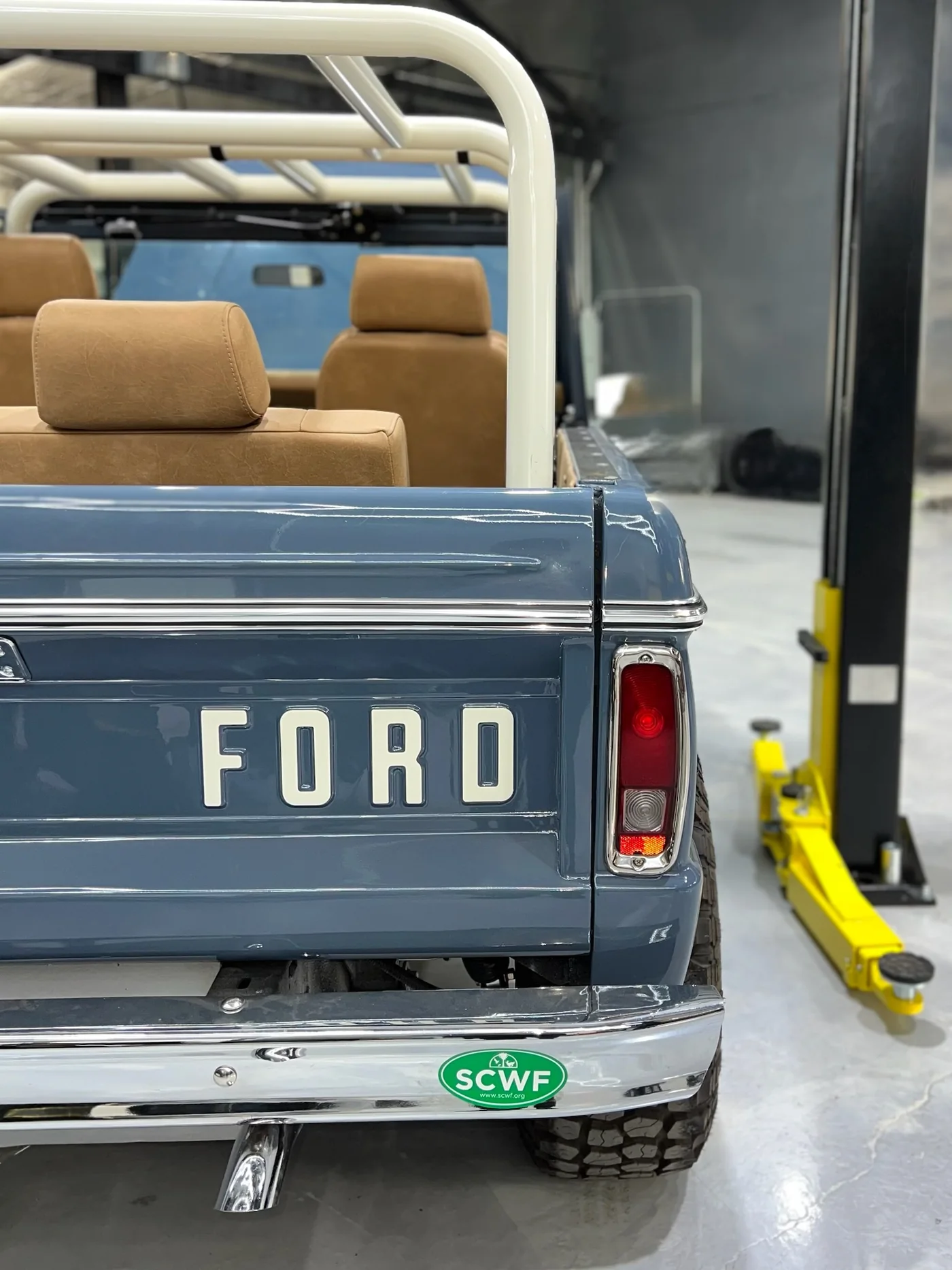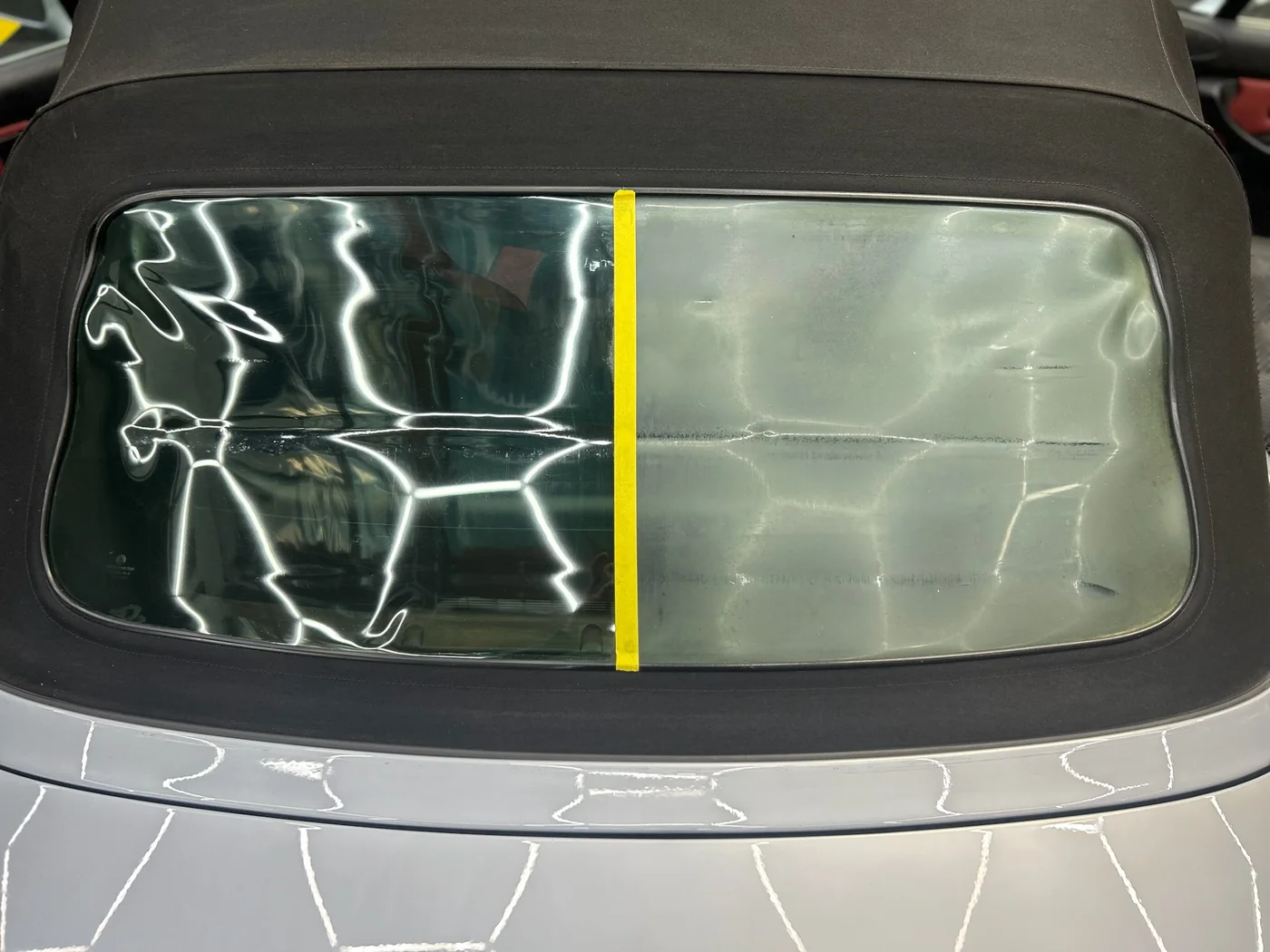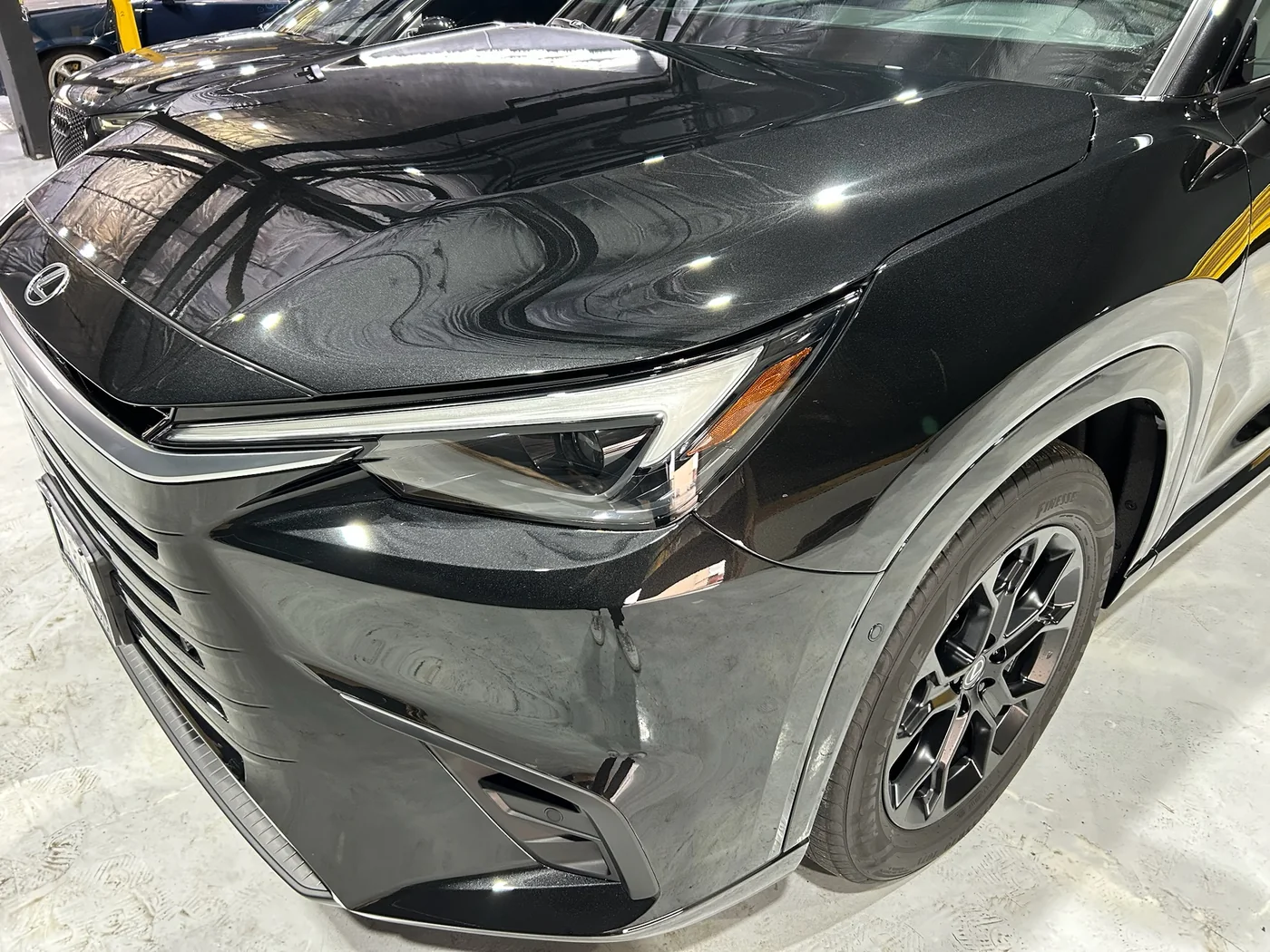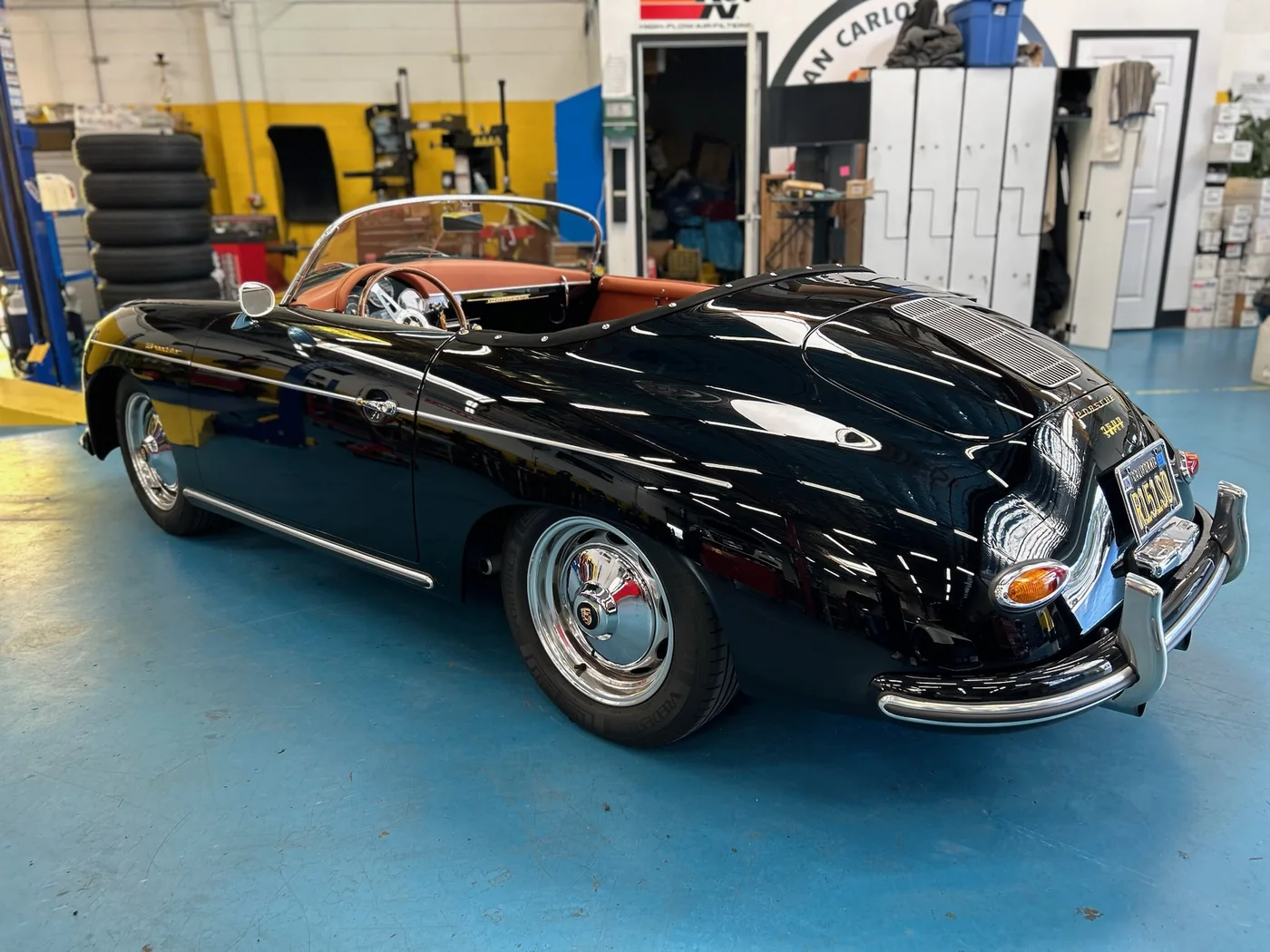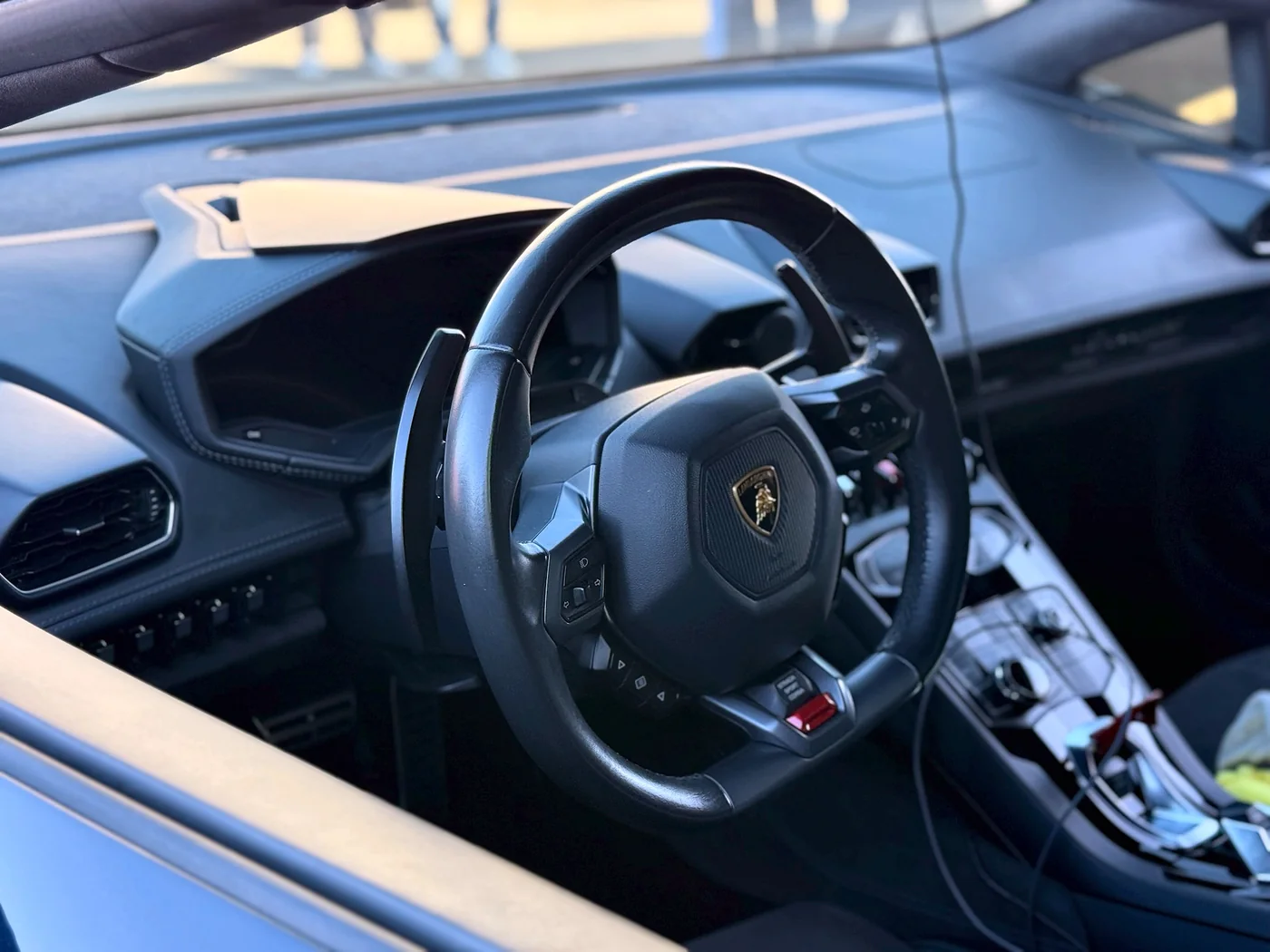

A premium vehicle rarely needs more attention because something is wrong. It deserves attention because every detail - from the paint finish to the exhaust note and driving position - shapes the ownership experience. Thoughtful car customization is not about adding parts for the sake of visibility. It is a vehicle-specific process that improves aesthetics, performance, protection, and daily usability without losing sight of engineering, reliability, or long-term value.
For Bay Area owners, that balance matters. A carefully specified Porsche, BMW M car, Mercedes-AMG, Ferrari, Rivian, or Range Rover may face dense traffic, aggressive road debris, intense sun, steep grades, and tight urban parking in the same week. The right upgrades should make the vehicle more rewarding to own in those conditions, not create new compromises to manage.
Start Car Customization With the Ownership Goal
The most successful builds begin with a clear answer to one question: what should this vehicle do better? The answer is rarely simply “look different.” An owner may want to preserve a new vehicle’s factory finish, reduce cabin heat, sharpen handling for weekend drives, create a more personal exterior presence, or prepare a collector car for secure long-term enjoyment.
That goal determines the right sequence of work. Protecting fresh paint before installing aesthetic enhancements can prevent unnecessary correction later. Addressing maintenance before adding power protects the investment in performance modifications. Defining a cohesive visual direction before selecting wheels, suspension, trim, and finishes prevents a build from becoming a collection of unrelated parts.
A tailored plan also recognizes how the car will be used. A daily-driven performance sedan needs a different approach than a low-mileage exotic, a track-focused coupe, or a luxury SUV that regularly carries family and clients. Ground clearance, ride quality, brake dust, road exposure, charging needs, warranty considerations, and resale expectations all deserve a place in the conversation.
Protect the Finish Before Chasing the Look
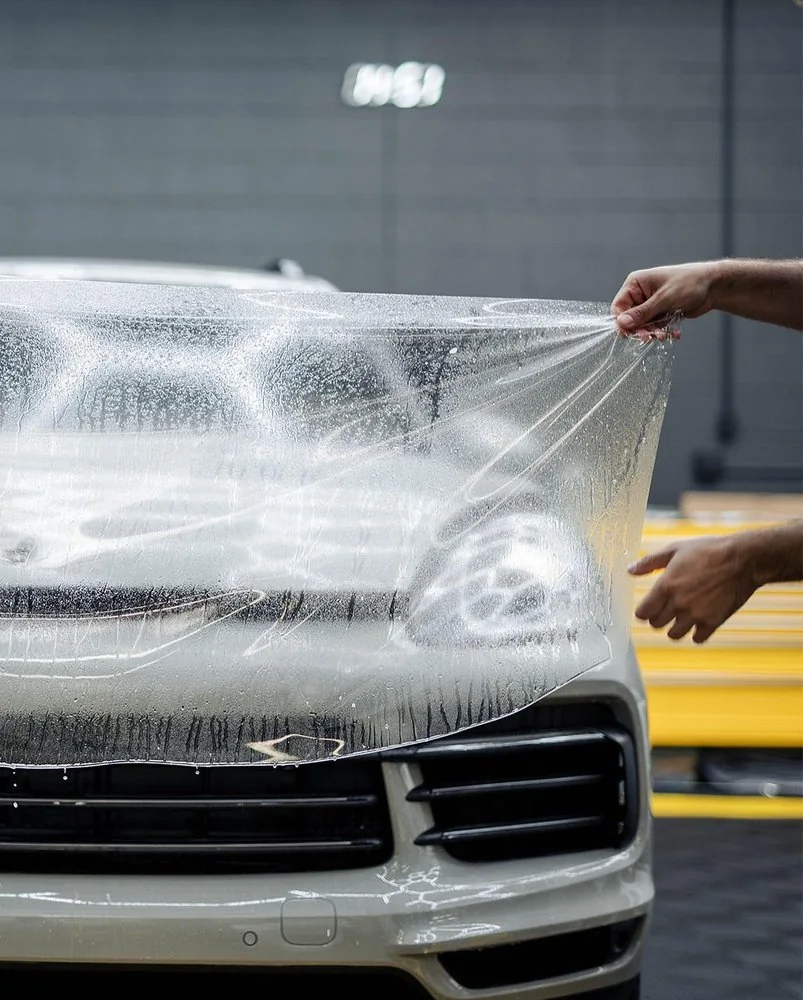
Paint protection is one of the most intelligent forms of customization because it preserves the finish that gives the vehicle its original visual impact. Paint protection film can defend high-impact areas or cover the full vehicle with a nearly invisible barrier against rock chips, road rash, minor abrasions, and environmental damage. For cars with complex paintwork, exposed carbon fiber, or difficult-to-replace panels, this is more than cosmetic insurance.
Windshield protection film deserves the same consideration for vehicles that spend time on highways or canyon roads. A damaged windshield can interrupt advanced driver-assistance calibration, create avoidable downtime, and become a costly replacement on a modern luxury vehicle. Protection is especially valuable when the vehicle’s glass incorporates cameras, sensors, heads-up display technology, or acoustic construction.
Ceramic and graphene coatings serve a different role. They enhance gloss, improve water behavior, and make routine cleaning more manageable, but they are not substitutes for paint protection film where physical impact resistance is the priority. A coating will not stop a rock chip. Film will not eliminate the need for proper wash practices. The strongest result often comes from layering the right solutions: film for impact-prone surfaces, coatings for enhanced gloss and easier maintenance, and professional detailing to keep the finish performing as intended.
Window tinting is another upgrade where quality and specification matter. The right film can reduce solar heat, protect interior materials from UV exposure, improve privacy, and make long drives more comfortable. However, visibility, local regulations, and the vehicle’s existing glass technology should guide the shade selection. The darkest option is not automatically the best one.
Aesthetic Upgrades Need a Design Language
Visual customization has the greatest impact when it respects the proportions and character of the vehicle. A restrained exterior treatment can make a factory design feel more purposeful. Satin protective film, painted trim refinements, a carefully selected wheel finish, carbon fiber accents, or subtle lowering may transform the stance without making the car feel disconnected from its original intent.
The key is cohesion. Wheel diameter, tire sidewall, brake clearance, ride height, finish selection, and body lines all interact. An aggressive wheel setup may look exceptional in a photo yet create rubbing, harshness, or accelerated tire wear if offsets and suspension geometry are not properly calculated. Likewise, a dramatic color change can be compelling, but it should complement the cabin, the vehicle’s architecture, and the owner’s willingness to maintain a more distinctive finish.
Interior work deserves the same discipline. Upgraded steering wheels, custom upholstery, ambient enhancements, sound systems, and tailored trim can elevate the cabin from impressive to personal. On luxury and collector vehicles, the best interior modifications preserve factory-quality fitment and avoid shortcuts that introduce rattles, electrical issues, or irreversible changes to rare original materials.
Performance Should Feel Engineered, Not Forced
Performance customization is most satisfying when every improvement works with the next. More power alone does not necessarily make a vehicle faster, safer, or more enjoyable. Tires, brakes, cooling, suspension, drivetrain health, alignment, and software calibration all influence whether added output can be used with confidence.
For a European performance vehicle, a proper build may begin with an inspection and baseline service. Fluids, brakes, bushings, ignition components, tires, and known platform-specific maintenance items should be evaluated before significant modifications are installed. This approach may feel less exciting than immediately fitting an exhaust or tuning the engine, but it is the difference between a durable performance package and an expensive chain of corrections.
Suspension deserves particular care because it changes the way a car communicates. A well-chosen setup can reduce body movement, improve turn-in, and create a more planted stance. It can also compromise ride quality or clearance when chosen without regard for road conditions. Spring rates, damping, alignment settings, wheel and tire dimensions, and intended driving environment need to be considered together.
Exhaust systems and intake upgrades bring another set of trade-offs. The right system can add character, reduce restriction, and deliver a more engaging soundtrack. The wrong one can introduce drone, unwanted attention, emissions concerns, or a driving experience that becomes tiring after twenty minutes on the freeway. Premium customization accounts for the miles between the special moments, not just the special moments themselves.
Fabrication Makes the Difference When Off-the-Shelf Will Not
Some of the most compelling projects cannot be completed from a catalog. In-house fabrication creates opportunities for tailored brackets, exhaust solutions, aero components, cooling improvements, custom mounts, and refined details that fit the vehicle and the intended use precisely.
Custom work requires a higher standard of planning because every choice affects fitment, serviceability, material behavior, and finish quality. A fabricated component should look intentional from every angle, tolerate heat and vibration, and allow future maintenance without unnecessary disassembly. This is where craftsmanship becomes visible not only in the finished appearance, but also in the integrity of what sits behind the panels.
For collectors and exotic-car owners, reversibility may be equally important. A modification can be personal without permanently diminishing originality. Whenever practical, preserving factory components and documenting the work supports future servicing, resale conversations, and a return to stock if ownership goals change.
Choose a Partner Who Sees the Whole Vehicle
Car customization works best when protection, mechanical service, aesthetic work, and fabrication are considered as one ownership strategy. A shop that understands only one category can deliver a competent individual service. A comprehensive specialist can help sequence the entire project, identify conflicts before work begins, and maintain a consistent standard across the vehicle.
At Artec Automotive, that integrated perspective allows owners to move from paint protection and detailing to specialized repair, performance upgrades, bespoke fabrication, and secure storage without treating each need as a separate relationship. The result is a more informed plan and a vehicle that receives care appropriate to its engineering, condition, and future value.
The best modification is not always the most visible one. Sometimes it is the protection that keeps a rare paint color pristine, the alignment that makes a favorite road feel sharper, or the small fabricated detail that solves a problem nobody else can see. Choose customization that makes every mile feel more considered.