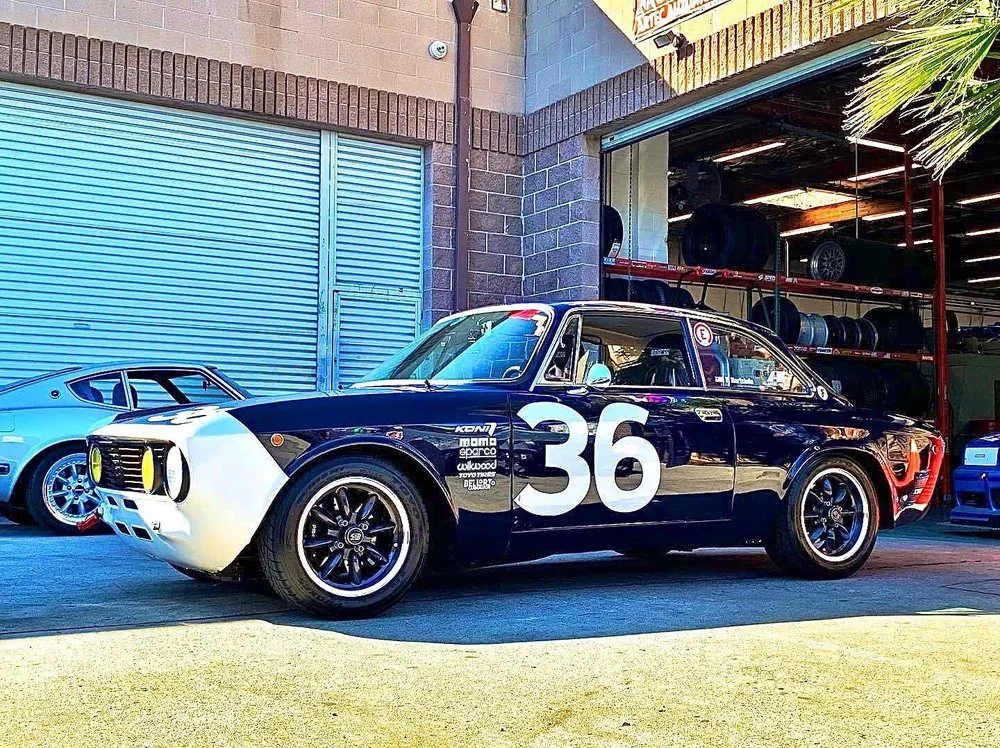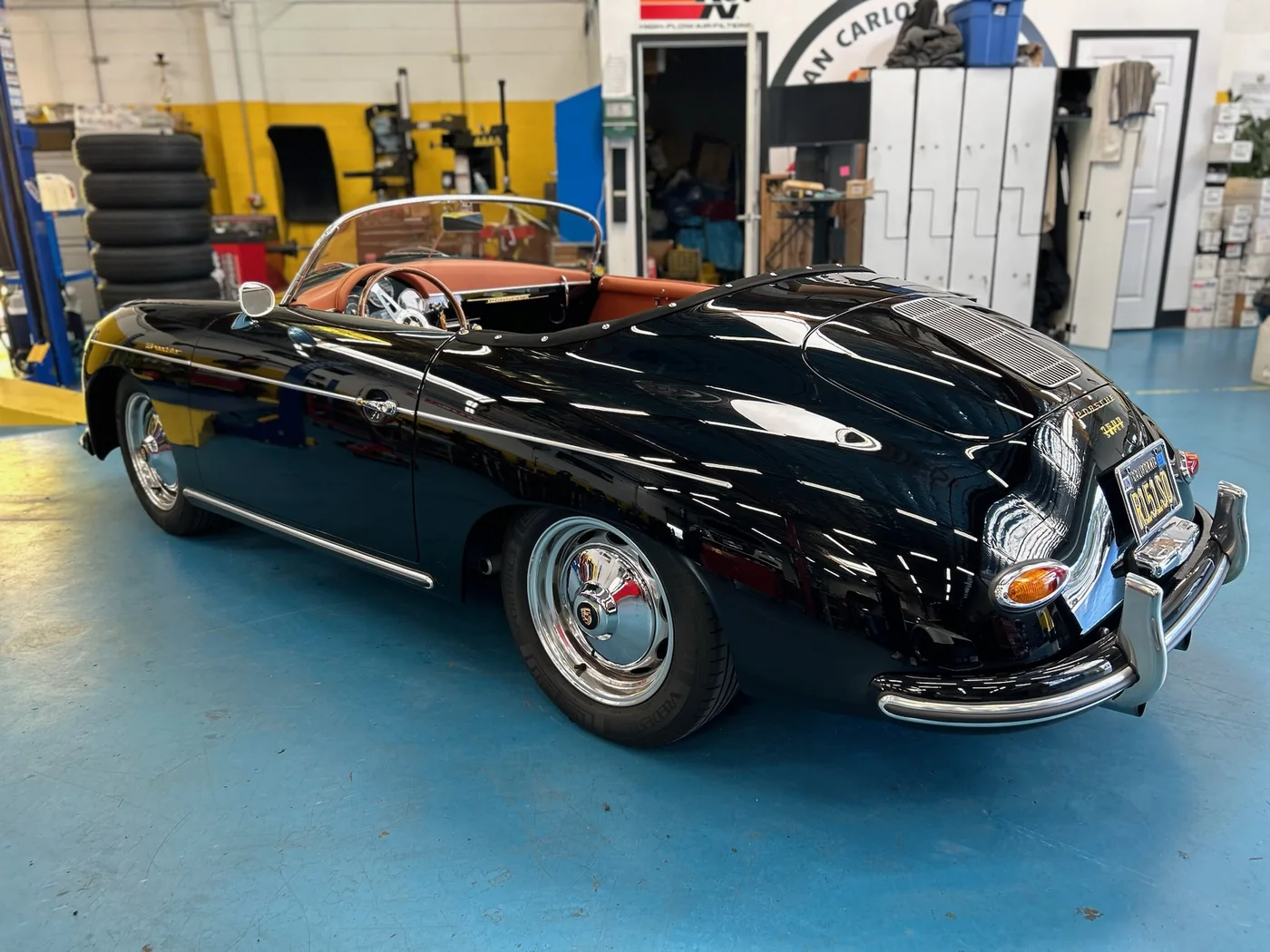



A fast car with an ordinary alignment can feel surprisingly unfinished. It may pull cleanly down the freeway yet resist turn-in at corner entry, scrub through expensive tires, or lose composure when loaded through a long, fast bend. Bay Area track alignment is the process of tuning the chassis geometry around how you actually drive - whether that means weekend canyon roads, high-performance driving events, autocross, or dedicated circuit use.
For European performance cars, exotics, and carefully built track machines, alignment is not a routine box to check after installing tires. It is one of the most consequential adjustments available. The correct setup connects steering input, suspension movement, tire behavior, and vehicle balance into a more precise, more confidence-inspiring driving experience.
Why Bay Area Track Alignment Is Different
A conventional alignment usually aims to place the vehicle within the manufacturer’s acceptable specifications. That makes sense for a daily driver expected to deliver predictable handling, broad tire life, and comfort across many thousands of miles. A track-oriented setup begins with a different question: what does the car need to do under real cornering load?
At speed, suspension geometry changes as the chassis brakes, turns, accelerates, and rolls. Tires are also asked to work far beyond the loads they see on a commute. The alignment must account for that movement. A setting that feels calm on a straight road can leave the outside front tire without enough contact patch in a corner. Conversely, an aggressive setup that produces exceptional front-end grip at the circuit may wear inner tire shoulders quickly if the car spends most of its life in Peninsula traffic.
That trade-off is why a serious alignment cannot be reduced to a generic set of numbers found online. Vehicle weight distribution, suspension design, ride height, tire compound, wheel width, aerodynamic load, power delivery, and driver preference all matter. The right specification for a Porsche driven to occasional track days will differ substantially from the right specification for a lowered BMW M car on 200-treadwear tires or a dedicated GT car on slicks.
The Geometry That Shapes the Drive
Track alignment is built around camber, caster, toe, and, where applicable, thrust angle and corner balance. Each setting affects the others, which is why adjustments should be approached as a complete chassis conversation rather than isolated corrections.
Camber: Keeping the Tire Loaded
Camber is the inward or outward tilt of the wheel when viewed from the front of the vehicle. Performance cars typically benefit from negative camber, meaning the top of the tire leans inward. As the car rolls in a corner, negative camber helps keep the loaded outside tire flatter against the pavement.
The benefit is greater cornering grip and more even use of the tread during hard driving. Too little negative camber often leaves the outer shoulder overheated and worn after track use. Too much, however, can reduce straight-line braking performance, make the car follow road grooves more readily, and accelerate inner-edge wear during street miles. The goal is not maximum negative camber. It is enough camber to match the tire, suspension travel, and intended use.
Caster: Stability and Steering Feel
Caster is the fore-and-aft angle of the steering axis. Increased positive caster generally supports stronger straight-line stability, better steering self-centering, and useful dynamic camber gain as the wheel turns. It can make a performance car feel more planted and communicative at corner entry.
Caster adjustment range depends heavily on the platform. Some vehicles offer meaningful factory adjustment, while others require adjustable control arms, camber plates, or specialized components. Added adjustability can be valuable, but every modification should be selected with clear purpose. A precision alignment cannot compensate for poorly chosen parts, worn bushings, or suspension components that shift under load.
Toe: The Fine Adjustment With Big Consequences
Toe describes whether the front or rear edges of the tires point slightly inward or outward. Small changes can have a dramatic effect on how eagerly a vehicle turns, how stable it feels at speed, and how quickly it wears tires.
A modest amount of front toe-out can sharpen initial turn-in, which appeals to drivers seeking a more responsive front axle. Too much can create nervousness on uneven roads and consume tires rapidly. Rear toe-in commonly adds stability, particularly in powerful rear-wheel-drive cars, but excessive rear toe-in can make the vehicle feel reluctant to rotate. The best setting depends on chassis balance and intended use, not a one-size-fits-all formula.
Start With the Car’s Real Condition
Before any performance alignment, the suspension and steering system need to be healthy. A precise alignment performed around worn ball joints, tired control-arm bushings, leaking dampers, bent wheels, or unevenly worn tires will not deliver precise results for long. In some cases, it can hide the underlying problem until the car is pushed harder.
Ride height also matters. Lowering a vehicle changes suspension angles and can alter bump steer, camber gain, and available travel. A car that looks properly planted may be operating outside the range where its suspension works well. For adjustable-coilover vehicles, ride height should be established before alignment, and a corner balance may be warranted for cars used seriously on track.
Corner balancing equalizes cross-weight so the chassis responds more consistently in left and right turns. It is especially valuable on coilover-equipped cars, track builds, and vehicles with substantial changes in weight distribution. It is not mandatory for every street performance car, but it is often the right next step when the goal is repeatable behavior at the limit.
Build the Setup Around the Driver
The best track alignment begins with an honest use profile. A car that sees one track weekend per year and daily commuting needs a more restrained approach than a dedicated circuit car transported to events. A driver who values high-speed stability may prefer a different balance than one who wants a lively car that rotates eagerly into tight corners.
Tire choice is equally important. A street tire, extreme-performance summer tire, and race tire all operate at different slip angles, temperatures, and loads. Alignment settings that preserve a street tire may not fully support a sticky track compound. Reviewing tire wear after an event is one of the clearest ways to refine a setup. Feathering, excessive outer-shoulder wear, and pronounced inner-edge wear each provide useful information about toe, camber, pressure, and driving conditions.
At Artec Automotive, the objective is not to make every car feel the same. It is to create a chassis setup that respects the vehicle’s engineering while matching the owner’s goals, modifications, and standards for road manners. For some clients, that means a composed fast-road alignment. For others, it means track-focused geometry with the supporting hardware and inspection discipline to use it properly.
When to Schedule a Performance Alignment
An alignment check is wise after striking a pothole or curb, replacing tires, installing springs or coilovers, changing control arms, or noticing a steering wheel that is no longer centered. It is also worthwhile before a track event, particularly if the car has been sitting, transported, stored, or driven on rough roads.
Do not wait for obvious pulling or destroyed tires. Performance alignment issues often reveal themselves first as vague steering, inconsistent corner behavior, or a car that feels different turning one direction than the other. Those signals deserve attention before they become a safety concern or an avoidable tire expense.
A properly aligned performance car should not feel artificially dramatic. It should feel settled, direct, and predictable enough that the driver can focus on braking points, steering precision, and the road ahead. Bring clear goals, accurate information about your tires and suspension, and a willingness to make the right compromises for how the car will actually be used.