


A proper Bay Area alignment is not a generic maintenance item for a luxury, European, or performance vehicle. It is a precise adjustment of how the car meets the road. When alignment angles drift, the first clue may be subtle: a steering wheel that sits slightly off-center, a car that feels less planted on Highway 280, or expensive tires wearing faster on one shoulder than the other.
For vehicles engineered around exact suspension geometry, small deviations can change steering response, straight-line stability, braking confidence, and tire life. On a Porsche, BMW M car, Mercedes-AMG, Audi RS model, Tesla, or carefully maintained classic, alignment should be approached as part of the vehicle's overall performance and preservation strategy.
Why Bay Area Roads Affect Alignment
The Bay Area offers excellent driving roads, but it also places real demands on suspension and wheels. Potholes, broken pavement, construction zones, steep driveways, speed bumps, railroad crossings, and curb contact can all alter alignment angles. A single hard impact does not always create an obvious pull, yet it can be enough to begin uneven tire wear.
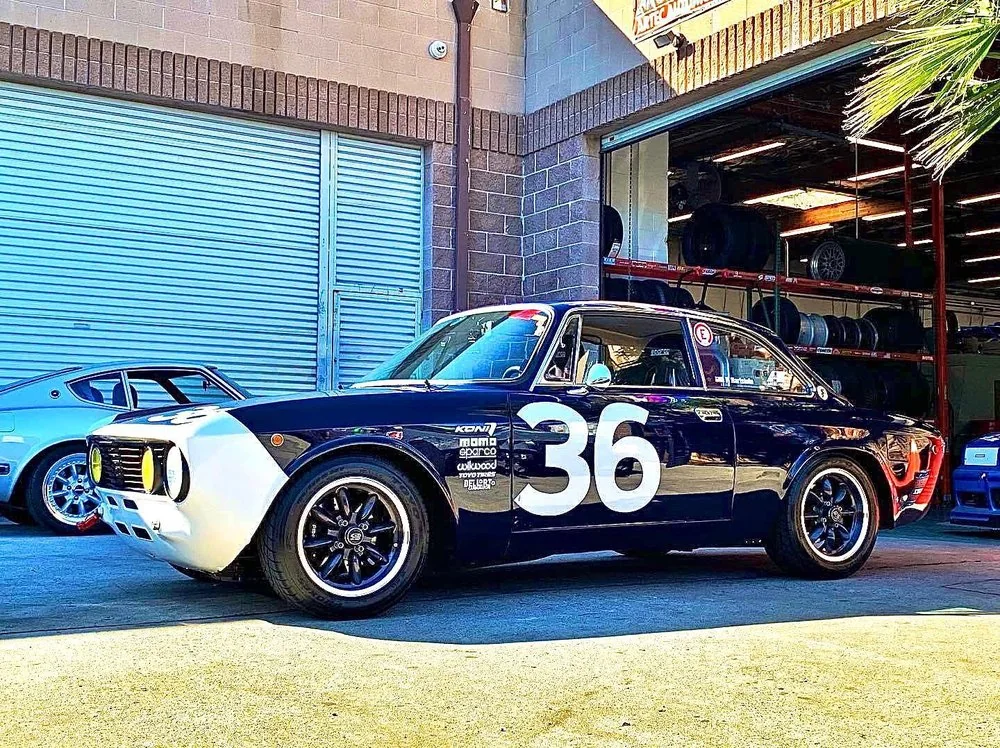
Lowered cars and vehicles with large-diameter wheels deserve particular attention. Reduced sidewall height leaves less cushion between the road surface and the wheel, while lowered ride height changes the suspension's operating range. A performance setup can feel excellent when properly calibrated, but it has less room for casual assumptions or one-size-fits-all settings.
Road conditions are only part of the equation. Alignment can also change after replacing tires, installing suspension components, fitting adjustable control arms, repairing collision damage, or completing a performance build. Even normal bushing wear and aging suspension hardware can allow geometry to move beyond its intended range.
Alignment Is More Than a Straight Steering Wheel
A centered steering wheel matters, but it is not the definition of quality alignment. The work is built around three primary angles: camber, caster, and toe. Each affects the way a vehicle drives and the way its tires wear.
Camber controls the tire's stance under load
Camber is the inward or outward tilt of the wheel when viewed from the front of the vehicle. Moderate negative camber can help a performance car maintain tire contact during cornering. Too much negative camber, however, can accelerate inner-edge tire wear, especially on a vehicle driven mainly on public roads.
The correct setting depends on the chassis, tire type, ride height, intended use, and driver priorities. A street-focused luxury sedan, a canyon-driven sports car, and a track-capable build should not automatically receive the same camber target.
Caster shapes steering feel and stability
Caster is the steering axis angle that helps the wheels return to center after a turn. It has a meaningful effect on straight-line confidence, steering weight, and high-speed stability. On many modern vehicles, caster is not broadly adjustable without specific hardware or repair work. That makes an accurate inspection especially valuable when readings indicate a side-to-side imbalance.
Toe has an outsized effect on tire wear
Toe describes whether the tires point slightly inward or outward relative to the vehicle centerline. It is often the alignment angle most closely tied to rapid tire wear. A minor toe issue can scrub away tread surprisingly quickly, even when the car does not feel dramatically wrong from behind the wheel.
For premium tires, that matters. A set of Michelin Pilot Sport, Pirelli P Zero, or Continental performance tires represents a meaningful investment. Protecting that investment starts with ensuring every tire rolls as intended rather than being dragged across the pavement.
Signs Your Vehicle May Need an Alignment
Not every alignment concern announces itself with a hard pull to one side. Modern roads often have a crown that naturally guides a vehicle slightly, and some performance tires follow grooves in the pavement more noticeably than touring tires. This is why a professional evaluation is more useful than diagnosing the issue by feel alone.
Still, there are warning signs worth acting on. An off-center steering wheel on a flat road, uneven or feathered tire wear, vibration after a wheel impact, a new tendency to wander, or a change in steering response all justify an inspection. So does a vehicle that has recently received suspension, wheel, or tire work.
Look closely at your tires during regular washing or detailing. Inner-edge wear is easy to miss because it is not visible from a standing position. If one tire is wearing differently than the tire on the opposite side of the car, alignment readings can reveal whether geometry, a worn component, tire pressure, or another mechanical issue is involved.
The Right Alignment Starts With Inspection
An alignment rack can measure angles, but it cannot correct a bent wheel, worn control-arm bushing, loose tie rod, damaged strut, or failing ball joint. Adjusting a vehicle with compromised suspension components may produce numbers that look acceptable at the shop while delivering inconsistent results on the road.
That is why the process should begin with a careful inspection. Tire condition and pressure, wheel condition, ride height, suspension hardware, steering components, and any evidence of impact damage all influence the result. On European and exotic vehicles, technicians also need to account for manufacturer procedures, electronic steering-angle calibration where applicable, and model-specific suspension architecture.
At Artec Automotive, this broader view is especially important because many clients bring in vehicles that have been modified, lowered, fitted with aftermarket wheels, or prepared for more demanding driving. The alignment target must support the complete vehicle rather than chase a generic green zone on a measurement screen.
Factory Specifications or Performance Settings?
Factory alignment specifications are an excellent baseline for many vehicles, particularly those used for commuting, long-distance driving, and refined daily transportation. They are designed to balance tire longevity, predictable handling, comfort, and fuel efficiency across a broad range of drivers and conditions.
But factory range is not always the final answer. A vehicle with coilovers, adjustable suspension arms, wider wheels, upgraded tires, or a dedicated canyon and track focus may benefit from a tailored alignment. The trade-off is straightforward: settings that improve turn-in and cornering support can increase tire wear or make the car more sensitive to uneven pavement.
A thoughtful recommendation starts with how the vehicle is actually used. If a BMW M3 spends most of its time on Peninsula commutes with occasional weekend drives, an aggressive track alignment may be unnecessary. If that same car regularly sees track days, more purposeful settings may be justified, with the owner understanding the maintenance and tire-wear implications.
The objective is not to make every vehicle feel race-ready. It is to give the owner a confident, balanced car that behaves predictably in its real environment.
Alignment After Modifications and Repairs
Any change that affects ride height or suspension position should trigger an alignment check. Springs, coilovers, control arms, bushings, sway bars, wheel spacers, and different wheel-and-tire fitments can all influence the vehicle's behavior. Lowering a car without recalibrating alignment is one of the most common ways to compromise tire life and handling precision.
The same applies after mechanical repair. Replacing steering or suspension components often requires alignment because the new part changes a previous adjustment point or restores movement that had been masked by worn hardware. After windshield, paint-protection, or cosmetic work, alignment is not normally relevant. After impact-related repair, wheel damage, or suspension work, it should be part of the conversation.
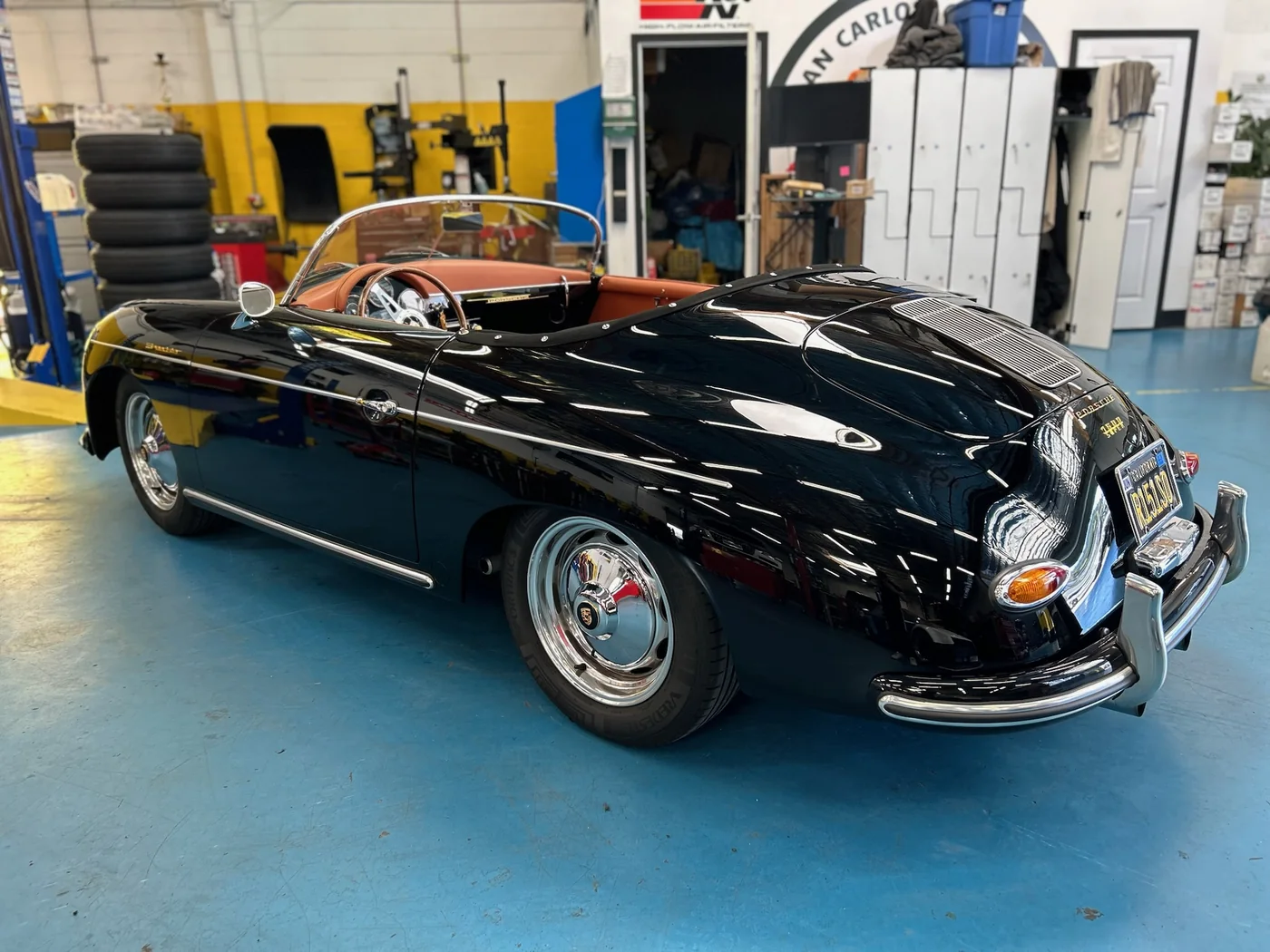
For collector and exotic vehicles, documentation also carries value. Keeping a record of alignment readings, tire replacement dates, and suspension work provides useful context for future service and supports a more disciplined ownership history.
How Often Should You Schedule Bay Area Alignment Service?
There is no universal mileage interval. A carefully driven luxury vehicle on smooth roads may remain within specification for a long time, while a low-profile performance car that encounters potholes can need attention much sooner. As a practical standard, consider an alignment inspection with new tires, after a meaningful road impact, after suspension work, when changing ride height, or whenever steering feel and tire wear change.
For performance-oriented vehicles, an annual check is a sensible baseline even when no obvious symptoms are present. It is a relatively focused service that can protect a far more expensive set of tires and help preserve the polished, composed driving character that made the vehicle worth owning in the first place.
The best alignment is one you notice only in the right moments: the car tracks cleanly, the wheel returns naturally, the tires wear evenly, and every corner feels like the chassis engineers intended. Treat those details with the same care you give the paint, interior, and mechanical service, and your vehicle will continue to feel exceptional long after the first drive.