
A vehicle can be freshly washed and still look tired under Bay Area sun, garage lighting, or the sharp LEDs at a fuel station. Fine swirls soften reflections, water-spot etching interrupts the clear coat, and random scratches pull attention away from the design of the car. Automotive paint correction is the precise process of refining those defects to restore clarity, depth, and a more accurate finish.
For a premium, collector, or performance vehicle, this is not simply a cosmetic reset. It is a measured service that can improve how the vehicle presents, prepare it for long-term protection, and help preserve the condition buyers notice when it is time to sell or trade. The right result depends on the paint system, the vehicle’s history, and a technician’s ability to remove defects without taking unnecessary clear coat with them.
What Automotive Paint Correction Actually Does
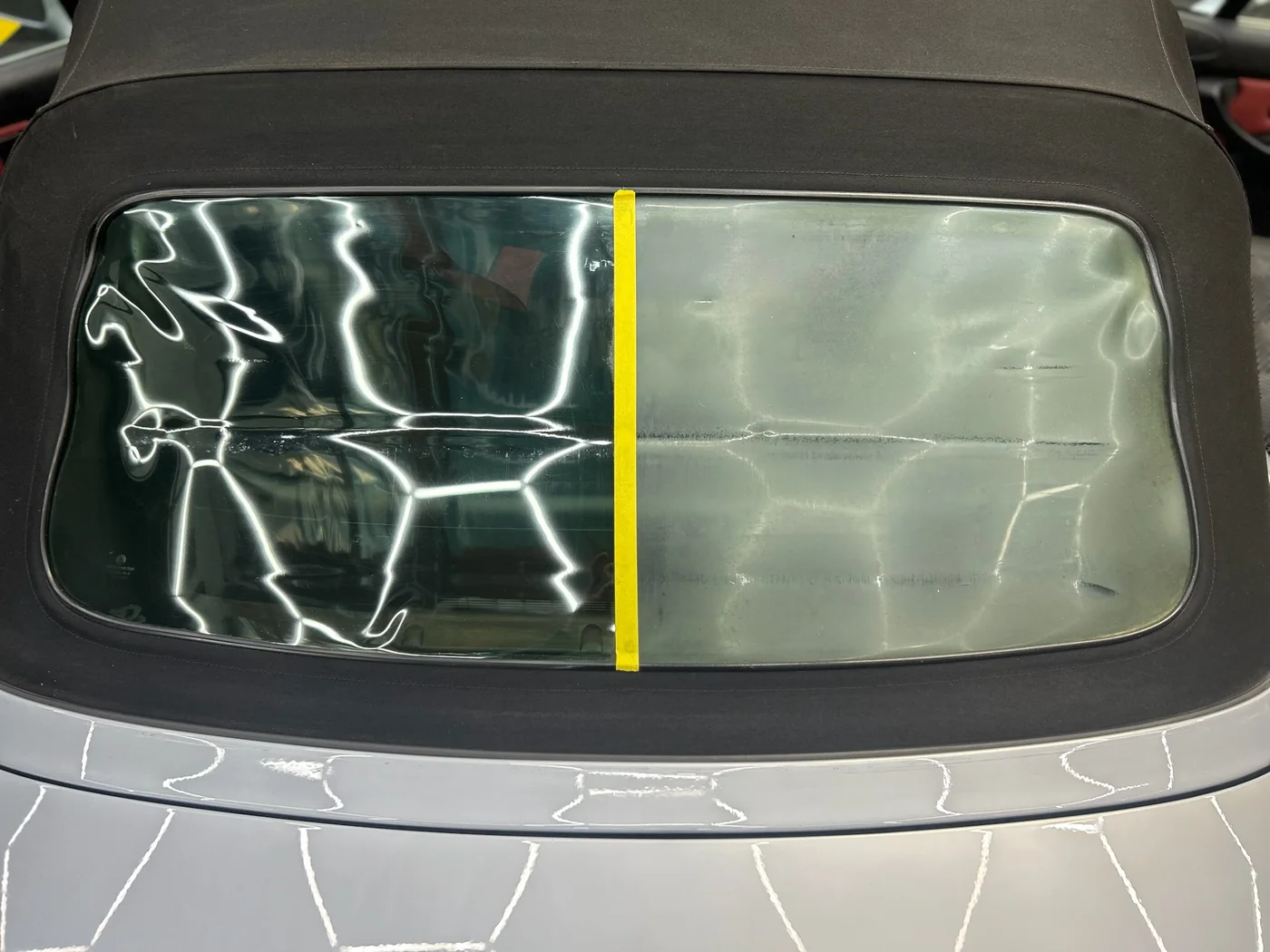
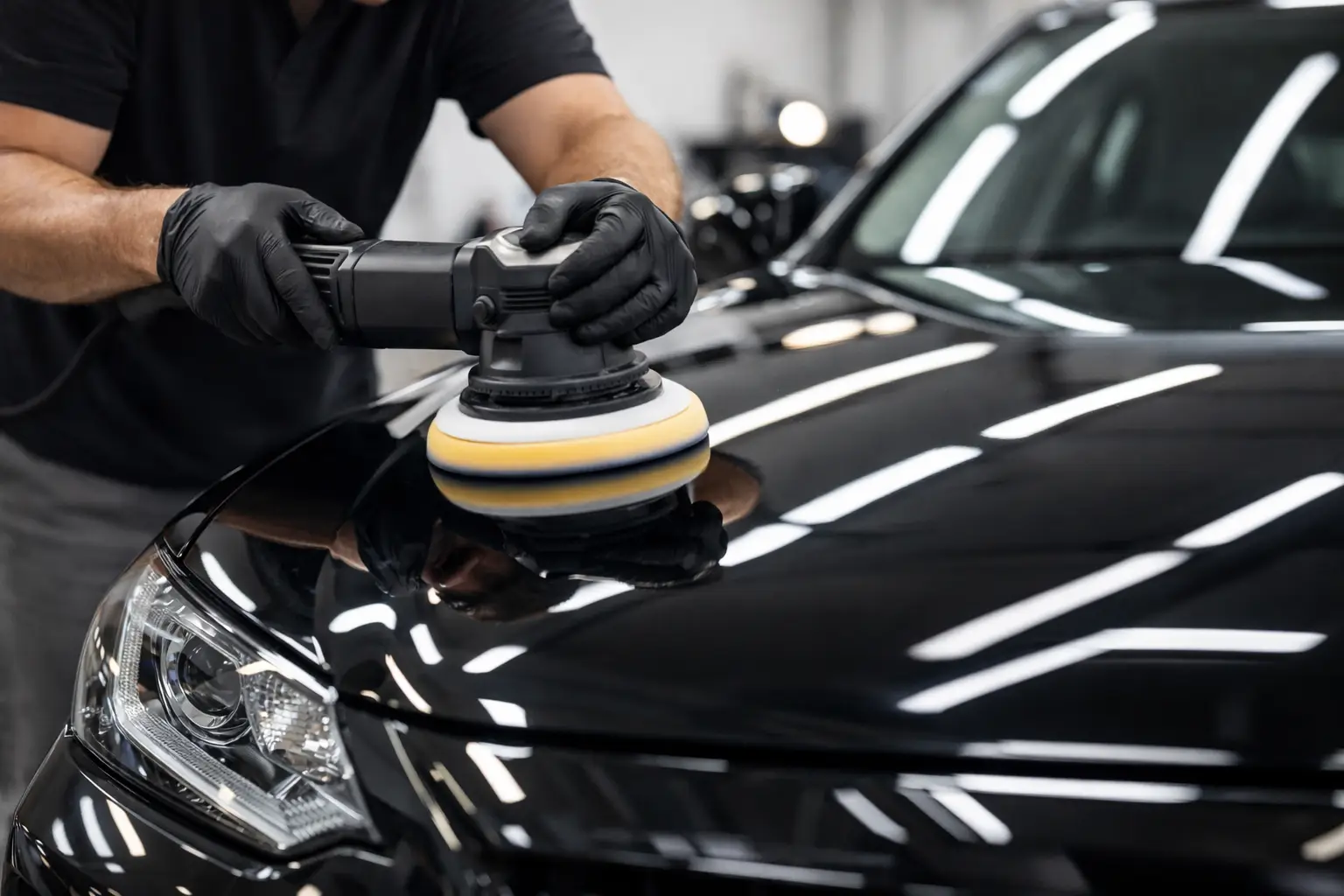
Modern automotive paint is typically built in layers: a primer, a color coat, and a transparent clear coat. Most visible wash marring, light scratches, oxidation, hazing, and many water spots live in or affect the surface of that clear coat. Paint correction levels the surrounding surface on a microscopic scale, reducing the appearance of those imperfections and allowing light to reflect more cleanly.
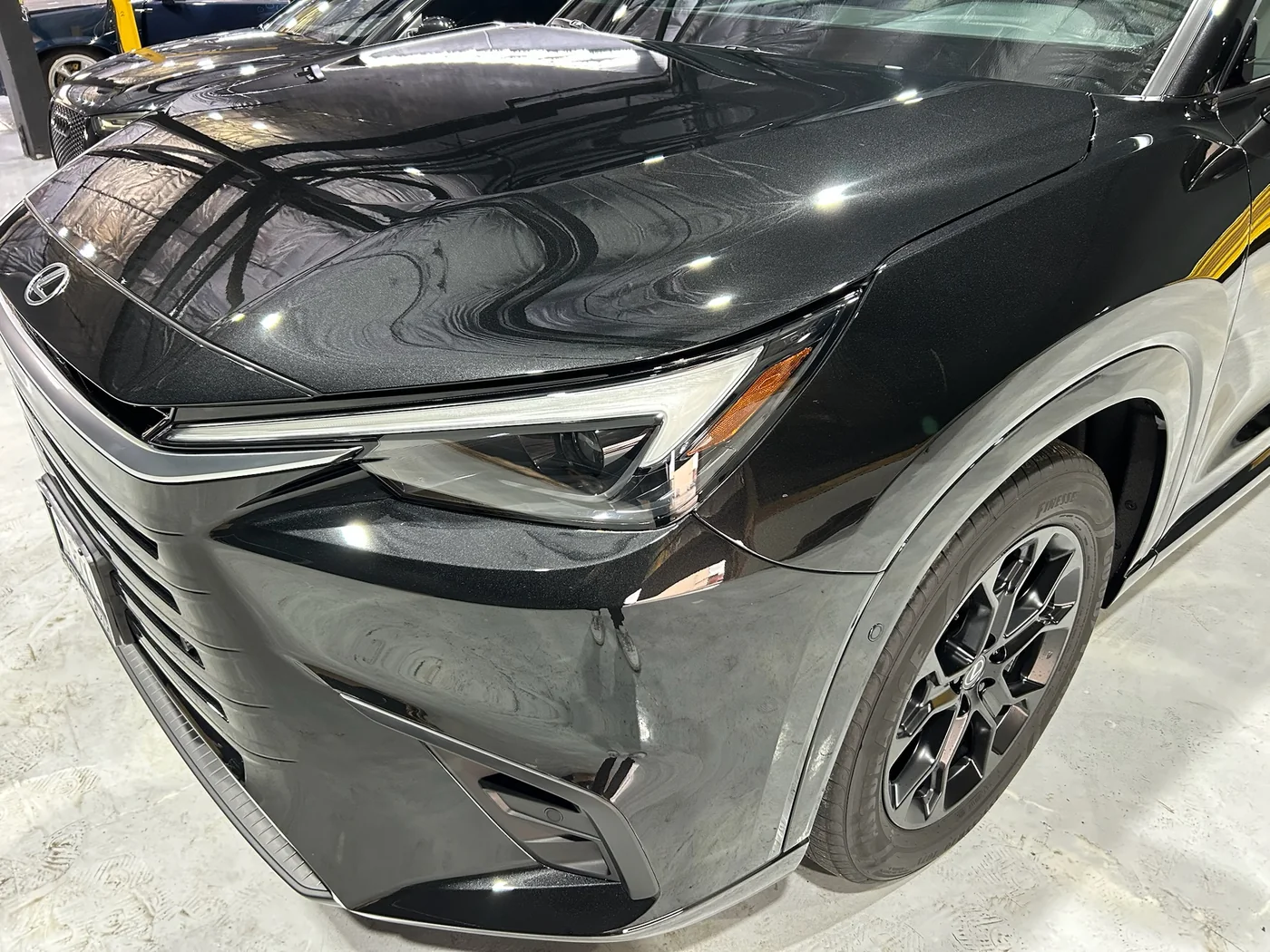
That distinction matters. Correction does not fill a scratch with a temporary gloss enhancer and call it repaired. It refines the paint itself. When done well, the difference is especially dramatic on black, dark blue, deep red, and other colors that reveal every inconsistency in direct light.
Not every defect can or should be removed completely. A scratch that catches a fingernail may extend beyond the safe correction range. Rock chips, deep gouges, failed clear coat, staining that has penetrated the finish, and previous poor-quality repairs can require touch-up, repainting, or a more conservative approach. An experienced shop sets the right expectation before a machine polisher ever touches the vehicle.
Why Premium Vehicles Need a Measured Approach
A high-gloss finish is unforgiving, but so are many modern paint systems. Some factory finishes are relatively hard and require more time, careful pad selection, and capable abrasives to correct. Others are notably soft and can mar easily during washing or even during the refinement process if the technique is not exact. Paint thickness also varies across panels, edges, body lines, and areas that may have been repainted in the past.
This is why aggressive polishing is not a mark of expertise. Every correction removes a small amount of material, which makes paint measurement, inspection lighting, and process control central to the work. The goal is not to chase a theoretical perfect finish at any cost. The goal is to achieve meaningful visual improvement while respecting the long-term health of the paint.
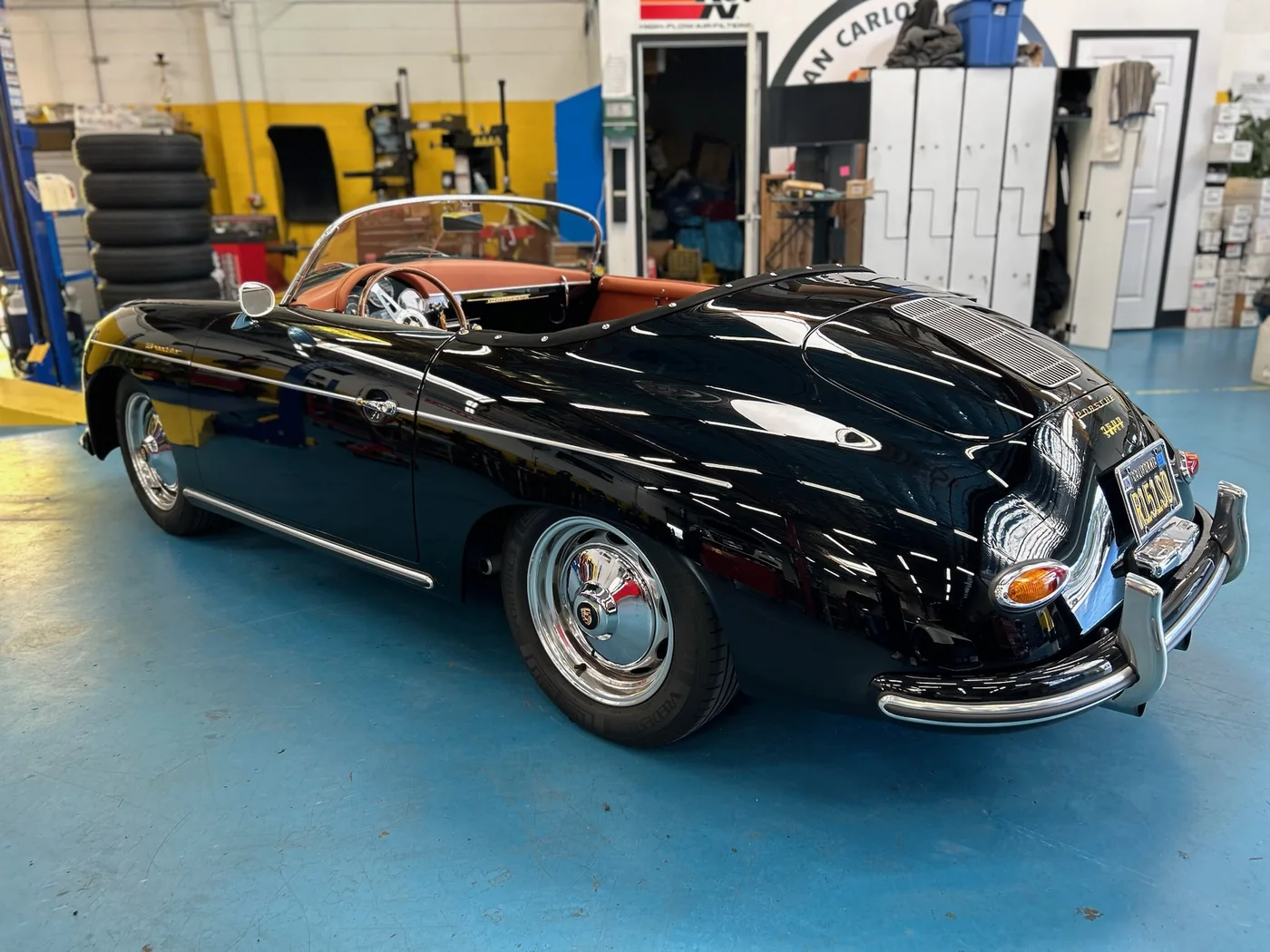
For an exotic, European luxury vehicle, or cherished collector car, that balance carries real value. Original paint is part of the vehicle’s story and, in many cases, its market appeal. A tailored correction plan can deliver sharper reflections and richer color without treating irreplaceable factory paint as expendable.
The Inspection Comes Before the Polish
A proper correction begins with a clean surface and a detailed evaluation. The vehicle is washed using safe methods, chemically decontaminated to address embedded iron particles and mineral residue, and mechanically decontaminated where appropriate. This stage matters because polishing over bonded contamination can create additional marring and conceal the true condition of the finish.
Technicians then inspect the paint under specialized lighting. Sunlight can expose certain defects, while focused LED lighting reveals fine swirls and holograms that are nearly invisible elsewhere. Paint-depth readings help establish a baseline and can identify panels that deserve extra caution due to prior repair work or thin paint.
A test spot follows. Rather than assuming one combination will suit the entire vehicle, the technician evaluates a small area with a selected pad, polish, machine, and technique. The result determines the safest path toward the desired level of correction. This is where premium workmanship separates itself from a one-step package applied the same way to every vehicle.
Choosing the Right Level of Paint Correction
The ideal service is not always the most aggressive one. A well-maintained newer vehicle with light wash marring may benefit from a single-stage enhancement polish. This can substantially increase gloss and clarity while preserving maximum clear coat for the future.
Vehicles with heavier swirling, moderate scratching, dullness, or visible holograms often need a multistage correction. The initial compounding stage addresses more substantial defects, while a finishing stage refines the surface for crisp, distortion-free reflections. This process requires more labor, but the improvement can transform how the vehicle looks in every lighting condition.
A more limited correction may be the appropriate choice for an older vehicle with thin original paint, a rare car where preservation takes priority, or a daily driver with realistic use expectations. Conversely, a new vehicle can still require extensive correction. Transport film, dealership washing, storage conditions, and delivery preparation frequently leave paint less than pristine before the owner takes possession.
The best recommendation considers the vehicle’s current condition, how it is driven and stored, the owner’s tolerance for future wear, and the protection planned afterward. A concours-minded garage queen and a performance SUV that sees Highway 101 every day should not receive the same prescription by default.
Correction and Protection Work Best Together
Paint correction reveals the finish at its best, but it does not make paint invulnerable. Without protection, the same environmental exposure and wash habits that created the defects can gradually return them. The next step should match the way the vehicle will be used.
Ceramic or graphene coatings create a durable, high-gloss surface with improved chemical resistance and easier maintenance. They help reduce the bonding of contamination and make routine washing more efficient, though they do not prevent rock chips or eliminate the need for proper wash technique.
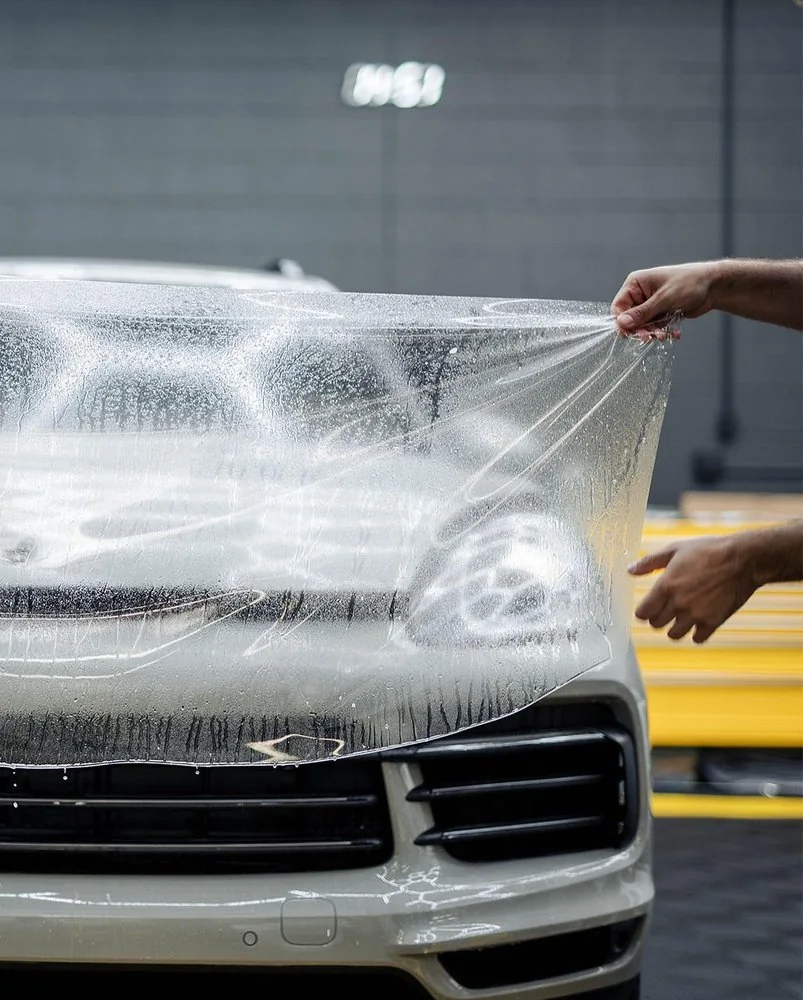
For front-end impact zones and other vulnerable areas, paint protection film offers a different level of defense. Quality film is designed to absorb damage from road debris that would otherwise chip or scar the paint beneath it. Correcting the paint before installation is especially valuable because the film preserves what is already there. Applying protective film over swirl-marked paint may protect the panel, but it will not erase the defects trapped underneath.
The strongest strategy is often layered: correction for visual clarity, film where physical impact is most likely, and a coating for easier maintenance and enhanced gloss across the protected surfaces. It depends on the vehicle, its use, and the owner’s priorities, but this approach turns a cosmetic service into a long-term preservation plan.
Keeping the Finish Corrected
The condition of the paint after correction is influenced most by maintenance. Automated brush washes are a common source of rapid swirl accumulation, particularly on darker vehicles. Even a premium coating cannot overcome repeated contact from dirty brushes and harsh washing practices.
Use a touchless pre-rinse to remove loose debris, wash with clean dedicated media, and dry with quality microfiber towels and gentle technique. Avoid wiping dust from a dry panel, which can drag abrasive particles across the finish. Bird droppings, tree sap, bug residue, and hard-water minerals should be addressed promptly, especially when the vehicle is parked outdoors.
Periodic professional maintenance is also worthwhile. It allows the finish, coating, film edges, trim, and high-impact areas to be inspected before small issues become more difficult to address. For owners who expect their vehicle to look exceptional year after year, consistency matters more than an occasional dramatic detail.
A Finish Worth Protecting
The best automotive paint correction does more than make a car look glossy in a delivery photo. It restores the precision intended by the vehicle’s designers, makes every contour read more clearly, and creates the proper foundation for protection that suits real ownership.
At Artec Automotive, a correction plan should be as individual as the vehicle itself. Start with an honest inspection, prioritize the finish that can be safely achieved, and protect it in a way that supports how you drive, store, and enjoy the car. That approach keeps exceptional paint from becoming a short-lived result and turns it into a standard you can see every time the garage door opens.