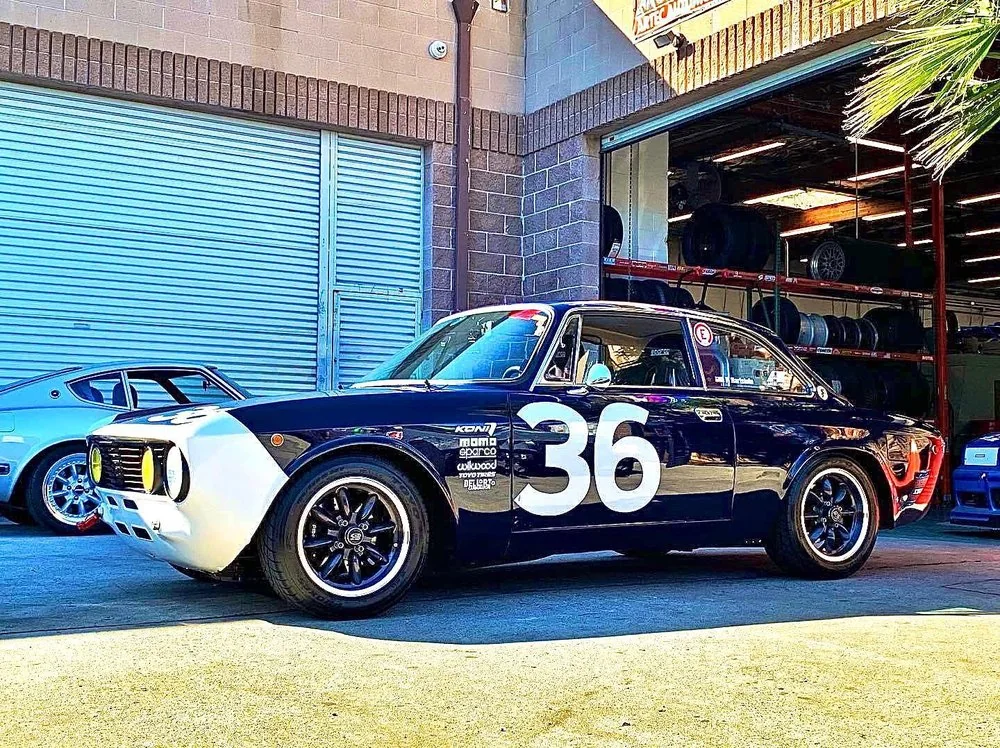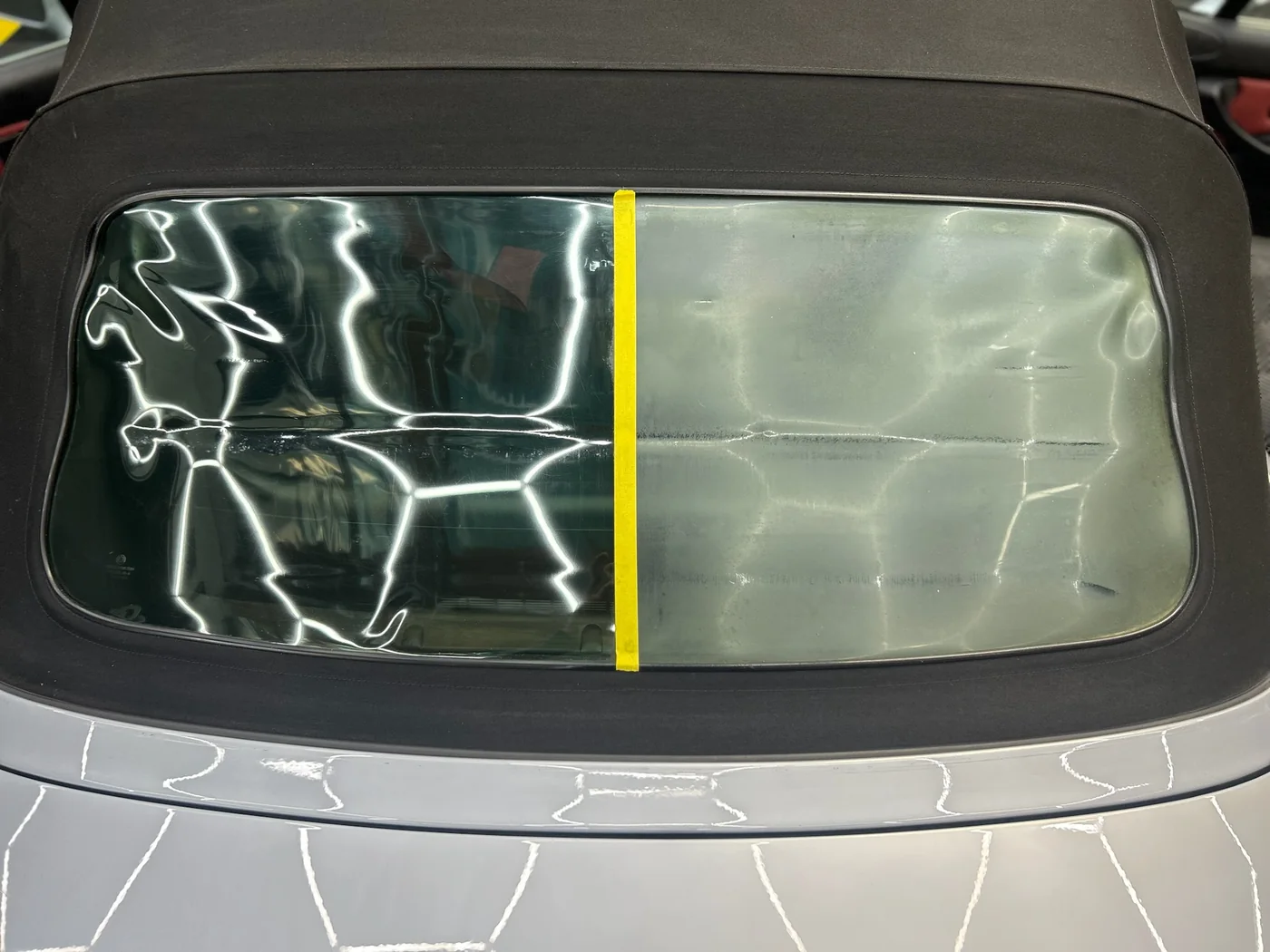


A fabrication project earns its value long before the first tube is cut or panel is shaped. The difference between a custom build that feels factory-resolved and one that becomes a cycle of revisions is design discipline. This automotive fabrication design guide outlines the decisions that should happen first, whether the goal is a discreet performance upgrade, a track-focused system, a restoration detail, or a fully bespoke build.
For premium, European, exotic, and collector vehicles, fabrication is not simply about making a part fit. It is about protecting the vehicle’s structural integrity, preserving service access, managing heat and movement, and achieving a finish worthy of the vehicle itself. The best work appears inevitable, as if the vehicle left the factory with it.
Start With the Vehicle’s Real Mission
The first question is not, “What can we build?” It is, “What must this vehicle do better?” A fabricated intercooler system, exhaust, roll structure, suspension component, aero element, or engine-bay detail serves a different purpose depending on how the vehicle will be used.
A weekend canyon car, a concours-quality classic, a high-horsepower street build, and a dedicated track car all require different priorities. Street-driven vehicles need refinement, durability, heat management, corrosion resistance, and practical serviceability. Track-focused vehicles can accept more noise, a firmer compromise, and more frequent inspection in exchange for stiffness, cooling capacity, or weight savings. A show vehicle may demand hidden hardware and exceptional surface finishing, but it still needs to survive real-world vibration and heat cycles.
A clear design brief should establish the intended use, performance target, visual direction, budget range, maintenance expectations, and future plans. That final point matters. If forced induction, brake upgrades, wider wheels, or powertrain changes are coming later, the initial design should leave intelligent room for them. Designing only for the car as it sits can create unnecessary rework a year later.
Automotive Fabrication Design Guide: Measure Before You Modify
Premium vehicles rarely offer generous unused space. Modern engine bays, undertrays, active aerodynamic systems, advanced driver-assistance sensors, cooling circuits, and tightly packaged suspension assemblies make accurate measurement essential.
The vehicle should be evaluated in its actual operating configuration, not only on a lift with the suspension at full droop. Wheel travel, steering lock, drivetrain movement, exhaust expansion, hood clearance, and underbody clearance all affect the final design. A component that looks excellent while stationary can contact a sway bar, tire, subframe, or heat shield once the vehicle is loaded and driven with intent.
Digital scanning, careful templating, and test fitting reduce guesswork. They also help maintain symmetry where it matters, identify interference before material is committed, and preserve clearance around components that will eventually need service. On complex European platforms, access to filters, belts, spark plugs, sensors, batteries, and factory mounting points deserves the same consideration as horsepower or appearance.
This is where a shop’s familiarity with the platform becomes valuable. A well-designed solution respects the systems around it rather than treating the car as a blank canvas.
Choose Materials for the Job, Not the Trend
Material selection affects strength, weight, corrosion resistance, weld quality, thermal behavior, appearance, and cost. There is no universal “best” metal for automotive fabrication.
Mild steel remains a practical choice for many brackets, structural components, and repair applications. It is economical, durable, and straightforward to weld, but it requires proper corrosion protection. Aluminum offers substantial weight savings and excellent corrosion resistance, making it attractive for intake plumbing, cooling components, panels, and certain brackets. Its lower stiffness and different welding requirements mean the design must account for thickness, reinforcement, and fatigue loads.
Stainless steel is frequently the right choice for exhaust work and exposed components because it handles heat and corrosion well while delivering a clean finish. The trade-off is cost, fabrication time, and weight compared with titanium. Titanium can reduce weight significantly in the right application, particularly in premium exhaust systems, but it is not a shortcut to a better build. It requires specialized fabrication skill and is difficult to justify where its properties do not provide a meaningful advantage.
Material thickness should follow the load path, not appearance alone. An overly heavy part may be strong but can add unnecessary mass, concentrate stress, or create mounting issues. An overly thin part may look elegant until vibration, heat, or repeated loading reveals its limitations.
Design the Load Path and Mounting Strategy
Every fabricated component transfers force somewhere. Understanding where that force goes is central to safe design.
A brace, splitter mount, seat bracket, intercooler support, or exhaust hanger should distribute loads through suitable mounting points rather than relying on a convenient thin panel or an isolated fastener. Factory mounting provisions are often useful, but they must be assessed for the new load they will carry. A mount designed for a lightweight plastic duct may not be appropriate for a metal assembly exposed to vibration and airflow forces.
Avoid creating hard stress points where a component needs controlled movement. Engines and exhaust systems move under torque and expand with heat. Solidly fixing a long exhaust section at both ends can cause cracks, broken hangers, or distorted flanges. The answer may be a flex section, slip joint, isolator, gusset, or a revised hanger location. The correct choice depends on the component and operating environment.
Fasteners deserve equal attention. Proper grade, thread engagement, washer selection, access for torqueing, and resistance to loosening are part of the design. A beautifully welded assembly can still fail prematurely if its mounting hardware is an afterthought.
Build Around Heat, Fluids, and Electrical Systems
Heat is one of the most persistent threats to a custom automotive build. Turbochargers, headers, catalytic converters, radiators, brakes, and high-output electrical systems can turn an attractive installation into a reliability issue if surrounding components are not protected.
Plan the path of hot air as carefully as the placement of the fabricated part. Consider radiant heat, airflow at speed, heat soak in traffic, and the effect on nearby wiring, hoses, paint, plastics, and sensitive electronics. Heat shielding, ceramic coating, thermal barriers, venting, and strategic spacing all have a place, but they are not interchangeable solutions.
Fluid routing should remain deliberate and accessible. Hoses need appropriate bend radius and protection from abrasion. Fittings should be reachable for inspection. Drain points, bleed points, and filters should not be buried behind a permanent fabricated structure. Electrical wiring must be secured, protected from sharp edges, and kept clear of high-temperature zones and moving parts.
A refined fabrication project makes these systems easier to trust, not harder to diagnose.
Treat Serviceability as a Performance Feature
The fastest car in the shop is not necessarily the best-built car if routine service requires hours of disassembly. Serviceability protects ownership experience, reduces labor for future maintenance, and helps preserve long-term value.
Before final welding or finishing, ask practical questions. Can the oil be changed? Can the battery be accessed? Can a bumper be removed without disturbing a major assembly? Can the spark plugs, belts, suspension bolts, and brake lines be inspected? Can a damaged section be repaired independently, or must the entire system be removed?
Modular construction can be especially valuable on high-end builds. V-band exhaust connections, removable brackets, accessible mounting hardware, and properly planned joints make a system easier to service without compromising strength or visual quality. Modularity does add complexity, so it should be used with purpose rather than applied everywhere.
Finish Is More Than Cosmetics
Fit and finish communicate the standard of the entire project. Consistent gaps, clean welds, properly dressed edges, concealed wiring, aligned hardware, and intentional surface treatment transform fabrication from functional work into a complete custom solution.
The finish must also match the environment. Powder coating can be excellent for protected chassis and bracket components, while ceramic coating is better suited to heat-intensive parts. Brushed metal, polished aluminum, paint-matched panels, and exposed carbon fiber each create a different visual language. On a collector or exotic vehicle, the best choice often complements the factory materials rather than competing with them.
Final assembly should include a full inspection for clearance, torque, rattles, sharp edges, heat exposure, and road behavior. A short test drive may reveal movement or resonance that cannot be seen on a lift. That final refinement is where a competent installation becomes a confident one.
For Bay Area owners planning a bespoke build, the right fabrication partner brings engineering judgment to every aesthetic and performance decision. At Artec Automotive, the goal is not to add parts for their own sake. It is to create tailored work that looks considered, performs under pressure, and continues to respect the vehicle long after the first drive.