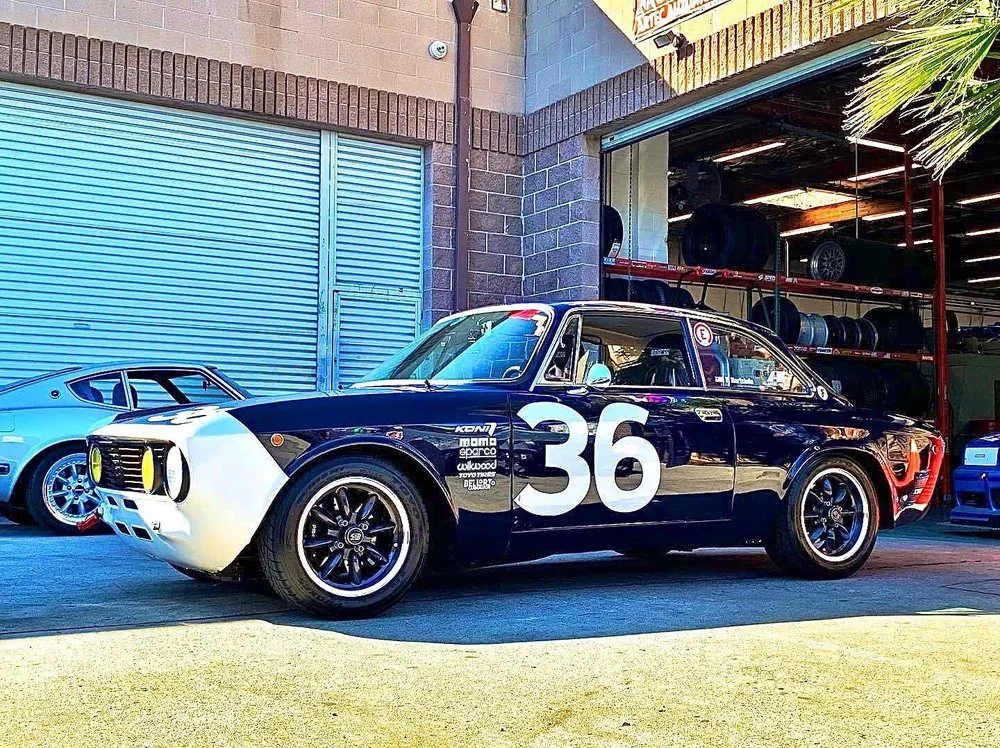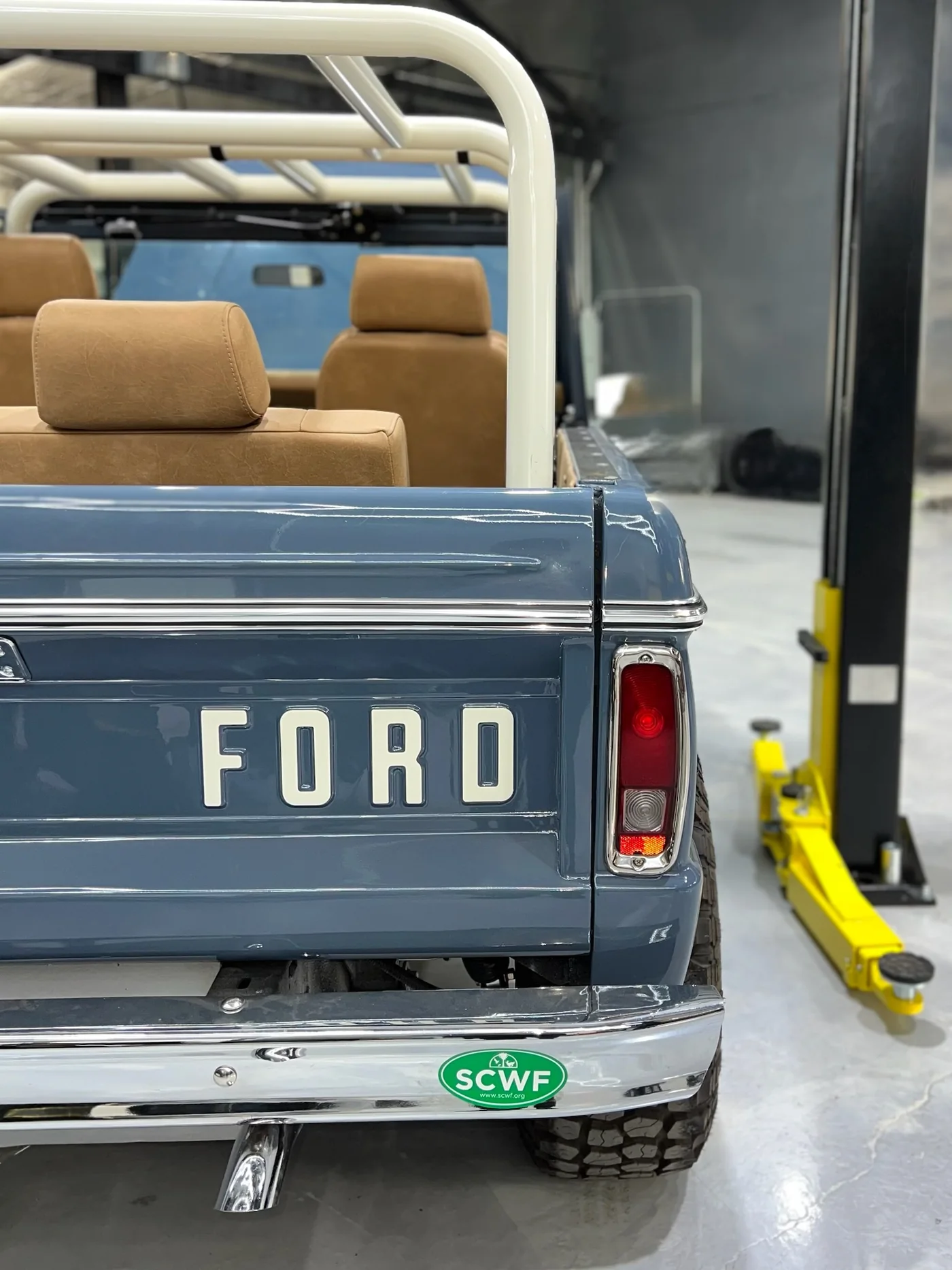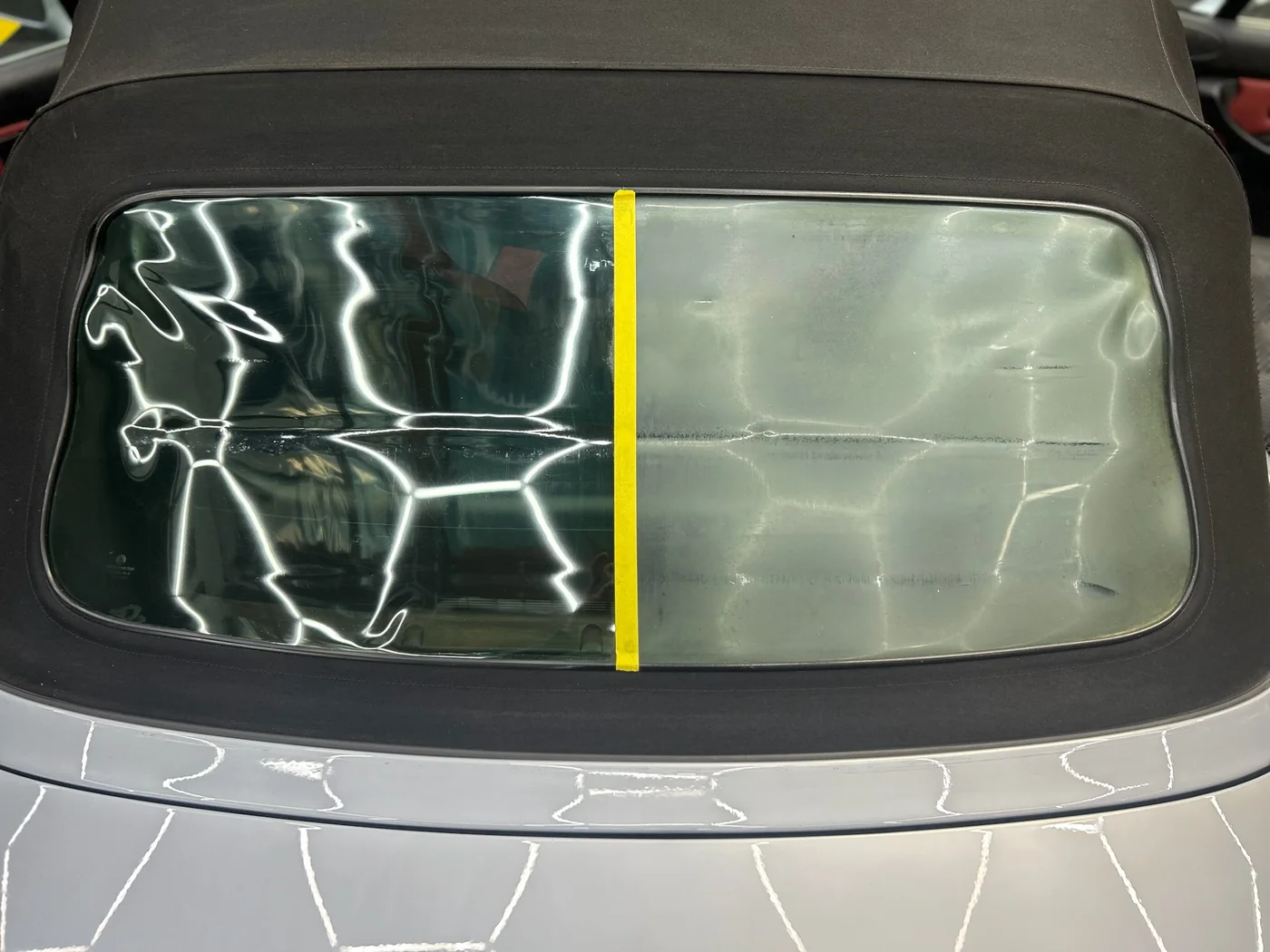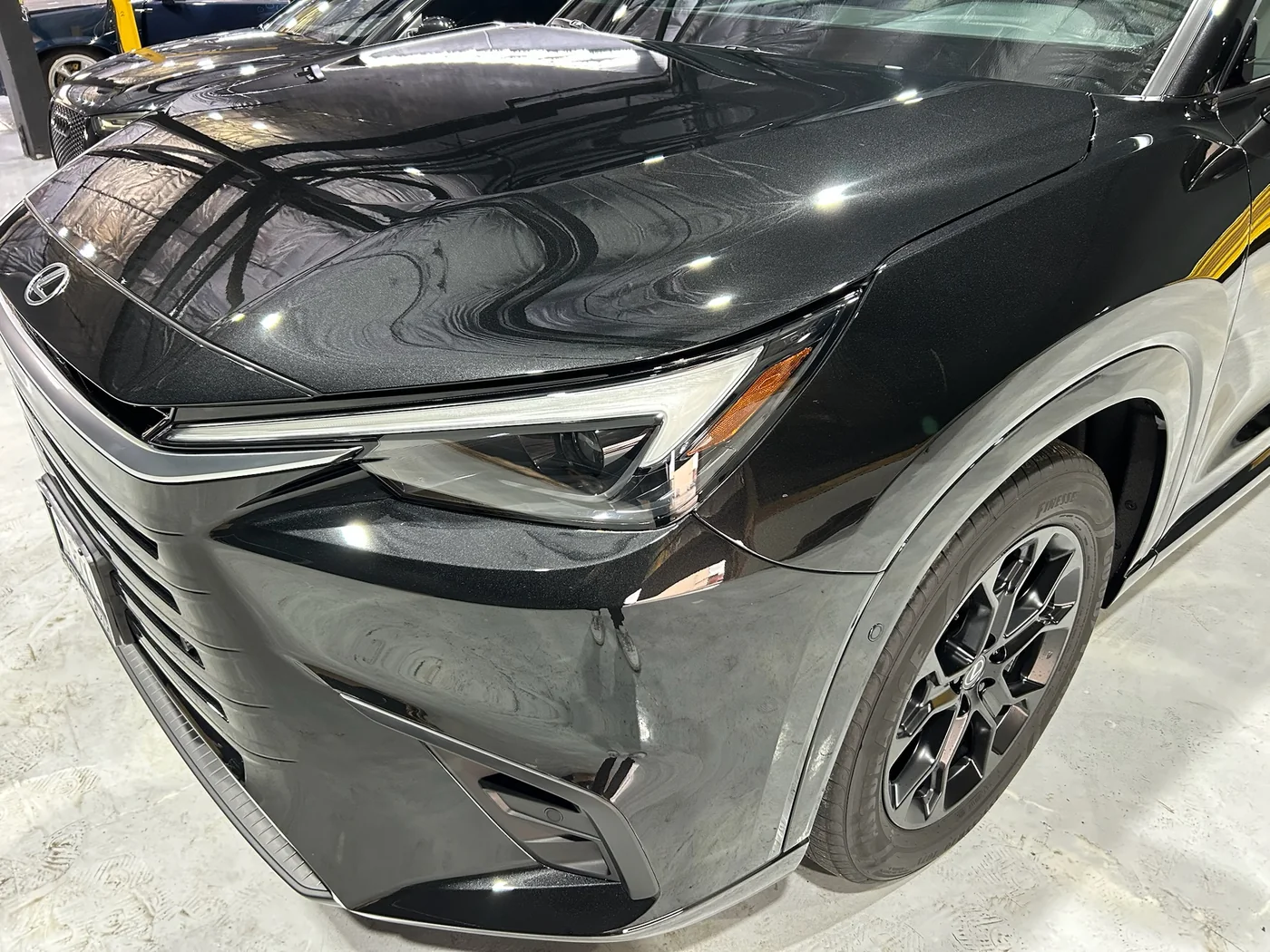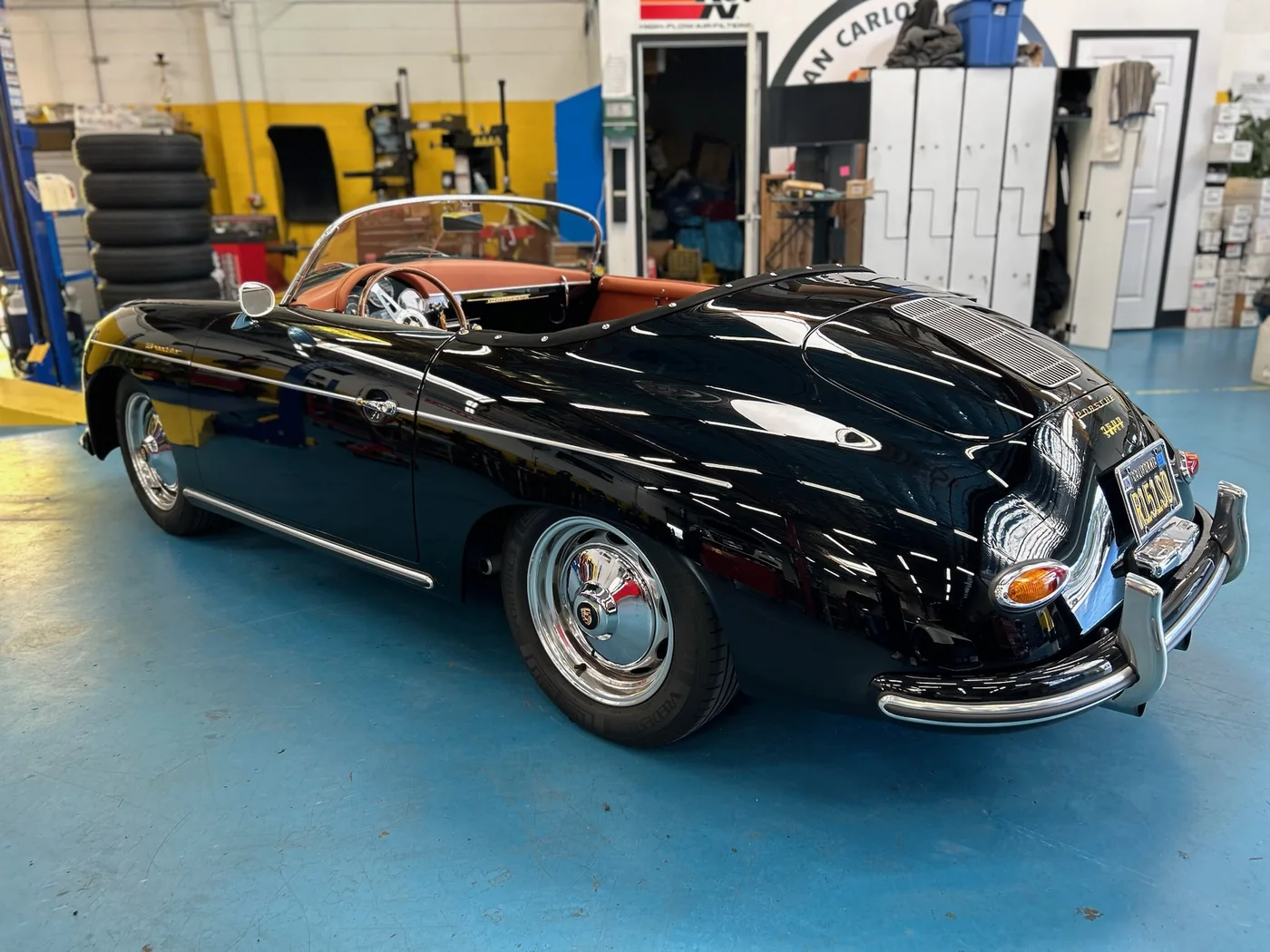

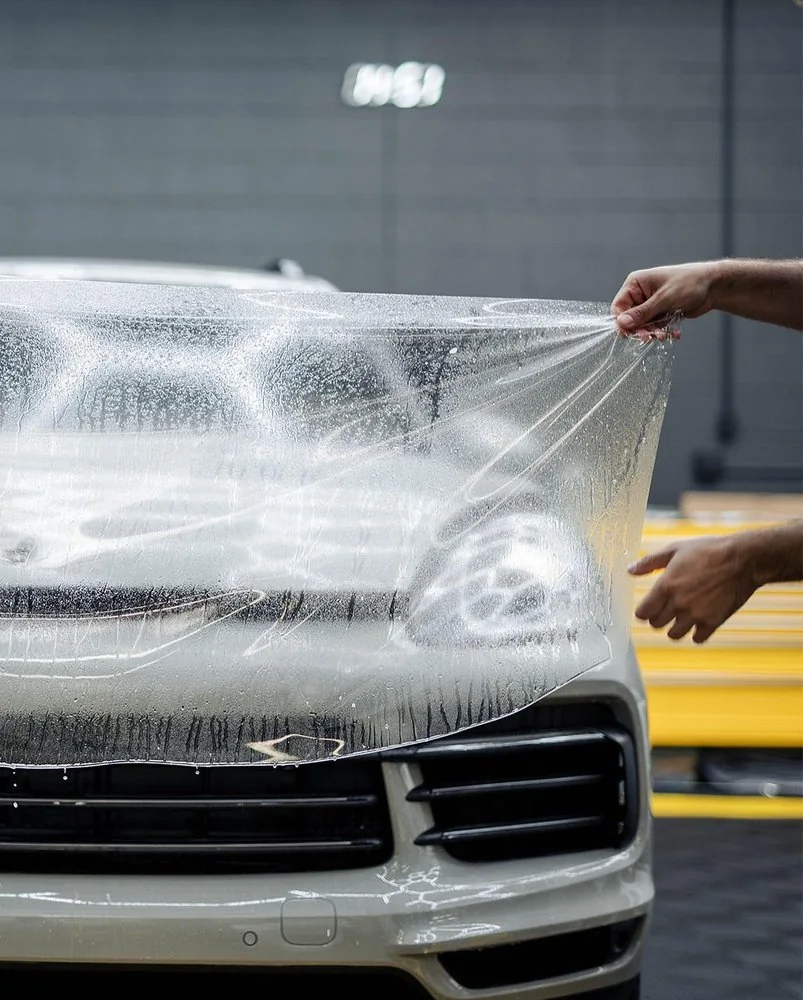

A vehicle can have serious power, exceptional paint, and a premium interior yet still fall short of its potential when a critical component does not fit, function, or look the way it should. Auto fabrication closes that gap. It is the discipline of designing and building vehicle-specific solutions when off-the-shelf parts are not enough - or when they compromise fitment, durability, performance, and visual intent.
For luxury, European, exotic, classic, and performance vehicles, fabrication is rarely about adding parts for the sake of modification. Done correctly, it is an engineering-led process that resolves real constraints while respecting the vehicle’s design language. The result may be invisible beneath the bodywork, such as a reinforced bracket or custom fluid line. Or it may become a defining feature, from a hand-built exhaust section to a precision-fitted aero component.
What Auto Fabrication Actually Means
Auto fabrication is the creation, modification, and integration of components specifically for a vehicle and its intended use. It can involve metal shaping, welding, machining, bending, cutting, mounting, reinforcement, and finishing. The work may support a performance build, a restoration, a protective upgrade, or an aesthetic transformation.
The distinction is important. Installing a catalog part is not fabrication. Fabrication begins when the vehicle, the owner’s goals, and the technical realities of the build require a tailored answer. A universal bracket may physically fit but place stress in the wrong area. A pre-made exhaust may provide sound but introduce drone, clearance issues, or poor heat management. A custom-built component can address those variables deliberately.
This is especially relevant with modern European vehicles, where tightly packaged engine bays, sensitive electronic systems, sophisticated suspension geometry, and advanced materials leave little room for guesswork. It is equally valuable for classics and collector cars, where original components may be unavailable, damaged, or poorly suited to the way the vehicle is driven today.
The Best Fabrication Starts With a Clear Purpose
A successful fabrication project starts well before material is cut. The first question is not, “What can we build?” It is, “What does this vehicle need to do better?” That answer shapes every decision that follows.
A track-focused Porsche, for example, may need a mounting solution that improves cooling airflow without adding unnecessary weight or compromising service access. A supercharged classic might require custom brackets, pulley alignment, and reinforced supports to keep a new powertrain system reliable under load. An exotic vehicle intended for regular Bay Area driving may benefit from discreet protective hardware or refined exhaust adjustments that preserve drivability while improving the experience behind the wheel.
The purpose also determines whether the priority is strength, weight, thermal control, corrosion resistance, appearance, or a balance of each. These choices involve trade-offs. Aluminum can reduce weight and resist corrosion, but it is not always the right choice for a high-stress structural application. Stainless steel offers excellent longevity and heat resistance, particularly in exhaust work, though it can add mass and requires skilled welding. Steel may be ideal for certain brackets and reinforcements where rigidity matters most.
The best material is not the most expensive option. It is the material that properly serves the component’s job.
Fitment Is More Than Making a Part Fit
Premium fabrication is measured in millimeters, not broad approximations. A component must clear moving suspension parts, accommodate engine movement, avoid sharp contact points, manage heat exposure, and allow access for future maintenance. On a high-value vehicle, visual fitment matters just as much. Uneven panel gaps, exposed hardware, awkward routing, or improvised mounting can undermine an otherwise exceptional build.
This is why careful measurement, mock-up work, and repeated test fitting are essential. A custom part should look intentional from every angle. It should also behave predictably after miles of road vibration, heat cycles, braking loads, and hard acceleration.
At Artec Automotive, fabrication is approached as part of a larger vehicle-care strategy. That perspective matters because a custom component does not exist in isolation. It may affect paint protection, underbody access, suspension settings, exhaust temperatures, drivetrain service, or the eventual resale presentation of the vehicle.
Where Custom Fabrication Delivers Real Value
Fabrication has a place in many types of builds, but it is most valuable when it solves a limitation rather than merely adding visual complexity. Owners often seek custom work after discovering that available parts create compromises they are unwilling to accept.
Performance applications commonly include custom exhaust sections, intake and intercooler piping, radiator and oil-cooler mounts, battery relocations, engine and transmission brackets, and reinforcement for higher-output drivetrains. These components need to perform under demanding conditions, not simply look impressive during installation.
Restoration and collector work often call for a different mindset. The goal may be to reproduce an unavailable bracket, repair a corroded mounting point, create a durable substitute for a discontinued part, or discreetly integrate modern functionality without changing the character of the car. In these cases, restraint is a form of craftsmanship. The right solution preserves what makes the vehicle special.
Aesthetic builds can also benefit from fabrication when executed with discipline. Custom mounts for aero pieces, carefully positioned exhaust tips, bespoke engine-bay details, and cleanly integrated body modifications can transform the visual presence of a vehicle. But appearance should never overtake structural integrity, airflow, visibility, or serviceability. A modification that looks dramatic but rattles, cracks, traps heat, or makes routine work difficult is not a premium result.
The Fabrication Process: From Idea to Finished Component
Quality fabrication follows a methodical sequence. The project begins with a conversation about how the vehicle is used: weekend canyon driving, concours display, track days, long-distance touring, daily commuting, or a mix of purposes. The owner’s priorities matter because there is no universal definition of the “best” build.
Next comes inspection and planning. Existing components are evaluated, measurements are taken, mounting locations are studied, and potential clearance or thermal concerns are identified. If the work is connected to a broader build, the order of operations becomes critical. It makes little sense to finalize a fabricated mount before confirming the fitment of the cooling system, suspension, wheel and tire package, or protective underbody elements around it.
The component is then mocked up, fabricated, and test fitted. Welding and finishing should be selected for the application, not treated as cosmetic afterthoughts. Strong, clean welds matter, but so do edge treatment, gusset placement, load distribution, hardware selection, corrosion protection, and final alignment.
Finally, the vehicle needs a real-world evaluation. Heat, vibration, steering travel, suspension movement, road noise, and access for inspections can reveal issues that static measurements alone cannot. This last stage separates a part that simply fits in the shop from one that earns confidence over time.
When Custom Work Is Not the Right Answer
Not every project needs auto fabrication. Many high-quality aftermarket parts are engineered, tested, and proven for specific chassis applications. When a component delivers the desired result without compromise, using it can save time and keep future servicing straightforward.
Custom work is most justified when the vehicle has unusual requirements, when existing components have been altered, when no suitable production option exists, or when an owner expects a level of fit and integration unavailable from a standard part. It also makes sense when the goal is to correct a previous installation that was rushed or poorly executed.
The key is honest guidance. Fabrication should add capability, reliability, refinement, or meaningful personalization. It should not become an expensive substitute for a clear plan.
Protecting the Value of a Custom Build
A well-executed fabricated component can elevate both ownership and long-term appeal, particularly when it is documented and finished to a high standard. Buyers of premium vehicles pay attention to workmanship. They look for clean routing, proper hardware, thoughtful mounting, and evidence that modifications were performed with the vehicle’s future in mind.
That does not mean every custom build will increase resale value. Highly personal modifications can narrow the buyer pool, and extreme changes may not suit a future owner. The strongest approach is one that can be explained clearly: this part was built for a specific need, with quality materials, correct fitment, and professional installation.
A custom vehicle should feel more resolved after fabrication, not more complicated. Whether the goal is greater performance, a cleaner aesthetic, a restoration solution, or a component that simply does not exist anywhere else, the right work begins with a precise question. Bring that question to an experienced fabrication team, and the finished answer can become one of the most satisfying details on the vehicle.