
A meaningful Porsche specialist review is not a star rating and a few comments about friendly service. For an owner, it is evidence that a shop understands the difference between changing parts and preserving the engineering, driving character, condition, and long-term value of a Porsche. Whether the vehicle is a daily-driven Macan, a naturally aspirated 911, a Cayenne Turbo, or a collector-grade GT car, the standard should be specific expertise supported by disciplined processes.
The right specialist relationship can make ownership feel remarkably straightforward. The wrong one can create repeat visits, avoidable cosmetic damage, vague diagnoses, and work that feels disconnected from the vehicle’s purpose. A careful review helps separate a general repair facility that occasionally services Porsches from a team equipped to care for one properly.
What a Porsche Specialist Review Should Reveal
The most useful reviews describe the work, not simply the outcome. “Great service” is pleasant, but it says little about the shop’s ability to diagnose a cooling issue, identify an intermittent electrical fault, protect delicate finishes during repair, or install a performance component without introducing drivability concerns.
Look for specifics around communication, inspection findings, diagnostic reasoning, and follow-through. Strong feedback often mentions that the owner understood what was found, why a repair was recommended, what could wait, and what the vehicle needed to remain dependable. That level of clarity matters because Porsche ownership is rarely one-size-fits-all. A high-mileage Panamera used for Peninsula commuting needs a different maintenance strategy than a low-mileage 997 that sees occasional weekend use.
Reviews are also more valuable when they show consistency over time. A single excellent installation or repair can happen at many shops. Repeated comments about careful workmanship, accurate estimates, clean handoffs, and vehicles returning in better condition point to an operating standard rather than a fortunate one-off experience.
Technical credibility is more than a diagnostic tool
Modern Porsches are deeply integrated systems. Powertrain, chassis, braking, cooling, driver-assistance features, and software all influence the ownership experience. A specialist should have appropriate diagnostic capability, but equipment alone does not create expertise. The important question is whether technicians know how to interpret the data, verify a concern, and avoid replacing expensive components based on guesswork.
A credible specialist review may reference a thorough inspection, road testing, documentation, or a technician taking time to explain the condition of wear items. It may also mention that the shop identified an issue before it became a larger repair. These are signs of methodical work, especially on vehicles where minor leaks, worn suspension components, cooling-system weaknesses, or battery-voltage faults can create larger downstream problems.
There is a trade-off here. A detailed inspection and diagnosis can take more time than a quick estimate, and a premium specialist may not be the least expensive option. Yet the cheaper path is rarely economical if it leads to unnecessary parts, missed root causes, or rework. The objective is not to pay for complexity. It is to pay for an accurate answer.
Review the Shop’s Approach to Your Specific Porsche
Porsche is a broad marque, and a capable shop should respect the differences within it. Air-cooled cars, water-cooled Mezger-era models, PDK-equipped 911s, hybrid Cayennes, and current-generation Taycans each bring distinct service considerations. A specialist does not need to claim that every model receives identical treatment. In fact, broad claims with no detail can be a reason to ask better questions.
For an older 911, the conversation may center on oil leaks, suspension condition, engine health, deferred maintenance, originality, and preservation. For a newer performance model, it may include software-aware diagnostics, brake wear, alignment, tire selection, and protection against the cosmetic damage that arrives with regular Bay Area driving. For a track-oriented vehicle, the priorities can shift toward fluids, pads, heat management, corner balancing, and setup choices that match the driver’s goals.
A worthwhile review should indicate that the shop listened before recommending work. Owners who want factory-correct preservation need different guidance from owners building a more focused street-and-track car. Neither approach is inherently better. The value comes from recommendations that respect how the Porsche will actually be used.
Service quality includes the details surrounding the repair
Technical work and cosmetic stewardship should not be treated as separate standards. Premium vehicles are often damaged not by the repair itself, but by rushed handling: improper lifting, careless wheel removal, stained upholstery, unprotected paint, or a windshield that is scratched during adjacent work.
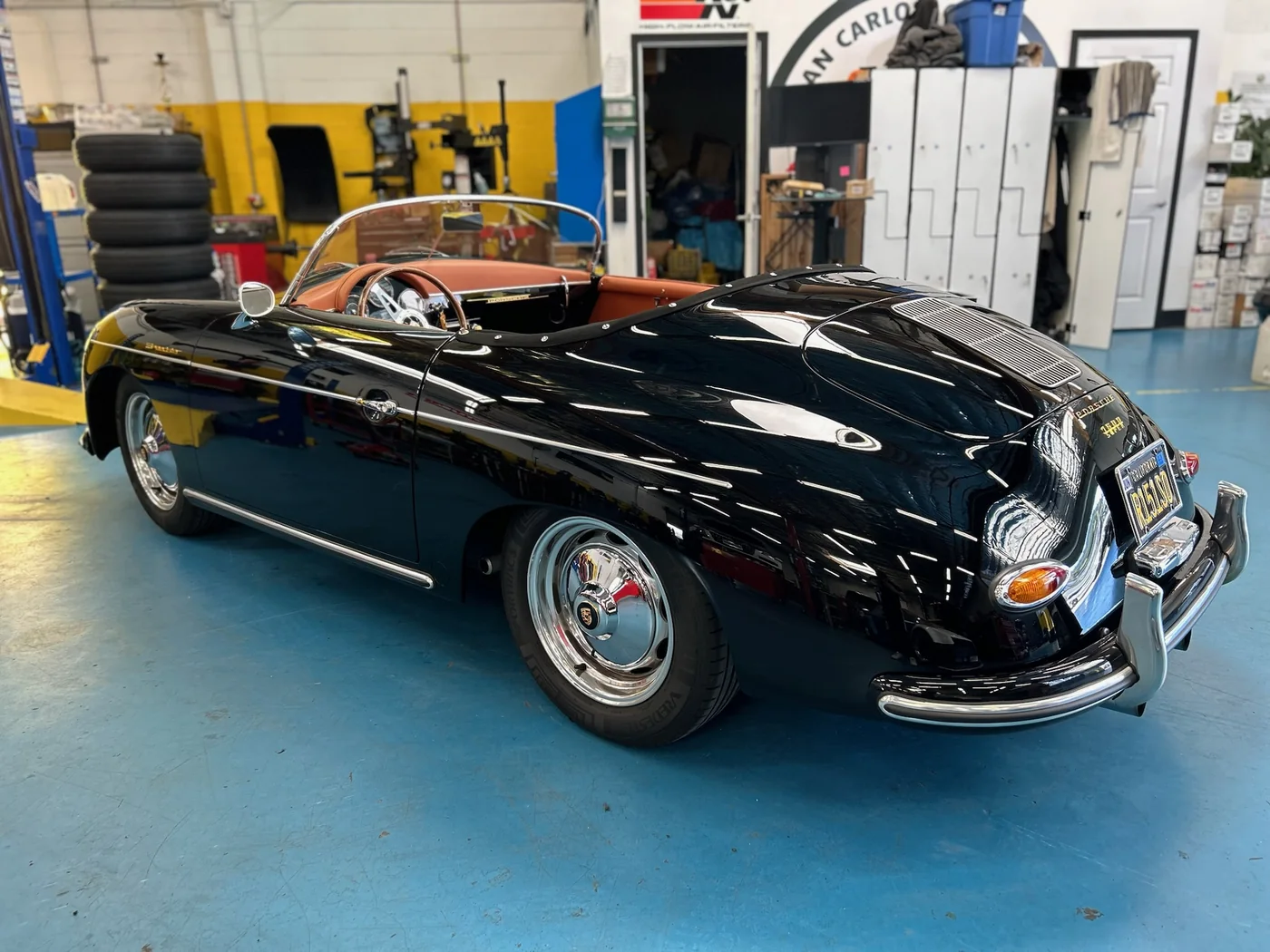
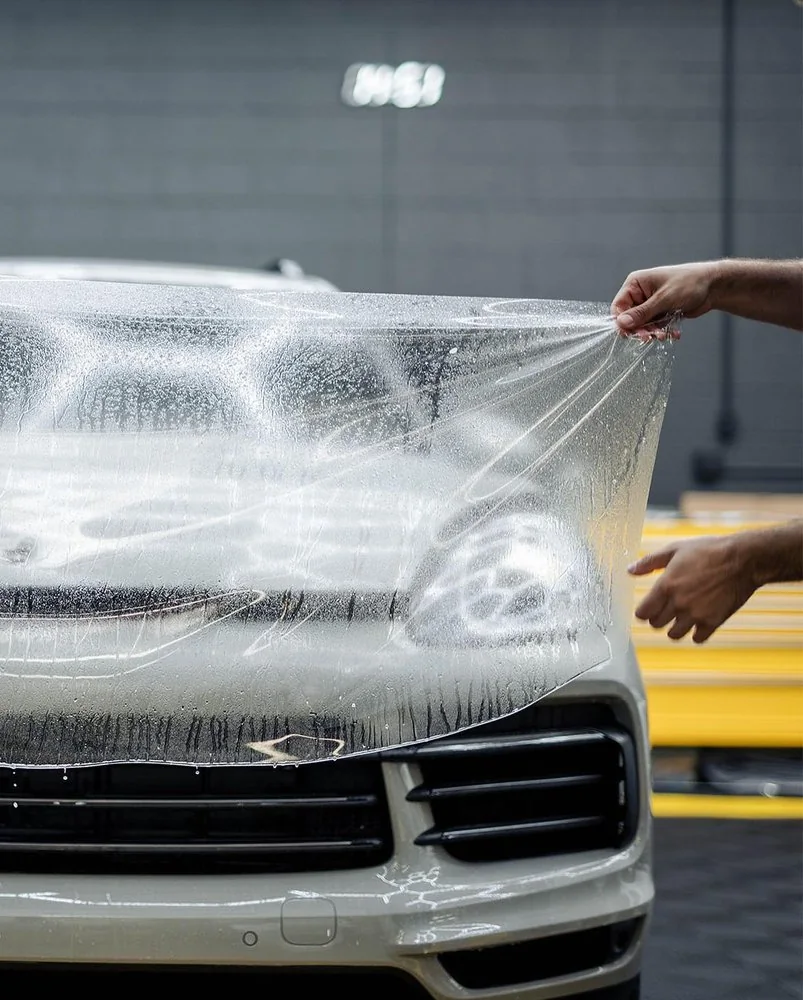
Ask how the facility protects vehicles from the moment they arrive. Clean work areas, vehicle-specific lift practices, battery management, paint and interior protection, secure key handling, and a thoughtful final inspection all reflect the same mindset that supports careful mechanical work. They are particularly relevant for collectible Porsches, black paint, lightweight wheels, carbon-fiber components, and cars finished with paint protection film or ceramic coating.
This is where an integrated automotive facility has an advantage. At Artec Automotive, mechanical service, detailing, paint protection film, windshield protection, coatings, tint, custom modification, fabrication, and secure storage can be considered as parts of one ownership plan rather than isolated appointments. That does not mean every Porsche needs every service. It means the people working around the car can account for its condition, finish, use case, and future plans.
How to Read Porsche Specialist Reviews Critically
Online feedback deserves context. A review written immediately after drop-off cannot validate a repair. A five-star rating with no information cannot tell you whether a shop is effective at diagnosis. Conversely, one frustrated review does not always reflect poor workmanship, particularly if the issue involved an unexpected parts delay or a repair that exposed pre-existing concerns.
Read for patterns rather than perfection. Repeated praise for communication and precision is meaningful. So are recurring complaints about missed deadlines, surprise costs, poor responses after service, or work that had to be corrected elsewhere. Pay close attention to how a business handles a difficult situation. Premium service is not the promise that no complication will ever arise. It is the willingness to communicate promptly, explain the options, and take ownership when the situation requires it.
The most credible reviews tend to include practical details: the model serviced, the concern, the recommendation, and how the vehicle performed afterward. Reviews from owners with similar cars can be especially helpful, but do not discount feedback from other European performance vehicles. A facility that demonstrates careful, consistent care across complex platforms often has the systems and standards that Porsche ownership demands.
Questions Worth Asking Before You Book
A review can narrow your choices, but a direct conversation should confirm the fit. Start by explaining your model, mileage, intended use, recent service history, and any symptoms or concerns. A specialist should ask thoughtful follow-up questions instead of moving immediately to a generic service package.
You may also want to ask how the shop documents its findings, whether it performs a vehicle health inspection, how it approaches aftermarket upgrades, and what it does when a diagnosis reveals related work. For performance modifications, ask about compatibility, tuning implications, daily drivability, warranty considerations, and whether the proposed changes match your goals. More power is not automatically a better result if it compromises heat management, traction, refinement, or reliability.
For cosmetic preservation, discuss how mechanical work will interact with existing protection. A shop should know when film edges, coatings, wheel finishes, and delicate trim require extra care. If you are considering new protection after service, it is often efficient to coordinate the work so the vehicle is properly corrected, protected, and returned ready for the road.
The Best Review Is Your Ownership Experience
A Porsche specialist should make the car easier to enjoy. That means you leave with a clear picture of its condition, confidence in the work completed, and a practical plan for what comes next. It also means the vehicle feels right when you drive away: no new noises, no unresolved warning lights, no carelessness hidden behind polished marketing.
For Bay Area owners, the relationship can extend beyond maintenance. Road debris, intense sun, dense traffic, steep grades, and spirited weekend routes each place different demands on a Porsche. The ideal specialist can help protect the paint and windshield, preserve interior comfort, maintain mechanical confidence, and tailor the vehicle without losing sight of its original character.
Choose the shop whose reviews show precision, transparency, and respect for the vehicle. Then give that team the information needed to make recommendations around your Porsche, not a generic version of it. That is how specialist service becomes part of protecting the experience you bought the car for.