
A low-mileage exotic can lose more condition sitting still than it does on a properly managed drive. In the Bay Area, coastal moisture, temperature swings, dust, UV exposure, and long periods between drives can quietly affect paint, leather, tires, batteries, and mechanical systems. Climate controlled exotic car storage is designed to prevent that slow deterioration while keeping a prized vehicle private, secure, and ready for the road.
For owners of Ferraris, Lamborghinis, McLarens, Porsches, Aston Martins, and other high-performance vehicles, storage should not mean parking a car behind a locked door. It should mean placing a valuable machine in an environment that respects its engineering, finish, and long-term value.
What Climate Control Actually Protects
The most visible benefit of a controlled environment is paint preservation. Heat and direct sun can accelerate fading, dry out protective products, and place unnecessary stress on interior materials. Moisture introduces a different set of risks, including corrosion on exposed metal components, mildew in upholstery, musty odors, and deterioration around seals and trim. Even a clean enclosed garage can become a problem if temperature and humidity move unpredictably.
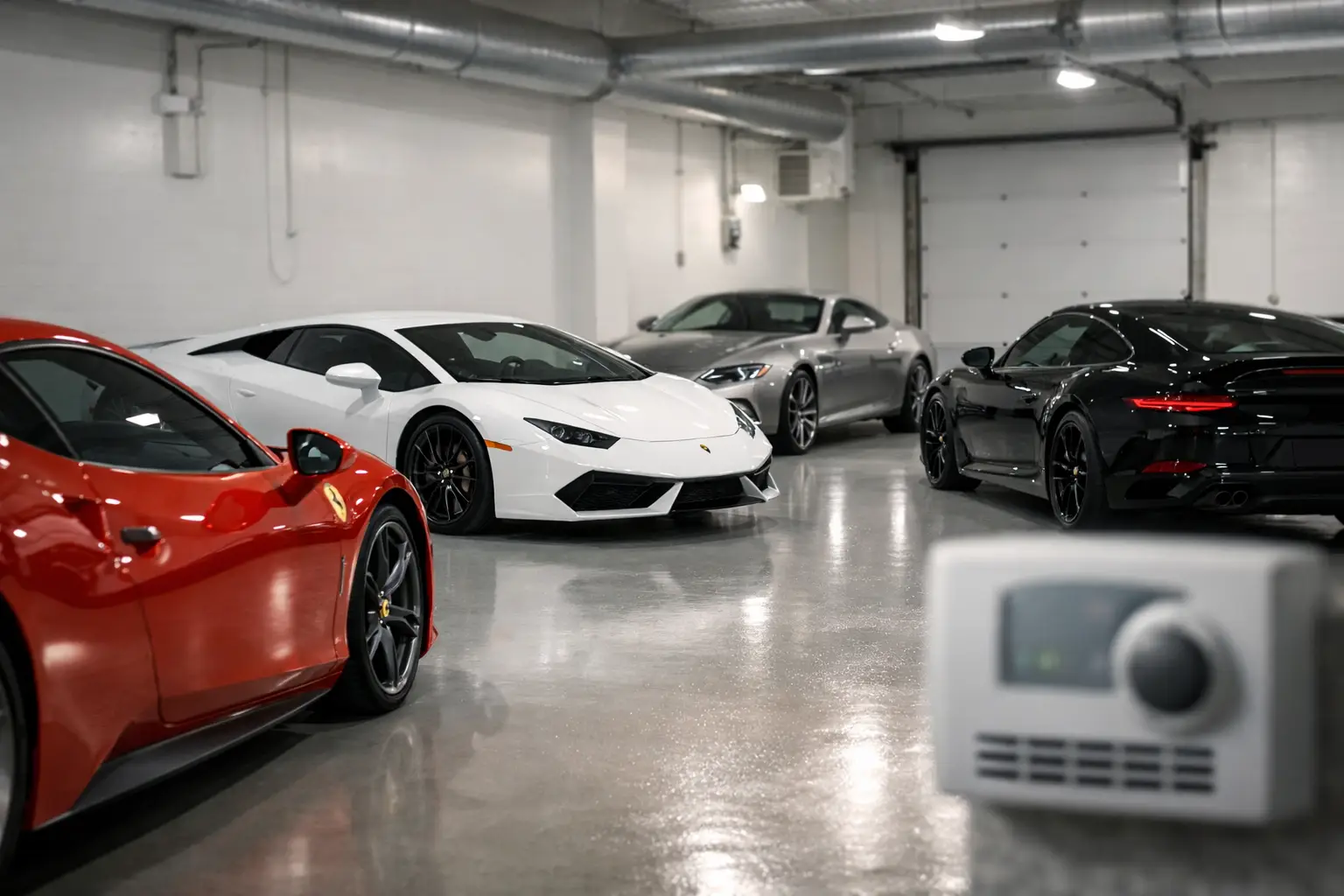
Climate-controlled storage maintains stable conditions rather than simply shielding a vehicle from rain. That distinction matters. A facility should manage temperature and humidity at a consistent level, reducing condensation that can form when warm, humid air meets cooler vehicle surfaces. This is especially valuable for collector vehicles, cars with polished metal or carbon-fiber details, and exotics that spend much of the year off the road.
Interior preservation deserves equal attention. Premium leathers, Alcantara, natural wood, adhesives, and display screens all age differently under excessive heat or moisture. A stable indoor environment helps preserve the cabin experience that separates a true luxury vehicle from ordinary transportation.
Climate Controlled Exotic Car Storage Is More Than a Garage
A premium storage program combines environmental management with disciplined vehicle care. Security is essential, but it is only one layer. The best solution also accounts for battery maintenance, tire condition, fluid health, cleanliness, and the vehicle's individual service requirements.
Exotic cars often have sophisticated electrical systems that continue drawing power while the ignition is off. Alarm systems, control modules, telematics, and memory functions can deplete a battery over time. A proper battery maintenance protocol helps avoid the inconvenience of a no-start condition and the potential complications that can follow low-voltage events in modern European vehicles.
Tires are another concern. When a vehicle remains stationary for extended periods, its weight rests on the same contact patch. Depending on the tire construction, inflation level, storage duration, and vehicle weight, flat spotting can become a concern. Thoughtful storage oversight includes checking tire pressures and determining whether periodic movement or other measures are appropriate for the specific vehicle.
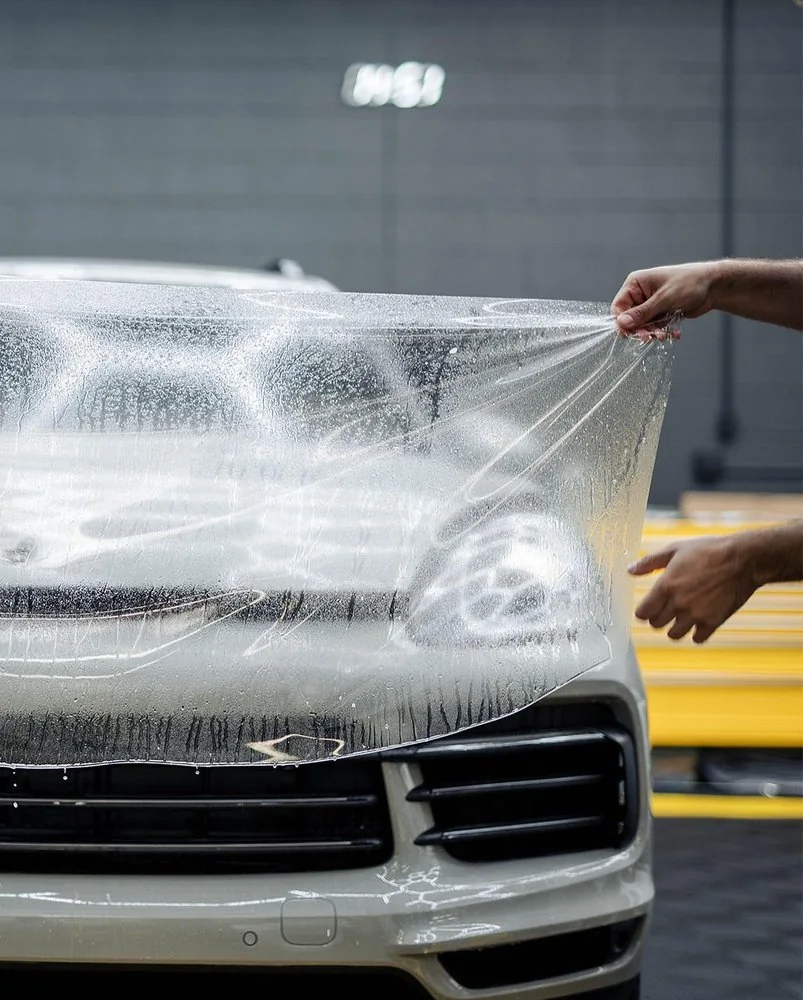
The car should also arrive clean. Dirt, brake dust, bugs, road film, and moisture trapped in tight areas do not become harmless just because the vehicle is indoors. Before storage, a professional detail can remove contaminants from paint, wheels, brake calipers, glass, and interior touchpoints. For vehicles protected with paint protection film, ceramic coating, or graphene coating, correct washing methods preserve the finish without compromising the protection already in place.
The Bay Area Adds Its Own Storage Challenges
Northern California offers exceptional driving roads, but it also presents varied microclimates. A car stored near the Peninsula may encounter coastal humidity and fog, while a vehicle used in hotter inland areas can be exposed to intense sun and elevated cabin temperatures. Seasonal weather is only part of the equation. Many owners travel frequently, split time between residences, or keep several vehicles in a collection. A high-performance car can sit longer than expected.
That is when a controlled storage environment becomes practical asset protection. It reduces exposure to conditions that are difficult to manage in a residential garage, condominium parking structure, or standard warehouse unit. It also removes the uncertainty of leaving a vehicle alone for weeks or months without a structured care plan.
For some owners, storage is seasonal. For others, it is a long-term solution for a collector car, a weekend exotic, or a vehicle awaiting a custom build. The right approach depends on how often the car will be driven, its age, its existing condition, and its mechanical needs. A newer daily-driven Porsche may need a different plan than a low-mileage Ferrari kept primarily for special occasions.
What to Look for in Premium Exotic Car Storage
Not every indoor space is suitable for a high-value vehicle. Before entrusting a car to a facility, owners should understand how the environment is managed and who is responsible for the vehicle while it is there.
Look beyond the phrase “climate controlled.” Ask whether temperature and humidity are actively monitored, how access is controlled, and what security measures protect vehicles after hours. Confirm how batteries are maintained, whether cars receive periodic visual inspections, and how staff handles an issue such as a warning light, low tire pressure, or fluid leak.
A strong storage relationship should also make ownership easier. The ability to coordinate detailing, protective-film service, windshield replacement, maintenance, repair, or performance modifications from the same trusted location can be a meaningful advantage. Instead of moving an exotic between multiple vendors, the owner has one knowledgeable team familiar with the vehicle’s condition, history, and priorities.
Privacy matters as well. Owners of rare and high-profile vehicles may not want their cars visible in an open public facility or accessible to constant foot traffic. Controlled access and professional handling provide peace of mind that goes beyond a standard parking arrangement.
Prepare Your Vehicle Before Long-Term Storage
The preparation process should be tailored, but a few fundamentals apply to nearly every exotic vehicle. Begin with a proper wash and detail so contaminants are not left sitting on paint, wheels, or trim. The fuel system, tires, battery, fluids, and maintenance schedule should then be reviewed based on the anticipated storage duration and manufacturer recommendations.
Avoid treating storage preparation as a one-size-fits-all checklist. Some vehicles benefit from a battery maintainer, while others require more specific procedures. A vintage carbureted car has different needs from a modern turbocharged European platform. Likewise, starting a vehicle briefly without bringing fluids to operating temperature is not always beneficial. Experienced oversight is more valuable than occasional, unplanned engine starts.
If the vehicle has existing paint protection film, coating protection, or a custom finish, document its condition before storage. This establishes a clear baseline and makes it easier to identify any service needs when the car returns to regular use. It is also an ideal time to address paint correction, windshield protection, interior conditioning, or mechanical maintenance that has been postponed during a busy season.
A Storage Program Should Support How You Use the Car
The best storage arrangement does not isolate a vehicle from ownership. It supports the next drive, event, service appointment, or upgrade. A car should leave storage looking right, starting confidently, and performing as intended - not requiring a day of cleanup and troubleshooting before it can be enjoyed.
At Artec Automotive, secure storage can be part of a broader vehicle-care relationship, supported by protection, detailing, specialty service, repair, and customization under one roof. That integrated approach is especially valuable when the vehicle is more than a purchase. It is a performance machine, a collector asset, and a personal expression worth preserving with precision.
A well-stored exotic is not simply protected from the elements. It is preserved for the moment you turn the key, hear the engine come alive, and remember exactly why you chose it.